

Ulm's historic core is compact, and a suggested three-day outline makes sense because the city pairs a dense old town with riverbank walking and a small set of separate museums. Start with Ulm Minster. Travel sources describe it as a Lutheran church in Gothic style with an elaborate carved choir, and generally give its spire a height of 161.53 metres, widely cited as the tallest church steeple in the world.
The outline below is a suggestion, not an official route. It deliberately avoids prices, opening hours and transport specifics because those change and belong to each operator. The shape is simple: one dense day around the Minster and the old-town quarters, one day mixing Friedrichsau park with a single museum, and one flexible day for Wiblingen Abbey or a slower local wander.
One concrete detail to fix before you start: Expedia's guide describes the Minster spire as 530 feet, or 161.5 metres, and calls it the highest church spire in the world. Treat that as a widely reported superlative rather than a precise number to quote. If you have less time than three days, a shorter Ulm plan may suit you better than compressing this one.
Why Three Days Suits Ulm
Ulm is often framed as a convenient stop between Munich, Stuttgart and Lake Constance, and that framing undersells it. Wanderlog's three-day itinerary notes the compact old town's preserved half-timbered houses, cobbled lanes and the Fishermen's and Tanners' quarters along small canals, as well as easy rail connections. Three days gives you room to absorb that core properly and still leave the city for a half-day.
The trade-off is that Ulm is not a city of nonstop headline sights. If you try to fill every hour with a major attraction, you will run out of must-sees by the middle of day two. A better approach is to treat day one as dense, day two as green and selective, and day three as flexible, so the trip breathes.
It also helps to accept that Ulm and Neu-Ulm are two municipalities facing each other across the river. Wanderlog's list places Donaubad and Glacis Park in Neu-Ulm, not in Ulm proper, so slotting them into a day means planning a river crossing. For the full set of city and landmark guides, start at the Ulm city hub.
How to Shape the Three Days
Think of the itinerary as three moods rather than three equal sightseeing days. Day one is the orientation loop: Minster, Münsterplatz, the Rathaus, the old-town lanes, the Fishermen's Quarter and the city wall toward the Danube. Day two shifts to Friedrichsau park and one museum. Day three is the variable day. For wider planning, see the Ulm landmark guide hub.
Grouping by geography saves walking time. Wanderlog's day-one grouping puts Ulm Minster, Donauwiese, Fischerviertel and the Ulm city wall in a single walkable sequence, with Museum Brot und Kunst also nearby. The university botanical garden and Wiblingen Abbey sit further out and deserve their own blocks.
A simple test for any three-day plan is whether it forces you to backtrack. If day two sends you to one quarter in the morning and back across the city in the afternoon, move something. In Ulm the old town is tight enough that a well-sequenced day feels relaxed even when it is full.
Day 1: Ulm Minster and Münsterplatz as the Anchor
Start at Ulm Minster, the Gothic church at the centre of the city and the landmark most visitors come for. Wanderlog describes it as a Lutheran church with an impressive carved choir and a spire of 161.53 metres. Because it anchors the old town and sits beside Münsterplatz, arriving early gives you the square in a calmer state before the day fills up.
The important practical distinction at the Minster is between free public ground and anything ticketed. Attending the church and walking Münsterplatz do not automatically include tower access, and climbing arrangements can carry their own conditions. Check the Minster's own site for what is currently open rather than assuming one entry covers everything.
Münsterplatz is the natural place to pause, eat and orient yourself. Expedia's guide notes the Rathaus Ulm, or Town Hall, is not far from the Minster and illustrates early Renaissance architecture, with a replica of Albrecht Ludwig Berblinger's flying apparatus on the staircase. That makes the square a practical hinge between the Minster and the old-town lanes.
If you only have a single day in the city, the Minster and its square are the obvious core. A shorter plan still gives you the highlight and a taste of the old town. The dedicated guide to Münsterplatz and the Rathaus covers that cluster in more detail.
Day 1 Continued: Fishermen's Quarter, Tanners' Quarter and the Danube
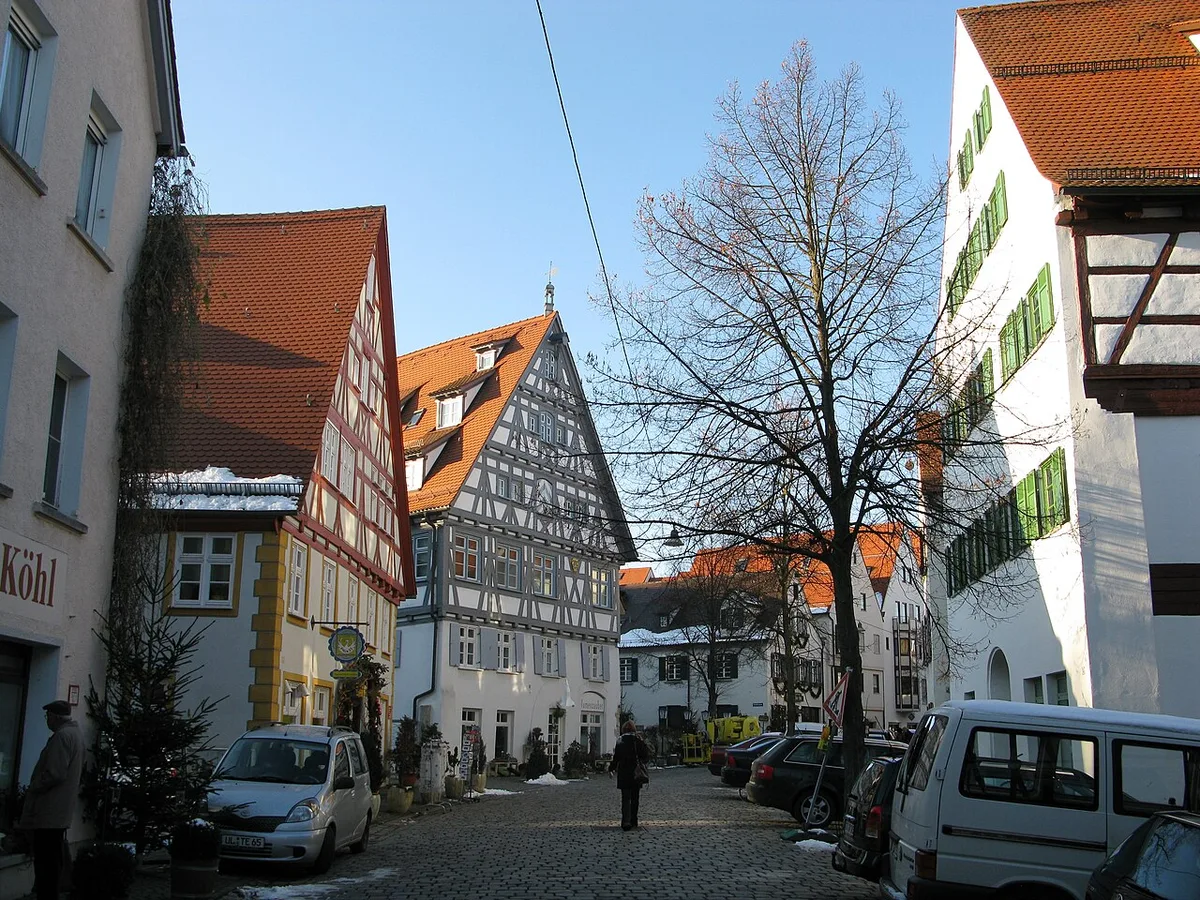
From the Minster, head southwest toward the canal-side quarters. Wanderlog describes Fischerviertel as a picturesque area associated with the Blau, a river that rises from the karst spring near Blaubeuren and runs through the quarter before joining the Danube, with small and large channels where trout can be spotted. Expedia's overview adds that the Town Walls walk passes the Fishermen's and Tanners' quarters, where you find half-timbered houses, cobblestone streets and footbridges.
The Ulm city wall, or Ulmer Stadtmauer, is described by Wanderlog as a fifteenth-century historic site with iron rings pointing toward the Danube and a pleasant walk with views of the city and river. It sits naturally in the same day-one sequence as the Fishermen's Quarter. Keep the pace loose here; this is the part of the day that rewards dawdling.
End the afternoon at Donauwiese, the riverside green in the old town, or follow the bank until you find a spot you like. Expedia describes the walls along the Danube as a popular walking trail for locals and visitors. Evening options cluster along the waterfront and canal streets, which makes a day-one dinner easy to place.
Day 2 Morning: Friedrichsau Park and Riverside Paths
Begin the second day in Friedrichsau, the large park north of the centre. Wanderlog describes it as a vast and serene park with ponds, streams and lush greenery, a favourite with locals and tourists, with a large playground and planted areas labelled by informative plaques. It is broad enough to absorb a slow morning without feeling crowded.
Because Friedrichsau is a public park, there is no ticket decision and no interior to schedule around. That makes it a good counterweight to day one, which is heavier on buildings and crowds. A green morning loses its appeal in steady rain, so keep a wet-weather alternative in mind.
If you would rather spend the morning indoors, swap the park for a museum and shift Friedrichsau to the afternoon. Ulm's compact centre means such a swap does not ruin the day's geography. If rain is likely, a dedicated wet-weather plan for Ulm is worth reading before you commit.
Day 2 Afternoon: Choosing One Museum, Not Three
This is where many first-time visitors make a mistake: assuming that Museum Brot und Kunst, Kunsthalle Weishaupt and Museum Ulm can all be visited in one afternoon as if they shared a ticket. They are separate institutions with their own admission and focus, so pick one and give it proper time. Trying to see all three flattens the experience.
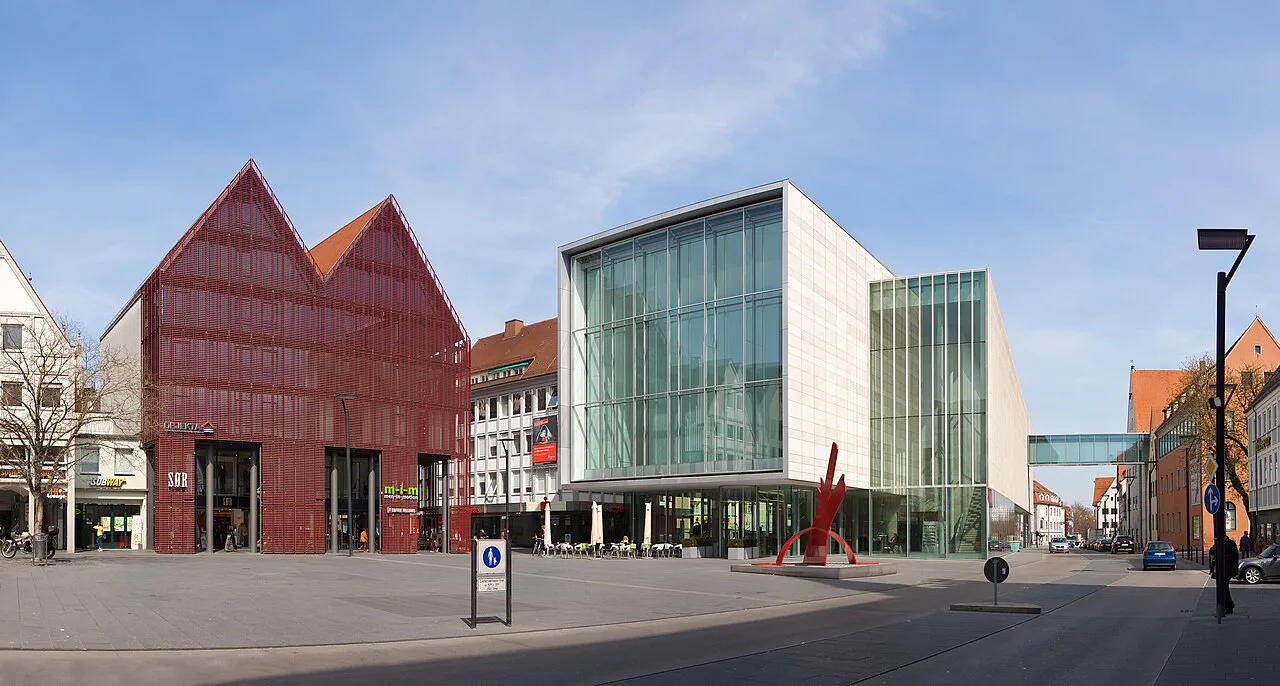
Museum Brot und Kunst is the specialist choice. Wanderlog describes it as a privately run museum across three floors, dedicated to the art, history and craft of bread making, baking and milling, with interactive displays and audio guides in English, French or German, plus separate guides for children. Expedia adds that it displays more than 16,000 objects and artworks illustrating bread's importance to culture and civilisation. If a single-subject museum appeals, this is the one.
Museum Ulm, by contrast, covers regional history and archaeology. Expedia notes an archaeological collection from primeval to early history in the region. Kunsthalle Weishaupt is the modern and contemporary art option and appears among the city's listed attractions. Your choice should come down to which subject you would genuinely talk about afterwards.
Whichever you choose, verify opening days and admission terms directly with that museum before building your afternoon around it. Museum schedules commonly vary by weekday, and some close on particular days. Because those details change, the operator's own page is the only reliable place to confirm them.
Day 2 Add-On: Ulmer Rathaus and the Old-Town Lanes
If your museum afternoon finishes with daylight left, walk back into the old town for the Ulmer Rathaus. Expedia's guide highlights its early Renaissance architecture and notes the replica of Albrecht Ludwig Berblinger's flying apparatus on the staircase; Berblinger is remembered locally as the Tailor of Ulm. The building sits close enough to Münsterplatz to slot into an evening wander.
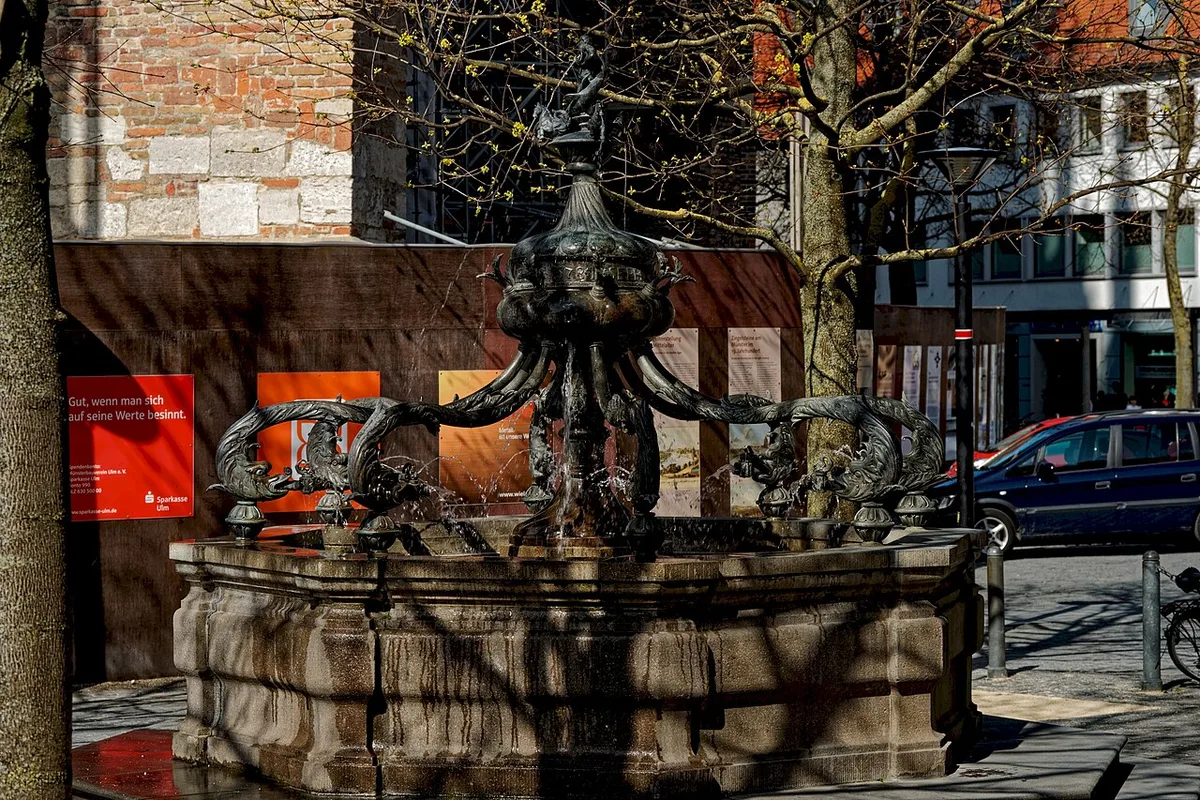
From there, the surrounding lanes reward unstructured walking rather than a checklist. Ulm is the birthplace of Albert Einstein, and Wanderlog notes that monuments and exhibits to him appear across the city, while Expedia recommends a photo at the Einstein Fountain. The Einstein connection is a good excuse to wander rather than march.
Day 3 Option A: Wiblingen Abbey as a Half-Day Excursion
Wiblingen Abbey is the strongest single excursion for a third day, but it is a separate trip outside the core old town and should not be treated as a walk from Münsterplatz. Wanderlog lists it among the day-three stops, and Expedia's FAQ names the abbey among the landmarks worth building a two- or three-day plan around. Treat it as a half day with travel on either side.
The abbey carries the same free-ground versus ticketed-interior distinction as the Minster. It is a historic complex rather than a single room, and whether you pay depends on which parts you enter. Confirm current access and any admission terms with the operator rather than assuming a single entry covers the whole complex.
If you want alternatives beyond the abbey, Ulm sits within reach of several worthwhile rail destinations, including Blaubeuren with its karst spring and the wider Swabian countryside. Weigh those if you have already seen several monasteries on your trip. The dedicated guide to day trips from Ulm compares options that start from the city.
Day 3 Option B: Staying Local with Gardens and Slow Wandering
The alternative is to stay in the city and let the day run slower. Wanderlog describes the Botanical Garden of the University of Ulm as an expansive arboretum with themed gardens, sprawling greenhouses and tropical flora across 26 hectares. Expedia singles out tropical plants, a herbal garden and lily show gardens. It sits away from the historic centre, so treat it as a destination rather than a stroll-past.
If you are travelling with children, Tiergarten Ulm is the local zoo and aquarium option. Wanderlog notes animals including bears, wallabies, snakes, turtles and tropical birds, and a history dating back to 1935, with a reopening in 1966 after a wartime closure. Families may find this day the most memorable of the three, so matching the third day to your group matters, and our guide to visiting Ulm with kids covers family-friendly options.
For a quieter finish, Wilhelmsburg fortress sits on the edge of the city. Wanderlog notes it is an 1840s stone fortress with surrounding nature and hiking, and suggests the fortress itself may offer less visually unless you explore its museum. Check what is currently open before committing a half day to it; the parks remain an easy fallback.
Deciding Between the Two Day 3 Shapes
The abbey and the slow local day ask different things of you. The excursion demands more planning, more travel and a willingness to be somewhere quieter and more spread out. The local day demands almost nothing except your own pace.
Weather is the simplest tiebreaker. If the forecast is poor, the abbey's interiors and the city's museums are the safer bet; if it is bright, the botanical garden and the riverbank paths are more enjoyable. Energy is the second tiebreaker, and honesty matters more than ambition here.
Interest is the third. If you have already visited several baroque monasteries on your trip, another one may blur together and the slow day will serve you better. If you have not, Wiblingen is the more distinctive memory.
Where Three Days Fit Around Eating
Rather than chasing named restaurants, choose areas that fit each day's geography. The canal-side streets of the Fishermen's Quarter put you among half-timbered buildings and terraces overlooking the water, which suits a day-one dinner. Münsterplatz and the surrounding lanes serve the same purpose on a museum day.
Expedia notes that the city's food culture runs from traditional German dishes such as Bratwurst, Schnitzel and Spätzle through Italian, Mediterranean and Asian options, with Turkish and steakhouse choices also present. That range means most tastes will find something within a short walk of the old town.
Because venues open, close and change hands, check current hours yourself rather than trusting any single listing. A short walk before you commit to a table is rarely wasted. If a place looks closed, the next street almost always has an alternative.
Getting Around and the City-Pass Question
Expedia's guide notes that public transport around Ulm includes bus and tram services, with park-and-ride from the motorway and downtown parking, and names Ulm Central Station and Ulm Ost as key hubs. If you arrive by train, the centre is close enough that you may not need much local transport at all. Wanderlog's day-one grouping covers Minster, Donauwiese, Fischerviertel and the city wall as a walkable sequence.
The UlmCard-style city pass is the question most three-day visitors ask. The honest answer is that it depends on how many ticketed sights you genuinely intend to enter, not on how many attractions the pass lists. Expedia's FAQ mentions a pass covering attractions and public transport, but inclusions and validity change, so verify current terms with the operator before buying.
Do not rely on an old listing or a third-party summary for pass terms. The pass is a tool for a specific pattern of travel, not a default purchase. If your plan is mostly walking, churches and parks, it may not pay off.
Common Mistakes on a First Ulm Itinerary
The first mistake is assuming the Minster and every surrounding sight share one ticket. Free public ground and ticketed interiors are different things at both the Minster and Wiblingen Abbey, so budget your decisions accordingly.
The second is treating Neu-Ulm attractions as if they were in Ulm proper. Wanderlog lists Donaubad and Glacis Park in Neu-Ulm, which changes how you slot them into a day. Plan for the crossing rather than discovering it on the spot.
The third is trying to see three museums in one afternoon. Pick one, give it time, and use the rest of the day for walking. A fourth is overplanning day three instead of leaving it flexible for weather and mood.
Plan Your Visit
Three days in Ulm works when you sequence by geography and accept that the city is compact rather than packed with headline sights. Day one belongs to the Minster, the old-town quarters and the Danube; day two to Friedrichsau and one museum; day three to whichever slower shape suits you. Build in slack and verify the details that change.
Before you travel, confirm opening days and admission terms directly with each museum, the Minster and Wiblingen Abbey, and check the current status of any city pass with its operator. Booking accommodation near the old town removes most transport decisions. If you are comparing this plan with longer stays elsewhere in Germany, similar three-day structures can help you judge how much time to allocate. For wider planning, see 3 Days in Berlin Itinerary: A First-Timer's Guide and 3 days in Munich itinerary, and for a nearby Saxon comparison see 3 Days in Dresden Itinerary: Old Town, Saxon Switzerland, Neustadt.
Frequently Asked Questions
Is three days too long for Ulm?
It is comfortable rather than excessive if you use the third day for an excursion or a slower local morning. A traveller who only wants the headline sights can cover them in a day or two, but three days allows for Wiblingen Abbey, the botanical garden and unhurried time along the Danube.
Should I visit Wiblingen Abbey or stay in the centre on day three?
Choose the abbey if you want a genuine half-day excursion and have not seen many similar historic complexes on your trip. Stay in the centre if the weather is poor, if you are travelling with young children, or if you would rather not add travel to your day. The abbey sits outside the core old town and is not walkable from Münsterplatz.
Do I need a city pass for three days in Ulm?
Only if you plan to enter several ticketed attractions. Much of what makes Ulm enjoyable, including the squares, the riverside and the parks, is free to walk. Check current pass terms with the operator before buying, since inclusions and validity change.
How do I get around Ulm without a car?
The old town is walkable, and public transport covers the wider city with bus and tram services according to travel guide summaries. Ulm Central Station is a useful arrival hub. Verify current routes and ticketing with the local transport operator, since schedules and lines change.
What is the single most important thing to see in Ulm?
Ulm Minster, whose spire is generally cited as the tallest church steeple in the world. It anchors the old town and sits beside Münsterplatz, making it the natural starting point for any first day in the city.


