

Wiesbaden is small enough that a rushed visit feels wrong. The old town, the spa district and the Kurpark sit close together, so three days let you walk instead of sprint between them. That also leaves room for one proper thermal bath afternoon and a full day across the river in Mainz.
Treat the shape below as a suggestion rather than a fixed schedule. The Wiesbaden tourism site frames the city as Hesse's green state capital full of enjoyment and variety, and publishes walking tours and an events calendar for trip planning; that page is where you check hours and seasonal events.
Why Three Days Suits Wiesbaden
Wiesbaden works as a three-day city because its highlights cluster tightly, and because the best-known experience here, the thermal water, is not something you tick off in twenty minutes. One visitor account describes covering most of the major attractions on foot within a few hours, which is roughly what a single day allows. That pace leaves no space for bathing or for the Neroberg.
The city tourism board frames Wiesbaden as Hesse's green state capital full of enjoyment and variety, and publishes walking tours, events and trip-planning tools on its own site. Use that calendar and tour listing as your live source for what is actually running during your dates. It is also where you check whether any temporary exhibition or seasonal event changes the plan.
At a Glance: The Three-Day Shape
Day one stays in the centre: Marktkirche and Schlossplatz in the morning, the Kurhaus and Kurpark in the afternoon, dinner and possibly a theatre performance in the evening. Day two is the water day, built around a thermal bath block with the Neroberg or Biebrich Palace as the other half. Day three goes to Mainz, or stays local if you would rather not travel at all.
Two structural choices decide how the trip feels. First, the Neroberg and Biebrich Palace sit at opposite ends of the city, so on a short trip they are an either-or rather than a both. Second, the thermal bath is a half-day block with buffer, not a stop wedged between two sights.
If you are weighing a shorter version of this trip, a 2 days in Wiesbaden itinerary covers the centre and one outlying sight but cannot absorb both a bath afternoon and a Mainz day. Three days is where the city stops feeling like a stopover. Compare the two before you book accommodation, since the longer version benefits from a central base.
Day 1 Morning: Marktkirche, Schlossplatz and the Roman Gate
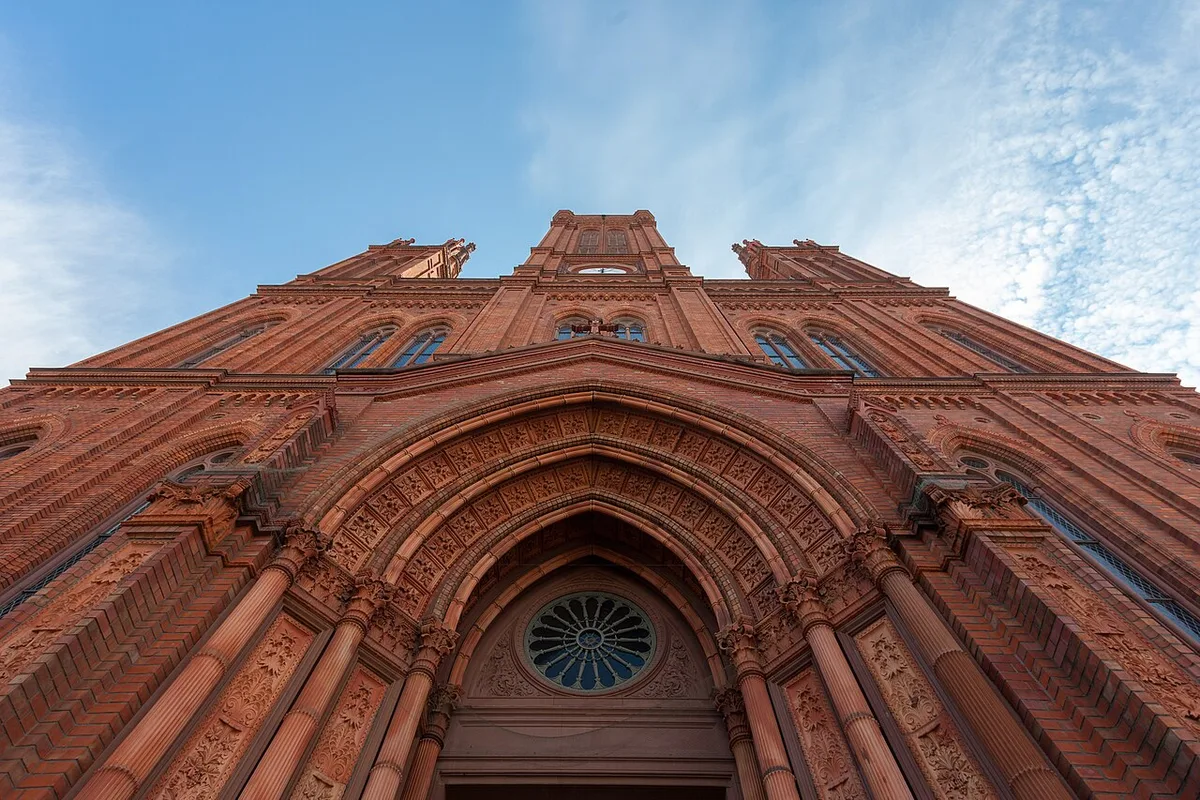
Start at the Marktkirche, the red brick church on Schlossplatz, whose central tower is described as almost 100 metres high and whose construction ran from 1853 to 1862. The square around it is the natural first photo stop and the easiest orientation point in the old town. From there the pedestrian mall carries you toward the rest of the centre without any need for transport.
Walk the Heidenmauer and the wooden Römertor next. The wall is described as the oldest structure in Wiesbaden, once thought to be part of a defensive system and now believed to have formed part of a Roman aqueduct, with the gate added in the early twentieth century. Be realistic about the visit: it is a look-and-photograph stop rather than a site you tour inside, and one account notes no explanatory plaque on the wall itself.
Lunch near the mall is straightforward, and one inexpensive local option sits right by the Roman gate at Am Römertor 3, where currywurst draws a lunchtime crowd. If you want more table-service choices, stay on the pedestrian streets rather than walking back toward the station. Either way, keep the meal short so the afternoon park time is not compressed.
Day 1 Afternoon: Kurhaus and the Kurpark
The Kurhaus anchors the spa end of the centre. Built in 1907 in a neo-classical design, it was Wiesbaden's main spa building and today hosts events while also housing a casino and a restaurant. The landscaped forecourt with its fountains is the reason to linger here even if you never step inside.
Behind it, the Kurpark is the real reward of a slow itinerary: a large public park with mature trees and open lawns, free to enter and walk at any pace you like. Its centrepiece is the Kurpark Weiher, the lake with a fountain spraying in the middle. Boat rental appears to operate on the lake in summer, but boats are taken out of the water at the end of autumn, so treat a row as a seasonal possibility to confirm on site rather than a guaranteed activity.
Keep the distinction clear in your head: the park grounds and the Kurhaus exterior cost nothing to enjoy, while anything ticketed, such as an event inside the building, is a separate arrangement. Do not assume one admission covers a building, its exhibitions and a performance. Check each venue's own page for what a ticket actually includes.
Day 1 Evening: Dinner and the Hessische Staatstheater
The Hessische Staatstheater is the strongest way to close the first day. The building dates to the late nineteenth century and was modelled on theatres in Prague and Zurich, and it stages opera, plays, concerts and musicals across several stages. Because the programme rotates, the only reliable move is to read the venue's own performance schedule for your dates and book around whatever is playing.
Eat before the curtain rather than after, since a late finish makes a post-show dinner impractical in a city this compact. If nothing appeals on stage that evening, swap the theatre for an early evening walk through the illuminated spa district instead. Either way, keep the night short so day two's bath block starts fresh.
Day 2: Neroberg or Biebrich Palace, Not Both
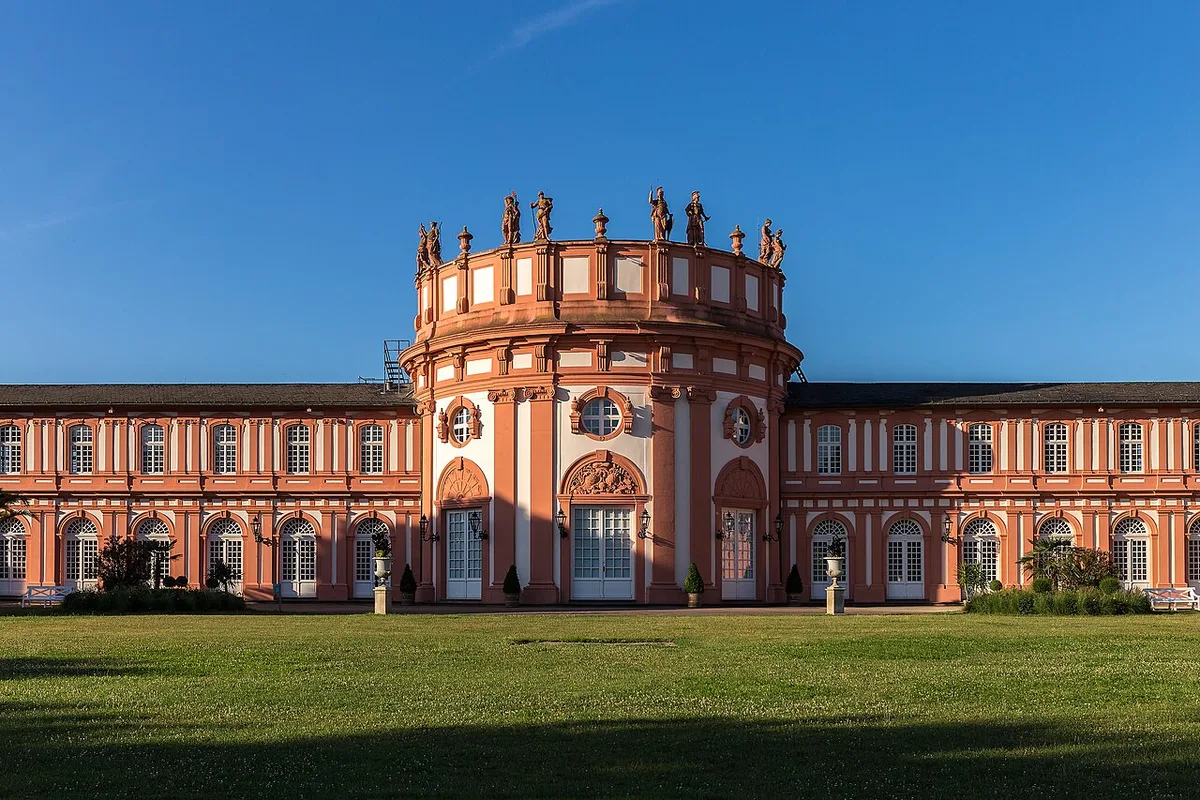
This is the clearest trade-off of the trip. The Neroberg sits at the north end of the city, reached by the Nerobergbahn funicular, a 440-metre water-ballast railway opened in 1888 that takes roughly three and a half minutes. Biebrich Palace sits at the far southern edge, a baroque residence built in 1702 with a very large park leading down to the river.
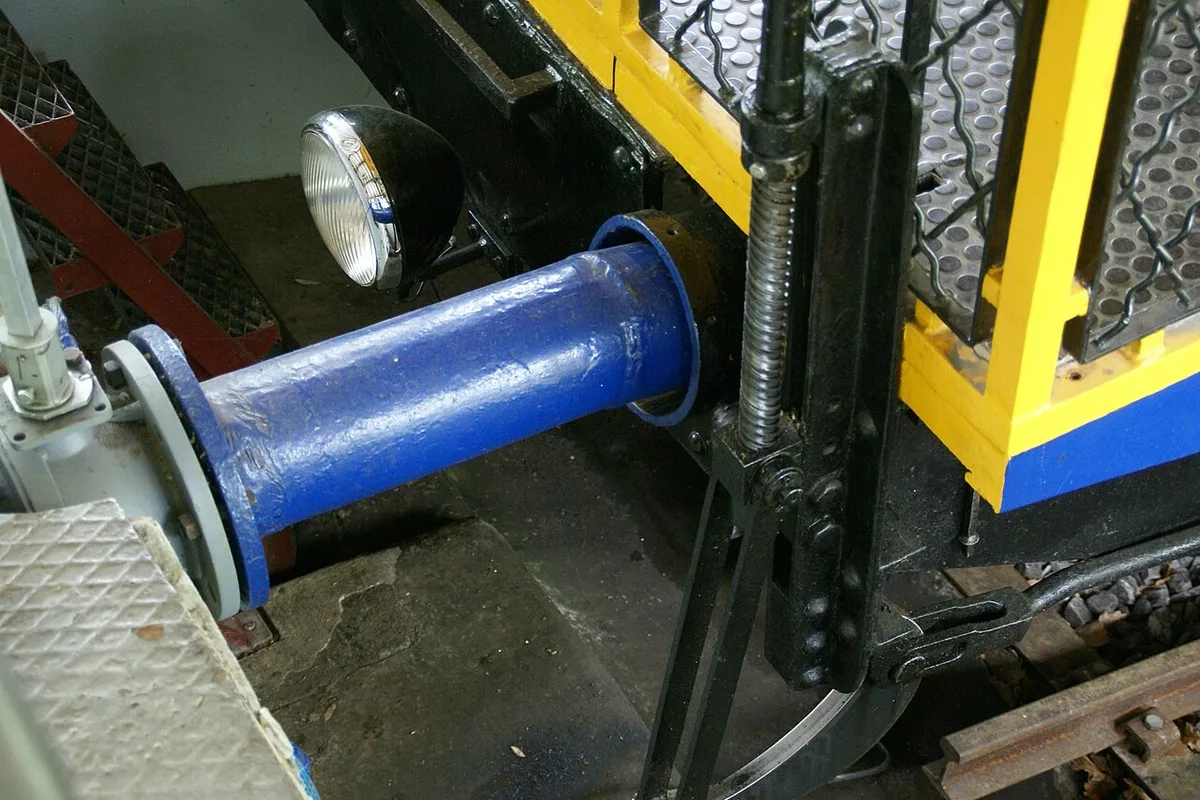
Choose the Neroberg if you want the view: the hilltop stands at 245 metres, has a small park laid out in 1851 with a classical Monopteros temple, and on clear days reaches as far as Mainz. Choose Biebrich if you want a long, flat park walk with the palace as a backdrop, plus the Mosburg, a small romantic-style folly you can walk around but not enter. One couple who visited Biebrich noted that they had to pick between the two because they sat at opposite ends of the city and they had a train to catch.
The Neroberg also holds St. Elizabeth Church, the only Russian Orthodox church in Wiesbaden and known for its golden domes, which pairs naturally with the funicular if you take that option. Both the Neroberg and the Nerobergbahn are described in the visitor source on the strength of other travellers' accounts rather than a first-hand ride, so treat the details as reported rather than tested. Confirm current operating times and any closures with the operator before you build the day around them.
Day 2 Thermal Afternoon: Building Around the Kaiser-Friedrich Therme
The thermal bath is the reason to give day two its own shape. The Kaiser-Friedrich Therme is described as a classically decorated spa offering the highest level of luxury bathing in the city, located at Langgasse 38-40, and the same source states plainly that its authors did not go inside during their day trip. Plan it as a half-day block with a buffer on either side rather than a slot between two sights.
Before you go, check the bath's own website for current entry terms, what is included, whether towels and robes are provided, and any time limits on sessions. Bring your own swimwear, since a spa visit without it will not happen. If you want the slower version of the day, take the bath first and leave the Neroberg or Biebrich for the late afternoon light.
Day 2 Alternative: The Kochbrunnen and the Drinking Rule
If a full spa session is not for you, the Kochbrunnen delivers the thermal experience outdoors and free. The spring was first recorded in the fourteenth century, and visitors describe the water as visibly warm and steaming on a cold day, with only a mild sulphur smell compared with other German spa towns. A small fountain beside it lets you taste the mineral water directly.
Follow the guidance posted at the fountain rather than guessing at quantities. As reported from the sign beside the spring, no more than 400 millilitres a day is recommended, and the taste takes getting used to. This is a five-minute stop, so pair it with the Bergkirche up the hill behind the spring if you have time to spare.
Day 3: Mainz as a Full Day
Mainz deserves its own day rather than a half-day squeezed around Wiesbaden. The city presents itself as the capital of Rhineland-Palatinate with the Mainzer Dom as its signature sight, wine taverns through the old town lanes, and a year-round events calendar. Build the day around the cathedral and the old town, then let the wine culture set the pace of the afternoon.
Mainz tourism also promotes the mainzcardplus, a discount card available with or without a public transport ticket that includes free entry to Mainz museums plus a city tour among its benefits. Read the current terms on the tourism site before buying, and do not treat the card as a reservation for a specific tour departure. Public guided tours and experiences are listed and bookable through the same tourism site.
The Mainz tourist information office sits at Markt 17 by the cathedral square, with published opening days and hours on the tourism homepage if you need maps, tickets or advice in person. Check those hours on the site before travelling, because Sunday and holiday closures apply. If you would rather keep the day simpler, treat the Wiesbaden to Mainz Rhine excursion plan as a template and trim it to what you actually want to see.
Day 3 Alternative: A Slower Wiesbaden Day
Staying put is a legitimate third day. Wiesbaden has a dense supply of churches beyond the Marktkirche, including the Bergkirche on the hill behind the thermal spring and the Gothic-style Bonifatiuskirche off the pedestrian mall. Pair two of them with a long, unhurried return to the Kurpark and you have a day that costs nothing in admissions.
If you skipped the Neroberg on day two, this is the day to take the funicular up and see St. Elizabeth Church with its golden domes, which one account names as its first stop on a return visit. Otherwise spend the morning on the pedestrian mall and the afternoon over coffee in the spa district. The point of the slow version is to stop measuring the day in sights.
Getting Around Wiesbaden and Where to Base Yourself
Wiesbaden's central sights are walkable, which is how one visiting couple covered most of the main attractions within a few hours. Local buses run frequently in several directions when you do not want to walk, and they are the sensible fallback for the pull out to Biebrich. Note that a train ride from Wiesbaden central station to Wiesbaden Biebrich was reported by those visitors as a single stop of no more than five minutes on their own ticket, so check current connections and your ticket's validity rather than assuming it.
On accommodation, set expectations: Wiesbaden is not a backpacker hub and has limited budget stock, with one source noting it could not find hostels when searching. Staying in the city centre is the practical choice given how close the attractions sit, and one hotel is described as standing right behind the thermal fountain area near the shops and restaurants. Book early in your planning window and confirm the exact address against a map before committing.
For a wider look at how this city fits into a German trip, compare the shape of a 3 days in Berlin itinerary or a 3 Days in Dresden itinerary, both of which spread a city across three days with a day trip attached. Wiesbaden's version is simply quieter and more compact. If you are stringing several cities together, keep Wiesbaden as the slow segment rather than the rushed one.
Free Grounds, Paid Interiors: What Costs What
Separate the city into two categories before you budget. Free public space includes the Kurpark and the park grounds at Biebrich, the Heidenmauer and Römertor, the Marktkirche square, the Kochbrunnen fountain and the pedestrian mall. Paid or ticketed items include the Kaiser-Friedrich Therme, the Nerobergbahn, theatre performances and any museum or palace interior.
Never assume a complex shares one ticket. A palace exterior and its grounds are not the same product as an interior tour, and a theatre's foyer is not a performance. The visitor source does not publish current admission figures for the thermal baths, the funicular or the theatre, so check each operator's own page for the exact price and what it covers on your dates.
Plan Your Visit
A three-day Wiesbaden trip works best when you resist the urge to fill it. Keep the first day in the centre, give the second to water and either the hill or the river park, and spend the third in Mainz or simply staying put. The itinerary is a frame, not a timetable.
Before you travel, confirm the volatile details directly: bath terms and any session limits with the Therme, funicular operating times with the operator, theatre dates on the venue schedule, and the Mainz card conditions on the tourism site. Everything else here is walking distance and free. Berlin's compact-but-different rhythm in the 3 days in Berlin itinerary, or the older-city layout in the 3 Days in Dresden itinerary, may suit other legs of the same trip.
Frequently Asked Questions
Is three days enough time in Wiesbaden?
Yes, comfortably, and three days is arguably the ideal length. The central sights sit within walking distance of each other, so a single day covers the old town and the Kurpark. The extra two days are what let you add a thermal bath afternoon and a full day across the river in Mainz without rushing either.
Is a Mainz day trip worth it from Wiesbaden?
It is worth a full day rather than a half-day add-on. Mainz offers the cathedral, an old town built around wine taverns and a year-round events programme, which is enough to fill the hours on its own. Travel connections between the two cities are frequent, but check current timetables rather than relying on any remembered journey time.
Should the thermal baths take a full afternoon?
Build the day around a half-day block with buffer time rather than squeezing a visit between two sights. Any spa session involves changing, soaking and unwinding, and rushing it defeats the purpose. Check the bath's own site for current entry terms, provided facilities and any limits on session length before you plan the rest of the day.
Should you choose the Neroberg or Biebrich Palace on a short trip?
On three days, pick one. The Neroberg, at the north end of the city, gives you a hilltop view and the ride up by funicular. Biebrich Palace, at the southern edge, gives you a long flat park walk with a baroque residence as a backdrop. They sit at opposite ends of the city, so trying to do both costs most of a day in transit.
Do you need a car to see Wiesbaden's main sights?
No. The old town, the spa district and the Kurpark are walkable from each other, and local buses run frequently as a fallback when you do not want to walk. For outlying places such as Biebrich, local trains and buses exist; check current connections and whether your ticket covers the route you intend to take.
What can you do in Wiesbaden for free?
The Kurpark and the park grounds at Biebrich cost nothing to walk, as do the Heidenmauer and the Roman gate, the Marktkirche square and the pedestrian mall. The Kochbrunnen thermal spring is also free to look at and to taste, subject to the drinking guidance posted at the fountain. Paid items such as the thermal baths, the funicular and theatre performances are separate.


