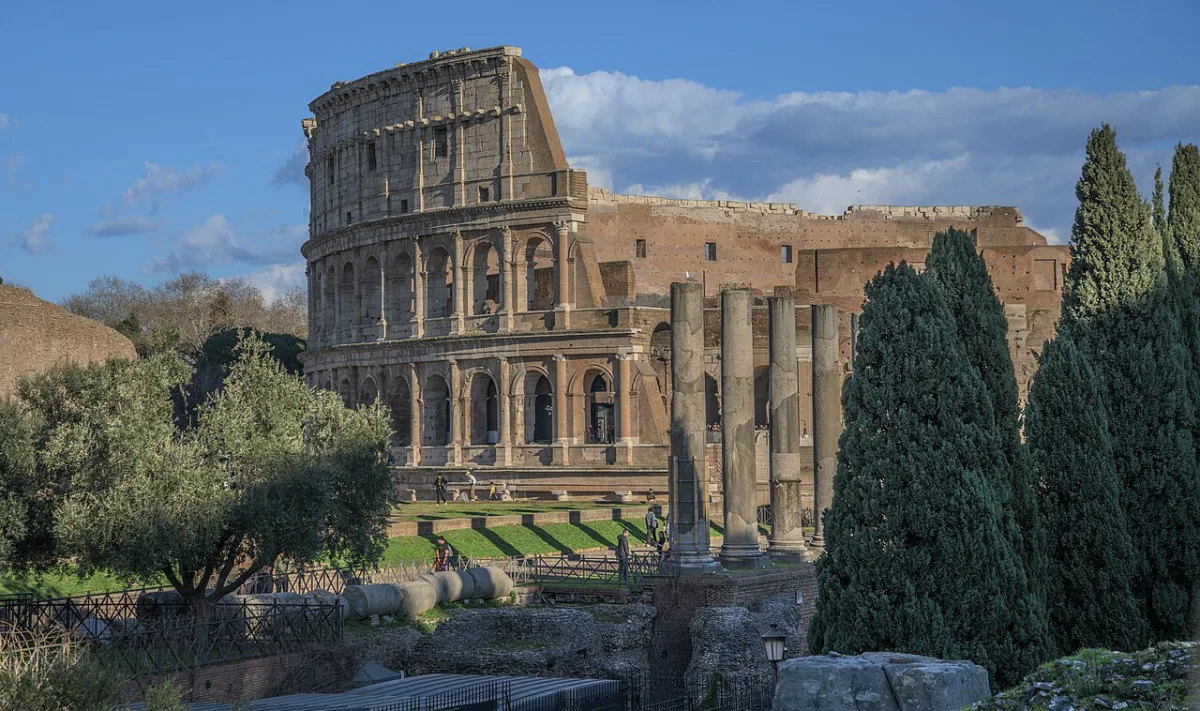
Colosseum
Standard entry costs €18 in 2026, gates open as early as 08:30, and most visitors need 1 to 2.5 hours. The guide gives a straight verdict on whether the arena matches the hype — and what to do when tickets sell out.
Visitor guide →Visitor guides to 14 Rome landmarks — verified 2026 ticket prices, opening hours, sold-out workarounds and worth-it verdicts, from the Colosseum and Vatican to the Appian Way.
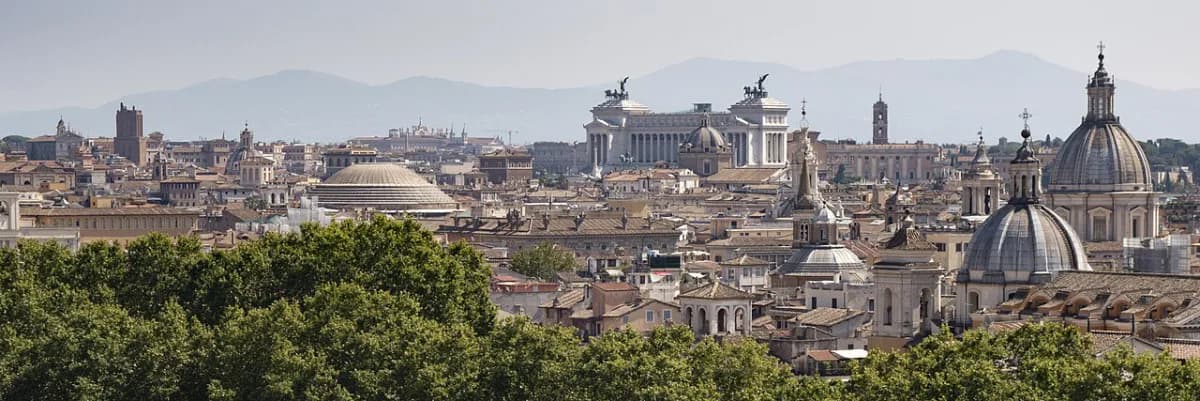
Rome layers 2,000 years of landmarks so densely that the Pantheon, Trevi Fountain, Piazza Navona and the Spanish Steps all sit within a twenty-minute walk of each other — and the Colosseum, Roman Forum and Capitoline Hill form a second cluster just to the south. Across the Tiber, Vatican City packs the largest single-museum art collection on earth and a free-to-enter basilica into one compound, with Castel Sant'Angelo guarding the river between them.
The hard part of visiting in 2026 isn't finding the landmarks — it's keeping up with the ticketing rules, several of which changed this year. The Pantheon's entry fee rose from €5 to €7 on July 1, the same day Castel Sant'Angelo went from €16 to €18. The Trevi Fountain has charged €2 for its inner basin since February, though viewing from the piazza is still free. The Borghese Gallery sells no walk-up tickets at all — entry is by five fixed two-hour slots, booked ahead with a mandatory €2 fee — while the Vatican Museums close every Sunday except the last of the month, when they're free and mobbed. Each guide below verifies the current ticket price, the real opening hours, how long to plan, and — where it matters — an honest verdict on whether the ticket is worth it or whether a free vantage point does the job.
Use this page as your index: every card links to a full visitor guide with the details that don't make it into official-site FAQs — sold-out workarounds, the best hour to arrive, and which combined tickets actually save money. Below the landmark guides you'll find our Rome trip-planning pieces for itineraries, pass math and day trips.
Standard entry costs €18 in 2026, gates open as early as 08:30, and most visitors need 1 to 2.5 hours. The guide gives a straight verdict on whether the arena matches the hype — and what to do when tickets sell out.
Visitor guide →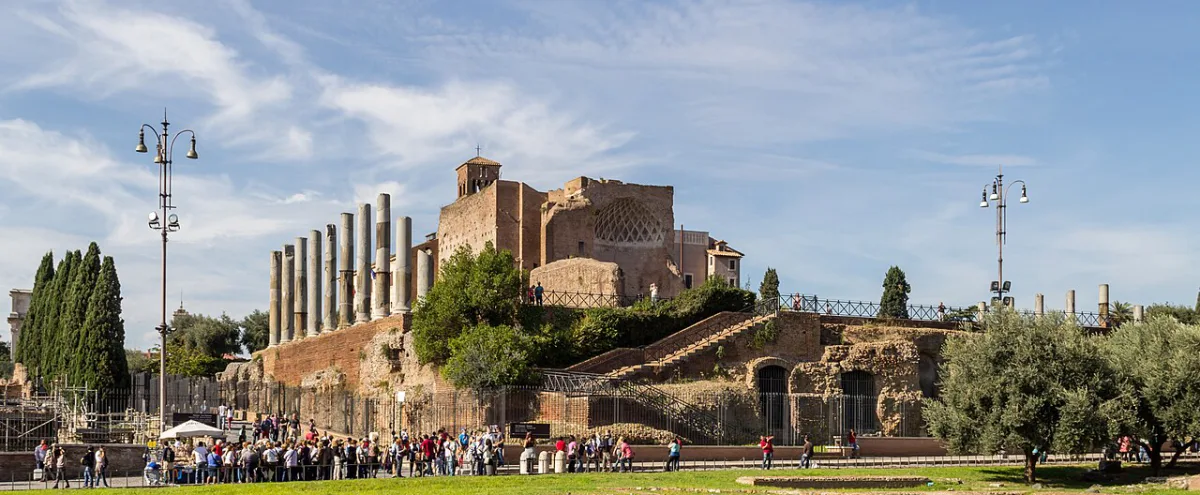
One €18 ticket covers the Colosseum, the Forum and Palatine Hill together — there's no separate admission for the ruins. The guide maps seasonal hours, last-entry times and the quietest route through the site.
Visitor guide →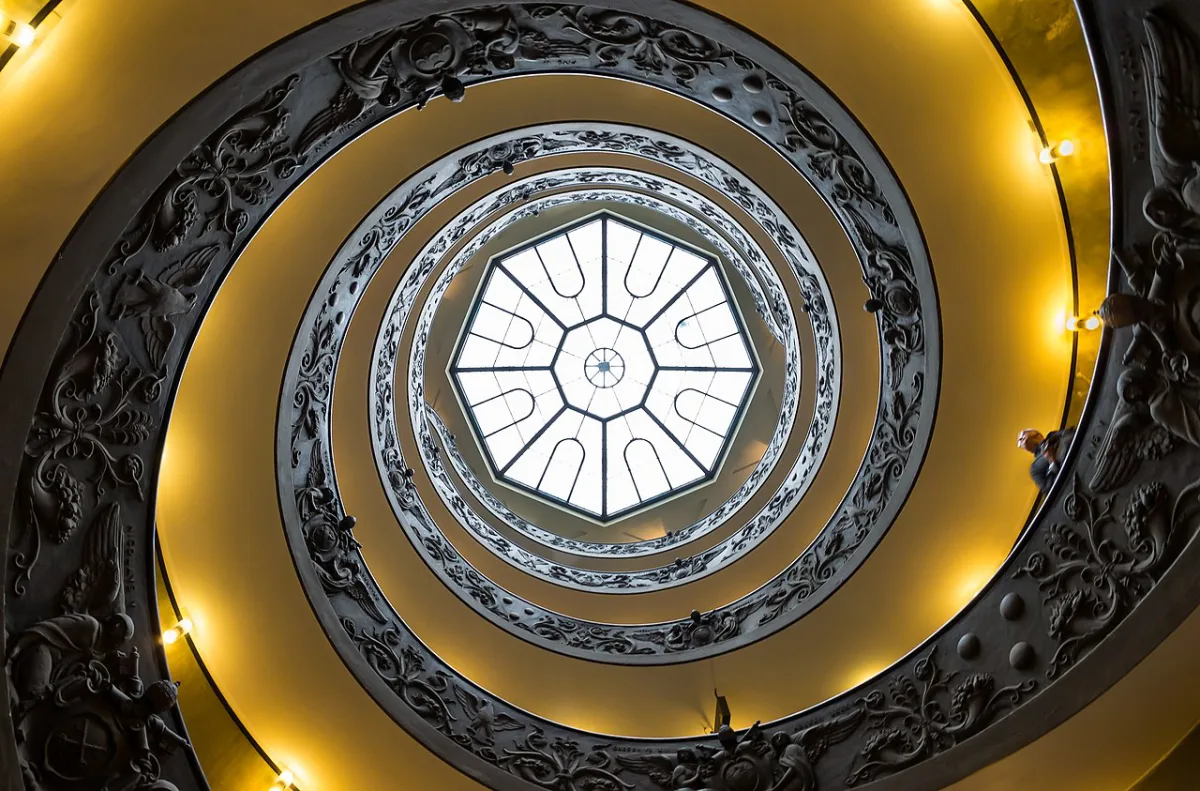
€20 at the door or €25 for a pre-booked skip-the-line slot, open Monday–Saturday 8am–8pm — closed Sundays except the last of the month, when entry is free. Roughly 6 million visitors a year funnel toward one room: the Sistine Chapel.
Visitor guide →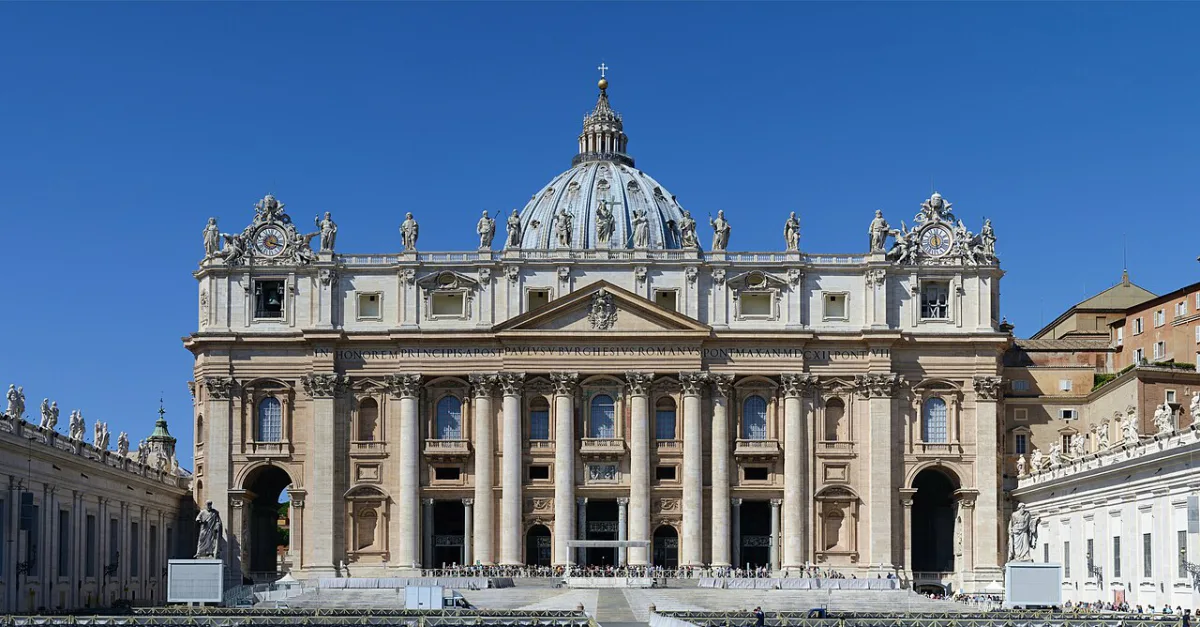
The basilica itself is free — no ticket, open daily roughly 7am–8pm — but the dome climb runs about €17–22 booked online and sells out days ahead in high season. The guide covers what to do when it's gone.
Visitor guide →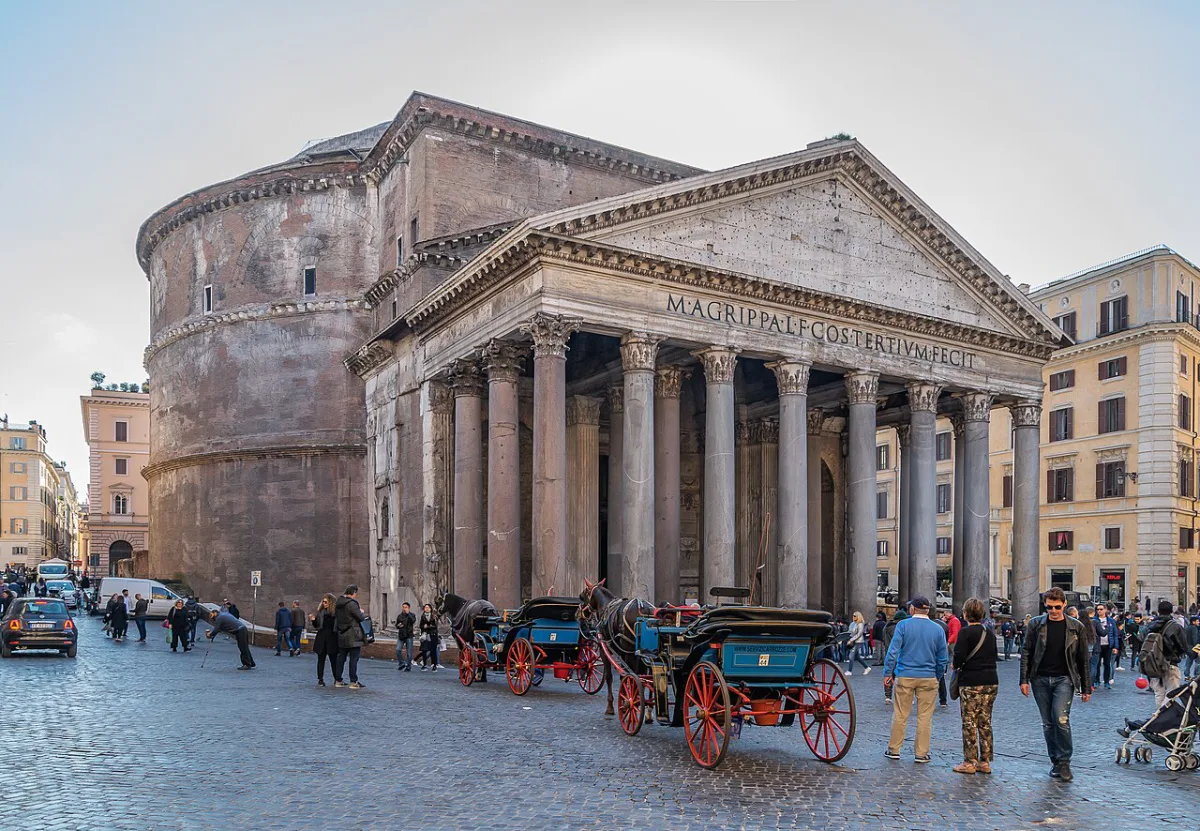
Entry rose from €5 to €7 on July 1, 2026 under a new agreement between Italy's Ministry of Culture and the Diocese of Rome. Open daily 9am–7pm, last entry 6:30pm — the guide covers the best hour to walk in without a queue.
Visitor guide →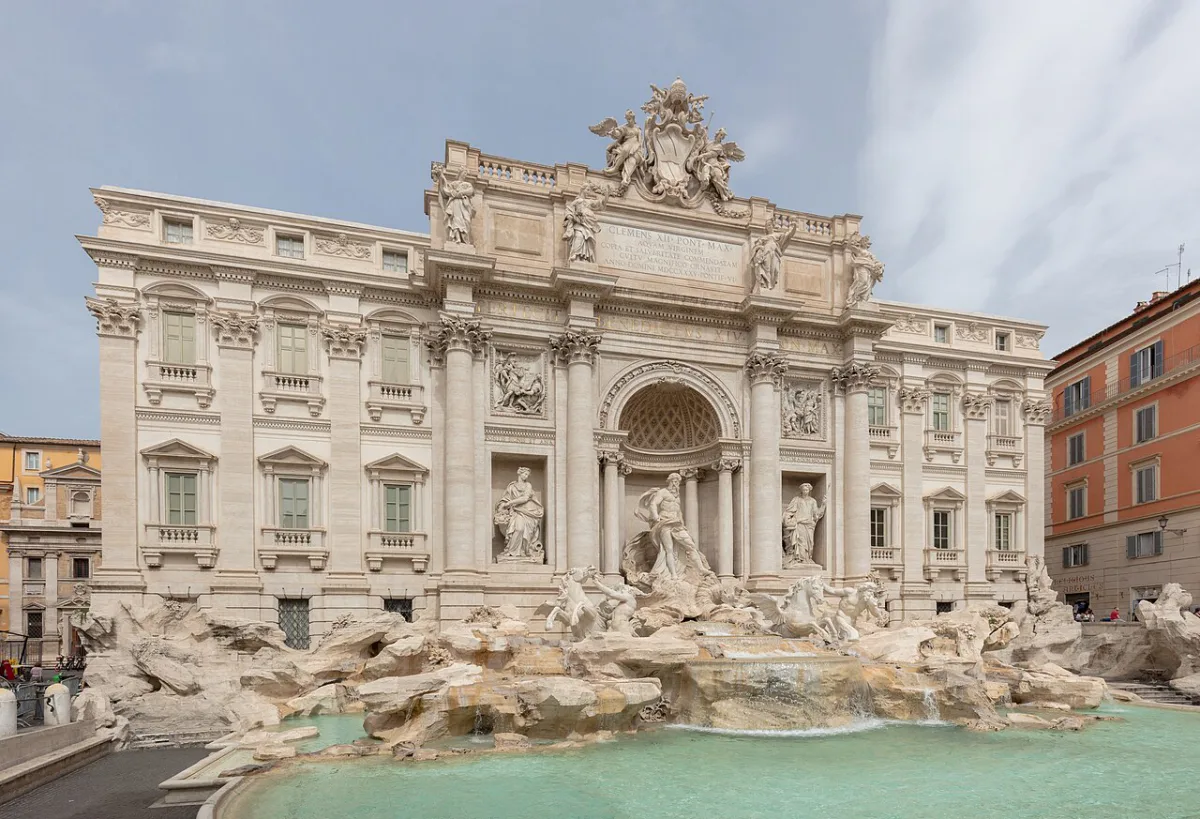
Since February 2, 2026 the barrier-close inner basin takes a €2 ticket, valid daily 9am–10pm (from 11:30am Mondays and Fridays) — but viewing and photographing the fountain from the piazza is still completely free.
Visitor guide →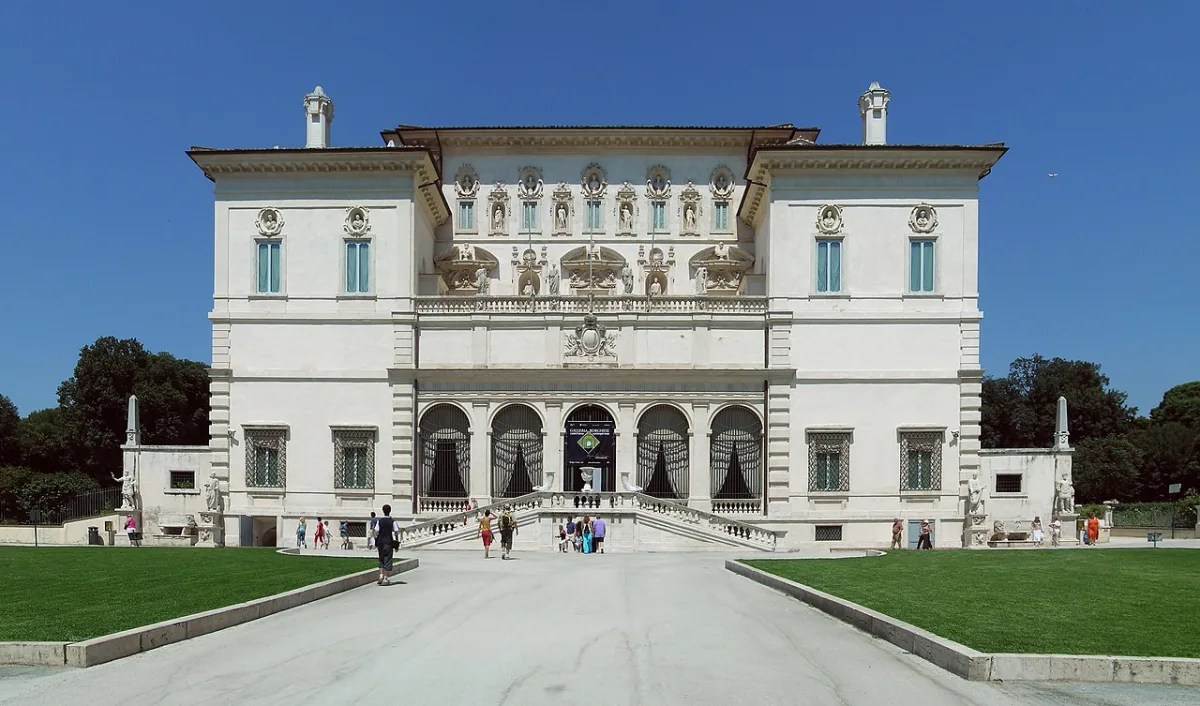
€18 total — €16 plus a mandatory €2 booking fee — with no walk-up tickets sold at the door. Entry runs in five fixed two-hour slots, Tuesday–Sunday 9am–7pm, so the guide focuses on how far ahead you really need to book.
Visitor guide →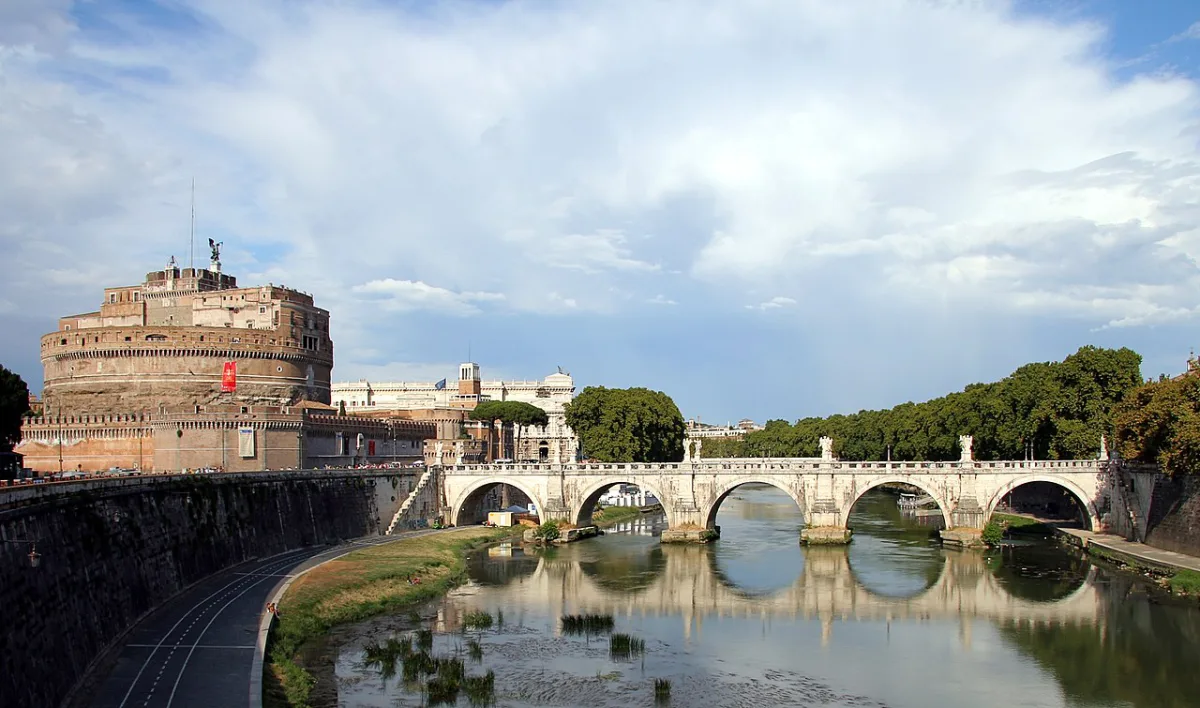
Full-price admission rose to €18 on July 1, 2026 (EU citizens 18–25 pay €2, under-18s free). Hadrian's riverside mausoleum is open Tuesday–Sunday 9am–7:30pm, last admission 6:30pm — the guide covers the queue-skip options.
Visitor guide →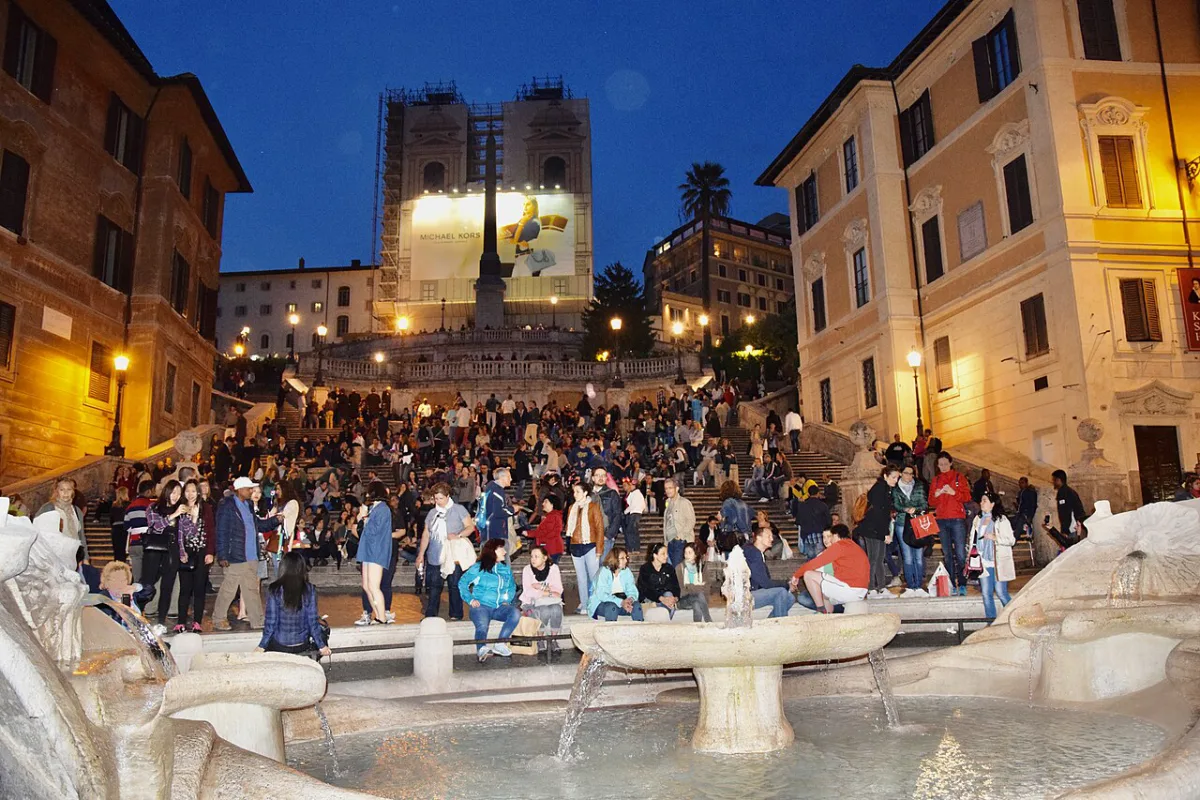
Free and open 24 hours a day — no ticket, no booking. The catch is the no-sitting rule enforced with fines, so the guide covers where you can actually linger and the quietest hours on Piazza di Spagna.
Visitor guide →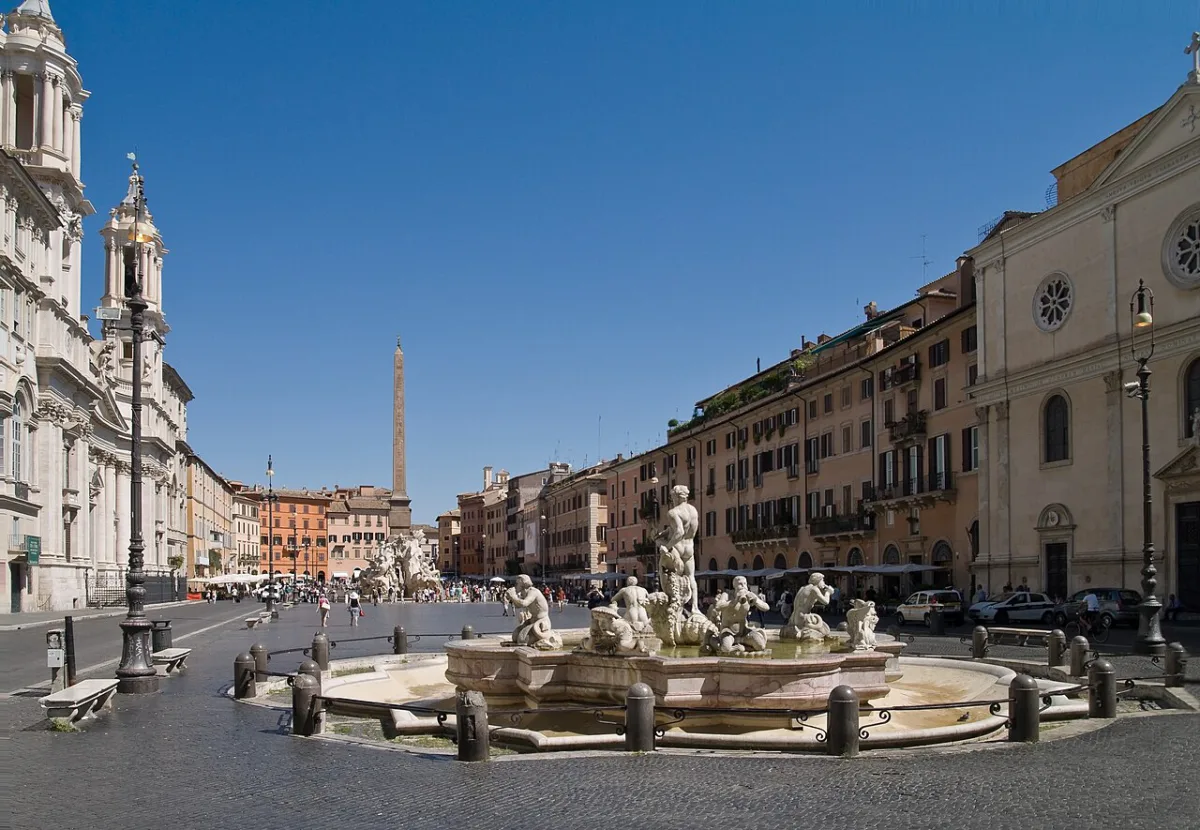
The square is free and open around the clock — the "tickets" people search for belong to the Stadium of Domitian ruins beneath it, normally €9 but closed for restoration as of mid-2026. Check its status before building a visit around it.
Visitor guide →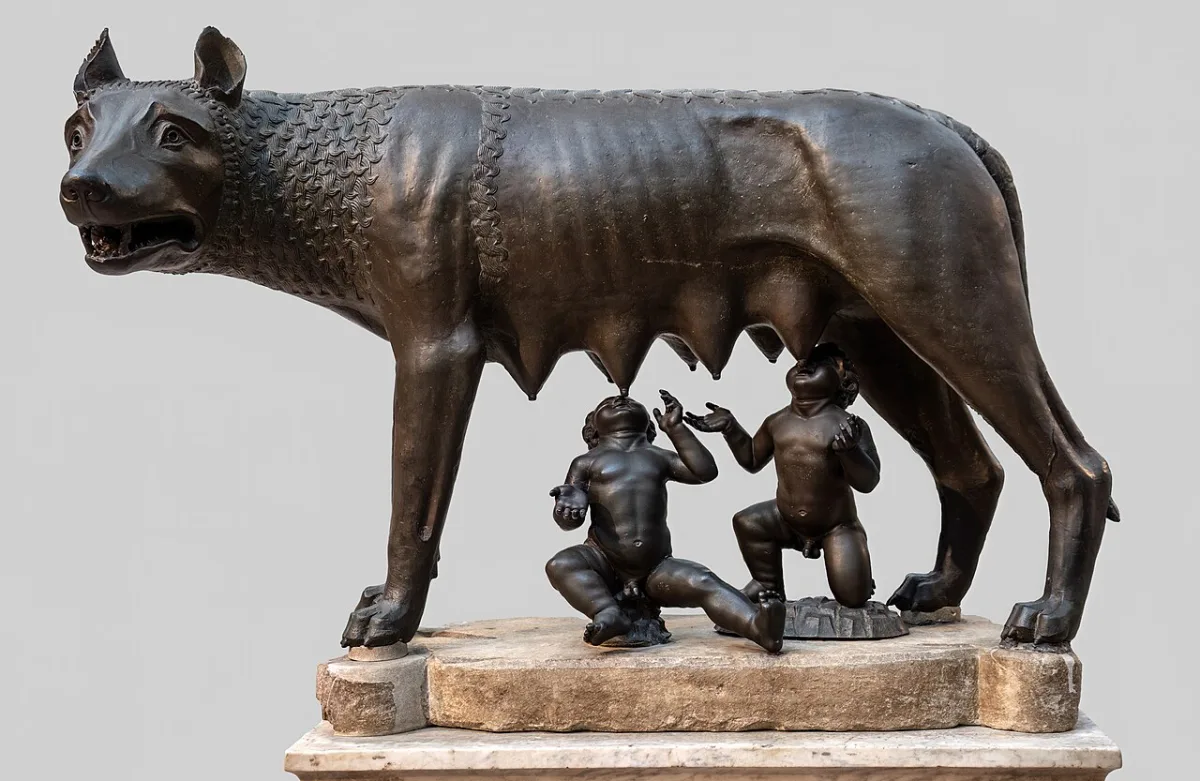
Rome's oldest public museum charges €15 in 2026 — €20.50 while the temporary exhibition runs through July 19 — and opens daily at 09:30. Plan 1.5–2 hours for the two palaces and the underground gallery overlooking the Forum.
Visitor guide →
€16 at the door (€17 online), closed every Wednesday — and every ticket includes an audio guide narrated in the first person by Prince Jonathan Doria Pamphilj, whose family has owned the palace and its Caravaggios since the 17th century.
Visitor guide →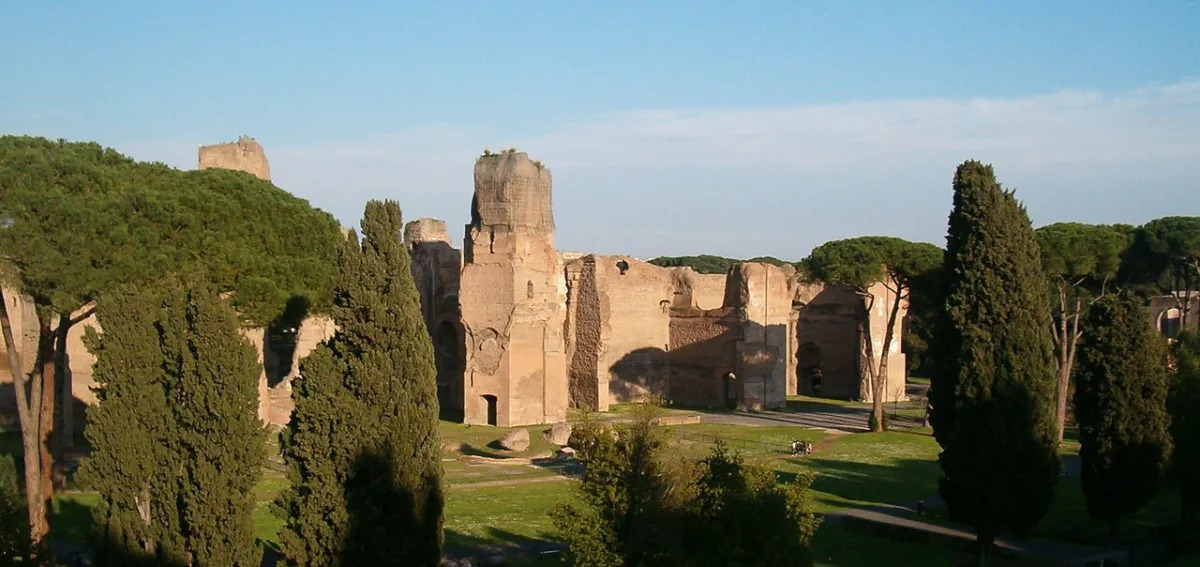
One of ancient Rome's best-value tickets at €8 (€2 for EU citizens 18–24, free under 18), opening at 09:00 every day except Monday with closing times that slide from 16:30 in deep winter to 19:15 in high summer.
Visitor guide →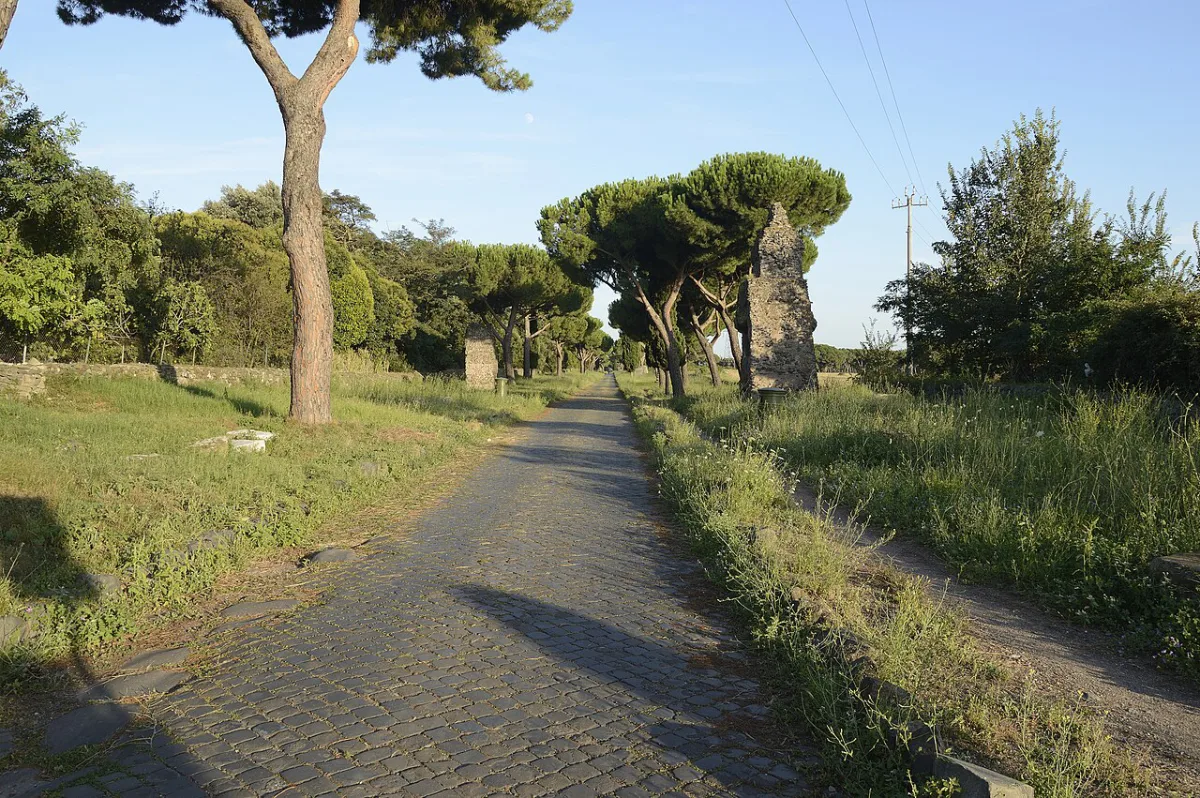
Walking the ancient road costs nothing; the Catacombs of San Callisto below it charge €10 (€7 for ages 7–16 and students under 25), with guided visits 9:00–12:00 and 14:00–17:00 daily except Wednesdays.
Visitor guide →The landmark guides above cover tickets, hours and worth-it calls sight by sight — these companion guides handle the trip-level decisions. Start with the 2 days in Rome itinerary for a day-by-day route that sequences the big tickets around their opening windows, and run the numbers with is the Rome Pass worth it before buying any city pass. Budget travelers should pair the free landmarks on this page with our free things to do in Rome round-up, and families will want Rome with kids for which sites hold a child's attention and which to skip. When the ticket queues wear thin, hidden gems in Rome covers the quieter corners locals actually use, and day trips from Rome gets you to Ostia Antica, Tivoli and the Castelli Romani by train or bus.
Keep exploring