
Rome rewards patient walkers with world-class sights that cost absolutely nothing to see. This guide rounds up the best free things to do in Rome, checked against current 2026 opening rules and fees. Free does not mean forgettable here, from Baroque fountains to hilltop terraces over the rooftops.
The Trevi Fountain stays free to view any hour, though a two-euro fee now covers the lower basin from 9 AM to 9 PM. Prices and hours across the city shift often, so this list reflects verified 2026 details. Expect updated notes on museum-free days and seasonal changes throughout the sections below.
Families, solo travelers, and repeat visitors will all find something worth the detour on this list. A few of these spots also anchor a full day from our Rome with kids guide. Pair any of these free stops with a paid ticket day for a balanced budget.
10 Free Things to Do in Rome Right Now
The picks below mix iconic landmarks, quiet viewpoints, and free museums so no single day repeats itself. Each entry lists the closest metro or bus stop, so simple planning replaces guesswork. Distances between several stops are short enough to string together two or three in one morning.
Costs stay at zero for entry unless a listing notes an optional paid extra. Hours shift by season, and a few sites close on public holidays without much notice. Check each site's listed hours before building a tight schedule around them.
Comfortable shoes matter more than any single attraction on this list. Rome's free sights sit across several neighborhoods, so a rough route saves walking time. The order below runs roughly center-out, from the fountains near Trevi to the hills beyond the river.
| Attraction | Nearest Metro | Cost | Time |
|---|---|---|---|
| Trevi Fountain | Barberini | Free or €2 | 20–30 min |
| Spanish Steps | Spagna | Free | 1 hour |
| Pantheon Piazza | Barberini | Free or €5 | 30 min |
| Saint Peter's Basilica | Ottaviano | Free | 1+ hour |
| Santa Maria Maggiore | Termini | Free | 45 min |
| Roman Forum Perimeter | Colosseo | Free | 30 min |
| Terrazza del Gianicolo | Bus 115 | Free | 45 min |
| Villa Borghese Gardens | Spagna | Free | 1–2 hours |
| Trastevere Streets | Tram 8 | Free | 1–2 hours |
| Campo de' Fiori Market | Various | Free | 1 hour |
- Trevi Fountain, Rome's Free Baroque Icon
- Nicola Salvi's Baroque fountain fills Piazza di Trevi with rushing water and towering marble figures.
- A two-euro fee now covers the lower basin daily from 9 AM to 9 PM.
- Early morning or after 9 PM still offers a completely free, crowd-free view of the water.
- The nearest metro stop is Barberini, followed by a flat ten-minute walk through narrow streets.
- Toss a coin with your right hand over your left shoulder for the classic Roman tradition.
- Spanish Steps and Piazza di Spagna
- This wide travertine staircase links Piazza di Spagna with the church of Trinita dei Monti above.
- Climbing the 135 steps takes only a few minutes, but the people-watching can fill an hour.
- Sitting or eating on the steps is against city rules and can bring a fine.
- The closest metro stop, Spagna, sits right at the base of the staircase.
- Arrive before nine in the morning for photos without a crowd blocking the view.
- Pantheon Piazza and Interior
- Hadrian's rebuilt temple keeps its original dome and a wide oculus open to the sky.
- General admission costs around five euros, though the first Sunday of each month is free.
- Rome residents and EU citizens under eighteen also enter without charge year-round.
- A short walk from Piazza Navona, the entrance sits on Piazza della Rotonda.
- Fees and free days shift occasionally, so check the official booking page before visiting.
- Saint Peter's Basilica and Its Free Interior
- Michelangelo's dome crowns this basilica at the heart of Vatican City, free for every visitor.
- Security screening means shoulders and knees must stay covered before you reach the entrance.
- Budget at least an hour to see the Pieta, the baldachin, and the crypt below.
- The Ottaviano metro stop leaves a ten-minute walk across Saint Peter's Square.
- Go right at opening to beat the tour groups that arrive by mid-morning.
- Basilica di Santa Maria Maggiore
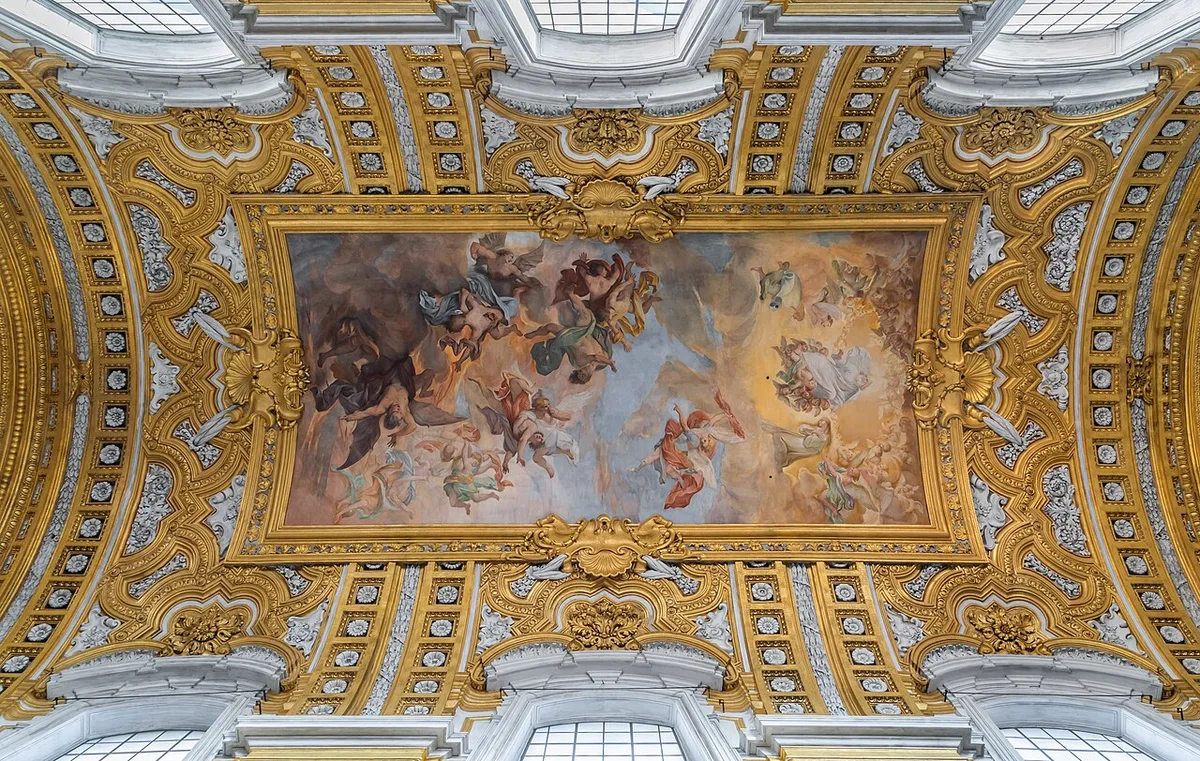
- One of Rome's four papal basilicas holds ceilings reportedly gilded with early American gold.
- Entry is free daily, with no ticket or reservation required for the main nave.
- The building sits on the Esquiline Hill, a quieter district near Termini station.
- Termini station and its metro lines leave a flat five-minute walk to the door.
- Visit midweek mornings for a near-empty nave and better light through the windows.
- Roman Forum Perimeter Walk
- Walking Via dei Fori Imperiali lets you look straight down into the ancient Forum for free.
- Full entry to the Forum and Palatine Hill requires a paid ticket shared with the Colosseum.
- The elevated sidewalk runs between Piazza Venezia and the Colosseum, no ticket needed.
- A slow walk along the full stretch takes roughly twenty to thirty minutes.
- Late afternoon light angles across the ruins and makes for the sharpest photos.
- Terrazza del Gianicolo Hilltop Viewpoint
- This hilltop terrace above Trastevere delivers one of the widest skyline views in Rome.
- A cannon fires here at noon daily, a tradition dating back over a century.
- The climb from Trastevere takes about twenty minutes on foot, longer with the heat.
- Bus 115 also connects the terrace to the Vatican side of the river.
- Come for sunset and stay past dark, when the city lights start to glow.
- Villa Borghese Gardens and Parkland
- Rome's grandest public park spreads across shaded paths, ponds, and open lawns near the center.
- Entry to the gardens themselves is always free, though the Borghese Gallery inside charges admission.
- The Flaminio and Spagna metro stops both sit within a short walk of the entrances.
- Renting a rowboat on the small lake costs a modest fee by the half hour.
- Weekday mornings are the quietest time to find a bench with a skyline view.
- Trastevere's Cobbled Riverside Streets
- Cobbled lanes, ivy-covered facades, and small piazzas define this bohemian district across the river.
- Wandering the streets costs nothing beyond the price of a coffee at a corner bar.
- Tram 8 and several bus lines connect Trastevere to central Rome in minutes.
- Santa Maria in Trastevere, a free church with mosaics, anchors the main square.
- Evenings bring the liveliest atmosphere, though afternoons are easier for quiet photos.
- Campo de' Fiori Morning Market
- Vendors fill this piazza with an open-air produce and flower market every morning except Sunday.
- Browsing the stalls is free, and vendors are used to visitors just looking around.
- The square sits a five-minute walk from Piazza Navona in the historic center.
- The market winds down by early afternoon, so arrive before eleven for full stalls.
- By evening the same piazza turns into an outdoor bar scene instead.
A two-euro fee now covers the lower basin area of the Trevi Fountain daily from 9 AM to 9 PM, but standing at the rim and tossing a coin stays free at any hour.
Sitting or eating on the Spanish Steps is against city rules and can bring a fine, so use them for photos and people-watching rather than a rest spot.
How Much Time Do You Need for Free Sights in Rome?
A single focused day covers the fountains, steps, and one basilica at a comfortable pace. Add a second day for the hilltop terraces and a slower walk through Trastevere. Rushing all ten spots into one day is possible but leaves little room to linger.
Travelers building a longer trip can pair this list with our one-day Rome itinerary for a tighter route. That itinerary slots in the paid sights, while this guide covers everything that costs nothing. Combining both keeps a short trip efficient without cutting out either budget or bucket-list stops.
Morning starts beat the crowds at nearly every stop on this list. Midday heat in summer makes the shaded park paths the smarter choice after noon. Evening light works well for the fountains and the Janiculum terrace alike.
Free Museum Days and Other Ways to Save
Several state-run sites, including major museums and archaeological parks, waive entry on the first Sunday of the month. The exact list of participating sites has changed in recent years, so confirm current details in advance. Crowds on these free Sundays run heavier than usual, especially at the most photographed sites.
A simple rule helps decide when a paid ticket is worth it over a free day. Short trips of a day or two do better sticking to free sights and skipping the queues. Longer stays of three days or more can add one paid museum without straining the budget.
For a curated shortlist of paid options worth the ticket price, see our guide to Rome's best museums. The Vatican Museums also open free on the last Sunday of the month, though lines start early. Reservations for any free-entry day fill fast, so book as soon as a date works.
What to Skip When Rome Is Free
Not every popular stop earns the time it takes to reach it on a free-focused trip. The Mouth of Truth draws long photo lines for a five-second selfie at the portico. Skipping it frees up twenty minutes better spent at the nearby Circus Maximus instead.
Standing in the general viewing line for the Trevi Fountain at midday wastes an hour some days. The same view opens up in minutes during the early morning or late evening window. Trading a busy midday slot for a quieter hour costs nothing but a shift in timing.
Anyone weighing paid entries alongside these free stops should read our breakdown of whether the Rome Pass is worth it. That comparison lays out exactly which paid sites earn a spot on a short visit. Pairing it with this free list gives a fuller picture of where the budget should go.
Practical Tips for a Free Rome Trip
Travelers arriving by rail can compare current train deals to Rome before booking a fixed date. A weekly transit pass covers buses, trams, and the metro for unlimited rides across the free sights above. Walking between nearby stops often beats waiting for a bus during peak afternoon traffic.
Extra planning notes aimed at families visiting Rome cover stroller routes and rest-stop timing. Picnic lunches from a local market keep food costs low between the free stops on this list. A refillable water bottle also saves money at Rome's many public drinking fountains, known locally as nasoni.
Photographers should pair this list with our roundup of Rome's best viewpoints for a fuller shot list. Both resources slot naturally alongside the free stops covered in this guide. A loose plan, rather than a fixed schedule, leaves room for detours worth taking.
Frequently Asked Questions
Is the Colosseum free to visit in Rome?
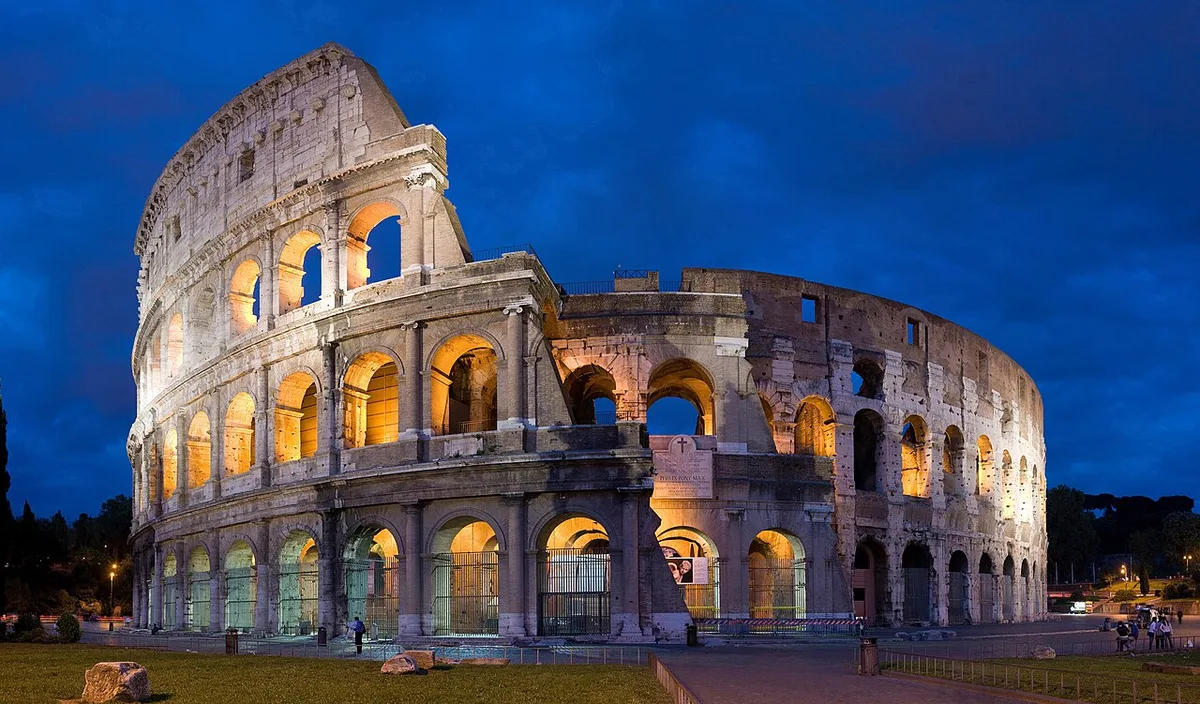
The Colosseum charges a paid ticket most days, usually bundled with the Roman Forum and Palatine Hill. Free entry applies only on select dates set by the site's ticketing office. Check the official booking page before planning around a free date.
What is the best day for free museums in Rome?
The first Sunday of the month traditionally opens several state museums and archaeological sites at no charge. Crowds run heavier than usual on these dates, so arrive right at opening time. Always confirm the current schedule online, since participating sites can change.
How many days do I need for free things to do in Rome?
A single day covers the main fountains, steps, and one basilica at an easy pace. Two days add the hilltop terraces and a slower walk through Trastevere. For a longer stay, pair this list with our day trips from Rome guide.
Is the Trevi Fountain really free to see?
Viewing the Trevi Fountain has always been free, at any hour of the day. A small fee now applies only if you step into the lower basin area. Standing at the rim and tossing a coin over your shoulder stays free.
Do free attractions in Rome require advance booking?
Most free sights, including piazzas, parks, and church interiors, need no advance booking at all. A handful of free museum days do require an online reservation due to limited capacity. Booking early is the safest way to guarantee entry on a popular free date.
Rome's free sights add up to a trip that feels rich without draining the budget. Fountains, hilltop views, and quiet churches carry as much character as any paid ticket. A short list like this one turns a tight budget into a real advantage.
For the full picture of paid and free sights together, browse our Rome attractions guide. Mixing free stops with one or two paid highlights builds a balanced, memorable trip. Start with the fountains, save the hills for late afternoon, and let the rest of the day unfold.