Hidden Gems in Rome
Discover 10 hidden gems in Rome, from free viewpoints to a Sunday vintage market, with current 2026 prices, hours, and tips to plan an easy trip.
Read guide →Rome travel guides for 2026: itineraries, day trips, hidden gems, museums, free things to do and city-pass advice — every Rome planning guide in one hub.

Everything we've published on visiting Rome, in one place: 19 trip-planning guides covering itineraries, day trips, hidden gems, the best viewpoints and museums, neighborhoods, transport, family and rainy-day options, and honest advice on city passes. Each guide is written for a specific decision you make while planning a trip to Rome, Italy.
Looking for individual landmark tickets, opening hours and worth-it advice? See our Rome attractions hub, with 14 dedicated visitor guides.
This hub covers 19 trip-planning guides including itineraries, day trips, hidden gems, viewpoints and museums, plus neighborhoods, transport, family and rainy-day options — each guide targets a specific decision you'll make while planning your Rome trip.
Three days is the baseline that works for most first-time visitors: enough for the Colosseum, the Vatican and the historic center without sprinting between stops, and it matters more here than in a compact city like Florence because Rome's big sights sit in three separate zones connected by real transit time. Our full breakdown of how many days you need in Rome compares what one, two, three and four-plus days actually deliver — including the ticketing constraint that shapes everything: Colosseum tickets open roughly 30 days before each visit date, and the Vatican Museums stay closed on Sundays apart from a free final Sunday each month.
If your dates are already fixed, go straight to the itinerary that matches them. The one-day Rome itinerary is built for cruise stops and long layovers, with timed tickets and an hour-by-hour walking route. The two-day plan splits ancient Rome and the Vatican across separate mornings, while the three-day first-timer route adds the historic center at a pace that leaves room to simply wander.
Spring (April–May) and fall (late September–October) consistently deliver the best mix of warm-but-not-scorching days and thinner crowds, while July and August average highs around 31°C with spikes above 35°C during heat waves. The shoulder months are genuinely pleasant for walking: April brings blooming azaleas along the Spanish Steps and mild afternoons around 18°C, and by May highs reach roughly 23°C with long evenings — though Easter week and the early-May holiday cluster can spike both crowds and hotel rates. The season-by-season numbers, month-by-month weather and the cheap window from November through February are all laid out in our guide to the best time to visit Rome.
Weather insurance is worth building in whatever month you choose. A wet forecast doesn't have to sink a day — the rainy-day guide maps indoor museums and covered alternatives — and on clear evenings the city's hilltop terraces and rooftop bars earn their reputation, so save a sunset spot for your last night before you lock in dinner plans.
Rome spreads across distinct rioni, and your base changes the whole trip: Pantheon-adjacent energy in Centro Storico, late trattoria nights in Trastevere, or a quieter street near the Vatican in Prati. Our comparison of where to stay in Rome weighs six neighborhoods — Centro Storico, Monti, Trastevere, Testaccio, Prati and Termini — against price, quiet and walking distance to the major sights.
Once you've picked a base, expect to mix plenty of walking with occasional Metro, bus or tram rides. The Metro has three lines — Line A runs toward Vatican City — while ATAC buses reach far more of the historic center, including the useful H express route between Termini and Trastevere. The practical details, from ticket validation rules to airport transfers, are in our guide to getting around Rome.
The pass math is simpler than the marketing suggests: official Rome Pass pricing sits at roughly €35 for 48 hours and €65 for 72 hours in 2026, and it only pays off across several full sightseeing days. Our honest review of whether the Rome Pass is worth it runs the numbers against the Omnia Pass and other bundles before you commit.
Plenty of the city costs nothing at all. The Pantheon's piazza, hilltop viewpoints and churches full of Caravaggios anchor our list of free things to do in Rome — though note one 2026 change: since February 2, a €2 ticket is required to stand at the Trevi Fountain's inner basin, while viewing it from the piazza remains free.
Rome punishes improvisation at its headline sights. Standard entry to the Colosseum costs €18 in 2026, includes the Roman Forum and Palatine Hill on the same ticket, and sells out fast once slots open 30 days ahead. The Vatican Museums charge €20 at the door or €25 for a pre-booked skip-the-line slot — and the online booking is the one that saves you the longest queue in the city. Strictest of all is the Borghese Gallery: €18 total including a mandatory €2 booking fee, fixed two-hour entry slots, no walk-up tickets and a Monday closure.
Two prices changed mid-year: the Pantheon went from €5 to €7 on July 1, 2026, and Castel Sant'Angelo rose from €16 to €18 on the same date — the fortress is open Tuesday to Sunday, 9:00 a.m. to 7:30 p.m., closed Mondays. Each landmark guide covers current hours, sold-out workarounds and an honest worth-it verdict, so check the one for each sight you can't afford to miss.
With a base in Rome, half of Central Italy opens up. Ostia Antica is about 45 minutes by train from Piramide station with entry around €18 per adult in 2026 (closed Mondays), and Pompeii and Tivoli reward the longer journey with far more to see — the full comparison by travel time and typical daily cost is in our day trips from Rome guide, ranked so you can shortlist two or three options that fit your schedule and budget.
Rome after dark is its own itinerary of floodlit landmarks, rooftop aperitivo and trattorias worth reserving — start with our picks for things to do in Rome at night, then browse the restaurant, viewpoint and photo-spot guides in the grid below for the specific angle you're after. Returning visitors should go deeper with the hidden gems guide, from free viewpoints to a Sunday vintage market, and families will find the kid-tested version of all of this — pacing, museum picks and budget — in the family guide below.
Discover 10 hidden gems in Rome, from free viewpoints to a Sunday vintage market, with current 2026 prices, hours, and tips to plan an easy trip.
Read guide →
Wondering is the Rome Pass worth it in 2026? Compare pricing, inclusions, and crowds, then get a clear verdict plus smart booking tips today.
Read guide →
Plan a smooth one day in Rome itinerary with timed tickets, walkable routes, and realistic hour-by-hour timing built for first-time visitors in 2026.
Read guide →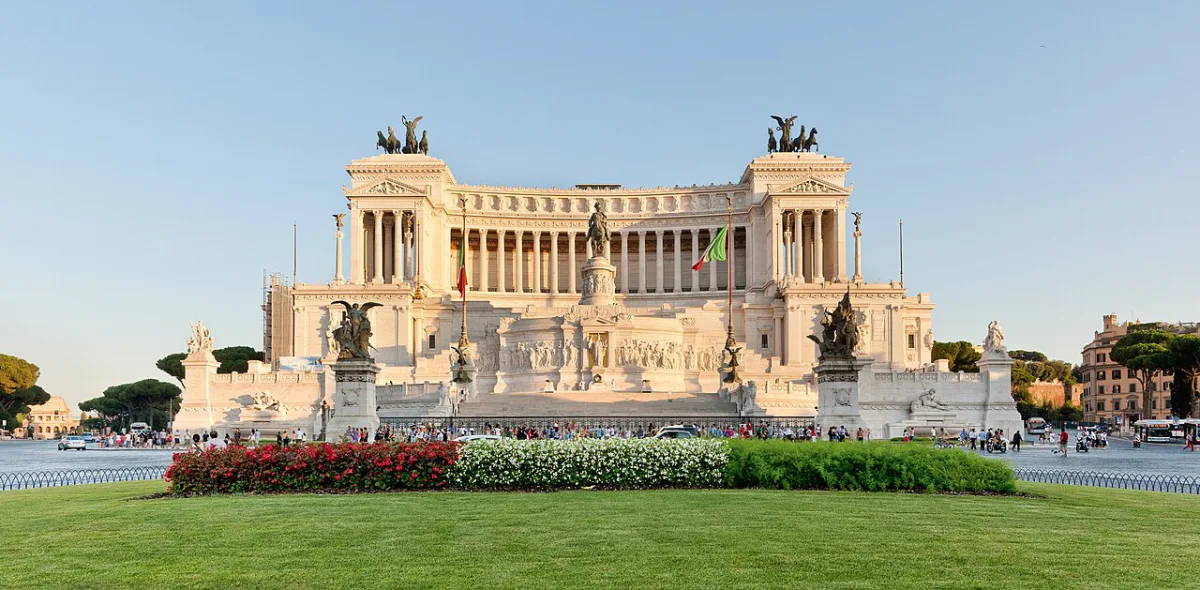
Plan a 2 days in Rome itinerary with Colosseum tickets, Vatican timing, real costs, and neighborhood-based routes for a smoother trip in 2026.
Read guide →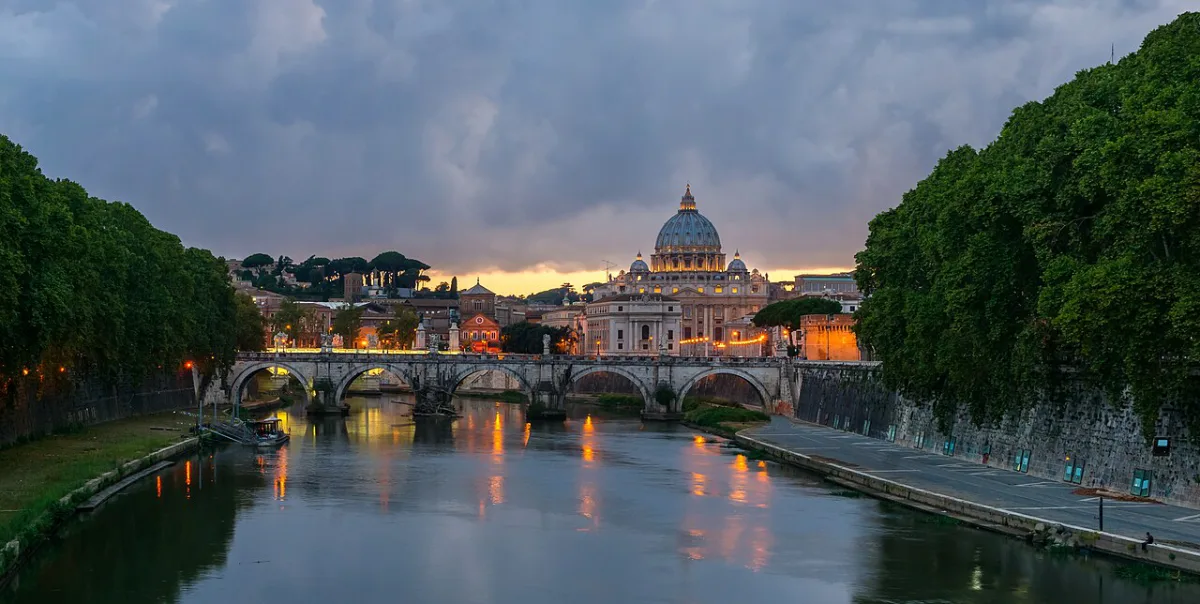
Plan the perfect 3 days in Rome itinerary with a day-by-day route, 2026 ticket prices, opening hours, and neighborhood booking tips for first-time visitors.
Read guide →
Discover the best museums in Rome worth visiting in 2026, with real ticket prices, opening hours, and booking tips for a smoother museum day.
Read guide →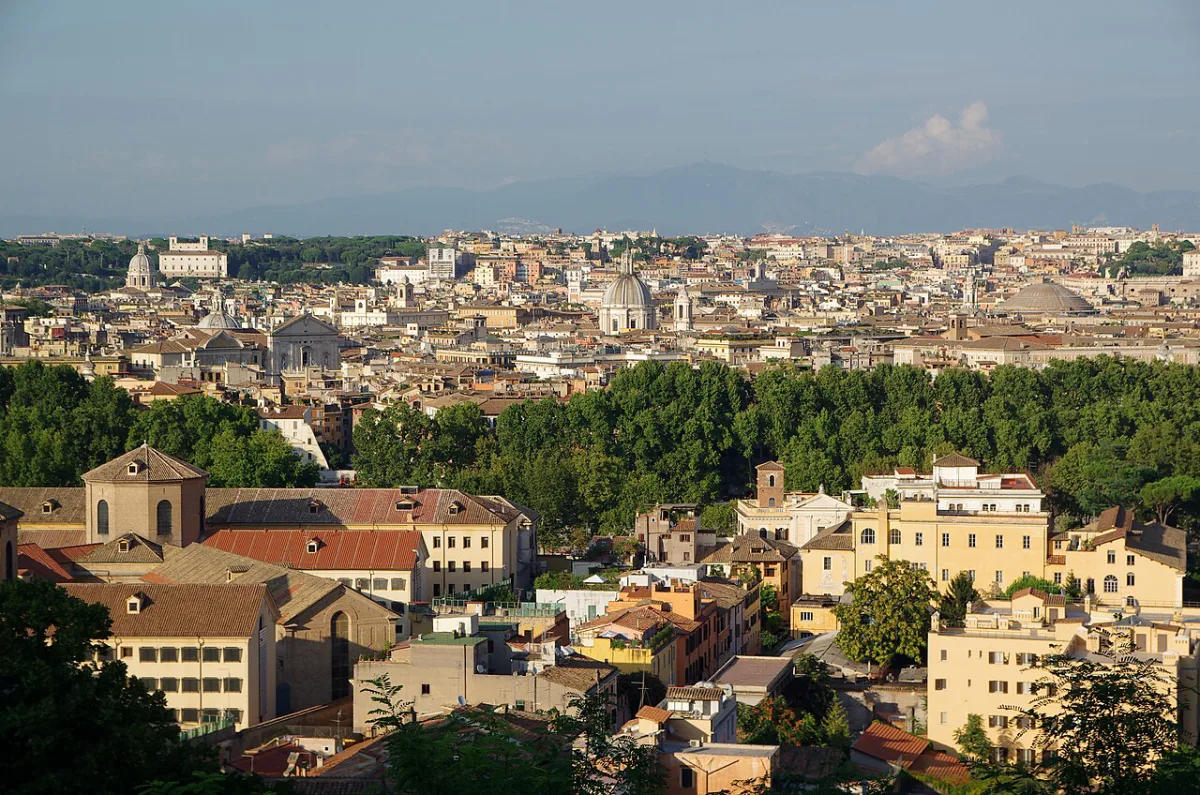
Discover the 9 best viewpoints in Rome, from free hilltop terraces to rooftop bars, with 2026 prices, hours, and tips for beating the crowds.
Read guide →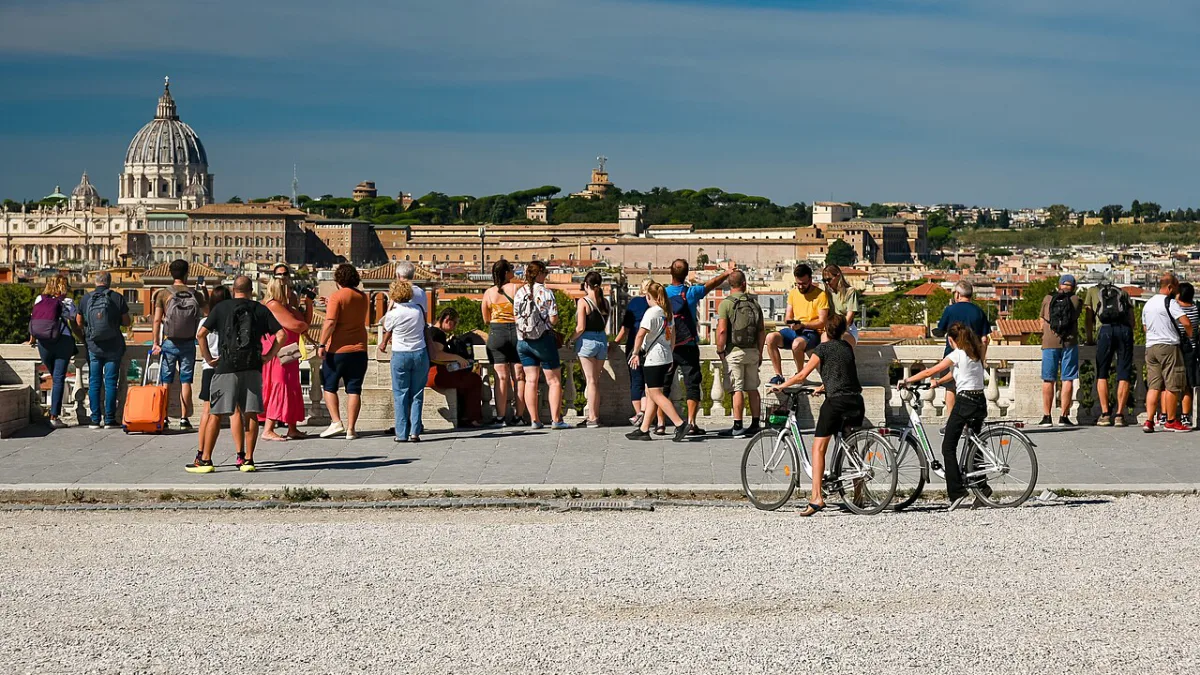
Discover the 11 best photo spots in Rome for 2026, including current prices, hours, crowd timing, and the best time of day to shoot each landmark.
Read guide →
Discover where to watch sunset in Rome, from free hilltop terraces to rooftop hotels, with 2026 timing tips and directions for every neighborhood.
Read guide →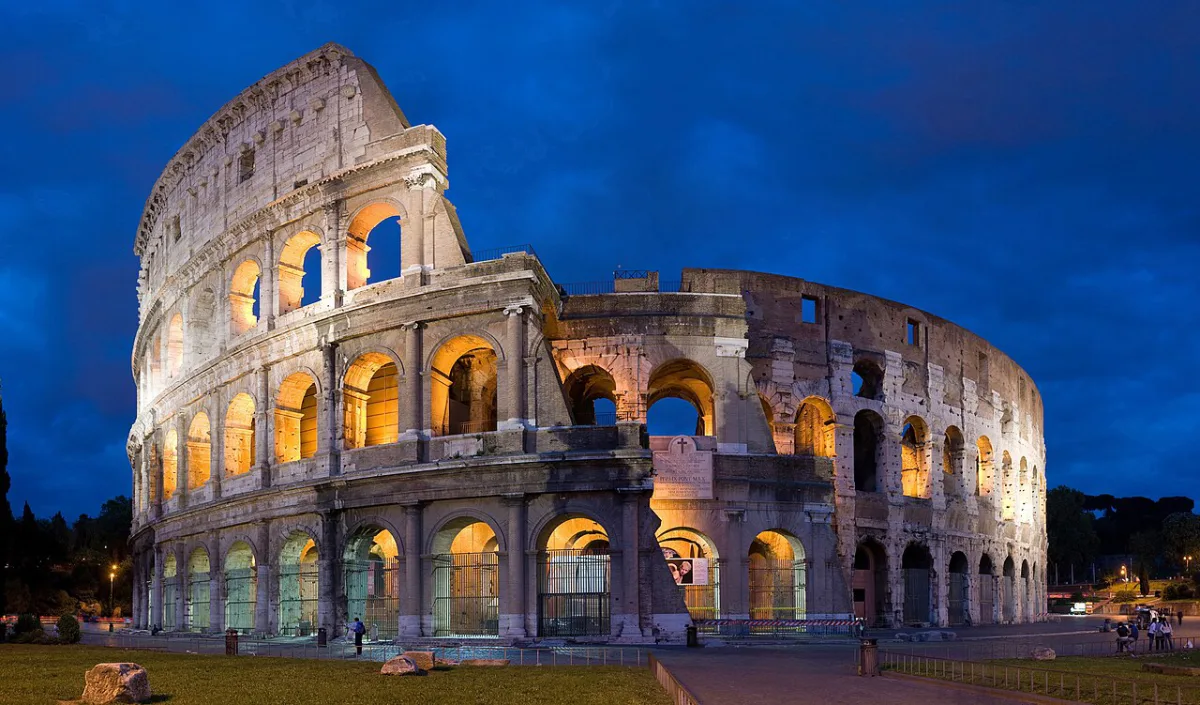
Discover the best things to do in Rome at night in 2026, from floodlit landmarks to rooftop aperitivo, with real prices, hours, and insider tips.
Read guide →
Planning a trip to Rome with kids? Find top attractions, museum picks, budget tips, and a smooth daily plan for family travel in Rome in 2026.
Read guide →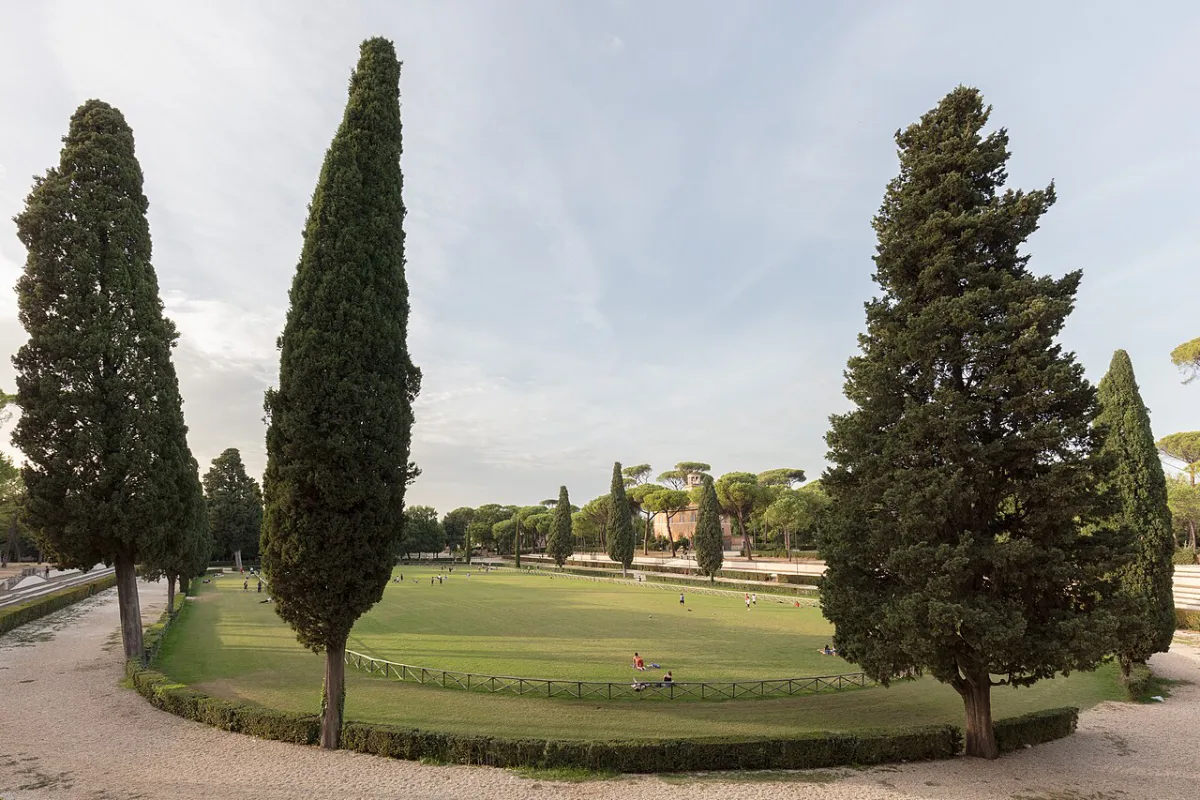
Discover 10 free things to do in Rome in 2026, from the Trevi Fountain to hilltop viewpoints, with current hours, fees, and planning tips for a budget trip.
Read guide →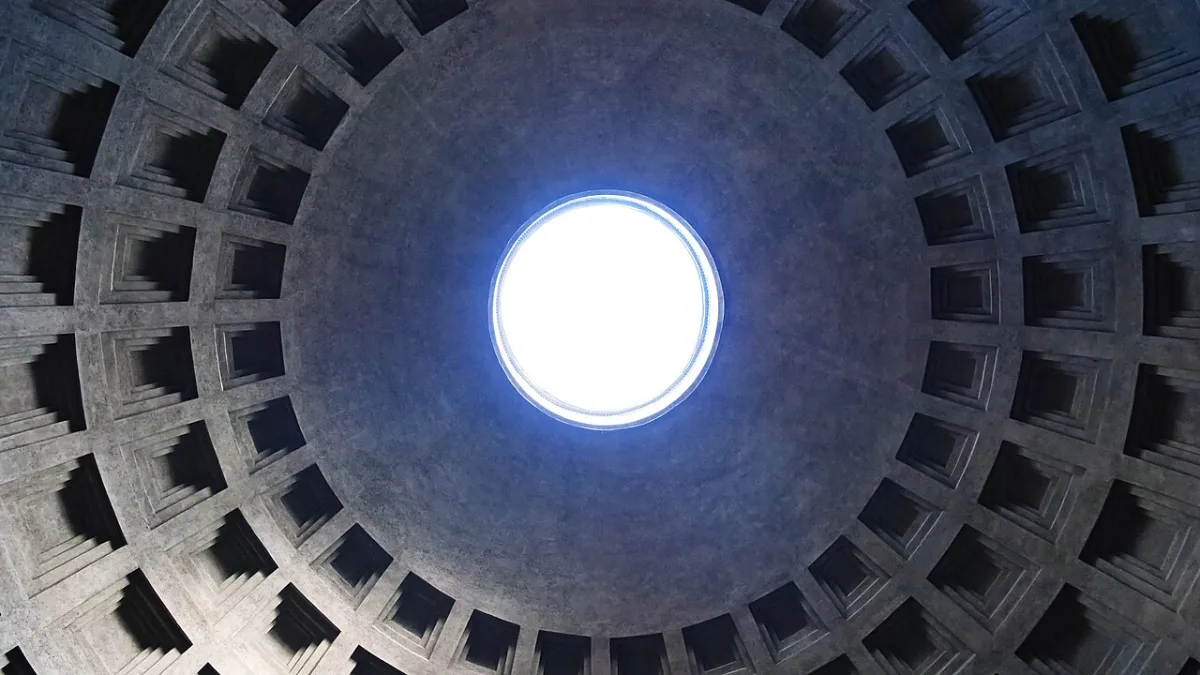
Rome on a rainy day still delivers: indoor museums, budget picks, family options, and 2026 planning tips so a wet forecast will not ruin your trip.
Read guide →
Compare 1, 2, 3, and 4+ day Rome itineraries with 2026 ticket, transit, and neighborhood advice to pick the right trip length before you book.
Read guide →
Plan around Rome's weather, crowds, and prices with this 2026 season-by-season and month-by-month guide, plus key dates and booking windows to watch.
Read guide →
Compare 6 neighborhoods, from Centro Storico and Monti to Trastevere, Testaccio, Prati, and Termini, to find your best Rome base for 2026.
Read guide →
How to use Rome's Metro, buses, trams, and taxis in 2026, plus ticket prices, validation rules, and airport transfer options.
Read guide →
The 10 best restaurants in Rome, from Pantheon classics to Testaccio trattorias, plus local tips on reservations and what to order in 2026.
Read guide →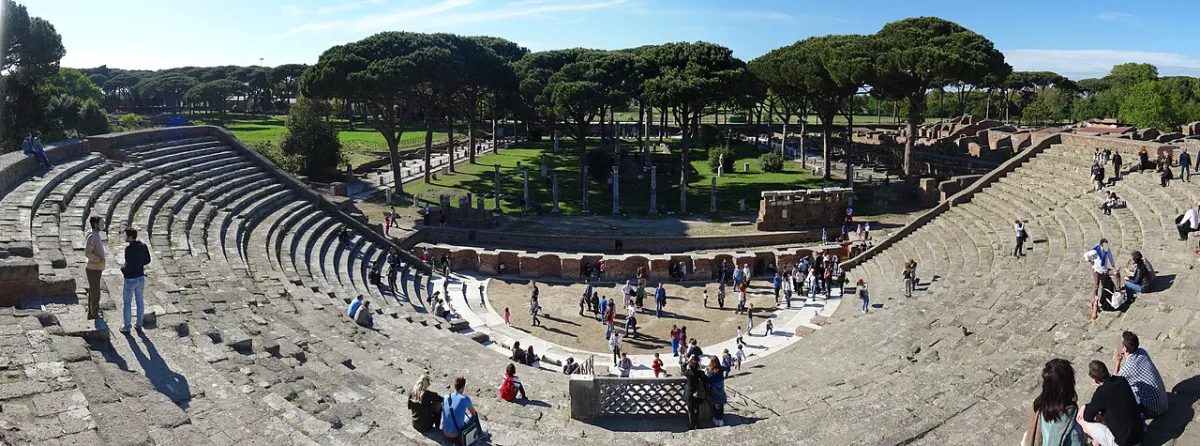
Plan the best day trips from Rome, from Pompeii's ruins to Tivoli's gardens. Get 2026 prices, train times, and tips to book your trip today.
Read guide →Keep exploring