
Rome rewards photographers who show up with a plan, not just a phone. This guide lists the best photo spots in Rome, matched to the light, crowds, and cost each one demands. Editors cross-checked each pick against current 2026 ticket prices and opening hours before publishing.
The Colosseum alone needs a plan. A combined ticket with the Roman Forum and Palatine Hill costs about €18 to €24 for adults in 2026. The complex opens daily at 9am, with last entry roughly one hour before closing.
Crowds and light shift fast between these landmarks, so timing matters as much as location. This list groups iconic sights, viewpoints, indoor spaces, and one market stop that most guides skip.
The 11 Best Photo Spots in Rome
Each entry below earns its place for a specific reason: light, angle, or a view competitors rarely explain. The picks mix iconic landmarks with a market and a viewpoint that first-time visitors often miss. Ticket costs and hours are current for 2026, but always double-check before a visit since Rome adjusts pricing seasonally.
For deeper details on tickets, accessibility, and combo passes, the Rome attractions guide covers every major site in one place. That page pairs well with this list when building a full sightseeing day around photo stops. Bring a portable charger; several spots below reward waiting fifteen to twenty minutes for the right light.
Weekday mornings before 9am consistently deliver the calmest shots across nearly every site on this list. Weekends and major holidays push crowds high enough to change composition options entirely.
| Photo Spot | Cost | Hours | Best Time |
|---|---|---|---|
| Colosseum's Upper Tiers | €18–€24 | Daily, 9am | Early morning |
| Roman Forum & Palatine Hill | €18–€24 | Daily, 9am | Early morning |
| Pantheon's Oculus | Free | Daily, 9am | Opening time |
| Trevi Fountain | Free | 24/7 | Sunrise or 9pm+ |
| Piazza Navona | Free | 24/7 | Early morning |
| Spanish Steps | Free | All day | Early morning |
| Castel Sant'Angelo | €14–€16 | Daily exc. Mon, 9am | Sunset |
| Vittoriano Rooftop | €10–€15 | Daily | Any time |
| Pincio Terrace | Free | Sunrise–Sunset | Sunset |
| Campo de' Fiori Market | Free | 7am–2pm, Mon–Sat | Morning |
| Trastevere Streets | Free | Anytime | Golden hour |
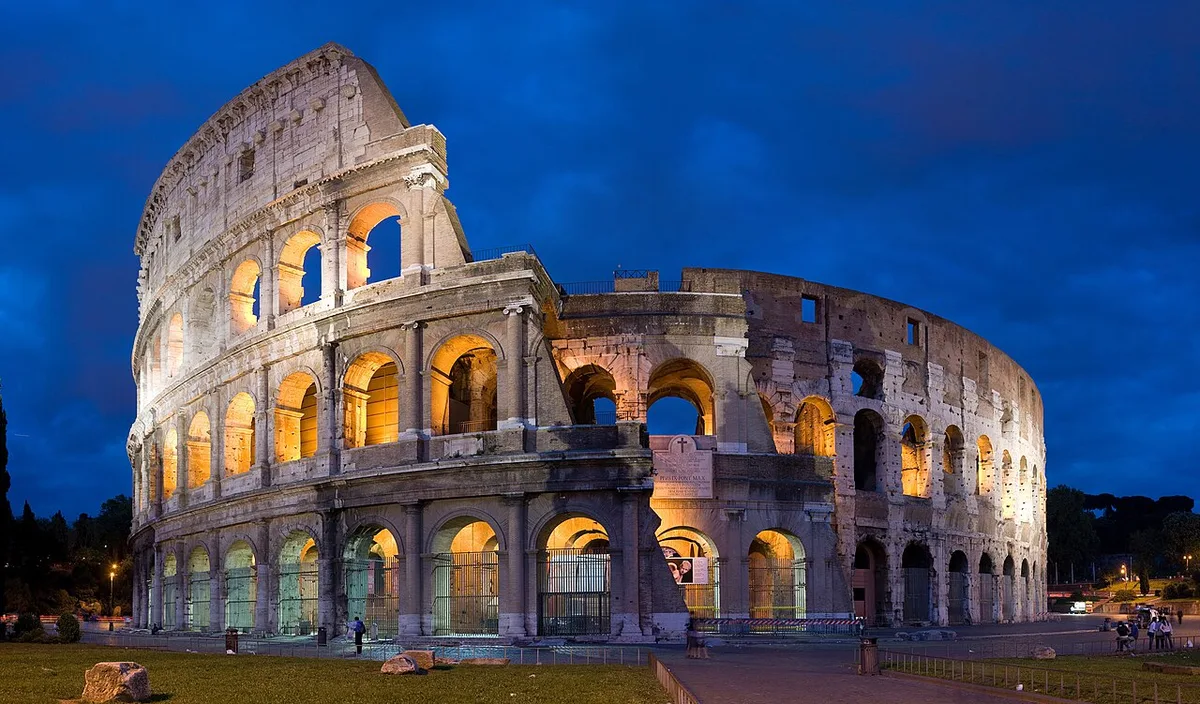
- Colosseum's Upper Tiers and Arena Shadows
- Rome's largest amphitheater delivers dramatic shots from ground level looking straight up at its arches.
- A combined Colosseum, Forum, and Palatine ticket runs about €18 to €24 for adults in 2026.
- Arriving right at opening clears the crowds that fill the lower arches by mid-morning.
- The jagged broken edge on the north side makes a more interesting frame than the smooth restored arches.
- Roman Forum and Palatine Hill Ruins
- Sunken columns and toppled temples sit below street level, framed against Rome's busy skyline.
- Entry is included with the Colosseum combo ticket, opening daily at 9am with a last entry cutoff.
- Climb the Palatine Hill side for an elevated angle over columns and distant apartment rooftops.
- Midday sun flattens the stone texture, so early morning or the last hour before closing works best.
- Pantheon's Oculus and Dome Interior
- This former Roman temple keeps its dome intact, with an open oculus framing a circle of sky.
- Entry is free, and the building opens daily from 9am, with shorter Sunday hours worth checking first.
- Arrive right at opening for an empty floor shot straight up through the oculus.
- Rain sends a visible column of water through the oculus on wet days, a rare sight.
- Trevi Fountain at Sunrise or Late Evening
- This Baroque fountain is Rome's most photographed landmark, and also its most crowded at almost any hour.
- It's free to visit and always accessible, though the surrounding piazza gets tightly packed by mid-morning.
- Arriving within thirty minutes of sunrise is the most reliable way to clear the crowd.
- Late evening lighting turns the travertine gold and thins the tour groups considerably after 9pm.
- Piazza Navona and the Four Rivers Fountain
- This elongated Baroque piazza traces the shape of an ancient stadium, with Bernini's fountain as its centerpiece.
- The square is open around the clock and costs nothing to visit, day or night.
- Early morning here is dramatically quieter than Trevi, since most tour groups skip it before breakfast.
- Late afternoon light angles nicely across the fountain's four river figures without the midday glare.
- Spanish Steps and Piazza di Spagna
- This wide travertine staircase climbs from Piazza di Spagna up to the Trinità dei Monti church above.
- The steps are free and open all day, though city rules now restrict sitting on them for long.
- Shoot from the base looking up in early morning light before the crowds settle in for photos.
- Spring visits add azaleas lining the steps, a seasonal detail that shifts the whole color palette.
- Castel Sant'Angelo and Ponte Sant'Angelo Bridge
- This circular fortress on the Tiber began as Hadrian's mausoleum before becoming a papal stronghold.
- Admission runs about €14 to €16 for adults in 2026, and the site opens daily except Mondays.
- The statue-lined bridge facing the castle gives the classic straight-on angle, best right at sunset.
- At night the building's reflection stretches across the river, best shot with a steady railing.
- Vittoriano Rooftop Terrace at Piazza Venezia
- Locals nickname this white marble monument the wedding cake, though its rooftop view is unmatched.
- A panoramic elevator ride to the terrace costs about €10 to €15 for adults in 2026.
- From the top, the Forum, Capitoline Hill, and distant St. Peter's dome line up in one frame.
- Midday sun works fine here since the view faces multiple directions, unlike most single-angle viewpoints.
- Pincio Terrace Above Piazza del Popolo
- This tree-lined promenade inside Villa Borghese sits directly above Piazza del Popolo and its twin churches.
- The park and terrace are free and open from sunrise to sunset, with hours shifting slightly by season.
- Sunset here draws a steady but manageable crowd, smaller than the viewpoints closer to the historic center.
- The terrace faces west, so late afternoon light hits the piazza's obelisk and domes almost straight on.
- Campo de' Fiori Morning Flower and Food Market
- This lively square swaps its evening bar crowd for a produce and flower market every morning.
- The market runs roughly 7am to 2pm, Monday through Saturday, and costs nothing to browse.
- Stallholders arrange citrus, artichokes, and bundled flowers in tight color blocks that photograph well overhead.
- By early afternoon the stalls pack up fast, so a morning visit is essential for this shot.
- Trastevere's Cobblestone Streets at Golden Hour
- Rome's former working-class quarter across the Tiber keeps ivy-covered facades and narrow lanes largely intact.
- There's no entry cost, and the neighborhood is walkable any time, though restaurant terraces fill by evening.
- Side streets off Via della Lungaretta and Piazza Trilussa stay warm-lit well past sunset most of the year.
- Weekday late afternoon avoids both the lunch rush and the busier dinner crowds that gather after 8pm.
Arriving right at opening time (typically 9am for major sites) clears the crowds that build up by mid-morning. Weekday mornings before 9am consistently deliver the calmest shots across nearly every landmark.
Trevi Fountain and Piazza di Spagna get tightly packed by mid-morning, especially on weekends and holidays. Plan these high-traffic spots for either sunrise or after 9pm to avoid composition challenges from crowds.

When Is the Best Time to Photograph Rome?
Light in Rome shifts fast, and it changes what each landmark looks like within the same hour. Morning between 7am and 9am produces the clearest shots outdoors, before crowds build up. Midday sun between noon and 3pm tends to wash out warm stone facades and flatten detail.
Late afternoon warms the light considerably, and by golden hour the travertine stone glows rather than glares. This reference shot of Trevi Fountain in late light shows how the angle changes a familiar view. Evening after dark adds reflections and long exposure options near fountains and the river.
Several landmarks stay lit well past sunset, and the Rome at night guide covers which ones are worth the walk. Weeknight visits after 9pm thin the tourist flow considerably compared to weekend evenings.
Rome Viewpoints for Sunset and Skyline Shots
Rome's best skyline views come from a handful of elevated spots, each with a different mood. The best viewpoints in Rome roundup expands on several beyond the two covered here. Gianicolo Hill, just west of Trastevere, adds a third option when the Pincio and Vittoriano terraces feel crowded.
Sunset draws the largest crowds to every terrace on this list, arriving thirty to forty minutes early. For exact timing by month, the sunset watching guide lists current sunset windows for Rome. Bring a light layer; rooftop terraces catch more wind than street level, even in warm months.
Walking down from a viewpoint after dark is generally fine on main routes near Trastevere and the historic center. Travelers unfamiliar with the city should still check which areas to avoid, since even a safe city has quieter pockets best skipped at night. Sticking to well-lit, populated streets between a terrace and a taxi or metro stop is the simplest rule.
Family-Friendly and Free Photo Spots
Several of the list's best shots cost nothing beyond the walk to reach them. Piazza Navona, the Pincio terrace, and Trastevere's streets are free and open at any hour. That makes them easy additions to a day already anchored around paid sites like the Colosseum.
Families traveling with strollers do best sticking to flat piazzas rather than the Palatine Hill's uneven paths. The free things to do in Rome guide groups more no-cost stops by neighborhood. Campo de' Fiori's market hours make it an easy, low-cost morning stop before naps or lunch.
Budget-conscious travelers can skip the Vittoriano elevator fee and still reach a free viewing platform partway up. That lower platform loses some height but keeps the same general direction of view.
How to Plan a Smooth Rome Photo Day
Cluster the paid sites first, since the Colosseum, Forum, and Palatine share one ticket and one queue. The Rome Pass comparison breaks down whether a multi-attraction pass saves money for a short trip. Add the Vittoriano and Pincio terraces on the same walk, since both sit within fifteen minutes of Piazza Venezia.
Skip the Vittoriano elevator on weekend afternoons, when the queue regularly runs past forty minutes. Piazza di Spagna at midday is also overrated for photos, since flat light flattens the setting's charm.
A realistic day covers four to five spots on foot, with breaks for lines and light changes. Comfortable shoes matter more than gear here; most of this list sits within Rome's compact historic center.
Frequently Asked Questions
What's the best time of day to photograph Rome?
Early morning between 7am and 9am gives the clearest light and thinnest crowds at most outdoor sites. Late afternoon works well too, especially for warm-toned stone facades. Midday sun between noon and 3pm tends to wash out detail and flatten color.
Do the Colosseum and Roman Forum require paid tickets for photos?
Yes, both sites require an entry ticket, since they sit inside the same archaeological park. A combined Colosseum, Forum, and Palatine Hill ticket costs about €18 to €24 for adults in 2026. The complex opens daily at 9am, with last entry roughly one hour before closing.
How many days should I plan for a Rome photography trip?
Two full days cover the major landmarks on this list at a relaxed pace. The one-day Rome itinerary works if time is tight, but rushes the paid sites. A third day allows time for Trastevere and the Campo de' Fiori market without rushing.
Is it safe to photograph Rome's viewpoints after dark?
Main routes near Trastevere, the Pincio, and Piazza Venezia stay well-lit and busy after sunset. Sticking to populated streets between a viewpoint and a taxi or metro stop is the simplest precaution. Solo travelers should still plan a route home before climbing up for sunset.
What photo spots in Rome should I skip?
The Vittoriano elevator queue on weekend afternoons often runs past forty minutes for a view available with less crowding at opening time. Piazza di Spagna at midday also disappoints, since flat light cancels out the setting's charm. Both work far better early or late in the day.
Rome photographs differently depending on the hour, so pairing timing with location matters more than gear. The eleven spots above cover iconic landmarks, quiet viewpoints, and one market that most lists skip entirely. Plan around opening hours and 2026 ticket prices, and build in buffer time for the busiest sites.
Pair this list with a day-by-day itinerary to fit stops around meals and rest breaks. A little flexibility for weather and light beats a rigid shot list every time.