
Last updated July 2026. How many days in Rome you need depends on your pace, your ticket bookings, and whether you're using the city as a base for Central Italy. Most first-time visitors find three days strikes the right balance between the Colosseum, the Vatican, and time to wander without a fixed schedule. This guide breaks down what one, two, three, and four-plus days actually deliver, along with the transit and ticketing realities that shape the decision.
How Many Days in Rome? The Quick Answer
Three days in Rome is the recommended baseline for most travelers. That's enough time for the Colosseum, the Vatican, and the historic center without sprinting between stops. One day only covers the essentials, and it works best for cruise stops or long layovers. Five or more days adds day trips and slower neighborhood time. The Rome city guide has the full destination overview if you're still deciding whether Rome fits your itinerary at all.
- 1 day: the Colosseum exterior, the Pantheon, and the Trevi Fountain, with no room for anything else.
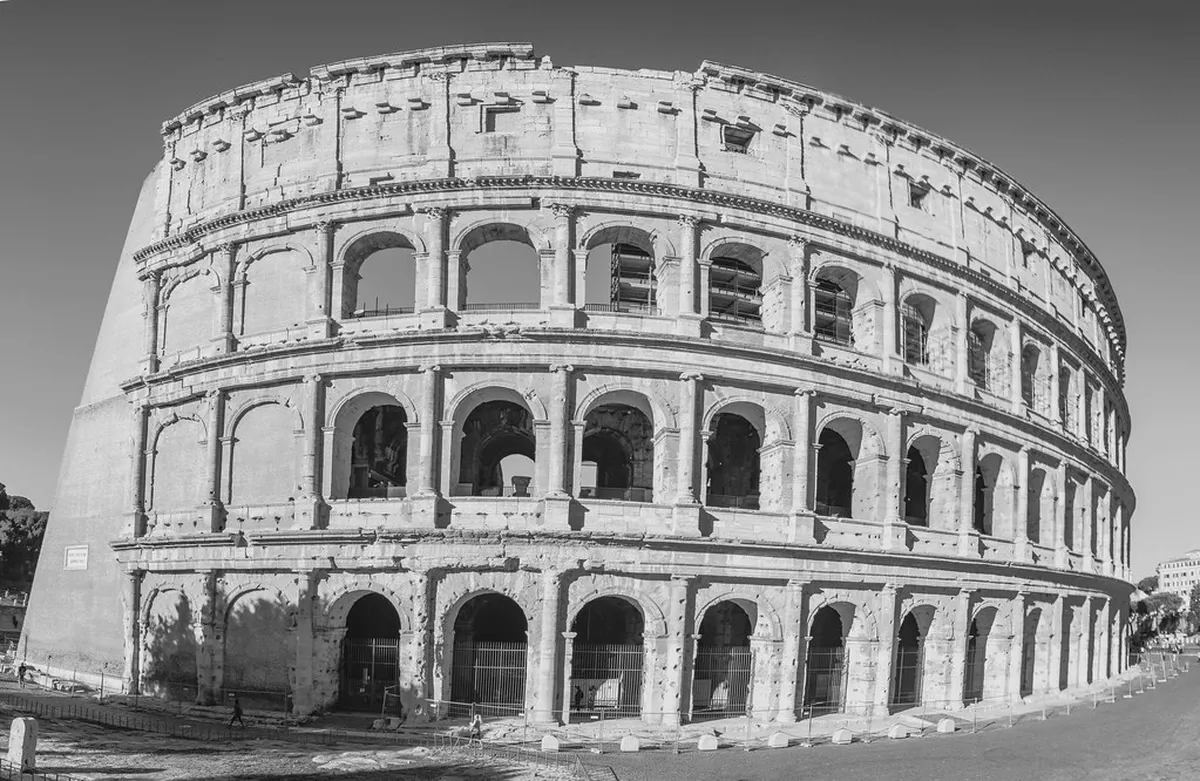
- 3 days: Ancient Rome, Vatican City, Trastevere, and one added stop like the Borghese Gallery or the Appian Way.
- 5+ days: everything above plus day trips such as Tivoli or Ostia Antica, with unhurried time in individual neighborhoods.
What Decides How Many Days You Need
Three factors decide the right length of stay: pace, ticketing, and geography. Rome is not Florence. The city is spread out, and the 20-minute walk-everywhere rule does not apply here. Crossing between the Centro Storico, Vatican City, and Ancient Rome takes real transit time, not a stroll. Traveling with young children changes the math too. The Rome With Kids: A Family Travel Guide for 2026 guide covers realistic pacing for families. Season matters as well, since daylight hours and crowd levels shift what fits into one day. Check the best time to visit Rome before locking in dates.
Colosseum tickets open roughly 30 days before each visit, and the Vatican Museums remain closed on Sundays, with rare exceptions on the final Sunday each month. These booking constraints force your trip dates around when tickets become available rather than flexible travel dates.

- Pace: a checklist traveler covers more sights per day than someone who wants long lunches and open afternoons.
- Ticketing: pre-booked entry times for the Colosseum and the Vatican Museums fix parts of your schedule around specific hours.
- Geography: the Centro Storico, Vatican City, and Ancient Rome are separate zones connected by transit, not one walkable core.
The Decision Matrix: Days in Rome by Traveler Type
Use this table to match your travel style to a length of stay, then adjust for your own priorities. History buffs weighing which collections earn a full morning should start with Rome's best museums.
| Traveler Type | Recommended Days | What You'll See | What Gets Cut |
|---|---|---|---|
| The Time-Cruncher | 1 day | Colosseum exterior, Pantheon, Trevi Fountain | Vatican Museums, Roman Forum entry, sit-down meals |
| The Classic Tourist | 2-3 days | Colosseum and Forum, Vatican Museums and St. Peter's Basilica, Trastevere | Borghese Gallery, day trips, most churches |
| The History Buff | 4 days | Palatine Hill, Borghese Gallery, Appian Way, multiple museums | Day trips outside the city |
| The Slow Traveler / Central Italy Hub | 5+ days | All landmarks above plus day trips to Tivoli or Ostia Antica | Little to nothing |
One Day in Rome: The Highlights Whirlwind
One day in Rome works for cruise ship stops and long layovers, not a first trip to Italy. It is not for a relaxed pace. Cover the Colosseum exterior, the Pantheon, and the Trevi Fountain, then stop there. Adding the Vatican Museums on the same day usually means rushing both. Start early, since Rome's fountains and piazzas feel different before the crowds arrive. A full hour-by-hour route lives in the One Day in Rome Itinerary: 2026 First-Timer Guide. Build in a stop at Rome's best photo spots along the same walking route to avoid backtracking.
Two Days in Rome: The First-Timer Essentials
Two days is the realistic minimum for a first trip to Italy that still includes Rome. Split the days by zone instead of trying to cover everything at once. Evenings add real value here, since the Trevi Fountain and the Pantheon look different lit up after dark, and crowds thin after dinner hour. For an evening plan, see Rome at night. Trastevere also works well for a sunset stop before dinner. Check Where to Watch Sunset in Rome: 2026 Guide for specific spots. A full two-day route with timing is in the 2 Days in Rome Itinerary: A 2026 Travel Guide.
- Day 1: Ancient Rome, the Colosseum, the Roman Forum, and Palatine Hill.
- Day 2: Vatican City, St. Peter's Basilica, and Trastevere in the evening.
Three Days in Rome: The Ideal Stay
Three days is the most recommended length for Rome, and it's the first stay that doesn't force a trade-off between major sights. Days one and two cover the same ground as the two-day plan: Ancient Rome, then the Vatican and Trastevere. Day three adds room for one deeper stop, typically the Borghese Gallery or a walk along the Appian Way. That extra day also allows one sit-down lunch instead of eating standing up between stops. For restaurant picks that fit a slower pace, see Rome's best restaurants. The full three-day route, including where each stop fits, is in the 3 Days in Rome Itinerary: A First-Timer's Guide.
The three-day recommendation assumes a half-day Vatican visit, requiring three to four hours for museums and the Sistine Chapel. Stretching to a full Vatican day—including the Basilica, dome, and careful viewing—more comfortably fits four or more days.
Four or More Days: History Buffs and Slow Travelers
Four or more days opens up neighborhood exploration and day trips beyond the historic center. History buffs can add Castel Sant'Angelo, Rome's catacombs, and multiple museum mornings without cutting a major landmark. Slow travelers and anyone using Rome as a base for Central Italy can add a day trip to Tivoli or Ostia Antica. The Day Trips From Rome Travel Guide guide covers both routes. Extra days also make room for the kind of neighborhood finds that don't fit a rushed schedule. The Hidden Gems in Rome: A 2026 Travel Guide guide covers spots away from the main tourist track. For panoramic stops that reward extra time, check Rome's best viewpoints. Budget-conscious travelers extending a stay can fill extra afternoons without extra spend. See 10 Best Free Things to Do in Rome in 2026 for options that don't need a ticket.
Where to Stay and How to Get Around
Where you sleep affects how much of each day gets eaten by transit. A location between the historic center and a metro line cuts crossing time between Ancient Rome and the Vatican. See Where to Stay in Rome: 6 Best Neighborhoods for 2026 for area-by-area breakdowns. Rome's public transit runs on ATAC, covering metro, bus, and tram lines across the city. Walking covers the historic center well, but the Vatican and Ancient Rome sit far enough apart that a metro ride or taxi makes more sense than walking both in one visit. Full transit details, including which lines connect the major sights, are in Getting Around Rome: Metro, Bus, Taxi and Airport Guide (2026).
Is the Roma Pass Worth It for Your Trip Length
The Roma Pass bundles transit and skip-the-line entry into one purchase, but its value depends on how many days you're staying and how many paid sights you plan to enter. As of 2026, check the official pass site directly for current pricing and included sites, since both change. For stays of three days or fewer, weigh the pass cost against buying timed-entry tickets directly for the Colosseum and the Vatican Museums, since a short trip may not use enough included entries to break even. Longer stays that add museums and transit rides make the math work more often. The full breakdown is in is the Roma Pass worth it.
Common Mistakes That Waste Time in Rome
A few scheduling mistakes eat hours that could go toward actual sightseeing.
- Booking the Vatican and the Colosseum on the same day: both deserve a half-day minimum, and combining them usually means rushing one.
- Underestimating summer heat: outdoor sites like the Roman Forum and Palatine Hill have little shade, so plan indoor stops or a break during peak midday hours in July and August.
- Skipping the Colosseum booking window: as of 2026, tickets typically go on sale roughly 30 days ahead, so confirm the exact release date on the official site before fixing arrival dates.
- Assuming museums are open every day: the Vatican Museums are generally closed Sundays, except the last Sunday of the month, and several other Rome museums close one day a week, often Monday.
- Skipping a rainy-day backup: if weather turns, having an indoor alternative keeps a short trip from losing a half-day. See Rome on a Rainy Day: 2026 Travel Guide for indoor options.
Half-Day or Full-Day at the Vatican?
A half-day at the Vatican works when your priority is the Vatican Museums and Sistine Chapel. Allow three to four hours for security, galleries, and the long museum route. Reserve a timed entry early, then keep the afternoon flexible.
St. Peter’s Basilica requires separate planning because entry involves its own security queue. Admission to the basilica is not included with a standard Vatican Museums ticket. Trying to add the basilica, dome, and museums before lunch can make every stop feel rushed.
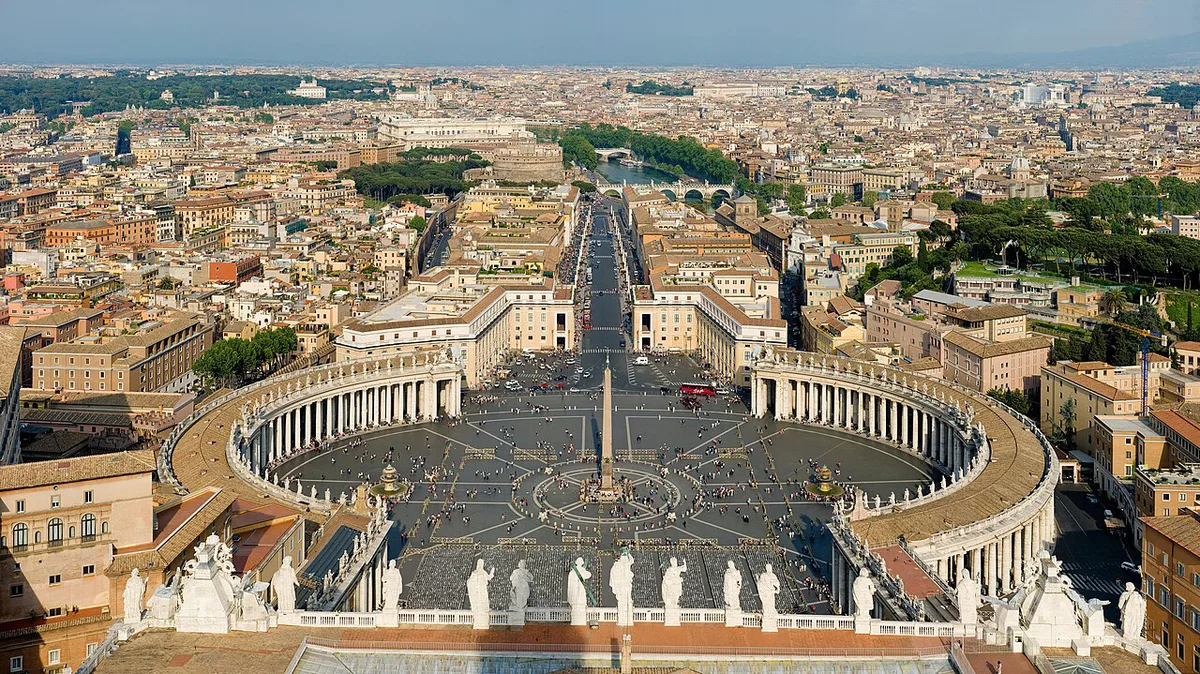
Choose a full day if you want to see the museums carefully, enter St. Peter’s Basilica, and climb the dome. You can also include St. Peter’s Square and nearby Castel Sant’Angelo without crossing the city twice.
This choice directly affects your ideal stay. A half-day Vatican visit fits comfortably into a three-day Rome itinerary. A full Vatican day is easier with four days, especially for art lovers or religious travelers. Avoid booking the Colosseum later that day, since delays at security can disrupt a fixed Ancient Rome entry time.
Further reading: Rome on Wikivoyage · Rome on Wikipedia
Frequently Asked Questions
How many days in Rome is enough for first-time visitors?
Two to three days covers Ancient Rome, Vatican City, and the historic center without over-scheduling. Three days adds enough breathing room for one extra stop, like the Borghese Gallery.
Is one day in Rome enough to see the highlights?
One day works only for cruise stops or long layovers. It covers the Colosseum exterior, the Pantheon, and the Trevi Fountain, with no time left for the Vatican Museums.
Should you visit the Vatican and the Colosseum on the same day?
Avoid combining them if possible. Each deserves a half-day minimum, and scheduling both in one day usually means rushing at least one.
Are the Vatican Museums open every day of the week?
No. The Vatican Museums are generally closed on Sundays, except the last Sunday of the month, so plan around that when booking a short stay.
How far in advance should you book Colosseum tickets?
As of 2026, the booking window typically opens around 30 days before entry. Confirm the exact release date on the official site before fixing arrival dates, since booking windows can change.