Last updated July 2026. The best time to visit Rome balances mild weather, manageable crowds, and lower hotel rates, and spring and fall consistently deliver that mix best. Summer brings intense heat and peak-season pricing, while winter offers the lowest rates but the shortest days.
Quick Answer: The Best Time to Visit Rome
Overall, spring (April-May) and fall (late September-October) give the best mix of warm-but-not-scorching days and thinner crowds at major sights. Budget travelers get the lowest hotel and flight prices from November through February, excluding the Christmas and New Year stretch. Peak sightseeing conditions, meaning shorter lines relative to summer, land in shoulder months when Vatican and Colosseum wait times ease. Start with the full Rome travel guide for the destination overview, then use the season and month breakdown below to lock in dates. First-time visitors often ask about days needed in Rome before booking flights. Travelers with only 24 hours can still hit the highlights using a one-day Rome itinerary.
Spring in Rome (March-May): The Sweet Spot
March starts cool, with average highs near 15°C (59°F) and occasional rain, then warms steadily into a comfortable stretch by May. April brings blooming azaleas along the Spanish Steps and mild afternoons around 18°C (65°F), ideal for walking tours through Centro Storico. By May, highs reach roughly 23°C (73°F) with long evenings, though Easter week and the early-May holiday cluster can spike both crowds and hotel rates. Trastevere's outdoor tables fill up on spring evenings well before peak summer, so reserve ahead for weekend dinners. Photographers should plan around the light. The top photo spots around Rome guide covers framing the Spanish Steps blooms and St. Peter's dome. Evening skyline shots get their own coverage in the best sunset viewing spots guide.
Summer in Rome (June-August): Heat and High Season
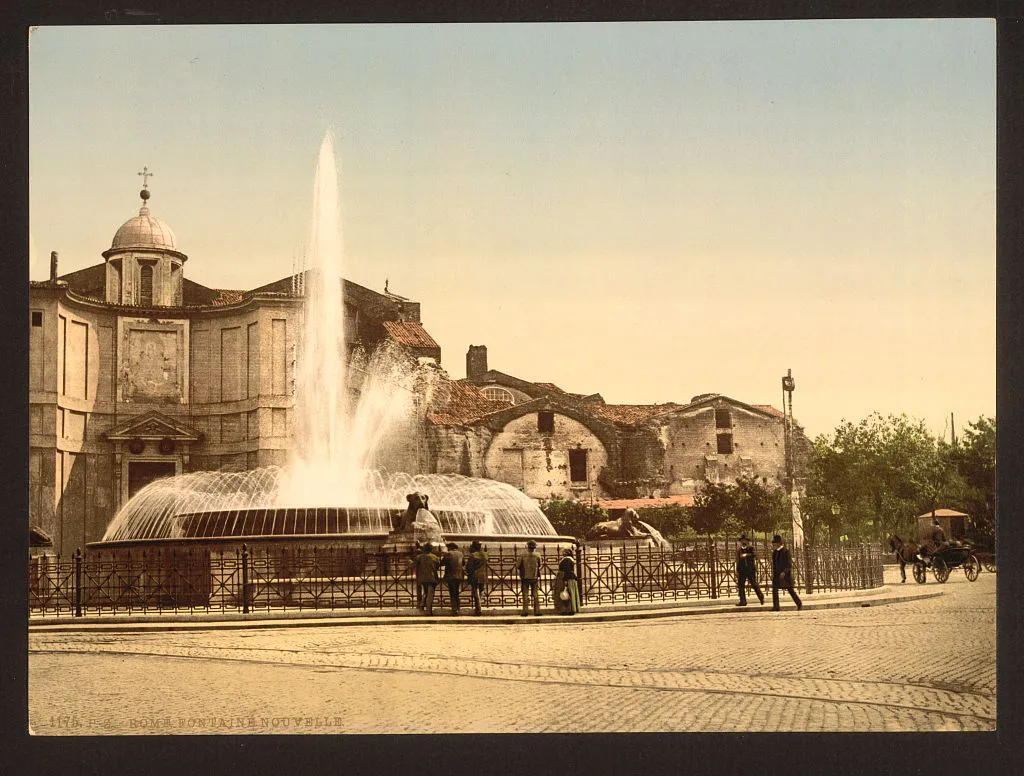
June opens the peak season with highs near 29°C (84°F) and daylight stretching past 8:30 PM, giving long evenings for outdoor dining. July and August are the hottest months, with average highs around 31°C (87°F) and spikes above 35°C (95°F) during heat waves. Crowds peak at the Colosseum, Vatican Museums, and Trevi Fountain, and midday sun on open piazzas makes walking uncomfortable without shade breaks. Ferragosto, the August 15 public holiday, empties many local shops and neighborhood restaurants for a week or more, even though the historic center stays full of visitors. Evening hours become the more comfortable way to sightsee. The nighttime things to do guide covers options once temperatures drop after sunset. Book Colosseum and Vatican Museums tickets at least 30 days ahead for these months. Always confirm current entry rules on the official ticketing sites before you travel.
Autumn in Rome (September-November): Mild Days, Wetter Skies
September stays warm, with highs around 27°C (80°F) and thinner crowds once European school holidays end. October cools to a comfortable range near 21°C (70°F), and the countryside harvest season makes it a strong month for day trips beyond the city. November is statistically Rome's wettest month, with highs dropping to about 15°C (59°F) and rain more likely on any given day. Pack a compact umbrella and waterproof shoes, and keep a backup plan ready with the rainy-day activity guide. For a countryside contrast during harvest season, the day trips beyond the city guide covers options within easy reach of Rome.
Winter in Rome (December-February): Low Season, Lower Prices
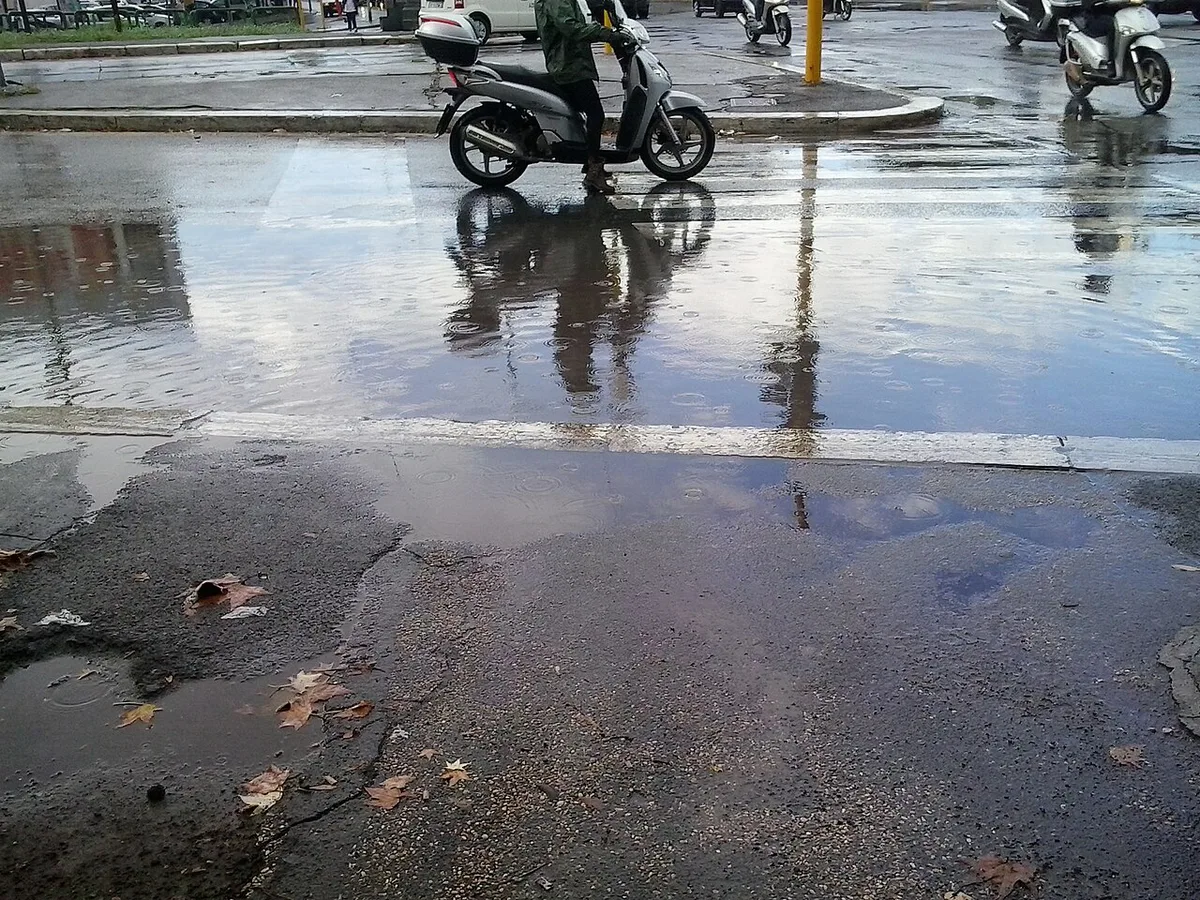
December and January bring the coolest weather, with average highs around 11-13°C (52-55°F) and sunset before 5 PM. Rain and occasional fog are common, and the Sanpietrini cobblestones get slick when wet, so grippy, waterproof shoes matter more than in summer. Hotel rates drop the most in this window. A centrally located three-star room might run roughly €90 a night in a quiet week. The same room can cost €150 or more for the same dates in July. Christmas week and the days around New Year are the exception, when prices and crowds both rise around Vatican events and holiday markets. February stays quiet apart from a short Carnevale bump, and it remains one of the cheapest months to fly into Rome. Budget-conscious travelers can fill days with the free activities around the city guide. Families visiting during the calmer winter weeks may prefer the pacing in the family-friendly Rome tips guide.
Season Comparison at a Glance
The table below lines up temperature, crowd levels, and typical hotel price tier for each season, so you can weigh the trade-offs at a glance. For a deeper look at quieter corners that stay calm even in peak months, pair this guide with lesser-known corners of Rome.
| Season | Avg. Daytime Temp | Crowd Level | Hotel Price Level | Best For |
|---|---|---|---|---|
| Spring (Mar-May) | 15-23°C (59-73°F) | Moderate, rising in May | Moderate-High | Mild weather, blooming gardens |
| Summer (Jun-Aug) | 29-31°C (84-88°F) | Very High | Highest | Long daylight, nightlife |
| Autumn (Sep-Nov) | 15-27°C (59-80°F) | Moderate | Moderate | Comfort, day trips, harvest season |
| Winter (Dec-Feb) | 11-13°C (52-55°F) | Low, except Christmas/New Year | Lowest | Budget travel, indoor sights |
Rome Month-by-Month Highlights
Each month carries its own mix of weather, events, and price pressure, summarized below.
- January - highs around 11°C (52°F); quiet streets after New Year's week; among the cheapest months to fly in.
- February - similarly cool; a short Carnevale bump in crowds and events; still low-season pricing.
- March - highs near 15°C (59°F); rain is common early in the month; crowds start building toward Easter.
- April - highs around 18°C (65°F); Spanish Steps azaleas bloom; Easter week can spike both prices and crowds.
- May - highs near 23°C (73°F); long, comfortable evenings; the early-May holiday cluster draws domestic travelers too.
- June - highs near 29°C (84°F); peak season begins; daylight lasts past 8:30 PM.
- July - highs around 31°C (87°F), with spikes above 35°C (95°F); the hottest, busiest stretch of the year.
- August - similar heat to July; Ferragosto (August 15) closes many local shops even as the tourist center stays full.
- September - highs near 27°C (80°F); crowds ease once European school holidays end.
- October - highs around 21°C (70°F); comfortable walking weather; a strong month for countryside day trips.
- November - highs near 15°C (59°F); statistically the wettest month; pack rain gear.
- December - highs around 13°C (55°F); quiet through most of the month, then busier and pricier during Christmas week.
The Best Time for Low Crowds, Budget Travel, and Sightseeing
Different goals point to different windows, even within the same season.
August doesn't offer true low-crowd relief: Ferragosto (August 15) closes many local shops for a week, but the historic center stays as busy as July, making shoulder months (April-May, late September-October) the better low-crowd target.
- Low crowds: Late January through February, or early-to-mid November, before December's Christmas rush, tend to have the thinnest crowds. Quieter neighborhoods like Monti stay relaxed even in shoulder season. For panoramic spots away from the busiest lookouts, see the quiet panoramic viewpoints guide.
- Budget travel: November through February, excluding the Christmas and New Year stretch, brings the lowest flight and hotel prices of the year.
- Sightseeing (Vatican and Colosseum): Shoulder months (April-May and late September-October) balance manageable lines with reliable weather. Plan ticket strategy with the top museums worth visiting guide. Weigh whether a paid priority pass fits your trip using the value of a Rome sightseeing pass guide.
Key Events and Public Holidays to Plan Around
Rome's calendar of religious and national holidays can shift crowd levels and prices by weeks in either direction. Rome's 2025 Jubilee Holy Year pushed visitor numbers unusually high across the city for most of that year. Check the Vatican's official calendar for any upcoming Holy Year or major religious observance before you book. Extra crowds around busy dates make efficient planning more valuable than usual. A two-day Rome itinerary pairs well with a short trip timed around a holiday. For more breathing room, a three-day itinerary option spreads major sights across an extra day.
- Holy Week and Easter Sunday (April 5, 2026): large numbers of pilgrims and tourists gather around St. Peter's Square, and hotel rates typically rise above the regular spring baseline.
- Liberation Day (April 25) and Labour Day (May 1): close enough together that many domestic travelers extend the gap into a long weekend, adding pressure to early-May dates.
- Republic Day (June 2): a national holiday that can bring extra domestic visitors and some closures around official ceremonies.
- Ferragosto (August 15): the peak of the summer holiday, when many locally run shops and restaurants close for the week even though the historic center stays busy with tourists.
- Christmas and New Year (December 24-January 1): Vatican events and holiday markets draw crowds and push prices toward summer levels for a short window.
Packing and Practical Logistics by Season
What you pack, and how you get around, should shift with the season more than most first-time visitors expect. Summer calls for lightweight, breathable clothing, a reusable water bottle, and sun protection for the hours between roughly noon and 4 PM, when open piazzas offer little shade. Winter needs warm layers, a waterproof jacket, and shoes with real grip, since Sanpietrini cobblestones turn slick in rain. Comfortable, broken-in walking shoes matter in every season, since Rome's historic center is dense with cobblestone streets and few flat, direct routes. Public transport and walking both change character with the weather. The transit and route planning guide covers options for each season. Where you base yourself also matters more in shoulder and peak months, when central neighborhoods like Centro Storico and Trastevere sell out earlier. The neighborhood lodging options guide breaks down areas by season and budget.
Pack accordingly for December's sunset before 5 PM, which limits afternoon activities after a morning museum visit, whereas June's 8:45 PM sunset enables full-day sightseeing followed by evening outdoor plans.
Common Mistakes When Timing a Rome Trip
A few recurring planning mistakes cost travelers time, money, or comfort.
- Assuming August is empty: locals and some local businesses do leave for Ferragosto, but the historic center and major landmarks stay just as crowded as July.
- Skipping advance booking in peak season: Colosseum and Vatican Museums tickets can sell out weeks ahead in summer and around Easter, pushing latecomers toward resale prices or no availability.
- Underestimating summer heat: temperatures above 35°C (95°F) are common in heat waves, and midday outdoor sightseeing without breaks can be genuinely draining.
- Packing for the wrong season: a November trip needs rain gear, not summer clothing, since it is statistically Rome's wettest month.
- Booking Easter week without a plan: Holy Week crowds concentrate heavily around St. Peter's Square, so build in extra time and book accommodations early.
How Sunset Times Affect Sightseeing and Photography
Rome’s changing sunset times can reshape a sightseeing day. In December, darkness arrives before 5 PM, leaving limited afternoon light after a museum visit. Late June sunsets occur around 8:45 PM, allowing several cooler hours for outdoor landmarks and dinner afterward.
For sunset views, reach the Pincian Terrace above Piazza del Popolo or the Orange Garden on the Aventine about 45 minutes early. These viewpoints become busy near sunset, especially on clear spring and autumn evenings. Gianicolo Hill offers a wider panorama, but allow extra travel time because it sits above Trastevere.
Photographers should visit the Trevi Fountain and Spanish Steps early in the morning during summer. Sunset hours bring warm light but also dense crowds. In winter, schedule the Colosseum and Roman Forum before lunch, then reserve shorter indoor visits for late afternoon. Check the exact sunset time for your travel date, since daylight shifts quickly around the March and October clock changes.
Further reading: Rome on Wikivoyage · Rome on Wikipedia
Frequently Asked Questions
What is the hottest month in Rome?
July and August are Rome's hottest months, with average highs around 31°C (87°F) and spikes above 35°C (95°F) during heat waves. Early mornings and evenings are far more comfortable for sightseeing than midday hours in these months.
Is Rome too crowded in the summer?
Major landmarks like the Colosseum, Vatican Museums, and Trevi Fountain get very crowded from June through August. Some local shops and restaurants close for a week or more around Ferragosto (August 15), but the historic center itself stays full of visitors rather than emptying out.
When is the cheapest month to visit Rome?
January and February, outside the Christmas and New Year period, typically bring the lowest hotel and flight prices of the year. A centrally located three-star hotel room that might cost roughly €90 a night in a quiet winter week can climb past €150 for the same room in July.
What should I wear in Rome in November?
Pack layers, a waterproof jacket, and shoes with good grip, since November is statistically Rome's wettest month, with highs around 15°C (59°F). Sanpietrini cobblestones get slick when wet, so grip matters as much as warmth.
Is it worth visiting Rome during Easter?
Easter week draws large crowds to St. Peter's Square and the historic center, and hotel prices typically rise above the regular spring baseline. It can still be worth it for the atmosphere around Holy Week, but book accommodations and major tickets well in advance, and expect longer lines than a typical April visit.