
Last updated July 2026, this guide breaks down where to stay in Rome by neighborhood rather than by star rating alone. Rome spreads across distinct rioni, so your ideal base depends on whether you want Pantheon-adjacent energy, Trastevere's late trattoria nights, or a quiet street near the Vatican. Compare the six areas below, then match your travel style to a specific base before you start filtering individual hotels.
Quick Answer: The Best Rome Neighborhood by Travel Style
Start here for a fast match between your trip style and a Rome base. The table below pairs six travel styles with the neighborhood that fits best, and the full breakdown follows in the next section.
| Travel style | Best neighborhood | Why it works |
|---|---|---|
| First-time visitors | Centro Storico | Walk to the Pantheon, Trevi Fountain, and Piazza Navona in minutes |
| Nightlife and atmosphere | Trastevere | Trattorias and bars run late into the night along the river |
| Trendy, local-feeling stay | Monti | Wine bars and boutiques between the Colosseum and Termini |
| Foodies and lower prices | Testaccio | Market culture and fewer tourists than the historic core |
| Families and Vatican access | Prati | Wide, quiet streets near St. Peter's Basilica |
| Budget and transit | Termini and Esquilino | The lowest average room rates plus direct airport trains |
The 6 Best Neighborhoods to Stay in Rome
Each neighborhood below trades something for something else, whether that's price, quiet, or walking distance to major sights. Once you've picked a base, Rome's hidden gems can round out your itinerary with stops away from the main crowds.
- Centro Storico
- Centro Storico puts the Pantheon, Trevi Fountain, and Piazza Navona within a 10-minute walk of most hotels.
- Room rates here run higher than almost anywhere else in Rome, and street noise continues past midnight near the main piazzas.
- A Limited Traffic Zone covers much of this district, so a rental car adds hassle rather than convenience.
- Monti
- Monti sits between the Colosseum and Termini, with cobblestone streets, ivy-clad buildings, and a cluster of wine bars.
- The Rome photo spot guide features the ivy-covered streets that make Monti a favorite for photo walks.
- Weekend nights get loud around the bar-heavy blocks, and some streets climb steep, uneven grades.
- Trastevere
- Trastevere keeps a medieval street layout and a concentration of trattorias covered in the best places to eat in Rome.
- No Metro line reaches Trastevere, so trams and buses handle transit connections across the river.
- Bars and restaurants stay busy long after dinner, a pattern covered in the Rome nightlife guide, so light sleepers should ask for a courtyard-facing room.
- Prati and Borgo
- Prati offers wide boulevards, upscale shopping, and a residential feel a short walk from St. Peter's Basilica and the Vatican Museums.
- It's a strong match for the family-friendly Rome guide, thanks to quieter streets and easy Vatican access.
- Several stops from the Rome's top museums list sit closer to Prati than to the historic center.
- Testaccio and San Giovanni
- Testaccio centers on market culture and working-class Roman history, with lower prices and fewer tourists than Centro Storico.
- San Giovanni, just beyond it, has drawn growing interest as a cheaper alternative to Monti with a similar local feel.
- Both need a Metro or bus ride to reach the ancient center from their edge-of-downtown location.
- Termini and Esquilino
- Termini and Esquilino carry the lowest average room rates in the city, plus direct Leonardo Express trains to Fiumicino Airport.
- The blocks around the station look gritty after dark and lack the historic-center aesthetic many travelers picture.
- It's a practical base for easy day trips from Rome, since regional and high-speed trains also depart from here.
Staying Near the Colosseum vs. Near the Pantheon
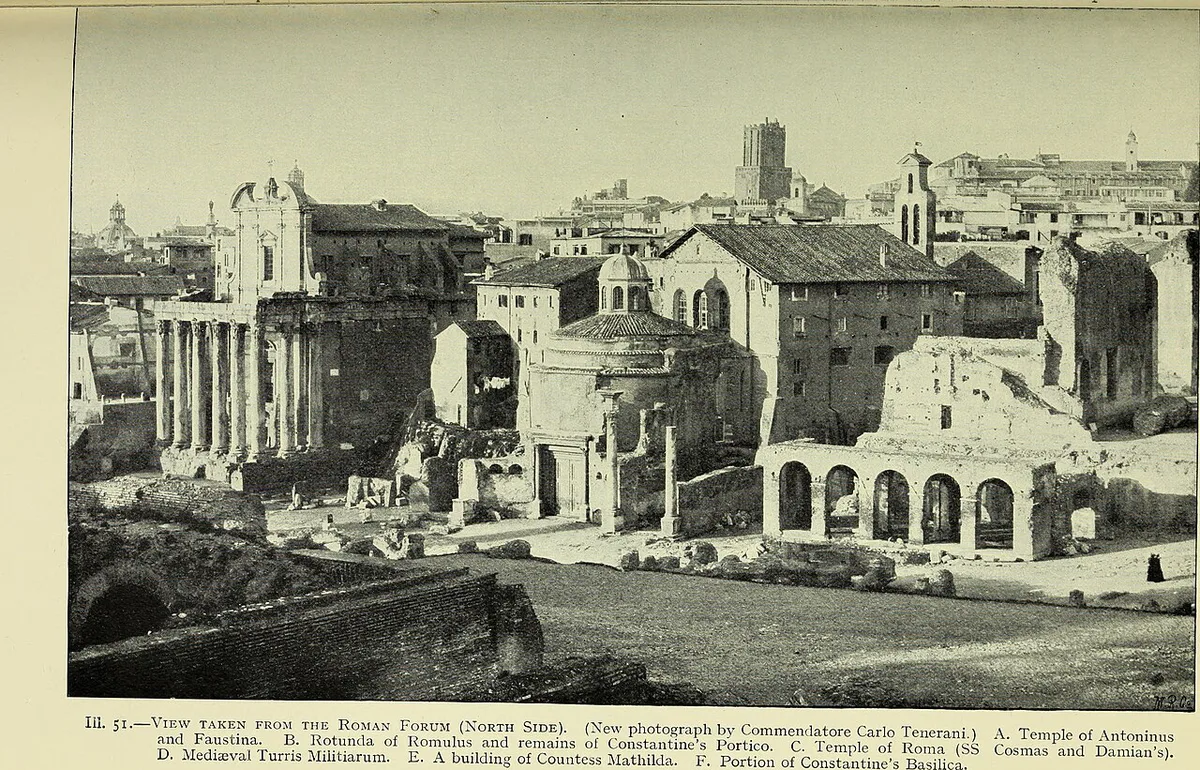
Both landmarks pull heavy day-trip traffic, but staying near one or the other puts you in a different part of the city. Hotels marketed as Colosseum-adjacent tend to sit in Monti or San Giovanni. Hotels near the Pantheon sit inside Centro Storico, the walkable historic core described above.
- Near the Colosseum
- Monti and San Giovanni sit closest to the Colosseum, with Monti offering the more walkable, transit-connected base.
- Streets that face the monument directly skew toward tourist-menu restaurants, so a block or two into Monti usually means better food.
- Near the Pantheon
- Centro Storico wraps around the Pantheon, Piazza Navona, and the Trevi Fountain in one continuous walking zone.
- Rates run higher here than near the Colosseum, and the trade-off is close to zero reliance on public transit.
Trastevere vs. Monti: Comparing the Nightlife Trade-Offs
Trastevere and Monti both draw a crowd after dark, but the noise pattern differs. Trastevere's bars and trattorias cluster along narrow lanes near the river and stay loud into the early hours. Monti's wine-bar scene concentrates on a handful of streets and tends to quiet down earlier on weeknights, then picks up again on weekends. Light sleepers should ask for a courtyard-facing room in either district, or consider Prati or Testaccio instead.
Metro Access and Walkability by Neighborhood
Rome's subway splits into Metro Line A (Red) and Metro Line B (Blue), and coverage isn't even across neighborhoods. Trastevere and much of Centro Storico sit in Metro dead zones, so buses, trams, and walking do the work there instead. The full route and frequency breakdown lives in the Rome transit guide. Check current ATAC Roma service alerts before you travel, since maintenance work occasionally closes short stretches of either line.
- Walking-only neighborhoods
- Centro Storico and Trastevere have no Metro stations inside their core streets.
- Both stay fully walkable to nearby landmarks, with buses and trams covering the longer hops.
- Metro-connected neighborhoods
- Monti, Termini, Testaccio, and Prati all sit close enough to a Metro stop for a quick ride into the historic center.
- If you'll pair Metro rides with museum entry, check whether the Rome Pass pays off for your itinerary.
- Driving and ZTL
- Centro Storico and Trastevere both fall inside Limited Traffic Zones that restrict non-resident vehicles.
- Confirm current ZTL hours with the Comune di Roma before parking a rental car near either district.
How Much to Budget and How Many Nights to Stay
Room rates vary sharply by neighborhood rather than by hotel chain alone. Rome also charges a mandatory city tax, the contributo di soggiorno, per person per night, typically collected in cash at check-in or checkout. Plan your total nights around how many days to plan for the city, then map sights with a 3-day Rome itinerary that groups stops by neighborhood. Rates shift with the season, so check the best time to visit before locking in dates.
The lowest average rates cluster in Termini and Testaccio, though both require transit to reach major sights—Centro Storico's 10-minute walk to major landmarks justifies its premium prices for proximity-focused travelers.
| Budget level | Best-matched neighborhoods | What to expect |
|---|---|---|
| Luxury | Centro Storico, Prati | Top-of-market rates for walk-to-everything convenience or Vatican proximity |
| Mid-range | Monti, Trastevere, Testaccio | Boutique hotels and B&Bs with local character at moderate prices |
| Budget | Termini, Esquilino, San Giovanni | The lowest average room rates, often paired with a longer walk or Metro ride to major sights |
Mistakes to Avoid When Choosing Where to Stay in Rome
A few recurring booking mistakes cost travelers time, money, or a rough night's sleep. Watch for these before you confirm a reservation.
- Booking "near the Colosseum" without checking the block
- Some listings marketed as Colosseum-adjacent sit in a tourist-menu zone with inflated prices and forgettable food.
- Cross-check any Colosseum-area hotel against a specific rione, like Monti or Centro Storico, rather than the landmark name alone.
- Underestimating hills and cobblestones
- Several historic districts, including Monti, run uphill on uneven cobblestone streets.
- Anyone with mobility limitations or heavy luggage should weigh this before booking several blocks from the nearest drop-off point.
- Assuming every hotel has an elevator
- Many buildings in Centro Storico, Trastevere, and Monti are centuries-old walk-ups with no lift.
- Confirm elevator access directly with the property, especially for upper-floor rooms or multi-night stays with luggage.
Further reading: Rome on Wikivoyage · Rome on Wikipedia
Frequently Asked Questions
Where should first-time visitors stay in Rome?
Centro Storico puts the Pantheon, Trevi Fountain, and Piazza Navona within walking distance of most hotels. Monti offers similar proximity to the Colosseum, generally at lower rates.
Is Trastevere or Monti better for nightlife?
Trastevere runs later and louder, with bars and trattorias busy well past dinner along the river. Monti's wine-bar scene is smaller and tends to quiet down earlier on weeknights.
Which Rome neighborhood works best for families?
Prati offers wide, quiet streets and a short walk to St. Peter's Basilica and the Vatican Museums, making it a practical family base.
What's the cheapest area to stay in Rome?
Termini and Esquilino carry the lowest average room rates in the city. San Giovanni is a quieter budget alternative near Testaccio.
Do you need to stay near a Metro station in Rome?
Not necessarily. Centro Storico and Trastevere function well on foot, buses, and trams despite having no direct Metro access.
Does Rome charge a hotel tax?
Yes, Rome collects a mandatory contributo di soggiorno per person, per night. Hotels typically collect it in cash at check-in or checkout.
What should renters with a car know before booking?
Centro Storico and Trastevere both sit inside Limited Traffic Zones that restrict non-resident vehicles. Confirm current ZTL hours with the Comune di Roma before choosing a hotel in either district.