
Rome with kids works best when big landmarks get mixed with playgrounds, gelato breaks, and slower afternoons. Families who plan ahead avoid the worst crowds at the Colosseum, the Vatican, and Trastevere's cobblestone streets. This guide breaks down which sights, museums, and parks actually hold a child's attention for more than ten minutes.
Budget for real 2026 numbers before you go. Combined Colosseum, Forum, and Palatine Hill tickets run about €18 per adult, and EU visitors under 18 enter free. For a full list of family-friendly stops, see this Rome attractions guide before you map out your days.
Must-See Rome Attractions With Kids
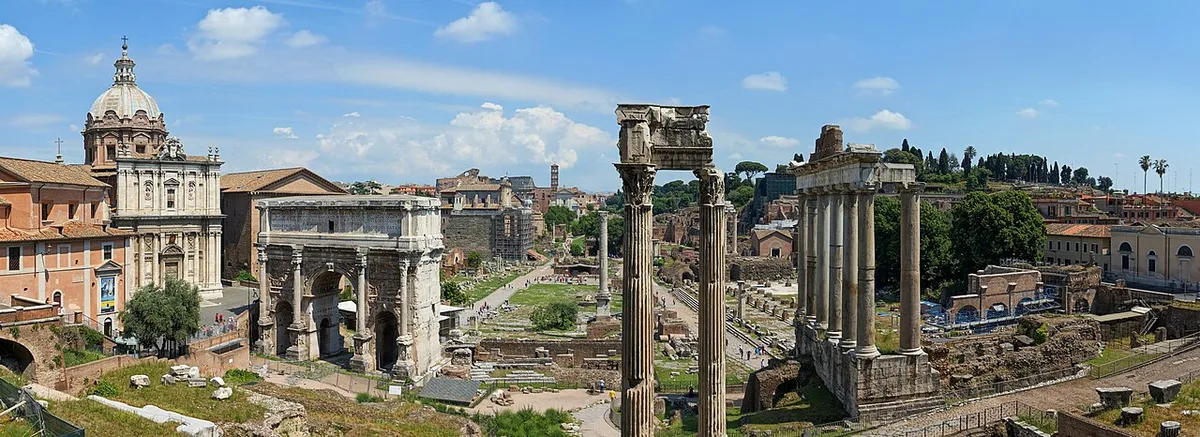
Not every Roman landmark rewards a family visit, so pick sights with open space and short lines. The Colosseum draws crowds year-round, and a Guided Colosseum & Forum Tour can skip the ticket line entirely. Kids tend to respond better to arenas and ruins they can picture gladiators fighting in, not glass display cases.
The Vatican Museums pack incredible art into narrow corridors, which can overwhelm younger children fast. A shorter, guided family route keeps the visit under two hours and focused on standout rooms. Trastevere and Villa Borghese give kids room to run once the museum crowds get to be too much.
Aim for early morning or last-entry slots to dodge peak-season lines with children in tow. Midday heat between June and August can wear kids out faster than the sightseeing itself. Pack water, snacks, and a small hand fan if you're visiting outdoor ruins in summer.
Midday heat between June and August can exhaust kids faster than sightseeing itself—plan major sites for early morning or late afternoon, and bring plenty of water and a hand fan for outdoor ruins.
| Attraction | Type | Best For | Where | Cost |
|---|---|---|---|---|
| Colosseum and Roman Forum | Ancient arena and ruins | Ages 6 and up | Central Rome, Colosseo Metro stop | About €18 combined ticket in 2026 |
| Vatican Museums and Sistine Chapel | Art museum and chapel | Ages 8 and up | Vatican City, near Ottaviano Metro | Around €20 per adult ticket |
| Trevi Fountain and gelato stop | Landmark fountain and treat break | All ages | Centro Storico, short walk from the Pantheon | Free to visit |
| Villa Borghese Gardens | Park with playgrounds and a lake | Toddlers through teens | North of Piazza del Popolo | Free park entry |
| Circus Maximus open field | Open green space, former chariot track | Kids who need to run | Near Palatine Hill and Aventine | Free, always open |
Museums, Art, and Culture Kids Enjoy
Traditional art museums can feel like a slog for young children within twenty minutes. Look for museums with interactive rooms, armor displays, or hands-on science exhibits instead. A guided Kid-Friendly Vatican Tour turns crowded galleries into a scavenger hunt for younger children.
For a full ranking of family-friendly museum picks, check this Rome museums guide. Explora, the children's museum near Piazza del Popolo, is built entirely around hands-on play. Kids climb, build, and experiment for a while, which makes it a smart rainy-day backup.
Book Vatican Museums or Colosseum underground add-ons a few days ahead during busy travel months. Weekday mornings tend to have shorter lines than weekend afternoons at every major museum. If your child loses interest fast, cap indoor museum time at around ninety minutes per stop.
Parks, Gardens, and Outdoor Spots in Rome
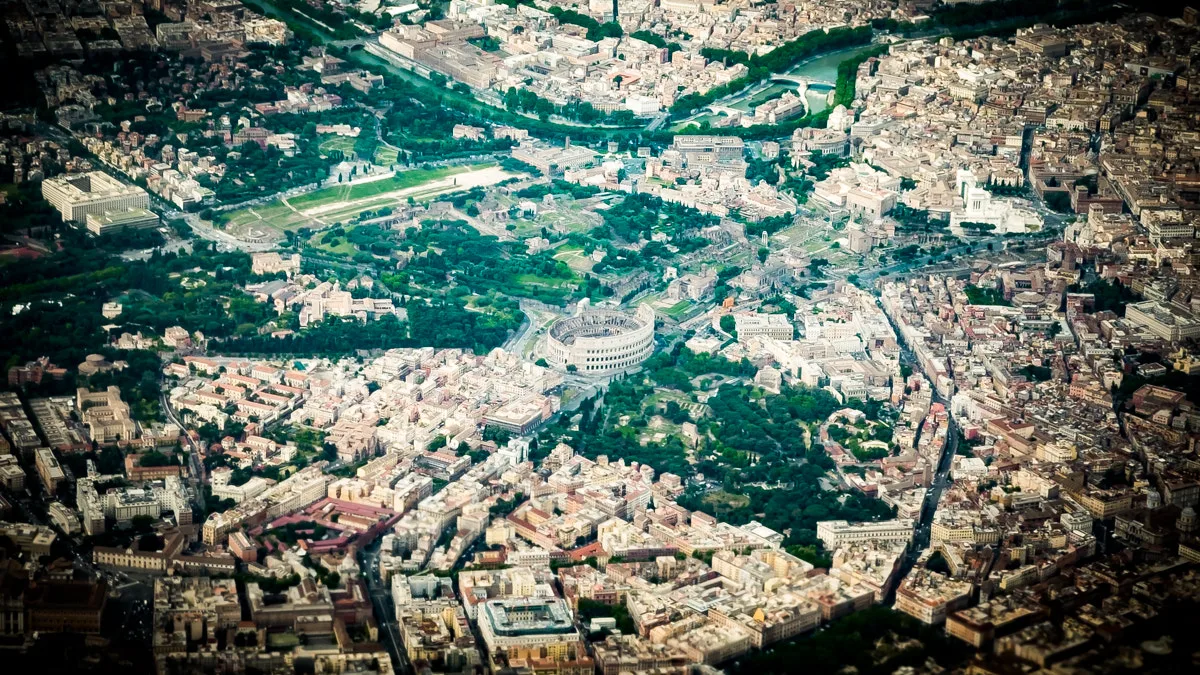
Rome balances its ruins with genuine green space, which matters after a day of walking. Villa Borghese has bike rentals, a small lake, and a zoo that keeps younger kids busy for hours. For skyline views that double as a break from the crowds, check this Rome viewpoints guide.
Circus Maximus offers a flat, open field where kids can run without dodging traffic or tourists. Nearby, the Baths of Caracalla ruins draw far fewer visitors than the Colosseum on most days. Both spots work well for a picnic lunch between morning and afternoon sightseeing blocks.
Rome's public drinking fountains, called nasoni, spill cold water around the clock at no cost. Kids find the fountains genuinely fun, and they're also really fun for kids to drink out of. Refill a reusable bottle instead of buying drinks at every stop near the ruins.
Refill a reusable water bottle at Rome's public fountains instead of buying drinks at every stop near the ruins—it saves money and keeps kids hydrated in the heat.
Family-Friendly and Budget Options
Rome doesn't require a paid ticket at every stop to keep children entertained all day. Piazza Navona's street performers and fountains cost nothing and hold attention for a solid hour. For a longer list of no-cost options, see this free things to do in Rome roundup.
Food is where families often overspend, so plan meals with kids' appetites in mind. Pizza al taglio, sold by weight, lets you buy small portions instead of full pies. Trapizzino shops and neighborhood bakeries offer cheap, filling snacks between sightseeing stops.
Watch the calendar if your trip lands near Easter Sunday or Monday in 2026. Many restaurants and some attractions close or shorten hours during those two days. Book a table or confirm opening hours in advance to avoid a hungry, disappointed family.
How to Plan a Smooth Rome Day With Kids
A family itinerary in Rome works better with fewer stops and more breathing room. Two major sights per day, spaced around a long lunch, usually beats a packed checklist. For a full pacing template, this 2-day Rome itinerary breaks the city into manageable chunks.
A transit pass can simplify logistics if your family plans to cover ground each day. Compare the cost against your planned stops with this Roma Pass breakdown before buying one. Wide-wheeled strollers manage cobblestones better, since Rome's streets are notoriously uneven.
Skip-the-line tickets matter most for families, since a bored kid in a long queue tests everyone's patience. For an activity-based break from museums, the gladiator school experience turns history into hands-on play. Book any add-on activities a few days ahead once your daily route is set.
Frequently Asked Questions
How many days do families need in Rome with kids?
Plan on at least three full days for Rome with kids, which allows two sightseeing blocks and downtime each afternoon. Shorter trips work if you focus on one or two major sights per day instead of rushing between them. Build in nap or rest breaks, especially for children under six.
What is the best age for kids to visit Rome?
Children around age six and up generally get the most from Rome, since walking, ruins, and museum queues demand patience. Toddlers can still enjoy parks, fountains, and gelato stops, but skip long museum visits with very young kids. Pace each day around naps and stroller-friendly routes.
What should families avoid when visiting Rome with kids?
Avoid packing more than two major attractions into a single day with children along. Skip peak midday hours at outdoor sites during summer, when heat and crowds peak together. Steer clear of long, formal restaurant meals when a quick, kid-friendly lunch would work better.
Is Rome a good rainy-day destination for families?
Rome still works well on wet days if you shift plans toward museums, malls, and covered markets. Check this Rome rainy-day guide for indoor backups before your trip. Keep a light rain jacket packed, since Roman weather can shift fast in shoulder seasons.
Rome with kids rewards families who slow down and mix landmarks with genuine downtime. A shorter list of well-chosen sights beats a rushed checklist every time with children along. Save room for gelato breaks, park time, and the occasional detour that isn't on any itinerary.
Start with the attractions that fit your children's ages, then build the rest of the day around them. Book skip-the-line tickets and family tours in advance during busy travel months. With the right pace, Rome with kids can feel manageable instead of exhausting.