
This 2 days in Rome itinerary is built for first-time visitors covering the Colosseum, Vatican, and historic center. Standard Colosseum entry costs about €18 per person, and gates typically open at 8:30am for most of the year. Booking that ticket early sets the pace for the rest of the two days.
Updated for 2026, this guide reflects current ticket prices, opening hours, and the Trevi Fountain's new basin fee. It groups sights by neighborhood, so Day 1 stays in the historic center and Day 2 shifts toward the Vatican. Both days assume walking as the primary way to get around, with the metro as backup.
For a full list of Rome's top sights beyond this itinerary, see this Rome attractions guide. The two days below focus on must-sees, while that guide covers the wider list worth adding on a longer trip.
2 Days in Rome Itinerary: At a Glance
Rome rewards a paced two-day visit more than a rushed one. Day 1 covers ancient sites and the historic center on foot. Day 2 shifts west to Vatican City and the northern piazzas.
Getting around is straightforward using the metro, buses, or a hop-on-hop-off bus for tired feet. Central Rome is compact enough to walk between most Day 1 stops. An e-scooter can bridge longer gaps if walking feels like too much.
Morning starts matter more than late-night stamina for this pace. Arriving at the Colosseum by 8:30am typically means shorter security lines than midday. Both days assume roughly ten hours of sightseeing with meal breaks built in. Travelers chasing skyline views can preview options in this Rome viewpoints guide before mapping stops.
- Day 1: Ancient Rome and historic core
- Morning: Colosseum and Roman Forum
- Afternoon: Pantheon and Piazza Navona
- Evening: Trastevere dinner and aperitivo
- Day 2: Vatican City and rooftop views
- Morning: Vatican Museums and Sistine Chapel
- Afternoon: Saint Peter's dome climb
- Evening: Spanish Steps and gelato
Day-by-Day: Your 2-Day Rome Itinerary
Day 1 opens with the Colosseum, Rome's most visited landmark and the anchor of any two days in Rome itinerary. Standard entry runs about €18 and includes same-day access to the Roman Forum and Palatine Hill. Gates open at 8:30am for most of the year, and early slots draw noticeably shorter lines than midday.
By early afternoon, head toward the Pantheon and Piazza Navona through Rome's historic center. Pantheon entry costs around €5 for most adults, with hours typically 9am to 7pm daily. A quick metro hop between farther stops runs about 15 to 20 minutes each way. Travelers chasing free stops can browse this guide to free things in Rome for extra options along the route.
Trevi Fountain sits between the Pantheon and dinner. As of 2026, a €2 fee applies to stand in the basin from 9am to 10pm. Viewing from a few steps back stays free at any hour. Evenings wind down in Trastevere, where narrow lanes fill with locals before dinner service starts.
A €2 fee now applies to stand in the Trevi Fountain basin from 9am to 10pm—viewing from a nearby vantage point stays free.
Day 2 shifts to Vatican City, where the Vatican Museums and Sistine Chapel typically need timed tickets booked weeks ahead. General admission runs roughly €20 to €25, though prices and time slots shift by season. Travelers weighing a combined pass can check is the Rome Pass worth it before booking. The Sistine Chapel's Last Judgment fresco finished a 2026 restoration, revealing colors hidden for decades.
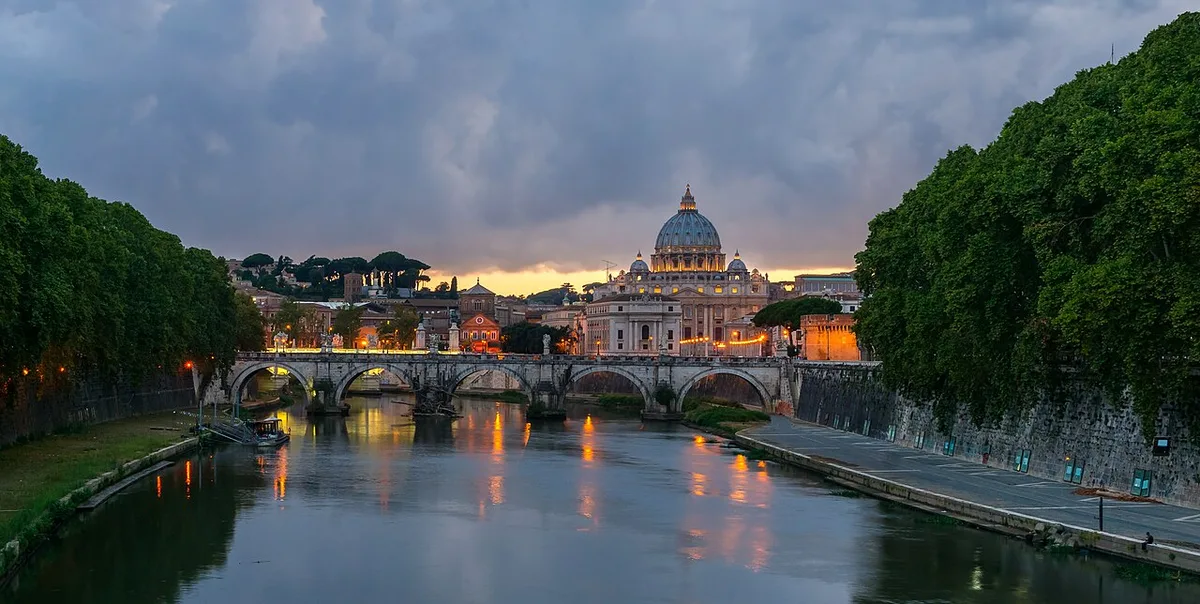
Saint Peter's Basilica is free to enter, though security lines build fast once tour buses arrive after 10am. Climbing the dome costs about €8 to €10 on-site, or more with a lift and skip-the-line booking. The Spanish Steps close the day, and sitting on the steps has been barred since 2019 to protect the stone.
- Day 1: Ancient Rome and historic core
- Morning: Colosseum tour, book 30 days ahead
- Afternoon: Pantheon, Piazza Navona, gelato stop
- Evening: Trastevere aperitivo and dinner
- Time: About 9 hours, meals included
- Logistics: Walk most stops, metro optional
- Optional: Rainy-day swap, Capitoline Museums indoors
- Day 2: Vatican City and rooftop views
- Morning: Vatican Museums, Sistine Chapel entry
- Afternoon: Saint Peter's Basilica, dome climb
- Evening: Spanish Steps, gelato, Piazza del Popolo
- Time: About 8 hours, plus queues
- Logistics: Pre-book tickets, dress code required
- Optional: Skip dome, add Castel Sant'Angelo
| Attraction | Opening hours | Entry cost |
|---|---|---|
| Colosseum + Roman Forum + Palatine Hill | 8:30am+ | €18 |
| Pantheon | 9am–7pm | €5 |
| Trevi Fountain basin | 9am–10pm | €2 fee |
| Vatican Museums & Sistine Chapel | Timed entry required | €20–€25 |
| Saint Peter's Basilica | Varies | Free entry |
| Saint Peter's dome climb | Varies | €8–€10 on-site |
Book Ahead: Colosseum and Vatican Tickets
Two stops can wreck a tight schedule if booked at the last minute: the Colosseum and the Vatican Museums. Colosseum tickets release 30 days ahead on a rolling basis, and popular dates sell out within days. Vatican Museum tickets should be booked 2 to 3 weeks ahead for the same reason.
Book Colosseum tickets 30 days ahead and Vatican Museums tickets 2–3 weeks in advance. Popular dates sell out quickly, so don't wait until arrival to plan.
Add the Borghese Gallery if a third stop fits the trip, since only 360 visitors are admitted per time slot. Reservations there are mandatory, not optional, and slots vanish fast in spring and fall. Readers weighing a broader combo ticket can compare pass options through the Omnia Rome and Vatican Pass before deciding.
The dome climb at Saint Peter's Basilica accepts walk-up visitors most days, but early morning still means shorter lines. On-site tickets cost about €8 with stairs or €10 with a partial lift. Booking online in advance runs closer to €17 to €22 and includes an audio guide. Combined admission for the two-day itinerary above lands around €45 to €55 per person before meals.
Where to Stay in Rome for a 2-Day Trip
Home base matters more on a two-day trip than a longer one, since travel time eats into sightseeing hours. The historic center near the Pantheon keeps Day 1 stops within walking distance. Monti, just north of the Colosseum, offers a quieter, more residential feel with easy metro access.
Prati, across the river from the historic center, sits closest to the Vatican for an easier Day 2 start. Rooms here tend to cost less than equivalents near the Pantheon or Trevi Fountain. Travelers comparing short-stay apartments over hotels can browse options through Plum Guide for vetted rentals in both areas.
Budget matters too, and rates swing widely by season and neighborhood. Expect higher prices from April through June and September through October, Rome's shoulder seasons. Winter months outside major holidays usually bring the lowest nightly rates across the city.
Is 2 Days in Rome Enough?
Two days covers Rome's headline sights, but it means picking a focus rather than seeing everything. First-time visitors usually leave satisfied if they stick to the ancient core and Vatican City. Travelers wanting museums, catacombs, or extra day trips should look at this 3-day Rome itinerary instead.
The itinerary above assumes roughly 8 to 9 hours of sightseeing per day, including meals. Anyone who prefers a slower pace should drop one stop per day rather than rushing all of them. Skipping the Vatican dome climb, for example, saves close to an hour without cutting a full attraction.
Rome also rewards travelers willing to prioritize by interest instead of trying to cover every major site. Art lovers might trade Palatine Hill for extra time at the Borghese Gallery instead. History-focused visitors can do the reverse and linger longer in the Roman Forum instead.
Add a Day Trip: Ostia Antica or Tivoli
With a third day, Ostia Antica makes an easy half-day add-on, roughly 35 minutes from central Rome by train. The ruins rival Pompeii in scope but draw far fewer visitors on an average weekday. Entry costs about €18 and the site is generally open Tuesday through Sunday.
Tivoli suits travelers who prefer gardens and fountains over ruins, about an hour away by regional train or bus. Villa d'Este and Villa Adriana both charge separate admission, typically €10 to €15 each. Combining both villas takes a full day, so pick one if time is tight.
Either add-on pairs naturally with the itinerary above rather than replacing a day inside Rome. Travelers exploring more of the region can also check this guide to day trips from Rome for additional options. Both destinations get busier on weekends, so a weekday visit usually means shorter lines.
Frequently Asked Questions
Is 2 days in Rome enough to see the Colosseum and Vatican?
Two days covers both landmarks along with the historic center and several piazzas. Expect a fast pace with pre-booked tickets and little downtime between stops. Travelers wanting a slower trip should plan for three days instead.
What if I only have 1 day in Rome?
One day forces a choice between ancient Rome and Vatican City, since fitting both is tight. Most first-timers pick one and save the other for a return trip. This one-day Rome itinerary walks through the trade-offs.
Do I need to book Colosseum and Vatican tickets before arriving?
Yes, both sites use timed entry and sell out on popular dates. Book the Colosseum about 30 days ahead and the Vatican Museums 2 to 3 weeks ahead. Walk-up tickets are rarely available in peak season.
How much walking does a 2-day Rome itinerary involve?
Expect 8 to 12 kilometers of walking per day across cobblestone streets. Comfortable shoes matter more than fashion for this pace. Short breaks for gelato or coffee help spread out the distance.
Is Rome safe for a short 2-day visit?
Rome is generally safe for tourists, though pickpocketing is common in crowded spots. Stay alert near the Colosseum, on buses, and around Termini station. Cross-body bags and front pockets reduce the easiest risks.
Two days in Rome means picking priorities and booking ahead rather than winging it on arrival. The Colosseum and Vatican anchor each day, with neighborhood walks and food stops filling the gaps. Confirm opening hours and prices before the trip, since both shift with the seasons.
Extend the trip with a day-trip add-on, or save the rest of Rome for a return visit. Either way, book the two must-see sites first and build the rest of the schedule around them.