

Wiesbaden's advantage in bad weather is its scale. The old spa town grew inward rather than outward, so the Kaiser-Friedrich-Therme, the Marktplatz museums and the Kurhaus quarter sit close enough that a wet day becomes a sequence of short hops rather than a transport project. You can start indoors, stay indoors and barely notice the forecast.
The city's tourist information office sits on the Marktplatz, and the German Sights city guide places it near the Town Hall and the Marktkirche. That makes it an unusually practical first stop on a wet morning: staff there can confirm what is open that day and hand you printed material instead of you scrolling under an awning.
The real decision is between two indoor experiences that sound similar but are not. A thermal bath is heat, water and quiet; a museum is standing, reading and looking. Pick one as the anchor and treat the rest of the day as flexible filler, then check current hours and admission details on the operator or city pages on the morning you set out.
Why Wiesbaden's Centre Suits Wet Weather
Central Wiesbaden was laid out for promenading visitors, which is why the spa district works even when the walking is cut short. The Marktplatz, the Kurhaus and its adjoining park sit in the same band of the city, so you can pivot from one indoor stop to another without crossing the whole town. That compactness is the real rain plan; everything else is detail.
One honest limitation: several of Wiesbaden's signature draws are outdoor. The Neroberg hill and the Nerobergbahn funicular that climbs it assume dry conditions, and the city's parks and riverside paths are fair-weather pleasures. A wet day is your chance to finally visit the indoor stop you would otherwise skip.
If you want to build the indoor plan into a wider trip, the city guide gathers the individual walk and itinerary pages in one place. Use it to compare what each attraction actually contains before you commit your wet day to one of them.
Kaiser-Friedrich-Therme: The Indoor Anchor
The Kaiser-Friedrich-Therme is the strongest rainy-day argument in the city because it is not merely a building you shelter in; the weather becomes irrelevant the moment you are inside. According to the city tourism page, it occupies an Art Nouveau structure built between 1910 and 1913 on ground where foundations of a Roman bathing site were found, and it still uses water from the Adler spring.
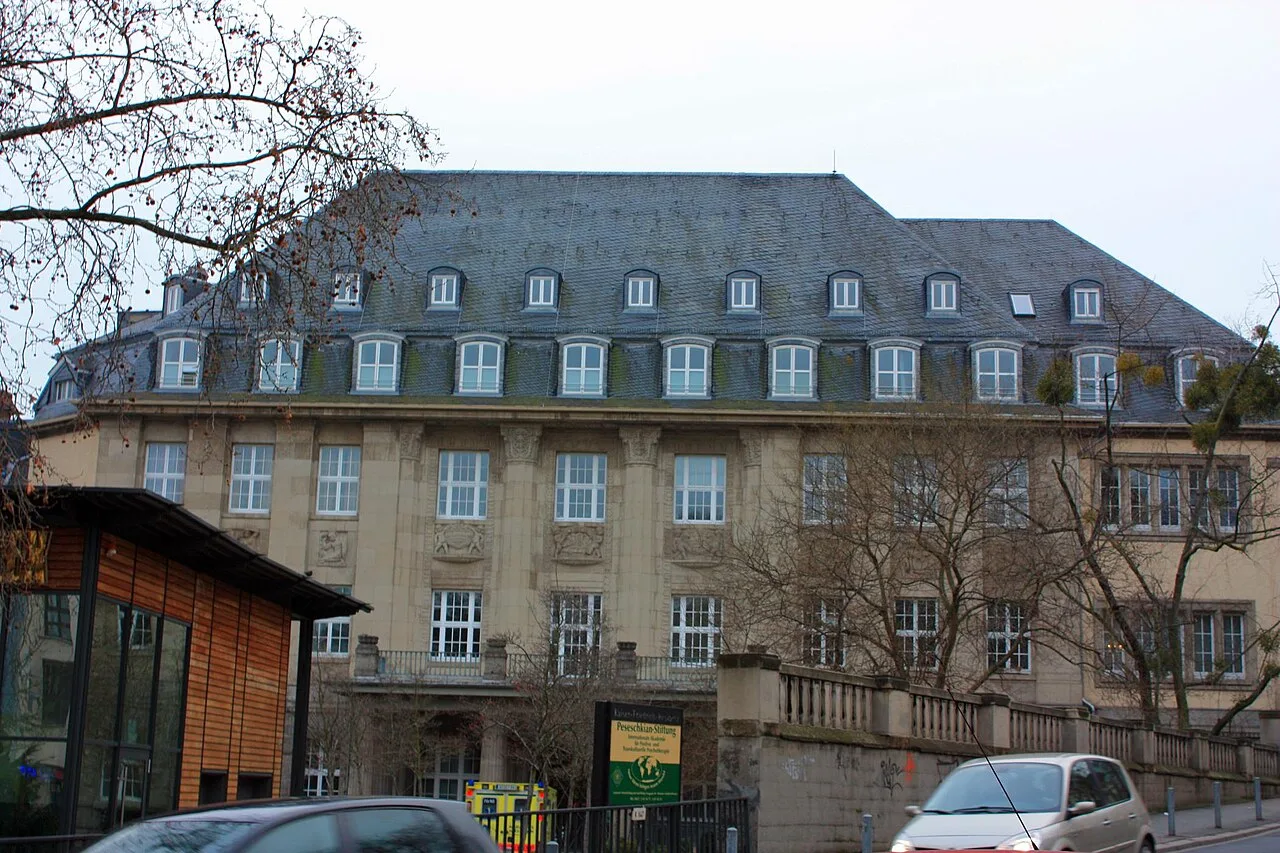
The detail that surprises first-time visitors is the water temperature. The same city tourism page states that bathers enter the historic swimming hall without clothing, and that the water there is relatively cool at around 22 degrees, because it is meant to refresh rather than to heat. The actual warmth comes from the Roman-Irish sauna landscape, with a tepidarium, sudatorium and sanarium providing the sweat-and-cool cycle the building was designed around.
Plan a leisurely visit rather than a quick dip: as a suggestion, allow two to three hours so you can move slowly through the sauna stages and cool down properly between them. The city tourism page notes that massages, a Russian steam bath, a Finnish sauna and a jacuzzi round out the offering, so the building rewards anyone willing to stay. It is operated within the mattiaqua group of Wiesbaden baths, whose site carries the practical visitor information and current admission details. For wider planning, see Museum Wiesbaden.
Before you go, settle two things on the operator's pages: current opening times and what you need to bring. Textile and towel arrangements in a historic nude-bathing facility are a genuine planning question, and rules can differ between the swimming hall and the sauna area. The operator publishes those details; treat any third-party summary, including older travel articles, as a starting point only.
For a fuller picture of what the building contains, including its Roman-Irish steam bath tradition and the figure behind its design, see the Kaiser-Friedrich-Therme visitor guide.
sam - Stadtmuseum am Markt: City History Under the Square
If the thermal bath is Wiesbaden's body, sam is its memory. The city museum page states that the Stadtmuseum am Markt occupies the market cellar beneath the square and traces the Hessian capital's history across roughly 1,300 square metres. It is a genuinely subterranean museum, which makes it feel especially appropriate on a day you would rather not be above ground.
The city service page confirms the opening window: Tuesday to Sunday from 11:00 to 17:00, with a Thursday extension to 20:00. That Thursday evening matters more than it looks. It lets you push the museum into the dark hours and keep the wet afternoon free for the bathhouse or a long lunch, instead of cramming both into daylight.
The permanent collection is built around two strands: a Nassau antiquities collection with archaeological material, and a growing collection documenting Wiesbaden's culture and everyday life from the 19th to the 21st century. Temporary exhibitions are a regular feature of the programme, and the museum keeps an archive of past shows. Check the current exhibition listing on the city site before you travel if a specific subject is your reason for going.
One practical note: sam is the municipal history museum, not the art museum. Visitors often confuse the two names, then arrive at the wrong building expecting old masters or natural history specimens. Deciding which of the two you actually want is the single most useful choice you can make before a wet day begins.
Museum Wiesbaden for Art and Natural History
Museum Wiesbaden answers a different appetite entirely. The German Sights city guide describes it as housing three collections: art nouveau, old masters and natural history, and notes it is particularly known for its works by Alexej von Jawlensky and its extensive collection of stuffed birds. For a wet afternoon it offers variety: you can move from galleries to vitrines when your attention starts to flag.
Whether it fits your day depends on how much time you have and how much you like looking. A dedicated art admirer can lose half a day here; a restless traveller with children may prefer the bathhouse. The honest test is simple: if you would rather be warm and weightless than standing and reading, choose the thermal bath and leave the museum for a drier trip.
Opening hours and the temporary exhibition schedule change through the year, and this is exactly the kind of detail worth confirming rather than assuming. Check the museum's own current information the day before, and look specifically at which galleries are open, since travelling exhibitions can close individual rooms. A quick check avoids the particular disappointment of arriving for one painting.
If you want to compare the two museum experiences before choosing, the guide to Wiesbaden's museums sets out what separates them.
Covered Wandering Near Kurhaus and Marktplatz
Not every rainy hour needs a ticket. The Kurhaus and its surrounding quarter give you a legitimate reason to be indoors without committing to an attraction. The official Kurhaus page describes it as a landmark and event venue with multiple halls and outdoor areas, so treat it as architecture to look at and pass through rather than a museum you tour. The adjoining Kurpark, with its lake and gardens, is still worth a brief look if the rain eases.
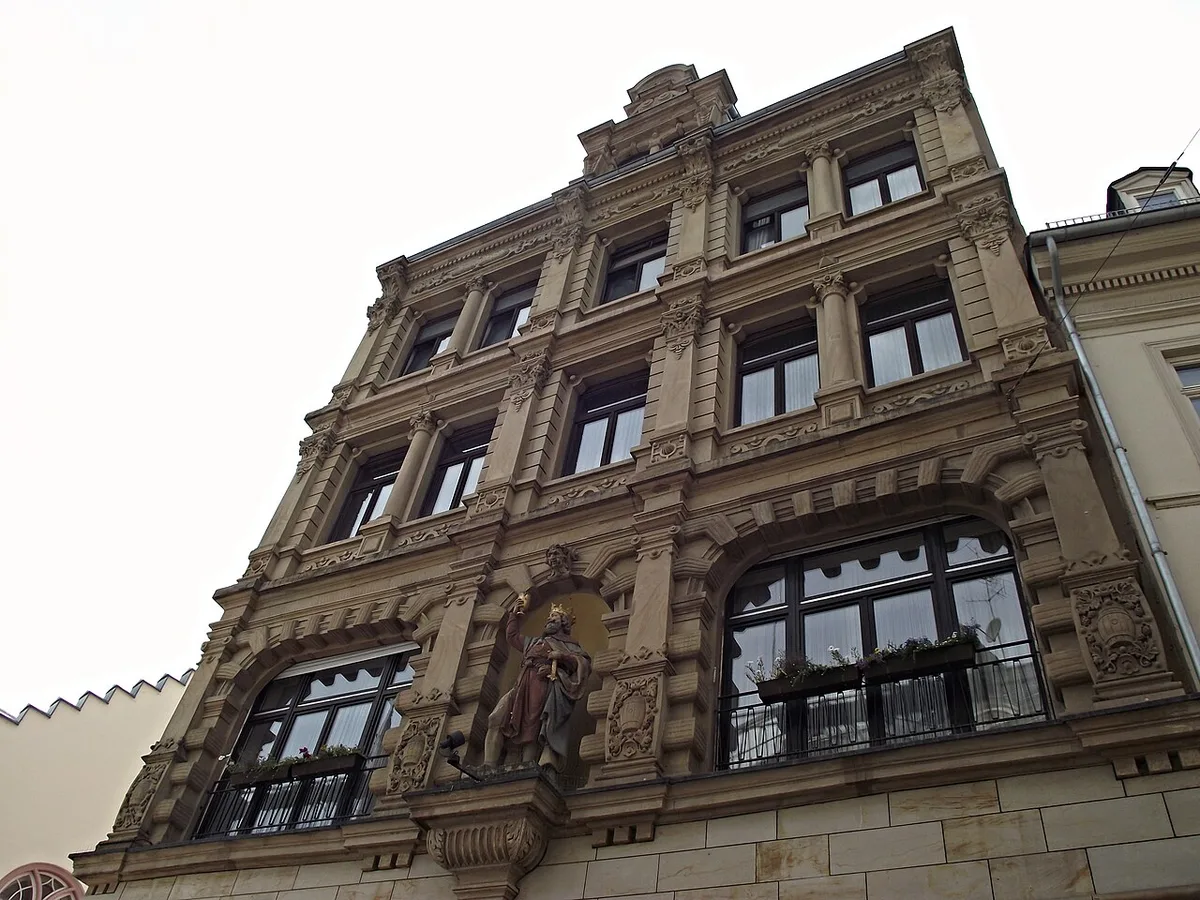
The Spielbank Wiesbaden shares the Kurhaus address at Kurhausplatz 1, and its own site lists gaming rooms, bars and a restaurant. It describes its premises as among the more beautiful gaming halls in Europe, which is a claim best judged on a short visit rather than an entire afternoon. If gambling is not your interest, the building itself and its café stop are still a sensible shelter on a wet circuit.
The Marktplatz end of the centre supplies the same function: the market square, the Marktkirche and the surrounding lanes let you move between doorways with short exposed stretches rather than long ones. This is a route planning exercise, not an attraction list. Build a rough loop from the Kurhaus quarter to the Marktplatz, and you will always be a minute or two from cover.
A Half Day Indoors Versus a Full Wet Day
For a half day, choose one anchor and accept that you will not see everything. A common and sensible pattern is the Kaiser-Friedrich-Therme in the afternoon, arriving early enough to move slowly through the sauna stages, followed by an early dinner nearby. Trying to add a museum on top usually means rushing the bath, which defeats the purpose of going.
For a full day, split the hours by energy rather than by proximity. Use the morning for a museum when you are fresh and can read and stand, take a long indoor lunch, then spend the late afternoon and early evening in the thermal bath as the weather darkens outside. If your visit falls on a Thursday, the museum's evening opening lets you reverse that order and bathe first.
If you have two wet days rather than one, the pressure disappears and you can give each anchor proper time. The second day also lets you add a third stop, such as the Hessisches Staatstheater for an evening performance, which turns a rained-out day into a scheduled one. Do not attempt three major indoor stops in a single day; two is the realistic ceiling.
Practical Wet-Weather Notes and Verification
Layer your clothing, because indoor Wiesbaden is warm and wet outdoor Wiesbaden is not. You will be shedding and re-adding a jacket between venues, and you do not want to spend a sauna visit worrying about a soaked coat. Bring a separate bag for wet outerwear and a towel if your bath visit requires one; confirm the rental situation with the operator rather than assuming.
Admission prices for the bathhouse, Museum Wiesbaden and sam are not something to take from an old travel article, because they change and because the venue may separate ticketed collections from free areas. Check the current prices on the operator's own page or at the door. If a page does not publish a price, that is a signal to ask rather than to guess.
Opening hours are the other detail that trips people up on wet days, precisely when they assume everything is open. Confirm the day's hours for the bathhouse and any museum on the morning of your visit, and note that public holidays can shift them. A two-minute check on an official page is cheaper than a wasted walk across town in the rain.
Plan Your Visit
Rain in Wiesbaden is an inconvenience, not a cancellation. The city's compact spa centre means the Kaiser-Friedrich-Therme, sam under the Marktplatz, Museum Wiesbaden and the Kurhaus quarter can all be reached in short, sheltered hops. Choose one anchor, keep a second stop in reserve, and let the forecast decide the order rather than the plan.
Treat the Thursday evening window at sam as the most useful scheduling tool, and treat the historic bathhouse as something to do slowly. Check the current hours and admission details on the operator and city pages the morning you set out, since those are the facts that change. Everything else, including the walk between stops, follows from those two checks.
Frequently Asked Questions
What can you do in Wiesbaden when it rains?
The strongest indoor options are the Kaiser-Friedrich-Therme, where you bathe in an Art Nouveau building with a Roman-Irish sauna landscape, and the two very different museums in the centre. sam - Stadtmuseum am Markt sits beneath the market square and covers city history, while Museum Wiesbaden combines art and natural history in one building. You can also spend a sheltered hour around the Kurhaus and Marktplatz without buying a ticket to anything.
Is the Kaiser-Friedrich-Therme a good rainy-day stop?
It is arguably the best one, because the weather stops mattering once you are inside. The city tourism page states that the historic swimming hall is entered without clothing and that the water there is relatively cool, around 22 degrees, so the warmth comes from the tepidarium, sudatorium and sanarium instead. Plan on staying a couple of hours to move through the stages properly, and confirm current times and what to bring on the operator's own pages.
What are the opening hours of the Stadtmuseum am Markt?
The city's service page for sam lists Tuesday to Sunday from 11:00 to 17:00, with an extension to 20:00 on Thursdays. Those Thursday hours are the useful part for a wet day, because they let you move the museum into the evening and leave the afternoon free. Hours can shift around public holidays, so confirm on the city page before you go.
Should you visit Museum Wiesbaden or the Stadtmuseum on a wet day?
They answer different interests rather than competing. Museum Wiesbaden is the art and natural history collection, known for its Jawlensky holdings, and suits someone happy to stand and read for several hours. sam is the municipal history museum under the Marktplatz, focused on the city's own past, and is the better pick if you want Wiesbaden explained rather than art surveyed. If you have two wet days, do both.
Are there covered places to walk in central Wiesbaden?
The centre is compact enough that you can move between the Kurhaus quarter, the Marktplatz and the surrounding lanes with only short stretches in the open. The Kurhaus itself is a landmark and event venue you can look at and pass through rather than a building you tour, and the Spielbank at the same address offers its own indoor rooms, bars and restaurant. Build a rough loop rather than a single destination, and you will rarely be far from cover.


