

Museum Wiesbaden, the Hessisches Landesmuseum für Kunst & Natur, occupies a single address on Friedrich-Ebert-Allee in central Wiesbaden, where art and natural history sit in one building rather than in separate institutions. Knowing that the museum covers both means the first useful decision is not when to go but what you are going for. The second decision is the day and hour you choose, because Thursday evening behaves differently from every other opening day.
A Thursday visit is the practical lever here. Every Thursday the museum is open until 9pm for its Long Thursday, and reduced admission applies from 6pm with two different scopes depending on whether you want the permanent collections alone or the special exhibitions as well. The museum café is open until 8.30pm on those evenings, so an evening visit has a clear end point.
This guide covers what is actually inside, the opening pattern you can rely on, the Thursday evening rate structure, the building itself, and how to judge how long to stay. It also flags what the museum has not published, so you know which questions to settle at the ticket desk rather than online.
What Museum Wiesbaden Actually Is
The museum describes itself as the state museum for art and nature in the Hessian state capital, and its exhibits range from prehistory to the present day. Its holdings are grouped as the Old Masters Collection, Classical Modernism, Modern and Contemporary Art, and the Natural History Collections. If you are deciding between Wiesbaden museums, choose one that matches your appetite: art and nature, or another collection entirely.
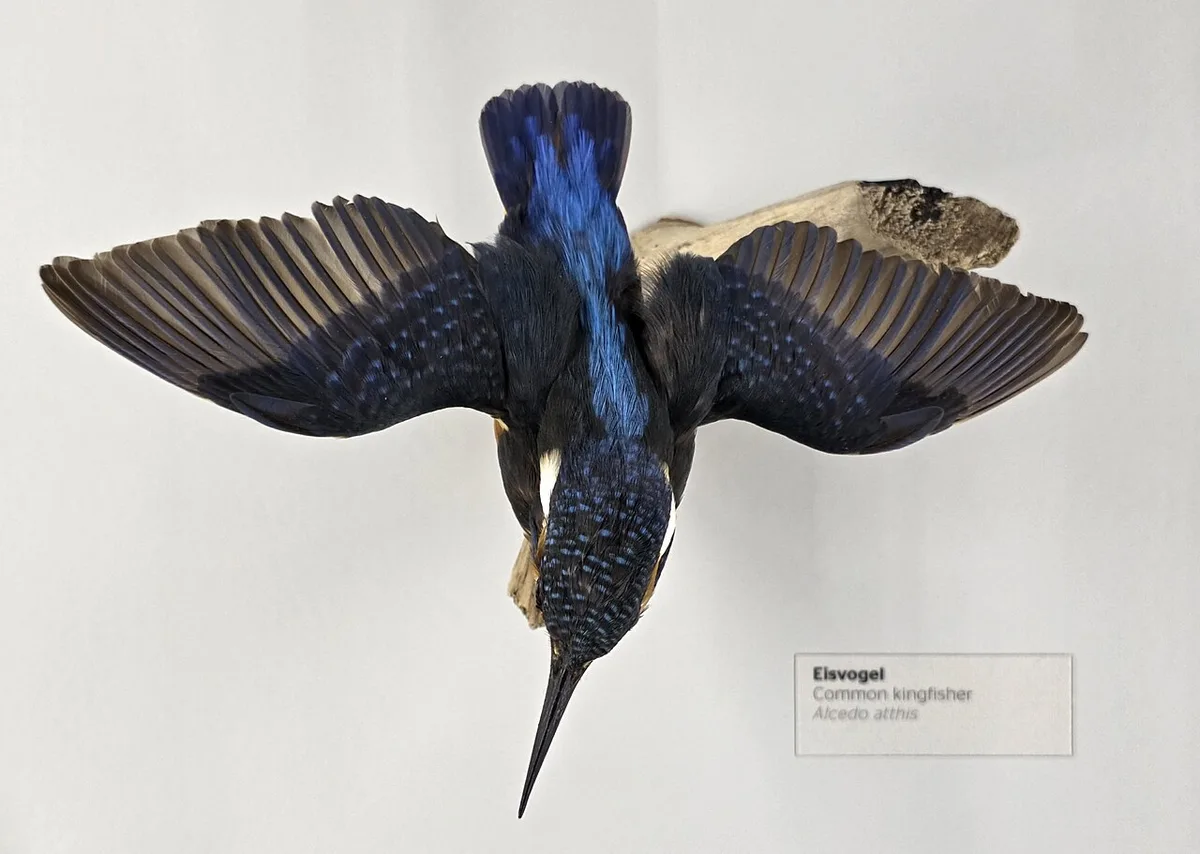
For planning purposes it helps to treat the art floors and the natural history floors as two different visits wearing one coat. Parts of the modern and contemporary art presentation have been subject to renewal in recent years, so some rooms may feel like recent work rather than a permanent hang. A focused visit still works, but expect variation between rooms.
The Wiesbaden: Itineraries and City Travel Guides collection is the place to check how the museum fits into a wider city itinerary, particularly if you only have a day or two. Occupying roughly 7,000 square metres of exhibition space makes the building larger than most visitors expect, which is precisely why picking one strand matters.
Opening Hours and the Long Thursday
The city page sets out a simple weekly pattern. The museum is closed on Monday, open Tuesday, Wednesday, Friday, Saturday and Sunday from 10am to 5pm, and open Thursday from 10am to 9pm. On public holidays it opens from 10am to 5pm and there is no Long Thursday.
The holiday rule is the one that catches people out. A Thursday that falls on a public holiday closes at 5pm instead of 9pm, so a plan built entirely around the evening window collapses on those dates. Check the German public holiday calendar for Hesse before committing to a Thursday evening, and prefer a normal Thursday if the evening is the whole point of the trip.
The Long Thursday is not simply late opening; the museum programme describes after-work tours, lectures and workshops alongside it, and the museum café stays open until 8.30pm on those evenings. That café closing time is the real ceiling on an evening visit, since the last hour is for looking rather than sitting. If you want a drink afterwards, aim to finish in the galleries before the café stops serving.
Thursday Evening Reduced Admission and Ticket Scope
Reduced admission applies from 6pm on Thursdays, and the city page treats it as two scopes rather than one ticket. Entry to the permanent exhibitions is four euros, while admission that includes the special exhibitions is nine euros. These are the evening rates only; the museum publishes its full pricing and ticket options separately.
That distinction matters the moment a temporary show is on. If you pay for permanent exhibitions only and then decide you want the special exhibition too, you have bought the wrong scope, so decide before you reach the desk. Standard daytime prices, concessions, family tickets and annual passes are not covered here; the museum's own tickets page is where those current figures live, and they can change between seasons.
Do not assume every museum in a complex shares one ticket, and do not assume the reverse either. The evening rate covers what the city page says it covers, and anything else, such as guided tours or events, is priced separately by the operator. Buying online in advance is offered through the museum's shop, which is worth checking if a popular temporary exhibition is running.
The Building: Three Collections Under One Roof
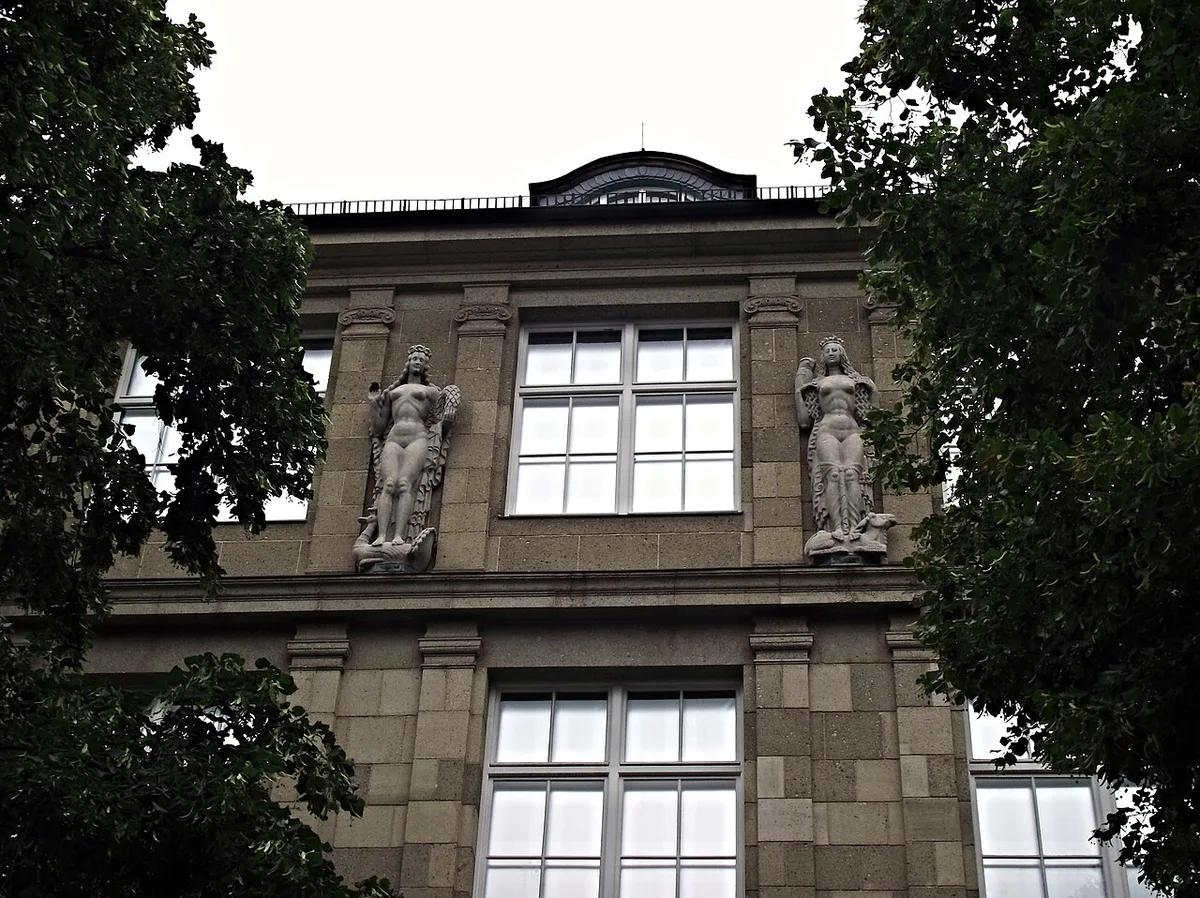
The building was constructed between 1913 and 1915 to plans by Theodor Fischer, and it was designed from the outset to hold three separate collections at once: Nassau antiquities, natural sciences, and a picture gallery. Two wings flank a recessed entrance formed as a columned portico. That original three-collection design is historical; it explains the layout rather than describing exactly what hangs where today.
The picture gallery opened first, on 1 October 1915, and the natural sciences collection moved in the same year, while the natural history museum and the Nassau antiquities department did not reopen to the public until 15 July 1920. The city page gives the construction span as 1912 to 1920, so the two sets of dates describe different things: the shell and the galleries, then the full public opening after the war.
Architecturally, the interest is in the section rather than the elevation. The facade is pale stone, symmetrical and deliberately plain, and the way roof lights sit over the picture galleries shows how the building was tuned for looking at art. Notice how the wings differ from each other as you move through, because that is the three-museums-in-one-coat idea made visible.
How Much Time to Allow
Our suggestion, not the museum's, is to allow about two hours for a focused art visit covering either the Old Masters and Classical Modernism or the modern and contemporary floors, without trying to do both properly. A natural history visit is a similar length if you concentrate on the specimens and geology rather than reading every label. These are planning figures for pacing, and the operator does not publish an official recommended duration.
A temporary exhibition changes the arithmetic. Add roughly an hour if you intend to see a special show at a reasonable pace, which is why the nine-euro evening admission scope exists as a separate option. If you arrive after 6pm on a Thursday with only two hours before the café closes, choose one strand rather than spreading thin across art and nature.
Trying to cover art and natural history in a single visit is possible but rarely satisfying, since the two demand different kinds of attention. A better pattern is one deep visit for the subject you came for, and a second short visit for the other, which is exactly the kind of choice discussed in the guide to choosing among Wiesbaden museums.
The Jawlensky Strand and the Modern Art Holdings
The museum's art collections run from Old Masters through Classical Modernism to Modern and Contemporary Art, and Alexej von Jawlensky belongs to that modern strand rather than to a separate museum. His work sits within the modern art holdings, and the museum has long been associated with him as a core part of the Wiesbaden collection. How much of it is on view at any moment depends on the current hang and on which rooms are being refreshed.
Whether Jawlensky's works are ticketed separately is not something the available sources settle, so treat the general admission structure as the thing to confirm at the desk rather than assuming a dedicated ticket. What you can rely on is the broader picture: the modern and contemporary presentation has been subject to renewal, and the collection is presented within the permanent holdings rather than as a detached display. Anyone specifically travelling for Jawlensky should check the museum's own collection and exhibition pages before fixing a date.
The same caution applies to the Jugendstil and Symbolism material, which the museum lists as a collection presentation within its programme. These are strengths of the house, but a collection being a strength and a collection being on show are different claims.
Current Exhibitions and Planning Your Route
The museum's own site carries the current exhibition calendar, and that is the only reliable source for what is on during your dates. The programme listed there includes temporary presentations with their own run dates, alongside collection displays and study exhibitions. Build your route from what is actually showing rather than from a fixed mental map of the floors.
Because temporary shows come and go, the ticket scope you buy should follow the show you want, not the other way round. If a special exhibition is the reason for your trip, the nine-euro evening option that includes special exhibitions is the correct purchase; if not, the permanent-collections rate is cheaper. Check the run dates against your travel dates directly, since exhibitions close and change without notice on this page.
The museum also offers a free app with audio guides and themed tours, which can help you pace a visit when you have a fixed window. It is not a substitute for the printed orientation plan, but it does make a short visit easier to structure.
Two Museums, Two Days: The Reinhard Ernst Reduction
There is a cross-ticket reduction between Museum Wiesbaden and the Museum Reinhard Ernst, and the mechanism is specific. If you buy a full-price ticket at the Museum Reinhard Ernst, you receive reduced admission at Museum Wiesbaden, and a regular day ticket at Museum Wiesbaden gives you a reduced admission at the Museum Reinhard Ernst. The discount is valid on the day you buy your admission ticket and on the following opening day, so you show the full-price ticket at the other museum's desk.
Read that as a two-museum, two-day arrangement rather than a vague partner discount. The following opening day rule matters because a Monday closure at one venue pushes the second visit later in the week. It is a reduction, not a combined ticket, so expect to pay something at both museums. Terms beyond the stated reduction, such as which ticket categories qualify, should be confirmed at the ticket offices.
Practical Details: Café, App and Access
The museum café is open until 8.30pm on the Long Thursday and offers snacks and drinks, which makes the evening window workable rather than rushed. Outside that evening, café timing is not something the available sources state, so treat the Thursday note as the only reliable café anchor. If a sit-down stop is part of your plan on another day, confirm on arrival.
Accessibility, cloakroom arrangements and security rules are all published in the museum's own visitor information and on its accessibility page. Those pages are maintained by the operator and are the correct place to check specific needs, from step-free routes to what can be brought into the galleries. Do not rely on third-party summaries for these details, since requirements are updated by the museum itself.
The museum is on Friedrich-Ebert-Allee in central Wiesbaden, within walking distance of the main station area; how long that walk takes depends on your pace and which exit you use. Wiesbaden's own transport information is the right source for tram and bus connections rather than any route description here. For a wider look at the city, the Kurhaus Wiesbaden visitor guide covers another central landmark that pairs naturally with a museum afternoon.
Where It Fits in a Wiesbaden Day
A museum visit works well as the indoor half of a Wiesbaden day, particularly when the weather is against you, which is why it appears in Wiesbaden on a rainy day as a default wet-weather option. The building is central enough that you can pair it with the spa-town core rather than treating it as a separate excursion. That matters most for short stays, where travel time between attractions is the real cost.
If you want a second day out rather than a second museum, the Eberbach Abbey day trip from Wiesbaden takes you into the Rheingau wine country and gives a very different kind of visit. It is a full-day proposition, so it does not combine comfortably with a long museum session. Kloster Eberbach is the anchor of that route, and it suits travellers who want landscape and architecture rather than galleries.
Choose the Thursday evening if your priority is the museum with light crowds, and a weekday morning if your priority is the natural history floors at an unhurried pace. Either way, decide on art or nature before you arrive and treat the second strand as a reason to return. That single decision does more for the visit than any route plan.
Plan Your Visit
Museum Wiesbaden rewards a deliberate plan rather than a spontaneous wander. Pick art or natural history, choose a normal Thursday evening if the reduced admission and late closing suit you, and remember that the café stops at 8.30pm. Avoid public-holiday Thursdays if the Long Thursday is the reason you chose that day.
Before travelling, confirm current ticket prices, any special exhibition run dates, and accessibility arrangements on the museum's own site, because those are the details that change. Everything else, from the Monday closure to the weekly opening pattern, is stable enough to build a day around. With one collection chosen properly, a two-hour window becomes a good visit rather than a hurried one.
Frequently Asked Questions
What are the opening hours of Museum Wiesbaden?
The museum is closed on Mondays. It opens Tuesday, Wednesday, Friday, Saturday and Sunday from 10am to 5pm, and Thursday from 10am to 9pm for the Long Thursday. On public holidays it opens from 10am to 5pm and the Long Thursday does not run. Because holiday arrangements and exceptional closures can change, confirm the day you plan to visit on the museum's own site before setting out.
Is Museum Wiesbaden open on Mondays?
No. Monday is the weekly closing day, following the usual German museum pattern. Tuesday through Wednesday and Friday through Sunday the museum opens from 10am to 5pm, and Thursday stays open until 9pm. If your trip is built around a Monday, plan a different Wiesbaden attraction for that day and keep the museum for the rest of the week.
How much is admission to Museum Wiesbaden on Thursday evening?
Reduced admission applies from 6pm on Thursdays, with two scopes. Entry to the permanent exhibitions costs four euros, and admission that includes the special exhibitions costs nine euros. Those are the evening rates published for the Long Thursday; standard daytime prices and concessions are separate and should be checked on the museum's own tickets page, since they can change.
What is the Long Thursday at Museum Wiesbaden?
Every Thursday the museum stays open until 9pm instead of the usual 5pm, with reduced admission applying from 6pm. The museum programme describes after-work tours, lectures and workshops alongside it, and the museum café stays open until 8.30pm on those evenings. On a public holiday Thursday, the museum closes at 5pm and there is no Long Thursday, so check the calendar before planning an evening visit.
Does the Thursday reduced ticket include special exhibitions?
There are two Thursday evening scopes rather than one. Permanent exhibitions alone cost four euros from 6pm, while admission including the special exhibitions costs nine euros. If a temporary exhibition is the reason for your visit, choose the higher scope at the desk, because the permanent-exhibitions rate does not cover it. Decide before buying, since upgrading afterwards means a second transaction.
What is in the Jawlensky collection at Museum Wiesbaden?
Alexej von Jawlensky sits within the museum's modern art holdings, alongside Classical Modernism and Modern and Contemporary Art, rather than in a separate building. How many works are on view at a given time depends on the current hang and on rooms under renewal, so check the museum's own collection and exhibition pages if Jawlensky is your main reason for visiting. Whether his works are separately ticketed is not something the museum's public information settles, so ask at the desk.
How much time should I allow for Museum Wiesbaden?
As our suggestion rather than an official recommendation, allow around two hours for a focused visit to either the art floors or the natural history floors, not both properly. Add roughly an hour if you also want to see a temporary exhibition at a reasonable pace. The museum does not publish an official recommended duration, so treat these as pacing figures and adjust to how much you read and linger.
Can I see the art and natural history collections in one visit?
You can walk through both in a single visit, but the two demand different kinds of attention, so a focused visit to one usually feels more worthwhile than a hurried pass through both. The building was designed to hold art and natural history under one roof, which makes the choice easy to make on arrival once you see the layout. If you have only one afternoon, commit to one strand and save the other for a return.


