

Würzburg rewards a split rather than a sprint. The city's two headline sights sit on opposite sides of the Main, and each one justifies a half day or more once you count the surrounding streets, gardens and riverbank. Cramming both into a single day means rushing the interiors and skipping the old town.
The plan below gives Day 1 to the Würzburg Residence and the compact old town the city tourism portal groups around the cathedral, Neumünster and Marienkapelle, then Day 2 to Marienberg Fortress, the riverfront and the Franconian wine context. Treat the order as a suggestion you can flip once you have checked the fortress opening hours.
One honest caveat shapes everything: the Residence interior is a ticketed visit with limited capacity, and this guide deliberately avoids quoting its prices, hours or booking status because those change and belong to the operator. Instead you get a realistic alternative if the interior does not work out on your dates.
Why the Two-Day Split Works
Würzburg's UNESCO-listed Residence is a palace and garden ensemble on the town side of the river, while Marienberg Fortress is a hilltop stronghold above the opposite bank. They are different kinds of visit: one is largely an interior tour with a formal garden attached, the other is mostly outdoor ground with separately run museums inside. Trying to do both properly in one day means cutting every stop short.
The city also has a free layer that does not need a ticket at all. The Old Main Bridge, the market square around the Falkenhaus and the riverfront are open to anyone, and they sit naturally at the end of a Residenz day. That is why Day 1 ends downtown rather than heading uphill.
If you have already read a One day in Würzburg itinerary, you will recognise some of these stops compressed into a single sweep. Two days let you slow down and add the fortress day properly instead of racing between them.
How to Choose Your Order
Check the Marienberg Fortress outdoor-area hours before you lock in the sequence. The Bavarian Palace Administration lists April to October as 9 am to 6 pm and November to March as 10 am to 4.30 pm, with Mondays closed except for listed exceptions including 6 January, Easter Monday, 1 May, Whit Monday, 15 August, 3 October and 1 November.
Those hours apply to the outdoor area, not to the Museum für Franken inside the fortress, so treat them as the frame for your hilltop time rather than a promise about the museum. The operator also notes that the bus to Festung runs April to October only, which matters if you prefer not to walk uphill.
A simple rule: put the fortress day on whichever of your two days is not a Monday, and put the Residenz day on the other. If both days are Mondays, the old town, bridges and riverbank still work, but the fortress grounds will not.
Day 1 Morning: The Würzburg Residence
Start with the Residence because it is the stop most likely to be constrained by capacity or a time slot. Book through the operator's own channels rather than a reseller, and build your morning around whatever entry window you secure. The Würzburg Tourist Information & Ticket Service in the Falkenhaus is a useful second point of contact for visitor questions.
Inside, the Residence is a ticketed interior visit with its famous staircase and ornate rooms. Do not assume the court garden is covered by the same arrangement; treat the garden as outdoor space you can enjoy separately, and check the current terms at the entrance or on the operator's page before you plan around them.
Budget roughly two to three hours here if you want the interior and the garden without hurrying. That is a suggested duration, not an official figure, and it will stretch if you linger over the frescoes or queue for entry.
Day 1 Midday: Cathedral, Neumünster and the Old Town Cluster
From the Residence, head into the old town, where the city tourism portal groups the cathedral, Neumünster with the Lusamgärtlein and the Marienkapelle as one walkable cluster. The cathedral is a Romanesque building with baroque stucco interior and a long history; the Lusamgärtlein beside Neumünster is a small, quiet courtyard associated with Walther von der Vogelweide.
These are working churches rather than ticketed attractions, but services and restoration work can restrict access, so check locally on the day. Keep this stretch loose: it is the part of Day 1 where wandering pays better than a fixed checklist.
If you want to see the old town's churches with more context, the city's own landmark listings are worth reading before you go. For a broader sense of how this cluster fits a shorter visit, compare it with a One Day in Würzburg plan.
Day 1 Afternoon: Falkenhaus, Market Square and the Old Main Bridge
The market square and the Falkenhaus sit at the heart of the old town. The square is a natural pause for a coffee or a snack, and the tourist information service operates from the Falkenhaus, which makes it a sensible place to confirm hours and conditions for the rest of your trip.
From there, walk to the Old Main Bridge, the 16th-century stone crossing lined with statues of saints and historical figures. It functions as a social hub as much as a crossing, with views back toward Marienberg Fortress and along the Main, and it costs nothing to walk.
The riverfront below the bridge is the free, unbooked stretch of your day. It is also the best place to end Day 1 if the weather is kind, because you get the fortress silhouette from below before you climb it the next morning.
Day 1 Evening: Franconian Wine and the Bocksbeutel
Würzburg sits in the centre of Franconian wine country, and the region's signature vessel is the bocksbeutel, the flattened round bottle you will see in shop windows and on wine lists. The city tourism portal devotes a section to Frankenwein, Weingüter and public wine tastings, which is the right place to check what is running during your stay.
Rather than naming a tavern, pick an area: the lanes around the market square and the streets behind the riverfront are dense with wine rooms and Franconian kitchens. Third-party guides list places such as Backöfele, Gasthaus Alte Mainmühle, Würzburger Ratskeller and Bürgerspital-Weinstuben as examples of the categories you will find, not as fixed recommendations.
Menus, opening days and reservation policies shift constantly, so confirm on the door or by phone rather than trusting a listing. A glass of Silvaner or a Müller-Thurgau is the low-risk introduction if you are new to the region.
Day 2 Morning: Marienberg Fortress Outdoor Area
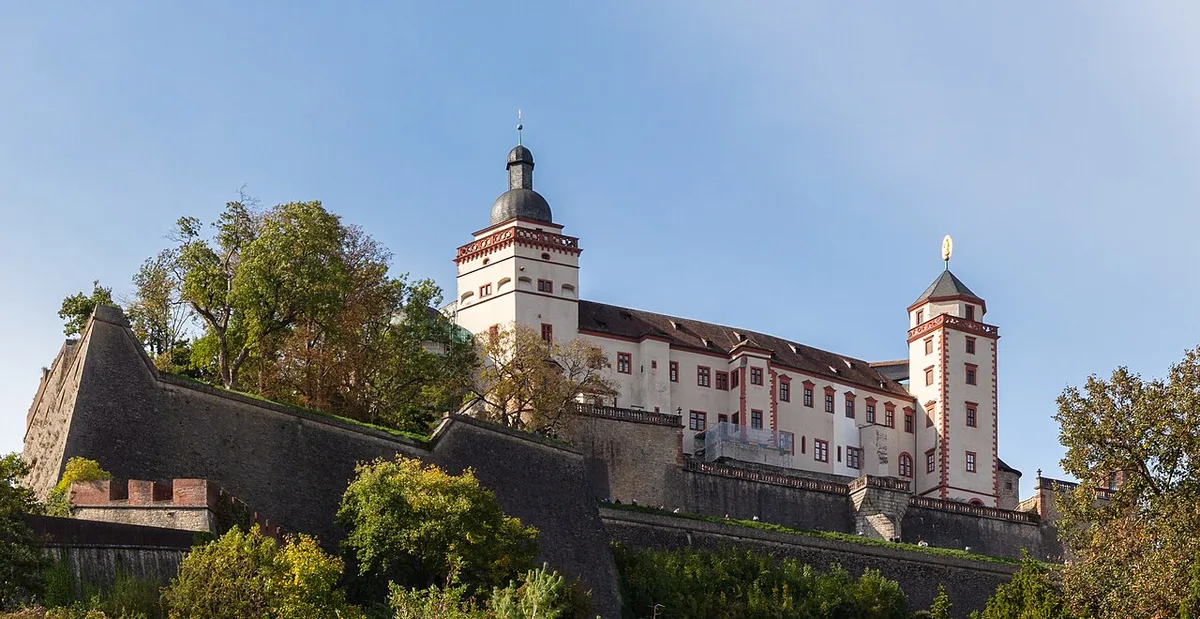
Cross the river and climb to Marienberg Fortress, the seat of the Würzburg prince-bishops for roughly half a millennium from around 1250 to 1720. The site includes St Mary's Church, the forty-metre keep and the well house with a cistern more than 100 metres deep, all of which sit within the fortress grounds.
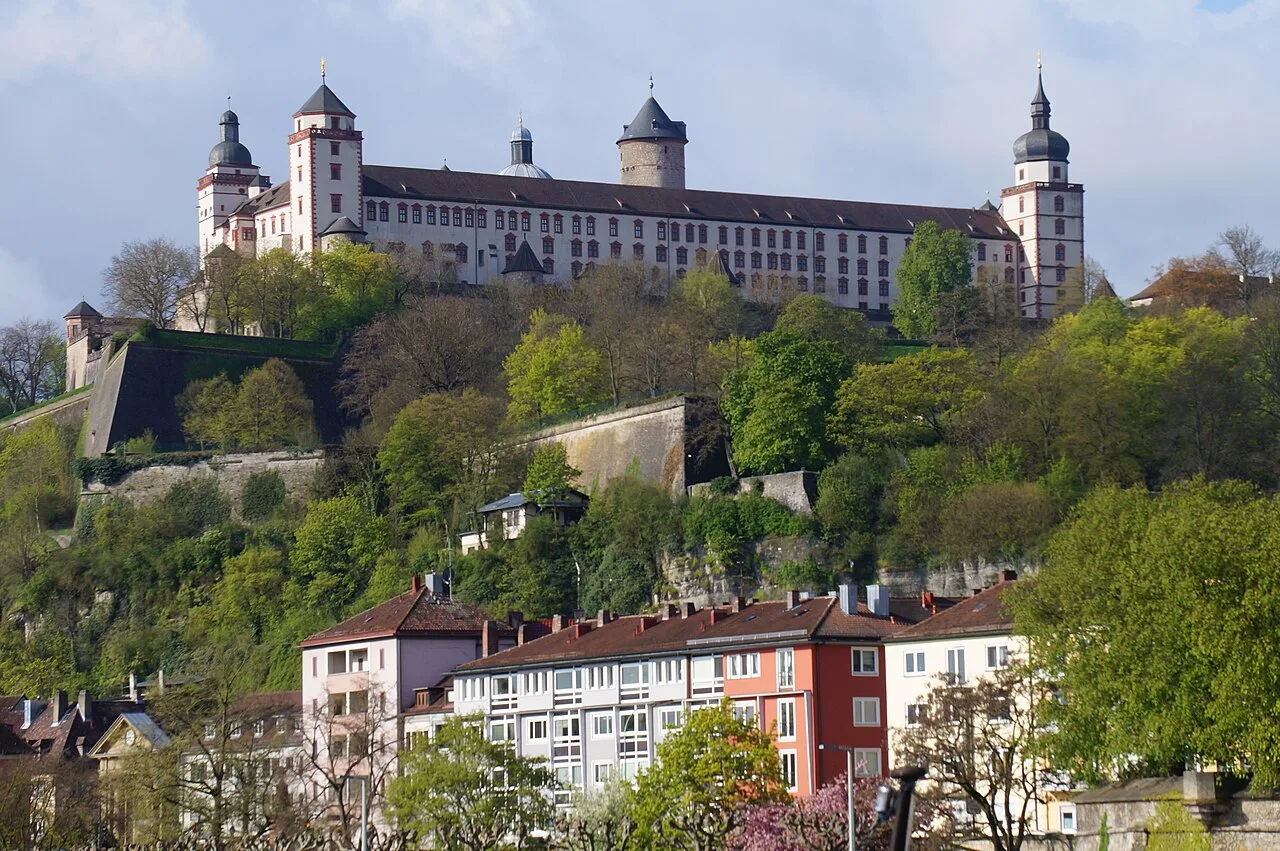
Before you go, read the operator's current construction notice carefully: the main castle and the inner castle courtyard from the Scherenberg Bridge are closed to individual visitors until further notice, while the Echterhof, the second courtyard, and the viewing points around the castle remain accessible. Guided tours of the entire grounds continue, but the route may be adjusted at short notice.
The operator states that wheelchair users cannot take part in the castle tours, so if that affects your group, plan the fortress as a grounds-and-views visit instead. Registering for a tour by phone is recommended, and the operator lists English tours in April to October on weekends and public holidays at 3 pm.
Day 2 Midday: Princes' Garden and the Museum für Franken
The Princes' Garden, a 1,300 square metre terrace garden reconstructed from early 18th-century plans, is reached from the castle courtyard and is one of the fortress's calmest corners. It pairs naturally with the viewing points around the walls, which give you the classic look back over the river to the old town.
The Museum für Franken occupies the Arsenal and the Princes' Building and is not operated by the Bavarian Palace Administration. That matters because it means the museum cannot be visited with the Palace Administration's annual season tickets or 14-day tickets, and you should not assume a fortress tour ticket covers it either.
The operator also confirms the museum remains open despite the construction work on the main castle. Check the museum's own opening times and admission separately, since they are not the same as the outdoor-area hours.
Day 2 Afternoon: Käppele and the Walk Down to the River
The Käppele pilgrimage church is a natural extension of the fortress day, sitting above the river on the same side of the Main and reachable on foot from the fortress area. The city tourism portal lists it among the city's principal sights, alongside the fortress and the Old Main Bridge.
From there, descend toward the river and finish with the riverfront or a return across the Old Main Bridge. Descending is the point: it gives you a second, lower angle on the fortress and the vineyards that climb the slope beneath it.
Keep this afternoon flexible. If the fortress tour ran long or the weather turned, the descent and the bridge are the parts you can trim without losing anything essential.
Day 2 Alternative: Vineyard Walk or Wine-Country Framing
If a second interior museum does not appeal, swap the museum block for a vineyard-side walk instead. Würzburg's slopes rise directly from the river, so you can combine the fortress views with a wander through the vines without leaving the city.
The city tourism portal's Weingenuss section covers wine estates, vineyard routes and wine festivals, and is the right place to see what is actually scheduled during your dates. Third-party guides name places such as Bürgerspital-Weinstuben and KUNO 1408 as examples of the range, from traditional wine taverns to fine dining, but treat them as categories rather than fixed stops.
If you would rather leave the city entirely, Würzburg Day Trips by Train covers rail-based options that fit a half day. That is a better fit than trying to bolt a second destination onto an already full fortress morning.
Backup Plan if the Residence Does Not Work Out
If the Residence interior is unavailable on your dates, do not simply repeat Day 2. Swap in the court garden and the surrounding streets, then expand the old town instead: the cathedral, Neumünster and Lusamgärtlein, the Marienkapelle, the Falkenhaus and the market square can easily absorb an extra few hours.
The tourist information service in the Falkenhaus can tell you what else is open and whether any alternative ticketed visit fits your window. Ask there rather than assuming a sold-out palace means a wasted day.
A second option is to shift the fortress to Day 1 if the day is not a Monday, freeing Day 2 for the old town at a slower pace. That keeps both days distinct and avoids duplicating the same streets twice.
What to Cut if You Are Running Slow
The genuinely skippable items are the interiors that duplicate what you have already seen. If you are behind schedule on Day 1, drop the second church rather than the bridge; the bridge at dusk is the better memory.
On Day 2, the museum is the easiest cut because it is separately ticketed and separately timed. The fortress grounds, the Princes' Garden and the descent to the river give you the essential experience without it.
If you find yourself wishing for a third day, a Three days in Würzburg itinerary is the right next read rather than trying to stretch this plan. It is also worth knowing that a slower two-day version of this route overlaps heavily with a One day in itinerary, minus the fortress detail.
Practical Notes: Tickets, Free Grounds and Where to Confirm
The single most useful habit in Würzburg is to separate free grounds from paid interiors. The Old Main Bridge, the riverfront, the market square and the old town churches do not need booking. The Residence interior, the Museum für Franken and the fortress guided tours are separate ticketed products with their own operators.
The fortress tour price is stated by the Palace Administration as 5 euros regular and 4 euros reduced, with children under 18 free, and the outdoor tour lasts about 60 minutes without the Maschikuli Tower and casemate. Those figures come from the operator's own page and should be checked there before you travel.
For live conditions, use the city tourism portal for visitor services and the Palace Administration page for fortress hours, tours and construction status. The tourist information and ticket service in the Falkenhaus handles general visitor enquiries and is the right first stop if anything on this plan needs confirming.
Plan Your Visit
Two days in Würzburg work when you stop treating the Residence and the fortress as a single outing. Give the palace and old town one day, the fortress, river and wine the next, and keep the free riverfront and bridge as your pressure valve if either day runs long.
Confirm the fortress hours and construction status with the Palace Administration, check visitor services with the city tourism portal, and treat every restaurant and wine stop as a category to explore rather than a fixed booking. That way the plan survives whatever the day throws at it.
Frequently Asked Questions
Is two days enough for Würzburg?
Two days is enough to cover the two headline experiences properly rather than skimming both. One day for the Residenz and the old town, one for Marienberg Fortress and the river, leaves room for the free bridges and squares that make the city memorable. If you want a second museum or a vineyard walk as well, three days suits the city better.
What should I do on day one in Würzburg?
Start with the Würzburg Residence as a ticketed interior visit, treat the court garden as separate outdoor space, then walk into the old town for the cathedral, Neumünster with the Lusamgärtlein and the Marienkapelle. Finish at the Falkenhaus and market square before crossing the Old Main Bridge at dusk.
What happens if the Residence is fully booked or closed on my dates?
Swap in the court garden and the surrounding streets, then expand the old town cluster and the riverfront instead. Do not repeat the fortress day, which would waste the split. The tourist information service in the Falkenhaus can tell you what else is open and whether another ticketed visit fits your window.
Is the main castle at Marienberg Fortress open to visitors?
The Bavarian Palace Administration states that the main castle and the inner castle courtyard from the Scherenberg Bridge are closed to individual visitors until further notice because of construction work. The Echterhof, the second courtyard, and the viewing points around the castle remain accessible, and guided tours of the grounds continue with routes that may change at short notice.
Can I use a Palace Administration ticket for the Museum für Franken?
No. The Museum für Franken is not operated by the Bavarian Palace Administration and cannot be visited with its annual season tickets or 14-day tickets. Check the museum's own opening times and admission separately, since they differ from the fortress outdoor-area hours.
How do I add Franconian wine to a two-day Würzburg trip?
Keep it as an evening category rather than a fixed booking. Look for wine rooms and Franconian kitchens around the market square and behind the riverfront, and check the city tourism portal's wine section for public tastings and wine festivals during your stay. The bocksbeutel is the region's signature bottle and a useful shorthand for the local style.
What are the best free things to do in Würzburg?
The Old Main Bridge, the riverfront below it, the market square and the old town lanes cost nothing and need no booking. The fortress outdoor area and the Princes' Garden are accessible without a tour ticket, though the main castle and inner courtyard are currently closed to individual visitors because of construction work.


