

The Würzburg Residence is the reason many travellers put the city on their route, and it belongs early in the day rather than squeezed in at the end. The Bavarian Palace Administration describes a suite of state rooms running through the vestibule, the staircase, the White Hall and the Imperial Hall, decorated by artists including Giovanni Battista Tiepolo, and notes that the architects drew inspiration from an area stretching from Vienna to Paris and from Genoa and Venice to Amsterdam. The Court Garden is listed as a distinct element of the site alongside the state-room tour, so you can walk it without buying a ticket. As a rough editorial guide, allow six to eight hours for the whole loop including breaks and the climb. Related guide: Würzburg: Itineraries and City Travel Guides. Related guide: Würzburg with kids.
Everything below is a suggested framework rather than an official timetable. Confirm current opening hours, guided-tour times, admission and group rules directly with the operators before you travel, because these details change by season. The palace administration's own site and the city's tourism service should be your first checks.
Why Würzburg Fits Into One Day
The three headline sights sit close enough together to cover in a single walking day. The Residence stands north-west of the centre, the Old Town and Marktplatz sit in the middle, the Old Main Bridge crosses the river, and Marienberg Fortress rises on the far bank. The city's tourism service lists the Residence, Festung Marienberg, the Käppele, the Alte Mainbrücke, the Cathedral quarter, the Marienkapelle, the Falkenhaus and the Neumünster among its sights, and its Tourist Information office sits in the Falkenhaus on the Marktplatz. That makes the square a sensible early stop if you want orientation on paper.

If you would rather slow down, the same three sights spread comfortably across a two days in Würzburg itinerary with the vineyards and the Käppele added. Once you have worked through the day, the wider Würzburg: Landmark Visitor Guides hub gathers the individual attraction guides in one place.
The Route Logic: One Loop, One Climb
Think of the day as a loop with a single climb at the end. Begin inland at the Residence, walk south-east into the Old Town, cross the river at the Old Main Bridge, then go uphill to the fortress and come back down toward the bridge or the riverbank. Nothing here requires a bus or tram if you are comfortable on foot, though the city does run public transport. Check the city's own mobility and barrier-free pages for current options or step-free routes rather than guessing, since specific lines and step-free details change.
The most common sequencing mistake is tackling the fortress first. The climb is steep, your legs are fresher in the afternoon, and the view back over the river, the bridge and the palace reads better in softer light. In deep summer, reverse the logic for heat reasons and swap the fortress to the morning and the Residence interiors to the cooler part of the day.
If you would rather let someone else handle the navigation, the city's tourism service lists public guided walks and excursion options alongside its sight listings, and a walking tour is a reasonable way to cover the Old Town before or after your own loop.
Morning: The Würzburg Residence and the Court Garden
Begin at the Residence. Balthasar Neumann was entrusted with coordinating the building project, and the palace administration describes how the architects drew on French château architecture, Viennese baroque and northern Italian models, working with artists including Tiepolo. The state rooms are the ticketed part of the visit; the Court Garden and the exterior are a separate element you can enjoy even if you skip the interiors.
The free-versus-paid split is the key decision of the morning. The Court Garden sits behind the palace as a formal landscape you can wander without buying a ticket, and the palace administration lists it as a distinct part of the site alongside the tour of the state rooms. If your day is tight or your budget is, walking the garden and admiring the facade is a legitimate visit rather than a consolation prize.
Check the palace administration's own pages for current opening hours, guided-tour times, admission fees and group reservation rules before you commit to a slot, since these are exactly the details that shift seasonally.
Late Morning: Old Town, Marktplatz and Cathedral Quarter
From the Residence, walk into the Old Town and let the Marktplatz cover several stops at once. The Falkenhaus, with its rococo facade, houses the Tourist Information office, and St Mary's Chapel stands on one side of the square. The city's tourism service lists the Marienkapelle among the city sights.
Continue into the cathedral quarter. The city's sight listings cover the Cathedral, known as St Kilian's. A traveller account describes it as a Romanesque building that served for centuries as the burial place of the prince-bishops. Nearby, the small Lusamgärtlein garden, formerly the cloister courtyard of the Neumünster Abbey and reachable from Martinstraße, makes a quiet pause. Keep this stretch loose; it is the flexible block of the day.
Midday: Crossing the Old Main Bridge
The Old Main Bridge connects the Old Town with the way up to Marienberg Fortress, and because of its position it gives you a wide view along the river and back toward the hill. Cross it slowly, budget roughly fifteen to twenty minutes unless you plan to linger, and treat the riverbank below as the calmer place to sit when the bridge itself is busy. A traveller account describes the bridge as a vibrant place with wine shops where people enjoy local varieties. For wider planning, see Alte Mainbrücke visitor guide.
The bridge is the hinge of the loop: once you are on the far bank, the only uphill work of the day begins. If the weather turns or your energy dips, this is the natural point to abandon the climb and spend the afternoon in the Old Town instead. Plan any food or drink stop by checking what is actually open on the day rather than relying on fixed expectations, since availability around the bridge varies.
Afternoon: Marienberg Fortress, Grounds and Museum
Marienberg Fortress crowns the hill above the river, and its bastions, church and gardens give you the best wide view back over the city you have just crossed. The Princes' Garden inside the complex is the payoff, and one independent one-day Würzburg account rates the fortress views as a standout, describing the Princes' Garden as a courtyard worth relaxing in. Give the climb and the grounds a generous block of time rather than treating them as a quick photo stop.
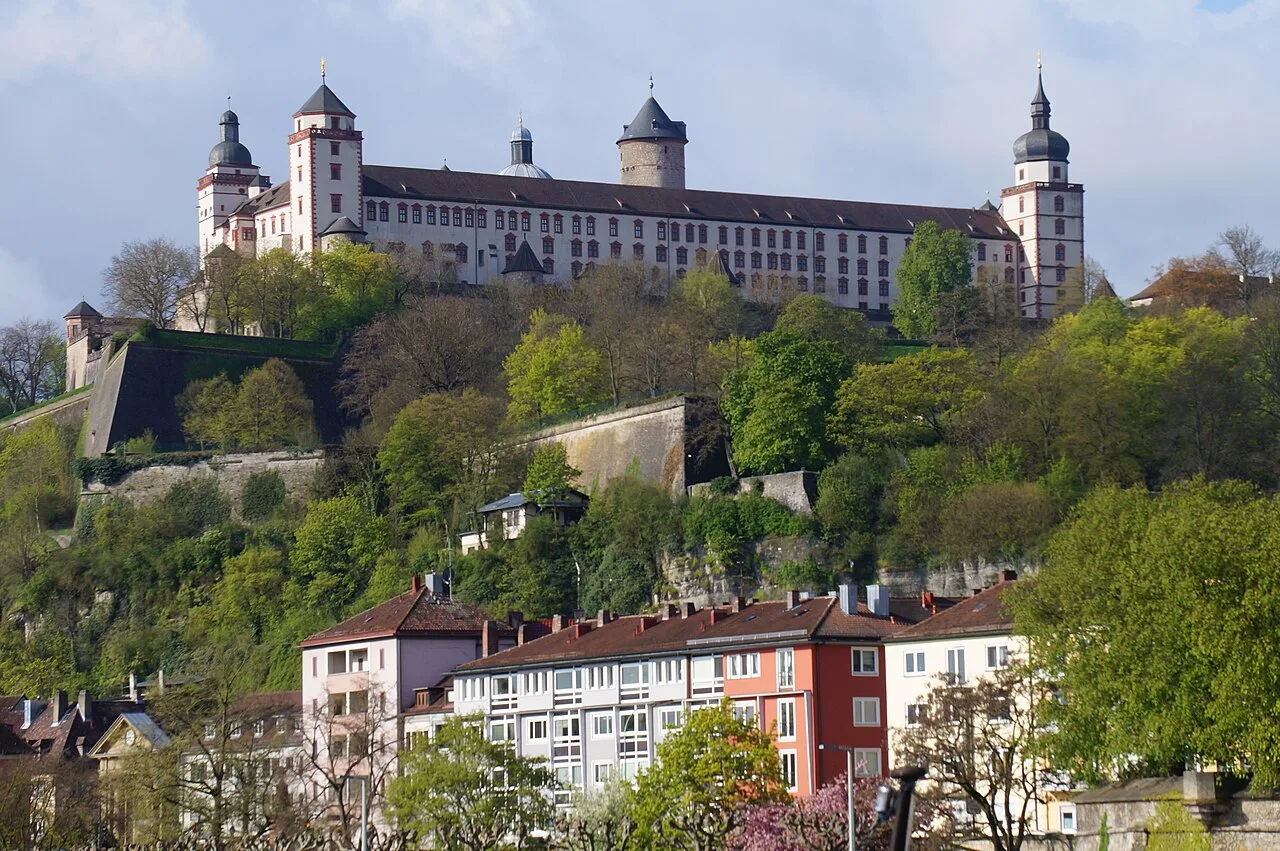
Separate two things that are easy to confuse. The fortress grounds and gardens are one experience, and the Museum für Franken housed within the complex is another, with its own collection and admission conditions. Do not assume a fortress visit automatically includes the museum collection, or the reverse. If regional art and history interest you, make the museum an explicit choice and check its opening days and ticket conditions with the operator. A dedicated Marienberg Fortress visitor guide is the better place to plan that stop in detail.
Optional Add-Ons If You Are Ahead of Schedule
If the day moves faster than expected, the Käppele pilgrimage church on its hill above the river is the most natural extension of the fortress climb, since it sits on the same side of the water. The Lusamgärtlein behind Martinstraße is the low-effort alternative if your legs are done. Both are small, so pick one rather than stacking them. For more ideas beyond the headline sights, browse the hidden gems in Würzburg.
A riverbank walk back toward the bridge is the simplest way to close the day without adding another ticketed sight. Wine tasting is the other classic Würzburg option, and the city's tourism pages gather wineries, public tastings and wine events; because specific venues and formats change, check those pages or ask at the tourist information desk rather than relying on a fixed list.
What to Cut First When the Day Runs Short
Cut the museum before you cut the fortress, and cut optional add-ons before you cut the Residence or the bridge. That preserves the three defining experiences: the palace, the crossing and the hilltop view. Order matters more than stop count. Doing the Residence first keeps the ticketed, time-bound element early, so a delayed tour does not cascade into a missed climb, and leaving the uphill leg last means you are not hauling tired legs through the palace.
If you are building a longer trip, a three days in Würzburg itinerary lets you add the vineyards, the Käppele and the river properly instead of compressing them into an afternoon.
When a One-Day Plan Works Poorly
Sundays change the rhythm of a Würzburg day. One traveller account notes that during a Sunday visit the streets were not too lively, which is not a reason to skip the city but is a reason to verify opening days for any ticketed interior before building the day around it. Check the operator's own page for the specific site rather than assuming a standard week.
Large groups need more planning than independent travellers, because the same traveller account notes that advance booking is not needed unless you are in a group of over 15 people. If you are travelling with a group, confirm the current threshold and conditions with the operator in writing. A day built entirely around multiple interior tours is also a poor fit, since each tour consumes a fixed slot and there is no slack when one runs long.
Practical Orientation: Walking, Timing and Transport
The centre of Würzburg is compact enough to cover on foot, and one independent account describes visiting most of the central attractions on foot even with a six-month-old baby in tow. The loop described here avoids public transport entirely if you are comfortable with a hill. If you prefer not to walk the climb, check the city's mobility and parking pages for current options rather than relying on second-hand advice about which line to take. The getting around Würzburg transport guide is a useful complement if you want to arrive by public transport or plan alternatives to the hill.
Treat eating and drinking as flexible blocks rather than fixed appointments. The Marktplatz and the surrounding streets give you the widest choice, and the riverbank is the most pleasant setting when the weather cooperates. Confirm opening hours and whether a reservation is needed on the day, and remember that a long lunch is the most common reason a one-day plan slips.
For a sense of where the best wide views over the river and vineyards are, the best viewpoints in Würzburg collection is worth a look if photography is part of your plan.
Plan Your Visit
One day in Würzburg is enough to see the Residence, the Old Main Bridge and Marienberg Fortress properly if you accept the loop order and resist adding more. The palace and garden come first, the Old Town and bridge carry you across the river at midday, and the fortress climb closes the day with the view that ties it together. The wider Würzburg: Itineraries and City Travel Guides collection is the place to plan what comes next.
If you have a second day, use it for the vineyards and a slower Old Town morning. Before you travel, confirm opening hours, admission, tour times and group rules with the palace administration and the city's tourism service, and check accessibility information on the city's own pages if you need step-free routes or specific facilities.
Frequently Asked Questions
How do you fit the Würzburg Residence, Marienberg Fortress and Old Main Bridge into one day?
Run them as a loop rather than a list. Start at the Residence while you are fresh, walk into the Old Town and cross the Old Main Bridge around midday, then climb to Marienberg Fortress in the afternoon so the uphill leg is last. That order keeps you from recrossing the river and the centre twice, and it leaves the best light for the fortress viewpoint. Treat the timings as suggestions rather than an official schedule.
Is the Würzburg Residence worth visiting if you only have one day in the city?
Yes. It is the city's UNESCO World Heritage centrepiece and the palace administration describes its suite of state rooms in detail. If your time or budget is tight, you can still walk the Court Garden and see the exterior; the palace administration lists the garden as a distinct element of the site alongside the state-room tour. Check the palace administration's pages for what each ticket includes before deciding.
Can you walk from the Würzburg Residence to Marienberg Fortress?
The two are connected on foot through the Old Town and over the Old Main Bridge, but the fortress involves a real climb up the hill, so allow more time and energy than the distance alone suggests. The route passes the main sights on the way, which is why it works as a single loop. If the climb is not for you, spend the afternoon in the Old Town instead.
Do you need to book Würzburg Residence tickets in advance?
Independent travellers can usually decide on the day, while groups should plan ahead; one traveller account says advance booking is not needed unless you are in a group of over 15 people. Because tour times and seasonal schedules change, confirm the current reservation policy and opening hours directly with the palace administration before you travel rather than relying on older guides.
Is the Museum für Franken included with a Marienberg Fortress visit?
Do not assume so. The fortress grounds and gardens are one experience, and the Museum für Franken collection housed inside the complex is a separate one with its own admission conditions. Check the museum's and the fortress's own information for current opening days and what each ticket covers.
What should you skip if you only have one day in Würzburg?
Cut the museum before the fortress, and cut optional add-ons such as the Käppele or Lusamgärtlein before you cut the Residence or the bridge. The three defining sights are the palace, the crossing and the hilltop view. Keeping the ticketed palace visit early protects the rest of the day if a tour runs long.


