

Würzburg's official sightseeing pages split the city into a headline group — the UNESCO-listed Residenz, Festung Marienberg and the Alte Mainbrücke — and a second tier that includes the Wallfahrtskirche Käppele, Marienkapelle, Falkenhaus, Grafeneckart and Rathaus, and Neumünster with the Lusamgärtlein. A further group, headed Weitere Attraktionen, adds the Bismarckturm, Alter Kranen, the Juliusspital and Bürgerspital courtyards, the Röntgen-Gedächtnisstätte, Alte Universität and Botanischer Garten. That structure is useful: it tells you which corners are established stops and which are simply pleasant walls to walk past. Start with the Würzburg: Itineraries and City Travel Guides hub if you want the full city picture before committing an afternoon.
How to Read Würzburg's Two Sightseeing Tiers
The official sightseeing list is broader than the postcard shot suggests, and reading it carefully is the cheapest way to plan a quieter day. Entries such as the Käppele, the Grafeneckart and Rathaus, and Neumünster with the Lusamgärtlein sit in the same list as the big names, while the Bismarckturm, Alter Kranen and the hospital courtyards are grouped under Weitere Attraktionen. That grouping is a reasonable guide to how much of a detour each corner represents, though it says nothing about opening times or admission. Check the tourism department's sightseeing overview before you build a route around any single entry.
One visitor account describes Würzburg as a calm, leisurely city and notes that the riverside paths are hard to get lost on, which is useful texture rather than official guidance. Treat it as a starting point and verify anything you intend to act on. Landmark-level detail for the named sights lives in the Würzburg: Landmark Visitor Guides hub.
The Käppele Sanctuary Above the River
The Käppele is the pilgrimage church of Mariä Heimsuchung, listed in the city's own sightseeing pages under the Wallfahrtskirche Käppele. The tourism department's short description notes that the Pietà there is said to have been associated with miracles and apparitions, which is the reason it draws pilgrims rather than casual passers-by. The same visitor account places it on the hill above the river and frames it as a second hill stop that is hard on the legs after the fortress, which is the honest decision point: it is a real climb, not a gentle stroll.
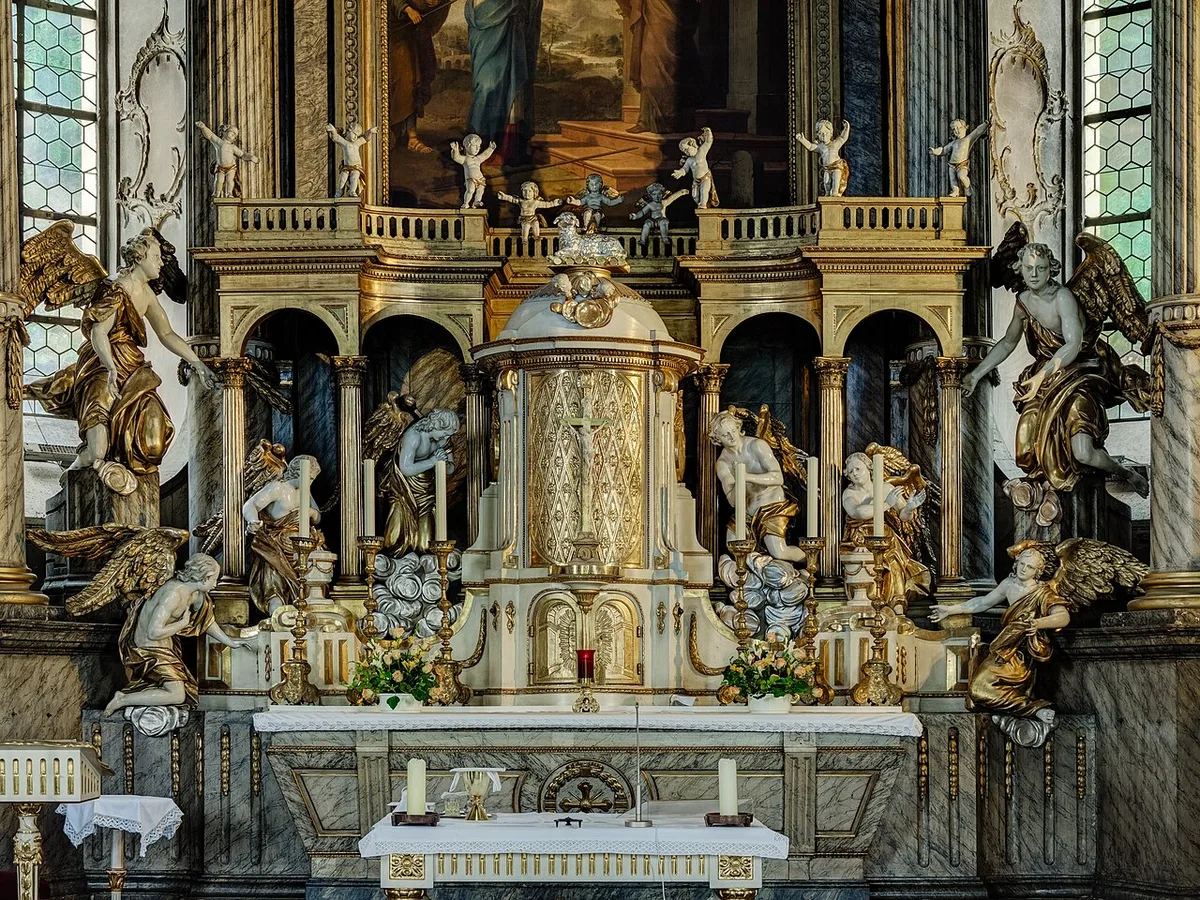
Worth the extra time if you want a church interior and a second hill in the same day; skip it if you are already tired after the fortress. This guide deliberately does not state the walk length, step count, gradient or whether entry costs anything, because the available sources do not establish those details. A suggested allowance, and this is our suggestion rather than official timing, is to treat the Käppele as a compact addition rather than a half-day in itself. Confirm current access arrangements with the tourism department before you go.
Riverside Paths Along the Main
The Main runs along the base of the fortress hill, and the riverside paths are one of the few genuinely flat ways to see the city's setting. The same visitor account notes that the paths extend a long way and are hard to get lost on, since you can simply turn around or cross when you have gone far enough, and it suggests bringing a snack or drink for a small picnic. That makes the river a sensible alternative to a third climb when your legs are done.
This is the corner that folds most naturally into a fortress or bridge day, because the Alte Mainbrücke sits directly above the riverbank. The tourism pages do not publish a riverside route, so plan by eye and use the city's sightseeing overview for the named stops you want to pass. If you are mainly after elevation, compare this flat option with the Würzburg viewpoints guide before committing your afternoon.
Rathaus, Grafeneckart and the Vierröhrenbrunnen
The old town hall with the Grafeneckart tower sits in the heart of the old town, and the city's own listing recommends sitting at the Vierröhrenbrunnen and looking across at the Grafeneckart. The visitor account describes the building as pretty to look at and mentions a small museum and the Würzburger Ratskeller inside, which is one traveller's observation rather than a confirmed arrangement. Give it a short slot on the way to the bridge rather than a dedicated trip.
Neumünster and the Lusamgärtlein
Neumünster and the Lusamgärtlein appear together as a single entry in the city's sightseeing list, and the tourism department's short description notes that the Lusamgärtlein invites you to linger. That makes it one of the few quiet green pauses inside the old town rather than on the hills or by the river. Worth the extra time if you want a seated break between churches and market streets, and easy to skip on a tightly packed one-day visit. Pair it with the Marienkapelle on the market square, which is a short walk away. This is a good place to weigh a free, low-commitment stop against the ticketed interiors elsewhere, as set out in Free things to do in Würzburg.
Marktplatz, Marienkapelle and the Falkenhaus
The Marktplatz is anchored by the red Marienkapelle and the Falkenhaus, and the tourist information and ticket service is based at the Falkenhaus am Markt. The visitor account describes a permanent covered market with extra stalls and shops on weekends, listing vegetables, spices and hot food, and notes that the square felt busy when they wandered through. That difference between a weekday passage and a market day is the reason to choose which day you give the square.
This is also the logical place to ask practical questions, since the tourist information and ticket service sits on the square. Use that stop for current details on guided tours, brochures and seasonal programmes rather than relying on any fixed claim you read here. If you are building a single-day plan, weigh this square against the One day in Würzburg itinerary before deciding what to cut.
Backstreet Cafés in the Student Quarter
Würzburg is a university city, which is why the café scene rewards walking one street back from the obvious squares. The visitor account singles out Café Wunschlos Glücklich on Bronnbachergasse, stresses that it sits in a back alley you would never find without knowing, and suggests going early or calling ahead because it is often busy. The same account names Café Schönborn on Marktplatz as a central option and Backöfele on Ursulinergasse for traditional Franconian food. These are one traveller's recommendations; none of their menus, prices or current opening hours can be confirmed here.
Worth the extra time if you enjoy hunting down a specific place and do not mind a possible wait; skip the search if you are hungry and uncommitted, and pick whatever is open on the square instead. Check current opening days and menus directly, because cafés in a student city shift their hours with the academic calendar.
A Suggested Half-Day Loop Linking Three or Four Corners
Our suggestion, not an official route, is to start at the Marktplatz and Falkenhaus for orientation, walk the short hop to the Rathaus and Vierröhrenbrunnen, cut through Neumünster and the Lusamgärtlein, then drop to the river and follow the bank before deciding whether to climb to the Käppele. That order keeps the flat riverside section as a buffer before the only real uphill effort, and it lets you abandon the hill without losing the rest. It suits a half day at a relaxed pace; if you only have one day, run it as a late-afternoon add-on after the Residenz.

Expect the market square, the town hall corner and the riverbank to be busy in the middle of the day, and the garden and hill stops to feel calmer. Do not try to chain every corner on this list into a single walk, because the distances between the old town, the river and the two hills add up quickly. Check transport options separately rather than assuming a tram will shorten every leg. For wider planning, see Getting Around Würzburg.
Detour Verdicts: Worth It, Fold It In, or Skip
Worth a deliberate detour: the Käppele if you want a second hill with a church interior, and the riverside path if you want a flat hour with a view back at the fortress. Fold into an existing day: the Rathaus and Vierröhrenbrunnen on the way to the Alte Mainbrücke, and the Marktplatz market on any morning you are already in the old town. Skip when time is tight: the further-attractions tier such as the Bismarckturm and Alter Kranen, unless one of them is the specific reason for your trip.
A rainy hour is better spent in an interior than on a hill, so keep a church or a museum as your weather fallback, and check that it is genuinely open first. If this kind of second-tier exploring appeals, the same approach works in other German cities, from hidden gems in Dresden to hidden gems in Berlin.
Practical Verification Before You Go
This guide deliberately omits admission charges, opening hours, closing days and seasonal closures for every corner named, because those details change and must come from the operator. It also avoids tram lines, journey times, accessibility and barrier-free claims, which need a current source rather than an assumption. Use the tourism department's pages and the tourist information service at the Falkenhaus for opening details, guided tour times and any seasonal changes.
Remember that a complex can hold several separate collections, and sharing a building does not mean sharing a ticket, so check each named museum individually. Free grounds and paid interiors are different things: walking past a facade costs nothing, while stepping inside may not. Verify before you travel, and treat any figure you read elsewhere as unconfirmed until the operator states it.
Plan Your Quieter Würzburg Day
Würzburg rewards a second loop, and the strongest candidates are the ones that fit the shape of your day rather than the ones with the loudest reputation. Pick two or three corners, decide in advance whether you are climbing or staying flat, and leave the rest for another visit. The city tourism pages and the tourist information service at the Falkenhaus are the places to confirm what is open when you arrive.
Frequently Asked Questions
What are the hidden gems in Würzburg beyond the Residenz?
The city's own sightseeing pages name a main group that includes the Wallfahrtskirche Käppele, Marienkapelle, Falkenhaus, Grafeneckart and Rathaus, and Neumünster with the Lusamgärtlein, plus a further-attractions tier with the Bismarckturm, Alter Kranen, the Juliusspital and Bürgerspital courtyards, Röntgen-Gedächtnisstätte, Alte Universität and Botanischer Garten. Beyond those named stops, the riverside paths along the Main and the backstreet café scene are the kind of corners visitors tend to miss. Treat the official lists as the reliable frame and any blogger recommendation as personal experience.
Is the Käppele worth the walk?
It depends on whether you want a second hill and a church interior in the same outing. The Käppele is a pilgrimage church above the river, listed among the city's official sights, and one traveller account describes it as another hill stop after the fortress, which suggests a real effort rather than a casual stroll. If you are already tired after the fortress, skip it and take the flat riverside path instead. Check current access details with the tourist information service before you commit.
Are Würzburg's quieter corners free to visit?
It varies, and generalising is not safe. Seeing a facade, a square or a riverside path is a different matter from entering a church interior, a museum collection or a ticketed complex, and sharing a building does not necessarily mean sharing a ticket. The sources used here do not establish admission charges for the Käppele, Bismarckturm or Alter Kranen, so this guide makes no claim either way. Confirm with the operator or the tourist information service at the Falkenhaus before planning around a free visit.
How do I combine these spots into a half-day walk?
A suggested order, which is our suggestion rather than an official route, is to begin at the Marktplatz and Falkenhaus, continue to the Rathaus and Vierröhrenbrunnen, pass through Neumünster and the Lusamgärtlein, then descend to the Main and follow the bank before deciding on the Käppele. That sequence keeps the flat riverside stretch as a buffer before the uphill section and lets you drop the climb without losing the rest. If you have only one day, run it as a late-afternoon add-on after the Residenz.
What should I skip if I only have one day in Würzburg?
Skip the further-attractions tier, such as the Bismarckturm and Alter Kranen, unless one of them is your specific reason for visiting. With a single day, fold the Rathaus and Vierröhrenbrunnen into your walk to the Alte Mainbrücke, use the Marktplatz as a morning stop, and choose either the river path or the Käppele climb rather than both. Prioritise the Residenz, Festung Marienberg and the bridge, then add one quieter corner that fits the time you actually have.


