

Ulm rewards a two-day stay because its historic core is walkable, so you spend time looking at buildings rather than crossing a city. The Ulm Minster, the painted Rathaus on Marktplatz, the Fischerviertel and the riverfront sit close enough to combine on foot, which is why two days feel considerably calmer than one. One structural quirk to grasp early is that Ulm sits in Baden-Württemberg while Neu-Ulm, directly across the Danube, belongs to Bavaria. For wider planning, see Ulm city travel guides.
The split below gives day one to the old town and day two either to Wiblingen Monastery or to the Neue Mitte museums, depending on your appetite for an excursion. A working planning assumption is roughly six to seven hours of sightseeing per day including meals, but that is a suggestion rather than an official figure. Before you commit, check opening days and ticket conditions directly with each site, since museum schedules and exhibition runs change.
How to Split Two Days Between Old Town and an Excursion
Treat the Minster nave and the tower climb as two separate decisions with different costs in time and effort. Entering the church interior and walking up the tower are not the same activity, and the ascent is a long, narrow climb that eats into a morning. If you are travelling with children, older relatives or a tight schedule, the nave plus Münsterplatz may be the better use of your first hours.
Day one then covers Marktplatz, the Rathaus facade, the Fischerviertel lanes and the city wall along the Danube, all within a compact area. Because these sit so close together, the main risk is not distance but over-scheduling. Keep the afternoon loose and let the riverfront be the reward at the end of the day.
Day two is the fork in the road. One option is a half-day excursion to Wiblingen Monastery, whose Rococo library and Baroque church make it the standout trip outside the centre. The other is to stay in town and build an afternoon around the Kunsthalle Weishaupt and the relocated Lion Man display. Decide before you book anything, because it determines how much of day two is spent on the move. For wider planning, see A Practical 3-Day Ulm Itinerary.
Day 1 Morning: The Minster and Münsterplatz
Ulm Minster dominates the square and is the tallest church steeple in the world. One local correspondent puts the height at 161.53 metres, roughly four metres more than Cologne Cathedral, and notes that it is Germany's largest Protestant church. It is a Lutheran church and, despite its scale, has never been a cathedral, since the bishop sits elsewhere. For wider planning, see Best Photo Spots in Ulm.
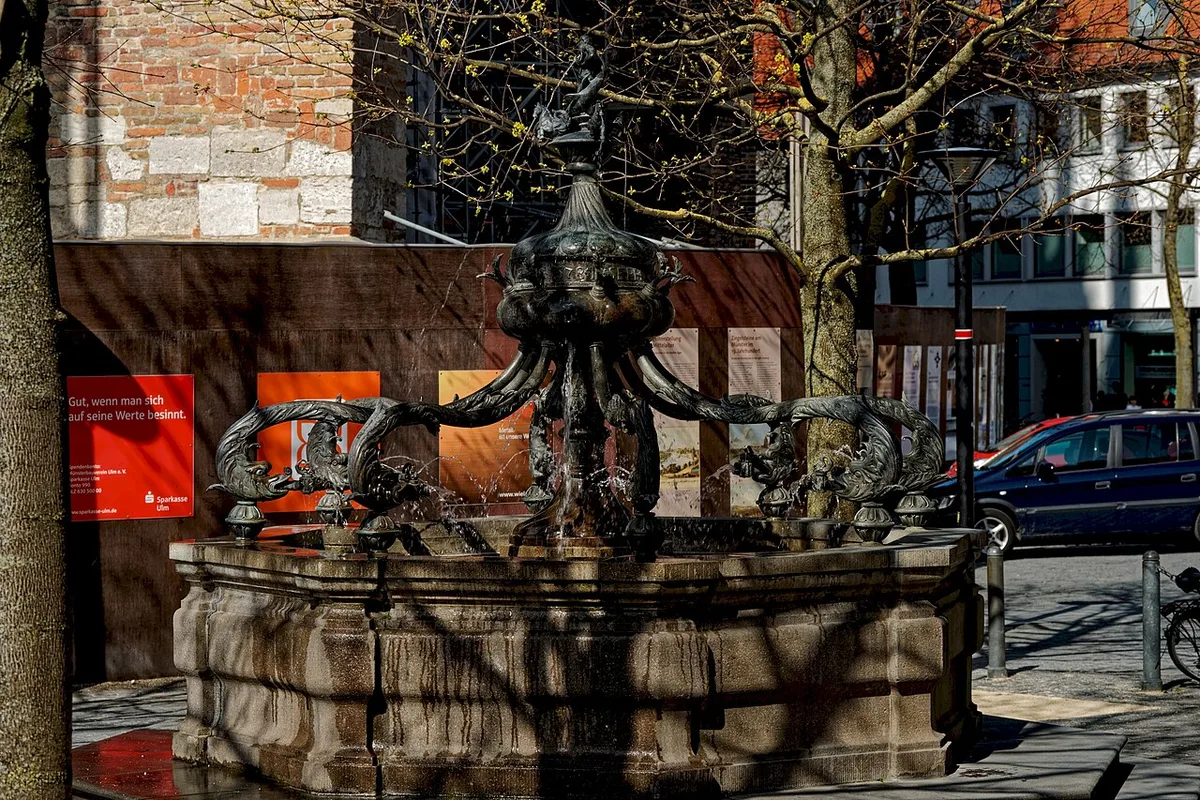
The climb is genuinely demanding and is not the same activity as walking the nave. One local guide describes 768 steps to the top, with a reward of a panorama over Ulm and Neu-Ulm and, on clear days, the Alps. A separate day-trip write-up describes more than 750 steps and 450 feet of climbing before the Alps come into view. Those figures vary between publications, so read them as approximate rather than exact.
What the sources do not give is current tower pricing or seasonal opening and closing times, so do not plan around a remembered figure. One blog quotes five euros and a locker fee, but that is an old third-party price rather than confirmed operator pricing. Check the Minster's own visitor information for the day you intend to climb, and confirm whether the tower closes earlier than the church.
Day 1 Midday: Marktplatz and the Rathaus Exterior
The Rathaus on Marktplatz is Ulm's most photographed civic building. A city-sightseeing source describes it as begun in the fourteenth century, first called a town hall in 1419, with an astronomical clock added around 1520 and rebuilt by the clockmaker Isaak Habrecht. The painted facade you see today was largely restored in 1900. The building still houses municipal offices, which shapes what a visitor can actually do inside.
Expect the exterior to be the main event: the square is the vantage point, and the painted walls and clock reward a slow look rather than a quick snapshot. Interior access is limited because the Rathaus remains an administrative building, and the same source notes that guided tours of the building itself are not offered on site. For most visitors this makes the Rathaus a short stop woven into a wander, not a destination that consumes an afternoon.
Marktplatz works well as the hinge between the Minster and the river, since you pass through it naturally on the way down towards the Fischerviertel. The town tourist office publishes current information on guided tours and central addresses if you want a structured walk rather than a self-guided one, and it is worth checking before you rely on a fixed tour time.
Day 1 Afternoon: Fischerviertel, the City Wall and the Danube
The Fischerviertel is the most atmospheric quarter in Ulm, a tangle of half-timbered houses, small bridges and canals fed by the Blau before it joins the Danube. The Schiefes Haus, the crooked house, is the local landmark most visitors photograph, and it now operates as a hotel rather than a museum. One local guide calls the quarter the most beautiful part of the old town and notes the hotel is listed as the most crooked in the world.
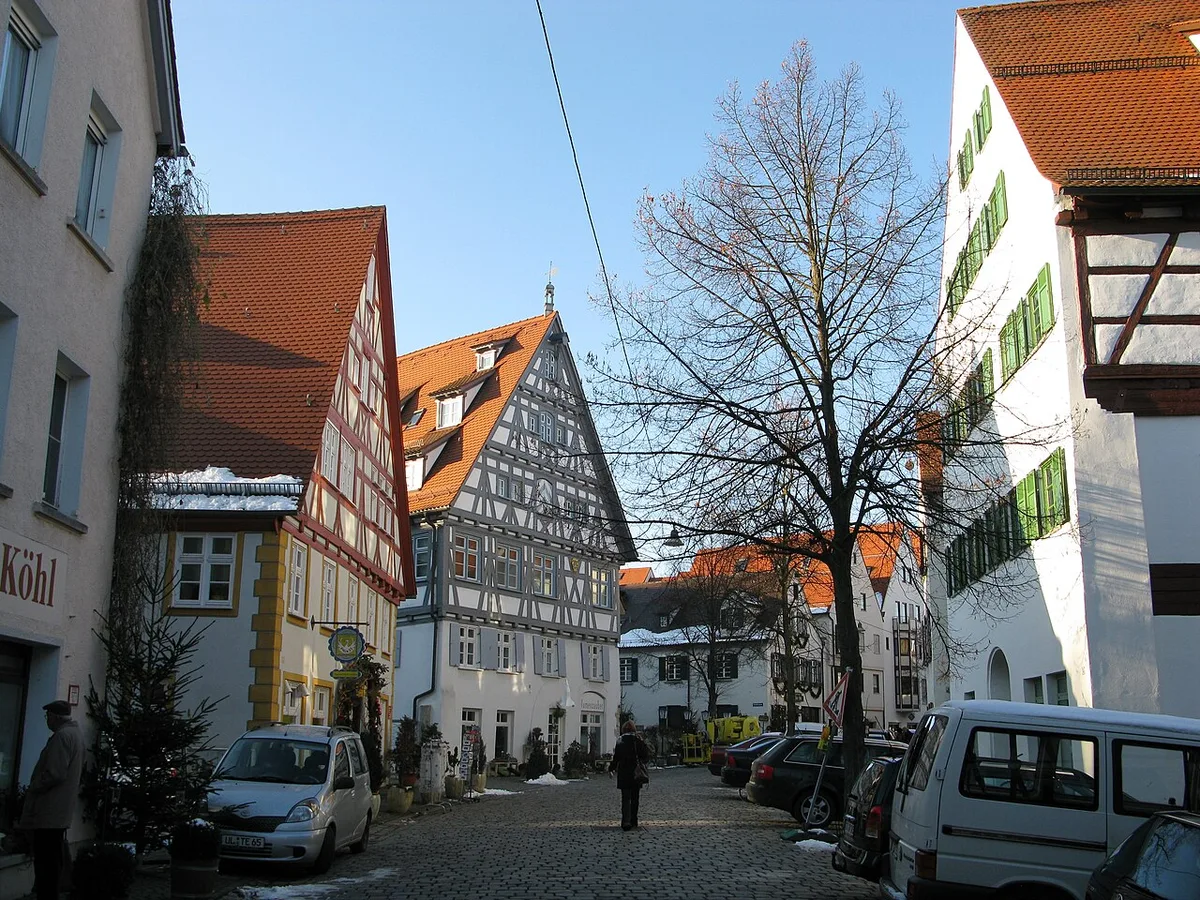
From the quarter, the city wall and the Metzgerturm continue the walk along the Danube and connect the old town to the riverfront meadows. The Metzgerturm has a visible lean and is generally viewed from outside, so treat it as a waypoint on the wall walk rather than a place you enter. The section is short enough that you can loop back into the centre for dinner without retracing a long distance.
Crossing to Neu-Ulm is easy and changes the feel of the day, because you are entering Bavaria rather than staying in Baden-Württemberg. Parks and beer gardens on the Bavarian bank, including the Glacis area, make a relaxed end to an afternoon of cobblestones. Just remember that Neu-Ulm is a separate city for transport and local rules, so do not treat the two banks as one administrative area.
Day 1 Evening: Where You Sleep Shapes Day 2
Staying in the Ulm old town puts the Minster, Marktplatz and Fischerviertel within a few minutes on foot, which is the strongest argument for paying for a central bed. Staying in Neu-Ulm often means quieter evenings and easy access to the parks and the Donaubad area, at the cost of a daily river crossing. Neither choice is wrong, but the one you pick decides whether day two starts with a walk or a ride.
If day two is the Wiblingen excursion, staying anywhere with a straightforward connection towards the monastery side of town saves you a morning detour. If day two is the museums, a central bed keeps the Neue Mitte a short stroll away and lets you start before the gallery fills. Accommodation prices and availability fluctuate heavily by season, so compare live rates rather than relying on any fixed figure.
Day 2 Option A: Wiblingen Monastery as a Half-Day Excursion
Wiblingen Monastery sits a little outside the city centre and its origins reach back nearly a thousand years, which makes it the most substantial excursion within easy reach of Ulm. The draw is the interior ensemble, particularly the Rococo library hall and the Baroque church, which is where the visit justifies the trip. Budget around half a day including travel, and treat the gardens and grounds as a bonus if the weather cooperates.
Because the appeal is concentrated indoors, Wiblingen also works as the rainy-day alternative to a riverfront walk, which is a useful way to keep day two flexible. What the sources here do not provide is current opening hours or admission terms, so confirm those on the monastery's official pages before travelling out. If the interior happens to be unavailable on your date, you are left with an architectural exterior and grounds rather than the library, which changes the value of the trip.
The trade-off is straightforward: half a day at Wiblingen means less time for the Neue Mitte museums and no leisurely second pass through the Fischerviertel. If you are in Ulm for three days rather than two, this stops being a choice you have to make, which is where a longer plan pays off.
Day 2 Option B: Kunsthalle Weishaupt and the Lion Man
The Kunsthalle Weishaupt holds a private collection of modern and contemporary art built up over five decades and open to the public since November 2007 in a purpose-built gallery in the Neue Mitte. The collection leans on American abstract expressionism and pop art alongside European concrete and op art, so it appeals even if you usually skip contemporary museums. The building itself, assembled from elongated cubes, is part of the attraction.
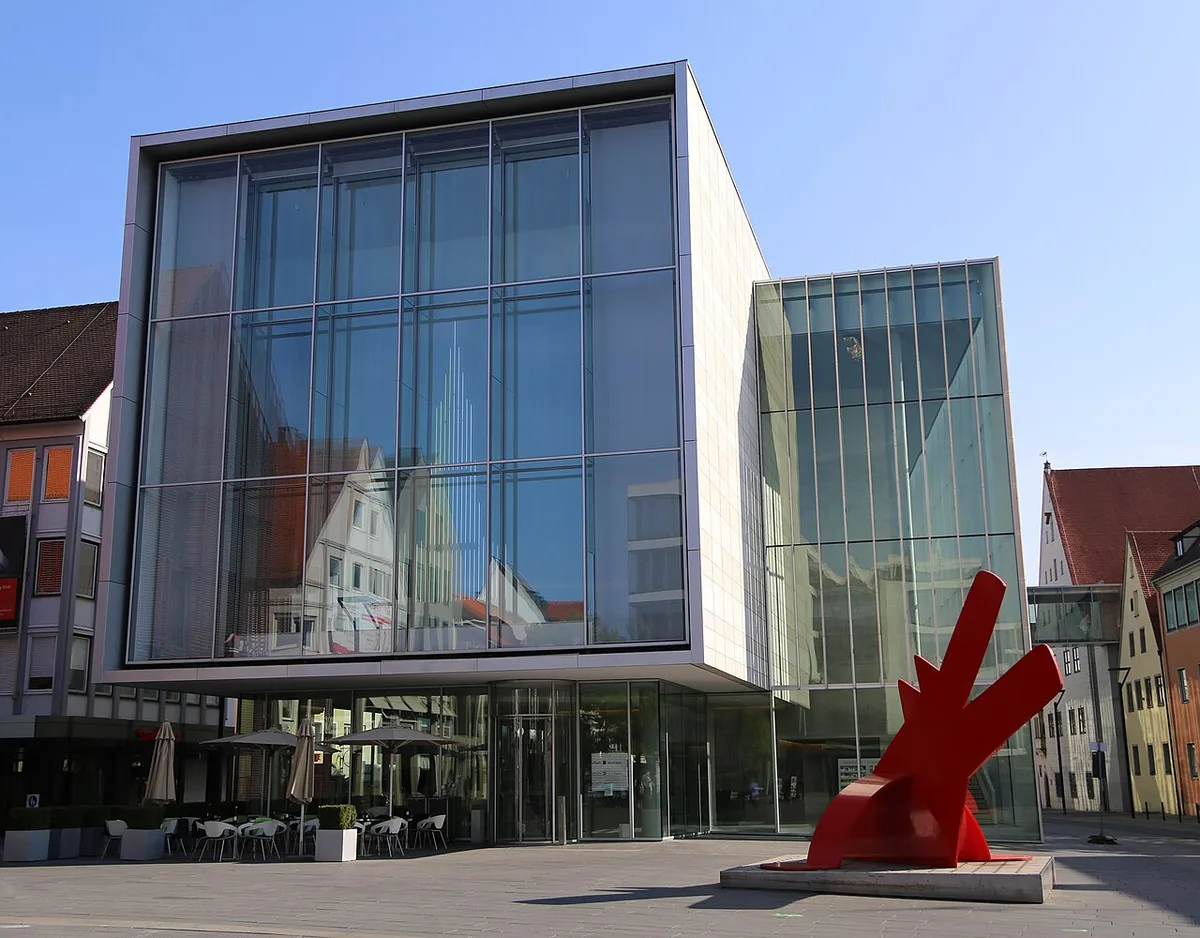
The gallery publishes its standard visiting window as Tuesday to Sunday, 11am to 5pm, closed on Mondays, which is the single most useful planning fact for an in-town second day. Treat that as subject to change and re-check before you go, especially around public holidays. Exhibition runs rotate, so the specific show on view during your stay is worth confirming rather than assuming.
Ulm Museum has been under renovation since April 2023 and is temporarily closed, with the Lion Man display relocated and shown at the Kunsthalle Weishaupt before moving to its redesigned home later. The tourism board states the Lion Man remains on display at the Kunsthalle until 4 October 2026 before the figure moves. That kind of detail trips up visitors who expect a museum's contents to stay put, so check the current host venue before you go.
Museum Choices: Assume Separate Collections and Separate Tickets
Ulm's museums are independent operations, so do not assume a single pass covers the Kunsthalle Weishaupt, the bread museum and anything else in the Neue Mitte. One local guide mentions combination tickets linking the Kunsthalle and Ulm Museum via a footbridge, but that is not an official confirmation on current terms and may not apply while Museum Ulm is closed. Build your afternoon around one or two museums and verify admission and opening details at the desk or on the operator's page.
The Museum Brot und Kunst, dedicated to the culture and history of bread, is a different proposition again and a strong choice if you want something outside the fine-art register. Its own ticketing and hours are not covered here, so check them directly rather than extrapolating from the Kunsthalle's schedule. If you only have one afternoon, combining a single museum with the riverfront is a more satisfying plan than racing between collections.
Pacing, Orientation and Getting Around Without Wasting Time
The single biggest pacing mistake is treating the tower climb as a casual stop. If you climb, put it early in the day when you are fresh and the stairs are quieter, and leave the following hour light rather than booking a museum slot immediately after. Conversely, if you skip the climb, you can comfortably fit the Minster, Rathaus and Fischerviertel into one unhurried morning.
Ulm and Neu-Ulm are connected by bridges over the Danube, and crossing back and forth repeatedly is what burns time and energy. Group your Bavarian-bank stops, such as parks and the water park area, into a single block rather than scattering them across both days. The old town core is largely pedestrianised, and one city-sightseeing source notes that the area around the Rathaus is car-free except for deliveries, which makes walking the default.
Cobblestones are the quiet tax on this itinerary, so footwear matters more than most packing lists admit. Bus lines serve the centre, and the Rathaus source lists specific lines and stops, but do not memorise them, as services are revised. Check the local transport operator's current map and fare information on the day rather than planning around an old timetable.
Ulm also works as a base for wider Swabian day trips if you extend the trip, and the flat riverside terrain makes cycling a realistic option in good weather. If you are comparing cities for a short break of the same length, the structure of this plan translates well to other German destinations. For wider planning, see Ulm landmark visitor guides.
Seasonal Timing and Event Weeks
Ulm's calendar shifts the feel of the old town considerably, and the tourism board publishes an events listing covering markets and festivals rather than fixed annual guarantees. Christmas market dates in particular vary year to year and are worth checking against your travel dates instead of assuming a fixed window. In summer, Schwörmontag and the Nabada water parade fill the city, described by a local guide as taking place on the third Monday in July.
If your dates coincide with a major event, expect the old town to be busy and accommodation to tighten, and plan museum visits for the quieter morning hours. Outside event weeks, spring and autumn give you the most comfortable walking weather for cobblestones and riverfront stretches. Neither season removes the need to verify opening days, since some museums close one day a week regardless of the weather.
Accessibility and Mobility: What to Check Rather Than Assume
The Minster tower is a historic structure with a long, narrow staircase, so anyone with mobility limitations should treat the climb as the element to plan around rather than the nave. Sources here do not set out formal access rules for the tower, so ask the church directly if you need to know whether specific assistance or alternatives exist. Do not assume that a cathedral-scale building necessarily has step-free routes to every level.
The old town's cobbled lanes and the wall walk along the Danube are uneven in places, which matters for wheelchairs, pushchairs and anyone unsteady on their feet. The Kunsthalle Weishaupt is in a modern building in the Neue Mitte, but still confirm entrance conditions with the gallery rather than assuming. For any specific need, contact the venue, since requirements vary and the sources consulted here do not establish them.
Plan Your Ulm Visit
Two days in Ulm works best when day one stays in the old town and day two commits to one direction, either the Wiblingen excursion or the Neue Mitte museums. That single decision prevents the classic mistake of trying to see everything and enjoying none of it. If your first day goes well, the Minster, the Rathaus facade, the Fischerviertel and the Danube wall will already have given you the city's core.
Before you travel, confirm the things that change: museum opening days, exhibition locations, event dates and any tower access conditions. Use the city tourism office and each venue's own page as your final check, and treat prices and hours quoted in older travel writing as out of date. With those verified, two days is enough to see Ulm properly rather than superficially.
Frequently Asked Questions
Is two days enough for Ulm?
Two days is a comfortable amount for the compact old town plus one excursion. Day one covers the Minster, Marktplatz, the Rathaus exterior, the Fischerviertel and the Danube wall on foot; day two is best spent either at Wiblingen Monastery or in the Neue Mitte museums. If you want both the excursion and a long museum afternoon, add a third day rather than rushing.
Should you climb the Ulm Minster tower or just visit the interior?
Treat them as two separate choices. The interior and the tower involve different effort, and the climb is a long, narrow ascent that consumes a good chunk of a morning. Climbers are rewarded with a wide panorama over Ulm and Neu-Ulm and, on clear days, the Alps. If stairs are a problem or your schedule is tight, the nave and Münsterplatz are worth your time on their own.
Is Wiblingen Monastery worth a half-day excursion from Ulm?
Yes, if you want the Rococo library hall and Baroque church, which are the reasons to make the trip. The monastery sits outside the centre and warrants roughly half a day including travel. Its appeal is mostly indoors, so it doubles as a rainy-day option. Confirm current opening arrangements on the monastery's official pages before you travel, since those details change.
Do you need a ticket for the Ulm Rathaus?
No ticket is needed to view the building from Marktplatz, and the painted facade and astronomical clock are the main attraction. Because the Rathaus is still in administrative use, interior access is limited rather than a full museum visit, and guided tours of the building are not offered on site. Check the published visiting windows if you specifically want to step into the entrance hall.
Which Ulm museums should you choose if you only have one afternoon?
Pick one and do it properly. The Kunsthalle Weishaupt is the strongest single choice for modern and contemporary art, and it publishes a standard Tuesday to Sunday visiting window that you should re-check before going. Note that Ulm Museum is under renovation and temporarily closed, with the Lion Man display relocated to the Kunsthalle, and do not assume one ticket covers several museums in the Neue Mitte cluster.
Can you use the UlmCard for a two-day visit?
The tourism board markets the UlmCard in 24-hour and 48-hour versions, with and without public transport. Whether it saves you money depends on how many participating attractions you actually visit and whether you also need the transport element. Check the tourism board's current inclusion list and terms before buying, because scope and participating venues change.


