

Three days is enough to see Dortmund's compact centre properly and still leave the city for one substantial excursion, as long as you accept that you cannot do both equally well. One itinerary planner suggests that its day-one grouping of the stadium, the zoo, Rombergpark Botanical Garden, Phoenix des Lumières, Westfalenpark and the German Football Museum should fill about seven hours, which is a useful reality check on how much ground a single day can realistically cover. The old town, the football museum and the U-Tower arts quarter sit close enough together to cover in a single unhurried day, which frees the rest of the trip for the industrial sites and parks that define the wider Ruhr region. The real planning decision is not which sights to add but how many days to spend outside the city boundary.
Dortmund draws visitors for two very different things: a walkable city core with churches, shopping streets and Westphalian pubs, and an industrial heritage that reaches from the Zollern Colliery to the Phoenix des Lumières light centre. Third-party route planners group the most popular stops into combined sightseeing days, and those groupings are sequencing suggestions rather than a schedule you must match, since the timings assume efficient movement and no long museum stops. Further visitor details appear in 3-Day Dortmund Itinerary.
One warning before you build a fixed plan: exact admission prices, opening hours and closure days for the named attractions are not published in the sources behind this guide. The organisers of each museum, stadium and park publish their own current visitor information, and that is where you confirm tickets and times before travelling. Build the itinerary around decisions you control, then check the volatile details closer to your dates.
How to Structure Three Days: Core, Heritage, Flex
The most reliable structure for three days is one compact city day, one industrial heritage day, and one flexible day that you shape around weather, energy and personal interests. This split protects you from the classic short-break mistake of trying to see a stadium, a colliery, two museums and a botanical garden on consecutive mornings. It also keeps each day geographically coherent instead of criss-crossing the city.
If you only have three days, the sensible trade-off is one substantial excursion rather than two half-hearted ones. Stay in the city core for two days and use the third for either the Zollern Colliery or a wider Ruhr destination, and you will spend your time looking at things rather than sitting on transport. Readers who cannot give up a second excursion usually find that a two-day version of the same trip works better, which is why the shorter 2 days in Dortmund itinerary focuses the plan rather than stretching it.
Grouping by geography almost always beats grouping by theme on a trip this short. Theme days sound appealing on paper, but art museums, football sites and industrial monuments are spread across different parts of the city and its surroundings, so a thematic plan can mean three separate cross-city journeys. Draw the day around one anchor and let nearby stops fill the rest.
Day 1: The Compact City Core
Start in the Altstadt, where the lanes around the market square lead to Reinoldikirche and a dense cluster of shops and pubs. This area rewards slow walking rather than checking off sights, and it gives you an easy first orientation to the city before you commit to any museum. Traditional Westphalian dishes appear widely in the taverns around the old market, though the sources for this guide rest on unsourced user reviews and do not support ranking individual kitchens.
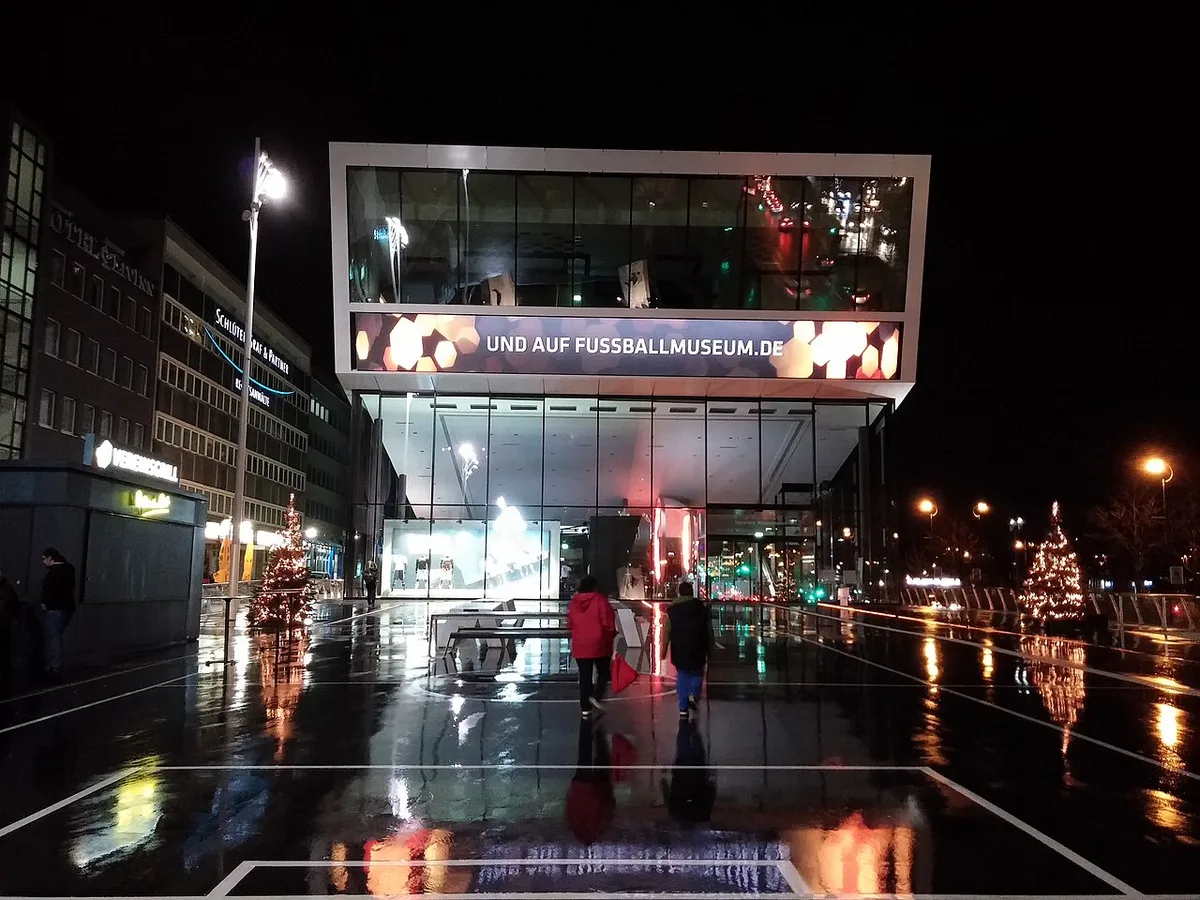
The German Football Museum sits close to the main station area and makes a natural afternoon anchor for a city day. It is a national museum devoted to the history and cultural role of the sport in Germany, with multimedia installations, interactive displays and historic exhibits tracing the game from its origins to modern achievements. Budget a genuine half-day if football interests you and a shorter visit if it does not, because the collection is far larger than a quick drop-in allows.
The U-Tower, a former brewery building now used as a cultural centre, houses Museum Ostwall and its modern and contemporary art collections. One suggested three-day outline places the U-Tower and Museum Ostwall together as a morning, followed by the city centre and Reinoldikirche in the afternoon and Westfalenpark with the Florianturm in the evening. That sequencing works because both the tower and the old town sit within the same central walking zone, and the art visit gives the day a change of pace after a museum devoted to football. Confirmed opening arrangements for individual exhibitions should be checked with the venue, since only dated programming is published in the material behind this guide. Further visitor details appear in 3 Days Itinerary for Dortmund | Pelago.
German Football Museum or a Stadium Visit?
Football-focused travellers face a genuine either-or here, because the museum and a stadium visit serve different purposes rather than duplicating each other. The museum gives you the national story, the trophies and the historical context in a controlled indoor setting; the stadium gives you scale and atmosphere, above all the south stand that the sources describe as the Yellow Wall, which one itinerary planner notes has 35,000 standing places inside a ground with a capacity of 81,365. Choose the museum if you want substance, and the stadium if you want the building itself.
The stadium should never be treated as a drop-in sight, because a proper visit depends on tour arrangements rather than on simply walking up to the gates. Match-day periods change the whole character of the area, and the sources for this guide do not confirm current tour availability or booking policy. Check the operator's own visitor information before you build a day around it, and treat a stadium visit as a fixed appointment rather than a flexible stop.
If you have time for both, put them on different days rather than back to back. The museum sits in the city core and the stadium sits further out, so combining them on one afternoon means spending your limited hours in transit. A cleaner solution is the museum on your city day and the stadium on your flexible third day if a tour fits your dates.
Day 2: Industrial Heritage as the Anchor
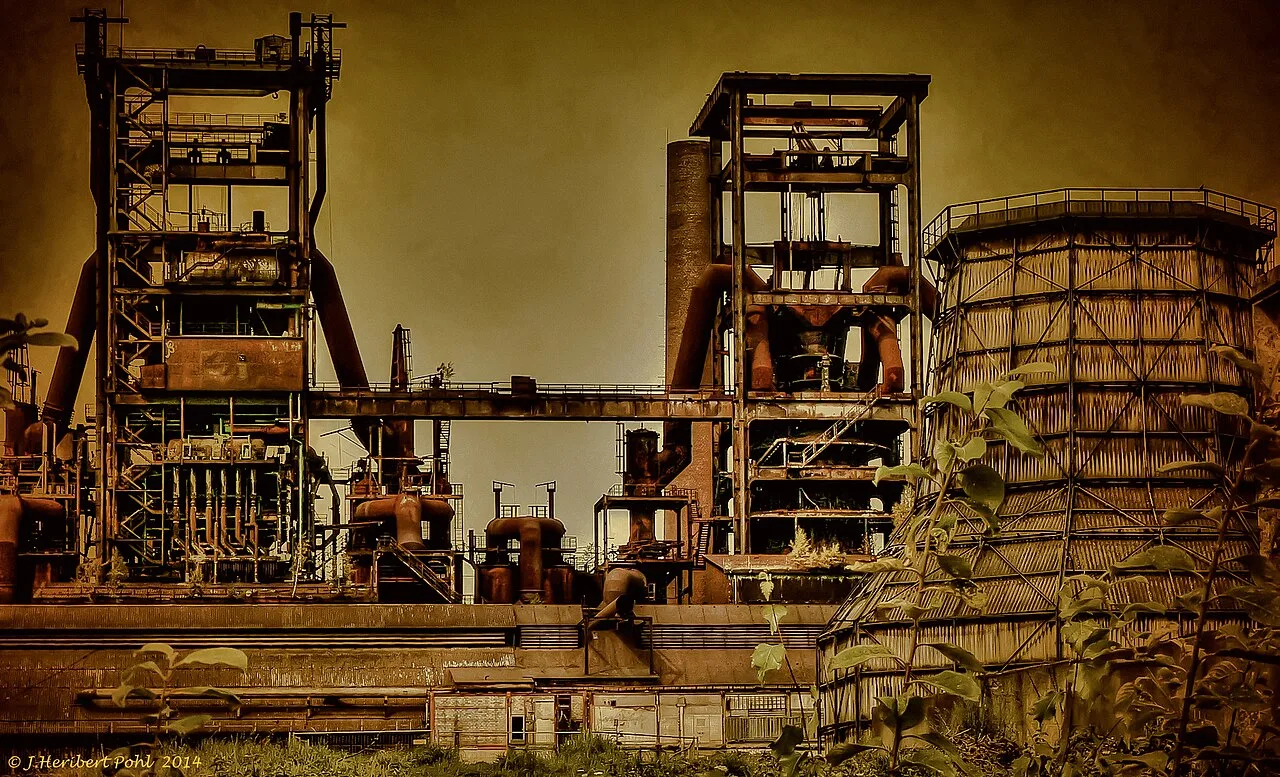
The Zollern Colliery is the strongest single anchor for a heritage day, because the former coal mine combines preserved industrial architecture with a museum treatment of the Ruhr's mining past. It is the kind of site that rewards an unhurried visit rather than a photographic stop, and it sits firmly in the region's industrial story rather than in the city centre. Build the rest of the day around it instead of treating it as one item on a longer list.
DASA Arbeitswelt Ausstellung is the obvious indoor alternative when weather turns, since it presents the history, present and future of work through interactive displays rather than static exhibits. One route planner pairs it with a construction playground children can use and displays such as a Kuka robot demonstrating speed and precision, which makes it suit mixed groups well. The DASA Working World Exhibition in Dortmund guide covers what the exhibition contains and how to approach it.
Phoenix des Lumières is the third option for a heritage day, and it is important to understand what it actually is before you commit an afternoon to it. The city portal currently lists new exhibitions at the venue, including a Matisse programme in its dated event listings, which shows how the line-up rotates over time. It is an art centre built around immersive light and multimedia installations rather than a conventional museum with objects in cases, and it hosts changing programmes rather than a permanent collection.
Immersive Light Exhibitions: What They Are and When They Fit
An immersive light exhibition projects images across walls and floors inside a large darkened space, usually with a synchronised soundtrack, and visitors walk through rather than follow a route past labelled objects. That format suits some travellers enormously and disappoints others, because there is little traditional interpretation and no original artwork to examine up close. Decide in advance whether you want atmosphere or explanation, since the two experiences are not interchangeable.
The format works particularly well as a rainy-day or evening slot, because it is entirely indoors and does not depend on daylight or on outdoor walking. It also suits visitors who have already spent a full day in conventional museums and want something with a different rhythm. Anyone travelling with children who need to move around often finds this easier than a traditional gallery.
The programmes change over time, so the sensible approach is to check the venue's current listing before you build a day around a specific theme. The city portal publishes dated exhibition information for the venue rather than a permanent programme, which is exactly the kind of listing to consult close to your travel dates. Do not assume that a show mentioned months earlier will still be running.
Day 3: Green Space, Water or a Ruhr Excursion
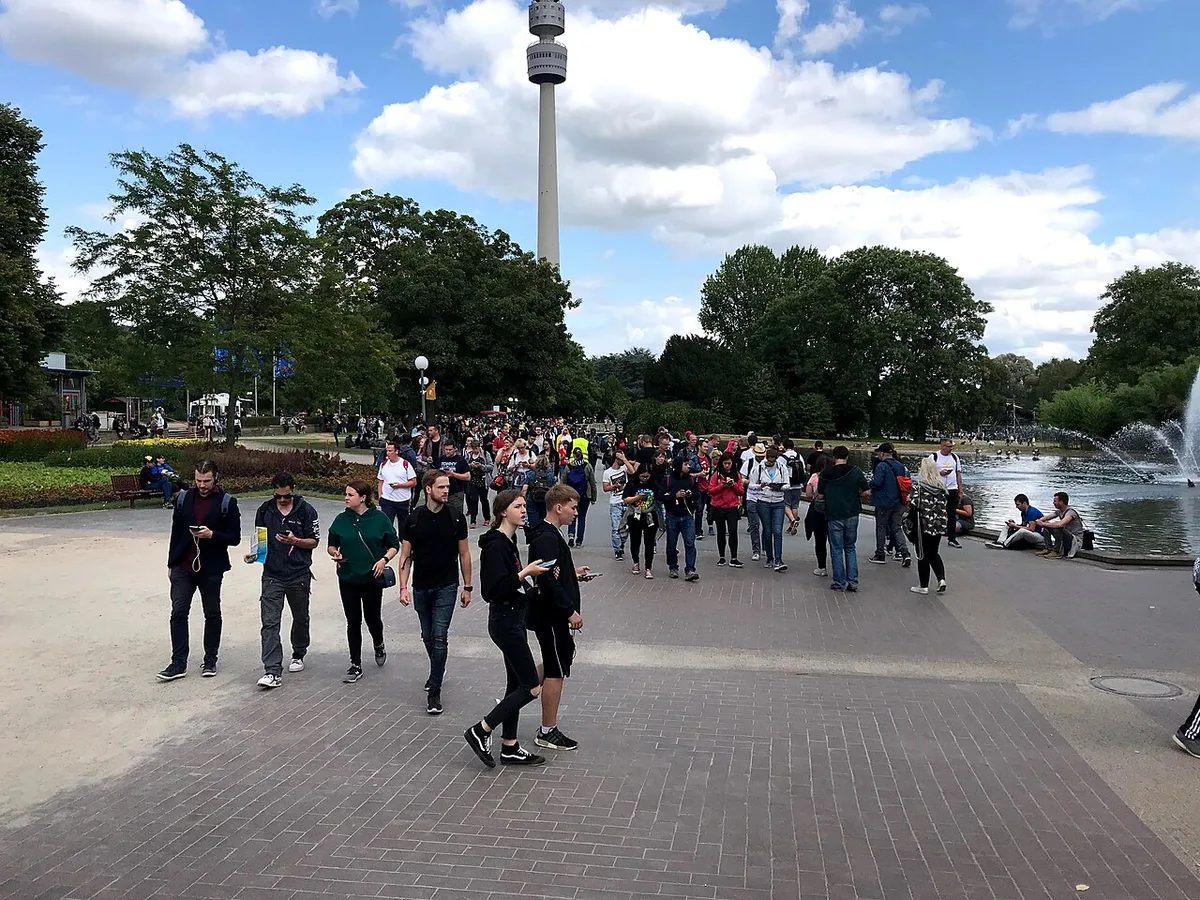
Westfalenpark is the easiest green anchor for a third day, a large urban park with the Florianturm observation tower and a rose collection that the sources describe as substantial. One itinerary planner notes a Deutsches Rosarium with around 3,000 rose varieties, and the city's own event listings show seasonal gatherings such as a Halloween family festival and a St. Martin's procession, which is worth checking if you are travelling around a holiday weekend. Plan a relaxed half-day and let the park absorb the slower pace at the end of a short trip.
Rombergpark Botanical Garden offers a quieter alternative, with themed gardens and plant collections spread across a large arboretum that was once a private estate. One route planner describes a 65-hectare arboretum and botanical garden with themed areas such as geological and Chinese gardens, originally owned by the von Romberg family in the 1820s and acquired by the city in 1927. It suits travellers who want nature without the event crowds that larger parks attract, and it pairs naturally with the southern side of the city. If you prefer water, a Phoenix See waterfront walk gives you a man-made lake with cafes and open views.
Trading this third Dortmund day for a Ruhr excursion is a legitimate choice, and it is the decision that most changes the character of a three-day trip. Heritage-minded travellers often find that one day outside the city adds more than a second day inside it, especially when the excursion targets a different industrial site. The day trips from Dortmund guide sets out which regional destinations justify the journey.
Timing Your Visit: IGA 2027 and Event Listings
The city is preparing for the International Garden Exhibition IGA 2027, which the city portal describes as opening on 23 April 2027 and running until 17 October 2027, with the Ruhr region as the host rather than a single city. The portal also notes that season tickets for the IGA 2027 went on sale on 23 April 2026. That context matters for anyone planning a visit in the coming seasons, because it is a regional event with Dortmund as one of its locations. Treat it as background for future travel rather than as a reason to change a 2026 plan.
Dated event listings should guide your schedule without dictating it, because a listed concert, market or festival confirms only that one scheduled event, not that a venue is generally open on a given day. The city portal publishes a rolling programme of events with specific dates and times, from exhibition openings to seasonal markets. Use that calendar to add an evening activity, and use each venue's own information for everyday visiting arrangements.
Seasonality is the other timing factor worth weighing, and Dortmund's events run from summer festivals through to winter markets and a Christmas season in the city centre. Parks and outdoor industrial sites obviously suit better weather, while museums and light exhibitions absorb a wet day without ruining the plan. Build in one indoor option per day so that a change in the forecast does not derail the whole itinerary.
Where to Eat Around the Core
The old market area is the natural base for meals on a city day, with traditional taverns serving Westphalian dishes and local beer within a short walk of the main sights. One route planner describes a rustic tavern on Markt serving pfefferpotthast, schnitzel, pork knuckles and dumplings, and notes that it can get busy on football match days. These pubs fill up on match days, so an early or late sitting is a practical way to avoid the crush if a home game falls during your stay. Reserve when you can, particularly for groups, since the busiest rooms are small.
Quick stops are a better fit for a heritage day, when you may be moving between sites rather than lingering over a long lunch. Currywurst stands and snack counters around the centre give you a fast option without cutting into museum time, and food courts in the main shopping complex cover mixed preferences. One itinerary planner flags a central currywurst stand as cash-preferred, which is a useful reminder that small stands may not take cards even where larger venues do.
Near the parks and the Phoenix See waterfront you will find cafes and casual restaurants that suit a slower afternoon, and the lake area in particular is set up for an evening meal with a view. It is worth eating near whichever anchor you have chosen for the day rather than travelling back into the centre for dinner. That single habit saves a surprising amount of time on a three-day trip.
Tickets, Free Grounds and Paid Interiors
One of the most common assumptions on a short city break is that a single ticket covers everything inside a complex, and that assumption causes real planning errors. The sources behind this guide do not state how tickets are structured at the museums and attractions named here, so you should not assume that one purchase covers several collections or that grounds and interiors are bundled. Check each venue separately and build a rough budget from those confirmed figures.
As a working principle, treat outdoor grounds and interiors as separate decisions until a venue tells you otherwise. Parks, waterfronts and open industrial areas are typically walkable without a ticket, while museums, exhibitions and tower visits usually involve their own arrangements. Confirming which is which for your chosen sites is a five-minute task that prevents an unpleasant surprise at the door.
The same caution applies to stadium and brewery visits, where access normally depends on a guided format rather than on general admission. Dated event listings on the city portal show that venues host specific programmes at specific times, such as a brewery export day with given hours, which is different from being open for casual visits throughout the week. Verify directly with each operator before you commit a day.
Pacing Mistakes to Avoid
Overloading day one is the most frequent mistake, because arrivals are unpredictable and the temptation is to squeeze the old town, both museums and an evening event into the first afternoon. Give the city core a full day and accept that the football museum alone can absorb several hours if you engage with it properly. A lighter first day leaves you with energy for the heritage day that follows.
Underestimating park distances is the second trap, since Westfalenpark and Rombergpark are both large sites where walking between the entrance, the main features and the exit takes real time. Plan fewer stops inside each park and let the visit breathe rather than treating the grounds as a quick prelude to something else. Comfortable shoes matter more than a tightly optimised route.
Treating a stadium as a drop-in sight completes the trio of common errors. It is a working sports venue, and visits are organised around tours and match schedules rather than general opening. If a stadium experience is a priority, anchor a day to it and plan everything else around the confirmed arrangement.
Getting Around and Planning Ahead
This guide deliberately does not list tram lines, journey times or transport schedules, because none of the underlying sources confirm current service details and outdated directions are worse than none. Use the city's own transport information and official venue pages to plan movements between the centre, the parks and the industrial sites. That is also where you check accessibility arrangements for individual venues, which vary from site to site and are not covered here.
A practical approach is to decide each day's anchor first, then confirm how you will reach it and how long the journey realistically takes. Two anchors per day is a sensible maximum when one of them is outside the centre, and one anchor plus a nearby walk is plenty for a museum-heavy day. This keeps the plan honest about how much time transport consumes.
If industrial heritage is your main interest, the Dortmund industrial heritage route lays out a sequence of connected sites you can adapt to your available days. If you are comparing German city breaks more broadly, the same three-day structure appears in the 3 days in Berlin itinerary and the 3 Days in Dresden itinerary, both of which show how a compact core plus one excursion shapes a short trip.
Plan Your Visit
Three days in Dortmund works when you commit to one city day, one heritage day and one flexible day rather than trying to cover the whole region at once. Confirm tickets, times and transport with each operator before you travel, since those details change and are not fixed by any itinerary. Then treat the plan as a set of suggestions to adjust as the trip unfolds.
Readers who want a tighter, more focused version of the same trip can compare this plan with the shorter 2 Days in Dortmund option, which trims the excursion and concentrates on the core. Either way, decide your priorities first and let the schedule follow, not the other way around.
Frequently Asked Questions
Is three days enough for Dortmund?
Yes, three days is enough to see the compact city centre properly and add one substantial excursion, such as the Zollern Colliery or a wider Ruhr destination. The limitation is depth rather than coverage: you will not do full justice to every museum and park in that time. Decide which single experience matters most and build the rest of the plan around it.
Should I stay in the city centre or near the stadium?
The city centre is the more practical base for a three-day trip, because most of the everyday sightseeing, dining and shopping sits within walking distance of the old town. Staying near the stadium only makes sense if a match or a stadium visit is the main purpose of your trip, since it puts you further from the museums and parks. Check the stadium operator's own information before assuming a tour or visit will be available on your dates.
Can I combine Dortmund with other Ruhr cities in three days?
Yes, but it costs you one Dortmund day. The Ruhr region is well connected, and a single day trip to another city or industrial site is a realistic addition if you accept that you will spend less time in Dortmund itself. Check current connections and opening arrangements with the relevant operators before you commit, since schedules and visitor arrangements are not fixed.
Do Dortmund museums share one ticket?
Do not assume that they do. The available sources do not state how tickets are structured at the museums and attractions in Dortmund, so you should treat each venue's admission as a separate question until its own information tells you otherwise. Confirm the ticket scope directly with each operator, and keep outdoor grounds separate in your planning from paid interiors.
What can I do in Dortmund in bad weather?
Indoor anchors work best: the German Football Museum, Museum Ostwall in the U-Tower, the DASA Working World Exhibition and the immersive light shows at Phoenix des Lumières all keep you inside. Build one indoor option into each day rather than improvising when rain arrives. Check each venue's current programme and visitor information before you go, since exhibition line-ups change.


