

Dortmund holds an unusual concentration of the Ruhr's industrial monuments: within one city boundary you can visit a celebrated colliery museum, walk through a preserved coking plant, and stand in a technology district built on former steelworks ground. That density is why a self-guided route here works so well, and also why it trips people up — the three places ask for completely different kinds of attention. One rewards a slow morning indoors, one is best wandered without a fixed itinerary, and one is not a museum at all.
The Industrial Heritage Route, or Route der Industriekultur, is the regional framework that ties these sites together. Its operator describes a 400-kilometre themed road linking the Ruhr's most important industrial monuments, organised around 27 anchor points, 17 panoramas and 13 settlements. Dortmund contributes both a panorama, the Florian television tower, and an anchor point in the form of DASA, Germany's largest exhibition on the world of work, alongside the colliery and coking plant.
This guide plots a self-guided version for Dortmund specifically, using the official route description and one detailed first-person account of cycling the wider network. It flags what is confirmed and what you must check yourself before setting out, because opening times, ticket prices and closures change and are published site by site.
What the Ruhr Industrial Heritage Route Actually Is
The route is not a single trail with a fixed start and finish. The operator frames it as a themed road connecting the most impressive industrial monuments of the Ruhr over 400 kilometres, with a companion cycle network that is wide-meshed, mostly off-road and organised around a junction signposting system. The same source lists 27 anchor points, 17 panoramas and 13 settlements, so the route functions more as a curated catalogue than a linear path.
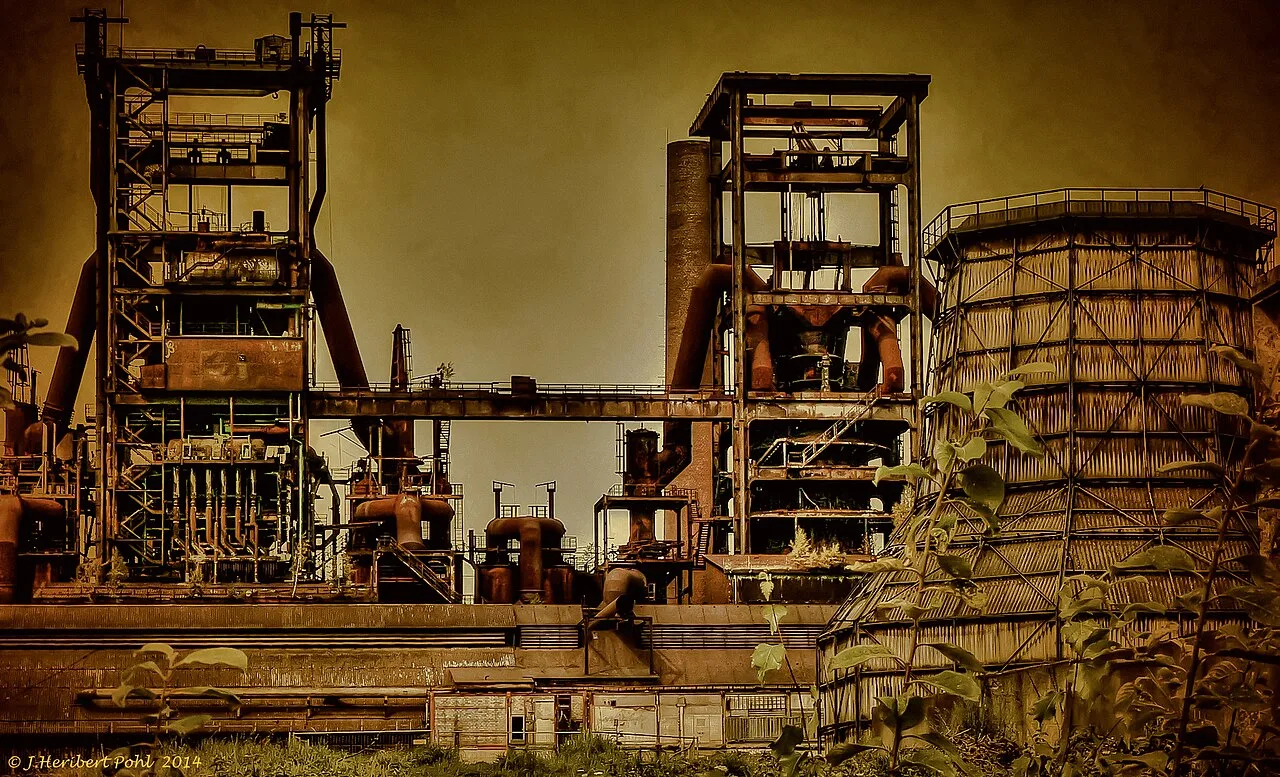
The first-person cycling report bears that out in practice. Its author describes pedalling the route as a rough circle with variations, starting wherever suits you, and praises the junction-based signs as excellent for most of the trip — with the caveat that closures force detours where alternatives are less clearly marked. That single detail matters for anyone planning a self-guided day: the system is reliable until it is not, so carry a map or offline routing as backup.
Dortmund also connects to the broader European picture. ERIH, the European Route of Industrial Heritage, presents over 2,400 sites across the continent with more than 100 anchor points, and the Ruhr is one of its listed regional routes. If you enjoy the Dortmund sites, that network is the logical next layer — the ERIH listing gives you a way to compare Ruhr anchor points with, say, Zollverein in Essen or Landschaftspark Duisburg-Nord without relying on any single city guide.
The Three Dortmund Sites at a Glance: Museum, Monument, District
The single most useful distinction for planning is that these three places are not the same kind of attraction. Zeche Zollern is an LWL museum housed in a colliery complex, and the route operator calls it the "Castle of Work" — one of the most beautiful sites of German industrial history. You go inside, you read, you look at exhibitions, and you spend real time there.
Kokerei Hansa is the opposite experience by design. The route operator describes the only surviving central coking plant from 1928 as a "large walk-in sculpture", which is an accurate warning that it is a preserved monument rather than a conventional exhibition. The cycling report captures what that feels like: time-punch clocks with old name cards still in place, wash and changing rooms where workers hoisted dirty workwear to the ceiling to air overnight, and photogenic weathered halls. There is little to read and much to look at.
Phoenix West belongs to a third category entirely. The city of Dortmund records that the western part of the former steelworks site was redeveloped as a technology and business location, while the eastern side became a new urban landscape with housing, work, public space and water. In other words, it is a working district with an industrial past, not a museum campus — the interpretive hook is the transformation itself.
Zeche Zollern: Where You Spend the Most Time Indoors
Zollern is the anchor point most people picture when they think of Ruhr industrial heritage, and it delivers the most conventional museum visit of the three. The route operator lists it among the 27 anchor points and credits it as an LWL museum, which means the institution behind it also runs a much wider family of museums, schools and cultural services across Westphalia-Lippe. If you want context on how these sites are managed, the LWL portal is the place to start rather than a third-party summary.
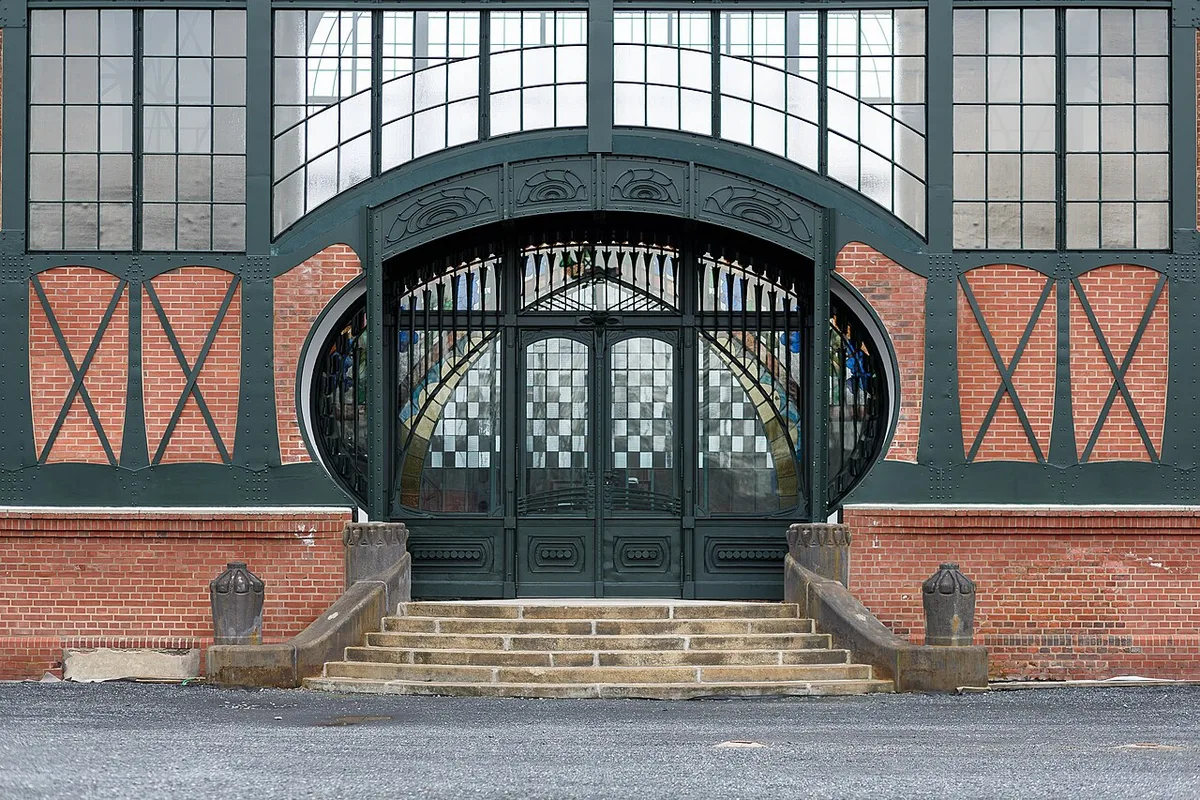
The practical takeaway from the cycling report is time. Its author spent nearly two hours at Zollern exploring the pithead frame, machine halls, small trains and the mining history exhibition, and still treated it as one stop in a longer day. Two hours is that visitor's own figure, not an official recommendation, but it is a sensible planning number: treat Zollern as your longest single stop and build the rest of the day around it.
Before you travel, check the current visitor information — opening times, ticket prices and whether interiors or special exhibitions carry separate admission. Those details are volatile and are published by the museum itself, so a planning guide should never fix them for you. When you are ready to commit, a dedicated Zeche Zollern visitor guide will keep the site-specific practicalities in one place.
Kokerei Hansa: Pacing a Walk-Through Monument
Hansa changes the rhythm of the day. Because there is no exhibition circuit to follow, you move at your own speed through machine halls and connecting corridors, and the experience depends heavily on weather and light. The cycling report calls the vast halls and weathered buildings strikingly photogenic, which is a useful signal: bring a camera, plan for uneven surfaces and don't schedule anything tightly immediately afterwards.
One thing Hansa is tied to right now is the city's garden exhibition. Dortmund's own pages state that the International Garden Exhibition opens on 23 April 2027 and that a Zukunftsgarten, a future-oriented garden, is being created around Kokerei Hansa as one of its central venues. That is a dated, verifiable fact from the city, and it means the area around the coking plant may be affected by construction or event programming in the run-up. Check the current status before you build a visit around the site.
Because Hansa is a preserved monument rather than a ticketed exhibition hall in the conventional sense, treat any claim about free grounds versus paid interiors as something to verify locally. The route operator describes it as walk-in, which suggests exterior wandering is the core experience, but that is not the same as confirming what is free. The organiser's own pages are the only reliable answer.
Phoenix West: A District, Not a Museum
The most common planning mistake in Dortmund is treating Phoenix West as a single attraction with a ticket desk. It isn't. The city describes it as a technology and business location developed on the western portion of the former steelworks, with the eastern side transformed into a mixed urban landscape around water. What you visit is a district with a story, not a collection with a curator.
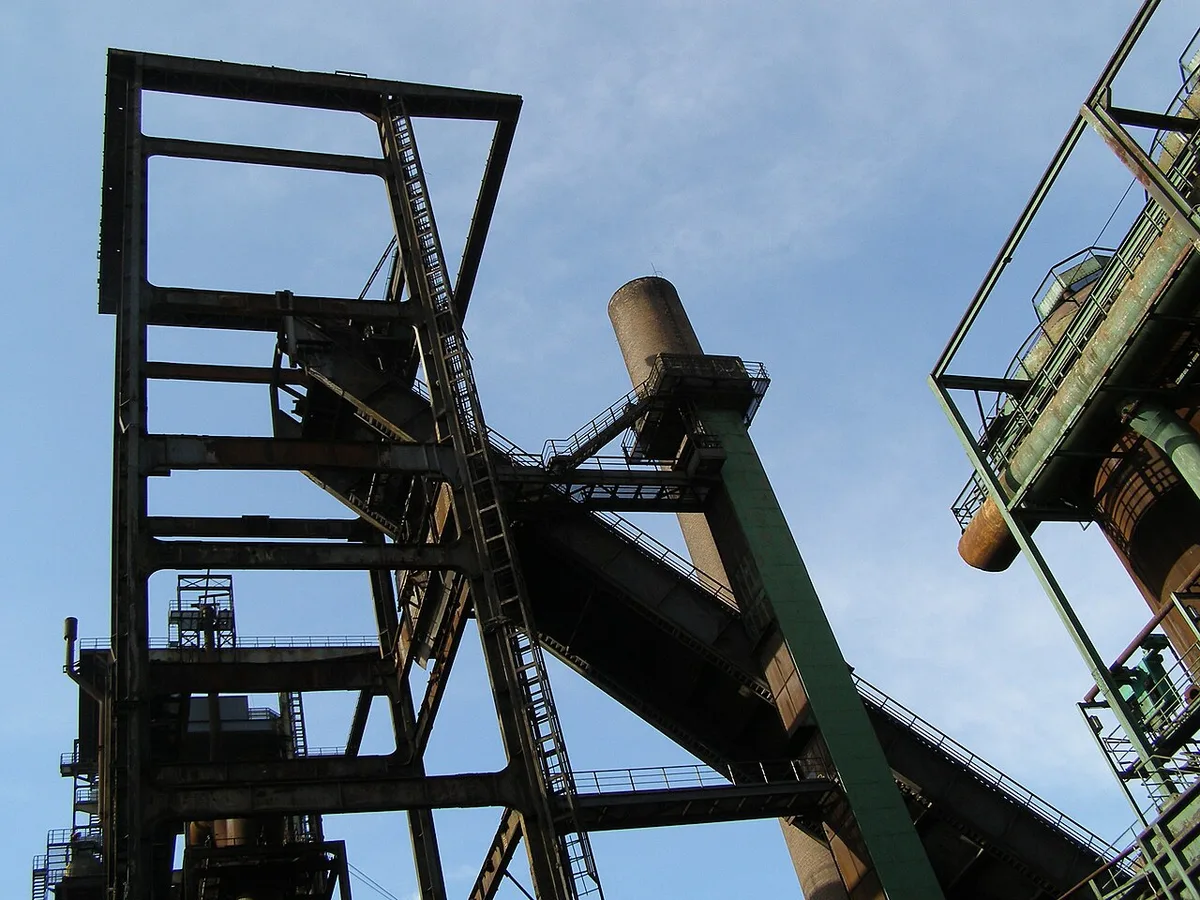
In practice that means the walkable value of Phoenix West comes from reading the urban fabric: office and technology buildings on remediated ground, new public space, and the juxtaposition of a steelmaking past with present-day knowledge work. The city even mentions that visiting delegations from coal regions study exactly this reuse pattern, which is a telling sign that the transformation narrative, not a museum exhibit, is the draw.
If you want a structured indoor experience in this part of the city, the light art centre is the one to research on its own terms. Dortmund's own event listings show Phoenix des Lumières programming with fixed timed slots, which tells you it is a scheduled attraction you should book around rather than treat as a drop-in stop. Verify current exhibitions, times and admission directly with the operator before planning the day around it.
DASA: The Optional Fourth Stop
DASA is an anchor point of the route and the largest exhibition on the world of work in Germany, spread over an area the operator compares to about two football pitches, with ten themed worlds covering past, present and future work. It sits in the same broad cluster as the other Dortmund sites, which makes it tempting — and that temptation is exactly why it should be optional rather than mandatory.
The reason is scale. An interactive exhibition on that footprint rewards two to three hours at minimum, and adding it to a day that already includes Zollern and Hansa turns a satisfying route into a forced march. The site also carries a standing notice that one hall is closed for conversion until further notice, a reminder that any individual exhibition area can be unavailable on your date.
Treat DASA as the natural candidate for a second day rather than a fourth stop on a single-day itinerary. Its published opening hours and price overview are on its own German-language visitor pages, and those are the pages to check — not an old blog post — because both are subject to change and the hazardous-materials closure is explicitly date-sensitive.
Suggested One-Day Sequence and a Labelled Suggested Duration
A workable single-day suggestion, offered here as a planning suggestion rather than an official figure, runs roughly six to eight hours of actual site time plus travel. Start at Zeche Zollern in the morning, because it is the longest and most structured stop and benefits from fresh attention. Spend around two hours there, then move to Kokerei Hansa for a looser hour to ninety minutes of walking and photography.
Finish at Phoenix West, where the pace drops to a stroll. Give the district ninety minutes on foot, and add the light art centre only if you have pre-checked a timed slot that fits. Sequencing this way groups the two heavy stops early and leaves the low-commitment district for the afternoon, when energy and light are both lower.
If you want a broader structure to hang this route on, compare it against a broader two-day plan before committing. That kind of framework helps you decide whether the industrial route is your whole visit or one thread inside a longer stay.
A Two-Day Version for Interiors Plus Walking
The two-day split solves the over-scheduling problem cleanly. Day one is the museum day: Zeche Zollern in the morning with unhurried time for the pithead frame, machine halls and exhibition, then a relaxed afternoon nearby. Day two is the walking day: Kokerei Hansa in the morning light, Phoenix West afterwards, and DASA if the weather turns against you.
That structure also absorbs the friction points better. If the coking plant's surroundings are busy with construction ahead of the 2027 garden exhibition, or if part of an exhibition hall is closed, you have slack to reshuffle instead of losing the whole plan. Two days also lets you add a non-industrial Dortmund stop without any guilt about efficiency.
For a longer stay, a three-day structure gives you the room to treat the industrial route as one strand rather than the whole trip. That extra day is what turns a checklist into a visit.
Getting Between the Sites: Signposts, Bikes and Public Transport
The regional route's own guidance is that its cycle network is well developed, mostly off-road and clearly signposted by junctions, and the cycling report confirms the signs usually work — you follow markers showing a pit head symbol. The honest caveat from that report is that where trails close, alternative routing is less clearly signed, and the author also notes the trail was deliberately routed through quiet green corridors, which is pleasant but leaves shops and bakeries scarce.
That food gap is the most underrated logistics problem on this route. Plan a proper meal near a station or town centre rather than hoping for a kiosk beside a monument; the cycling report mentions exactly this detour-to-eat behaviour more than once. Carrying water and a snack is not over-preparation here, it is basic.
Public transport is a genuine alternative to cycling between Dortmund's sites, but this guide deliberately does not name specific lines or journey times, because those change and are best read from current operator information. Start from Dortmund Hauptbahnhof and check live connections for each leg on the day. If you are weighing the industrial route against a day outside the city, a comparison of day trips from Dortmund will help you decide how to allocate your remaining time.
Free Grounds, Paid Interiors and Other Trade-Offs
There is no single ticket that covers Zeche Zollern, Kokerei Hansa and DASA together. Each site belongs to a different operator or funding structure — the LWL runs Zollern and DASA, while Hansa is a monument rather than a conventional museum — so assume separate admission decisions at each stop. Free access to grounds never implies free access to interiors, and the reverse is also true.
Check each operator's own price page before you travel rather than trusting any second-hand figure. This guide deliberately omits prices because they change and because the reliable source for each site is its own visitor information. The same applies to opening hours, holiday closures and any special exhibition surcharge.
Weather is the other real trade-off. Much of the Hansa and Phoenix West experience happens outdoors, and the cycling report describes riding through drizzle and rain on parts of the route, plus construction detours. Build in a wet-weather swap — a museum-heavy day when it rains, a walking day when it clears — and the route stops feeling fragile.
Common Planning Mistakes to Avoid
The first mistake is treating Phoenix West as one museum. It is a redeveloped district, and the light art centre is one indoor attraction within it, not the definition of the place. Go expecting urban context and you will enjoy it; go expecting a museum and you will be confused.
The second is assuming a combined ticket exists. It does not, as far as the organisers publish, so budget and time separately for each site's interiors. The third is over-scheduling: adding DASA to a day that already has Zollern and Hansa is the most common way this route stops being enjoyable.
The fourth is ignoring season and calendar. The Ruhr's route operator maintains its own events calendar, and Dortmund city pages carry current notices and construction updates; a quick check before you travel catches closures that no general guide will have. If you want a wider sense of how this fits with other German industrial landmarks, comparing the route with the Zollverein Coal Mine Industrial Complex in Essen is a useful sanity check on scale.
Where to Go Next: Dortmund and the Wider Ruhr
Once the industrial thread is done, Dortmund has a second layer of landmarks worth a look, from the Dortmunder U arts centre in a converted high-rise to the Florian tower in Westfalenpark, which the route operator lists as one of its panoramas. Those give you city views and contemporary art that balance a very heavy industrial day.
If you are building the trip around this route, start from the city-level planning pages and then branch into individual landmark guides for the stops you intend to enter. That order keeps the travel decisions separate from the ticket decisions, which is the whole point of splitting a route into a district, a monument and a museum. If you are staying in the city rather than passing through, a base of local travel guides for Dortmund is the sensible next step.
Beyond Dortmund, the Ruhr rewards a loop rather than a single stop. Adjacent towns hold their own anchor points, and the regional route is designed to be entered from any direction. Treating Dortmund as your base and the wider network as day trips is the most flexible structure. If you want to see how the industrial sites sit alongside Dortmund's other big draw, the German Football Museum and Signal Iduna Park are both covered separately.
Plan Your Visit
The cleanest way to approach Dortmund's industrial heritage is to decide first what kind of day you want. If you want one substantial museum, make it Zeche Zollern and give it a generous morning. If you want atmosphere rather than exhibits, Kokerei Hansa delivers more per hour walked. If you want to understand how the region reinvented itself, Phoenix West is the stop that shows the answer rather than explaining it.
Then check the volatile details — opening hours, prices, current closures and any construction around the coking plant — on the operators' own pages in the days before you go. Booking a timed slot for the light art centre, if you want it, is the one reservation decision worth making in advance.
Plan the transport leg last, once you know your sequence, and keep a wet-weather alternative in your pocket. The 400-kilometre regional route gives you plenty of scope to extend, but Dortmund's three anchor experiences are enough for a very full day or a comfortable two.
Frequently Asked Questions
How long do you need for Zeche Zollern, Kokerei Hansa and Phoenix West in one day?
As a planning suggestion rather than an official figure, allow roughly six to eight hours of site time plus travel. Zeche Zollern is the most structured stop and rewards around two hours, Kokerei Hansa works as a looser hour to ninety minutes on foot, and Phoenix West is a district stroll of about ninety minutes. The light art centre there is a timed attraction, so add its slot only if you have checked availability in advance. Build in eating time as well, since food options directly along the route are sparse.
Do I need a car for the Dortmund industrial heritage route?
No car is required. Dortmund is served by public transport from the main station, and the wider Industrial Heritage Route is explicitly designed around a signposted cycle network that is mostly off-road and organised by junctions. The main practical caution from cyclists who have ridden it is that closures can force detours where signs are less clear, and that shops and bakeries are scarce along the quieter route sections. Check current connections and route status before setting out.
Is Kokerei Hansa a museum with exhibitions, or can you just walk around?
It is primarily a walk-through industrial monument rather than a conventional exhibition museum. The route operator describes the surviving central coking plant from 1928 as a large walk-in sculpture, and visitors report details such as time-punch clocks with old name cards, changing rooms where workwear was hoisted to the ceiling, and vast machine halls. That means your visit is about atmosphere, architecture and photography rather than reading and interpretation. Whether interiors carry an admission charge and when they are open should be confirmed directly with the operator, not assumed.
Is there one ticket that covers all the industrial heritage sites in Dortmund?
No combined ticket covering Zeche Zollern, Kokerei Hansa, DASA and Phoenix West is published by the organisers. The sites sit under different ownership and funding structures, and one is a preserved monument rather than a museum, so plan for separate admission decisions at each stop. Free access to grounds does not imply free access to interiors. Check each operator's own price page in the days before you travel.
Is the Dortmund industrial heritage route suitable for cycling?
Yes, and cycling is arguably the most natural way to experience the wider network, because the regional route's cycle version is well developed and mostly off-road with junction signposting. The realistic friction points are trail closures with weaker alternative signage, occasional climbs over landscaped spoil heaps, and long gaps between shops. Ride it as a route rather than a single-site trip, and carry food and water. Distances quoted by individual cyclists are personal trip figures, not official route measurements.
What is Phoenix West, and is it worth visiting beyond the light art centre?
Phoenix West is the western half of a former steelworks site that the city redeveloped as a technology and business location, while the eastern side became a mixed urban landscape with housing, public space and water. It is a district with an industrial past rather than a museum, so its value comes from walking it and reading the transformation — offices and research space on remediated ground. It is worth a stop if the story of how the Ruhr reinvented itself interests you, and it pairs naturally with the light art centre if you book a timed slot.


