

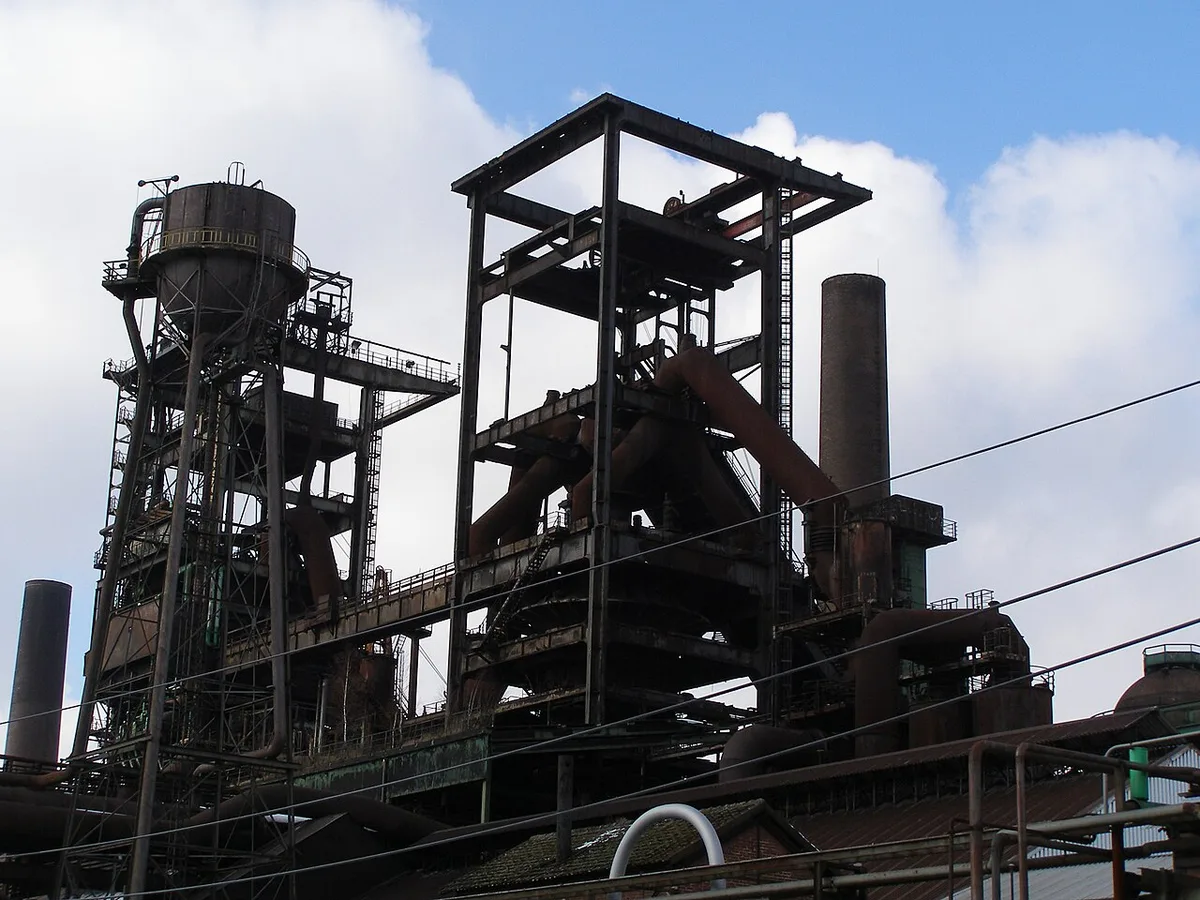
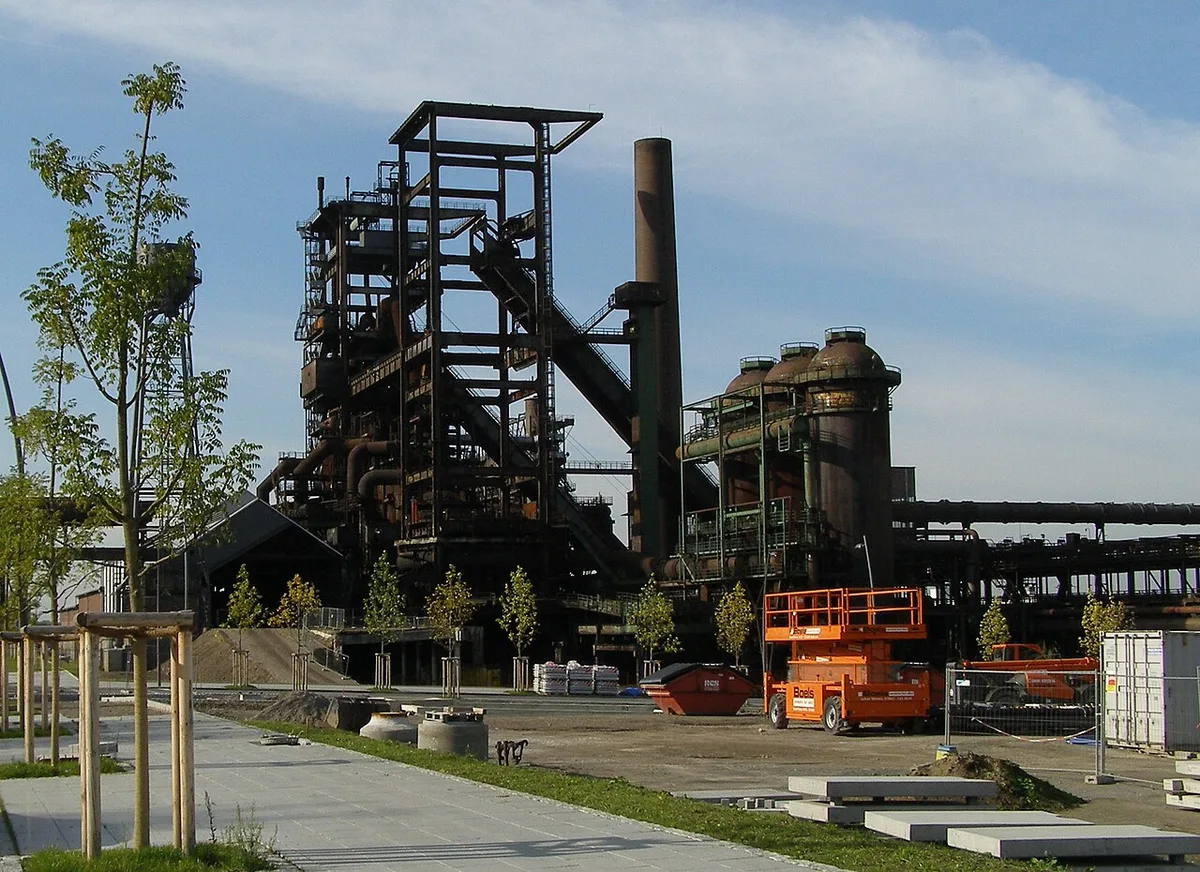
The Phoenix West blast furnace is the one structure that still announces Hörde's steel past from a distance, standing at the middle of a site that has since been rebuilt as a business and recreation district.
A workable trip rests on two distinctions: between the open, walkable grounds of an industrial monument and the paid interiors of museum sites elsewhere in the region, and between what the organiser publishes and what you should confirm before travelling.
You can pair the monument with the rest of the city using Dortmund itineraries and city travel guides, which cover the centre, the tech and arts venues and how to sequence a single day across town.
What the Phoenix West Blast Furnace Actually Is
This is not a museum building with a ticket desk at the gate; it is an industrial monument, the old blast furnace plant kept as the centrepiece of a redeveloped area. Visitor notes describe it as one of the last real landmarks that still indicates the history of the steel industry in Hörde, which is the clearest reason to go.
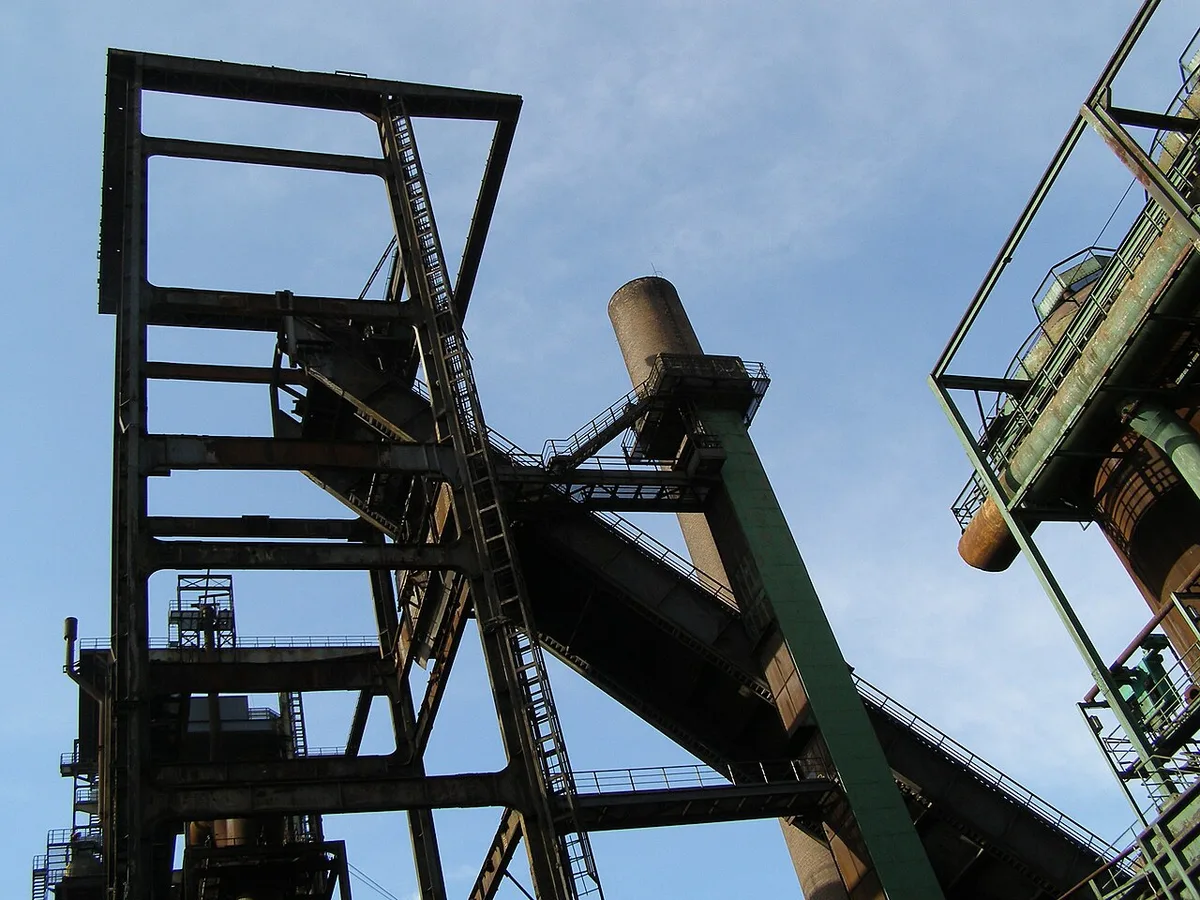
The surrounding frame matters as much as the furnace itself. The same visitor description places the monument among wide boulevards, expansive staircases, water cascades and large squares, with the large Hoesch gasometer and the Phoenix Hall nearby, so treat the walk between these elements as part of the visit rather than dead time.
The site's identity has shifted twice: first the steelworks closed, then the land was converted to commercial and local recreation use. A visitor tip from 2020 notes the neighbouring areas, including adjacent slag heaps, were being transformed into a commercial and recreation district, and one from 2017 predicted the furnace would eventually be read mainly surrounded by corporate real estate.
That time dimension is the honest hook: you are looking at an industrial relic inside a working commercial landscape, not a preserved open-air museum. If you want the rawest version of that contrast, go before more of the district is finished.
Separating Free Grounds From Ticketed Interiors
In the Ruhr, the reliable pattern is that the outdoor grounds of a monument are open and free while the museum interiors, exhibitions and guided formats carry their own admission. Zollverein states that the World Heritage Site is accessible free of charge at any time, while its Ruhr Museum and Red Dot Design Museum charge separately, which is the model to carry in your head.
Zeche Zollern works the same way in reverse: the LWL museum publishes its own opening hours, closing days and admission, including reduced rates and free entry for children, and it runs as a ticketed collection rather than a free monument.
Apply that logic to Phoenix West cautiously. Treat the open area and the monument as a walk you plan around daylight and weather, and treat any indoor or ticketed stop as a separate decision with its own published terms, because the organiser pages for the blast furnace do not set out a single combined offer.
One nearby venue deserves an explicit warning: the Phoenix des Lumières exhibition space is a separate attraction with its own programme and ticketing, not an add-on to the furnace. Nothing published links the two, so budget them independently.
Viewing, Access and the Cycling Rule
The monument can be seen and approached from the surrounding public area, but do not assume that platforms, stairs or any elevated vantage point are open to visitors. No official source confirms current public access to viewing levels or how you would reach them, so plan to see what is visibly accessible on the day and leave the rest.
One rule is documented and worth respecting: the Komoot highlight page for the immediate monument area states that cycling is not permitted there. Bring a lock and walk the last stretch if you arrive on two wheels, and treat the wider cycle network separately from the monument itself.
Guided access is the murkiest area. A 2017 visitor tip notes the furnace was renovated and made accessible for guided tours as part of an adventure trail, but that is a historical description, not a current schedule, so confirm availability, language and meeting point directly before you build a day around a tour.
Skip any assumption about step-free routes, lifts or wheelchair access here. Neither operator page publishes those details for the blast furnace, so if access is a deciding factor, ask before travelling rather than after.
How Long to Allow, and How to Structure It
As an editorial suggestion rather than an official figure, allow roughly two to three hours on site if you want to walk the grounds, look at the furnace from several angles and take in the gasometer, hall and surrounding squares without rushing. Add more if you stop for photos or food.
Structure the half-day outdoors first. Walk the monument and the surrounding open space while the light is good and before any indoor stop draws you inside, then decide whether to add one paid venue from the wider area, since that decision depends on published hours and ticket availability on the day.
If you are travelling with a mixed group, split the plan: those who want machinery, architecture and open space stay with the monument, and those who want curated collections go to a ticketed museum elsewhere in the city. Our Borusseum visitor guide covers a different, football-themed indoor stop if the group wants contrast rather than more heavy industry.
For a wet-weather alternative that keeps the industrial and labour theme, the DASA Working World Exhibition is an indoor, exhibition-led option with its own arrangements and opening pattern.
Where Phoenix West Sits in the Ruhr Heritage Landscape
The blast furnace belongs to a much larger regional storytelling project rather than standing alone. The Route of Industrial Culture connects the Ruhr's most impressive industrial monuments along a 400-kilometre themed road, organised around anchor points, panoramas and workers' settlements.
Within that structure, Dortmund is represented by sites such as the Zollern colliery and the Hansa coking plant, while Essen holds the Zollverein World Heritage Site, described on the same platform as a monument and symbol of the region's structural change.
At European scale, the same monuments are collected in a cross-border network covering thousands of sites and over a hundred anchor points across dozens of countries, which is useful if you are planning several industrial trips rather than one.
In practice this means Phoenix West is best used as a low-commitment, high-atmosphere stop that anchors a day of heavier museum visits, rather than the day's main ticketed attraction. Plan it as the flexible element and let the fixed-hours sites set the timetable.
Choosing Between Phoenix West, Zollern and Zollverein
If you want a single, deeply curated industrial museum day, Zeche Zollern is the stronger pick: it publishes fixed opening hours, closing days and a full ticket structure, so you know what you are buying before you travel.
If scale and free roaming matter more, Zollverein is the obvious comparison: a hundred-hectare site with the grounds free at all times, paid museums inside and a paved circular route across the former mine and coking plant.
Phoenix West occupies a third position: no published tourism apparatus, no confirmed ticketing, but a monument that photographs well and sits inside a district with its own recent history. Choose it when you want texture and a walk rather than interpretations and exhibits.
A sensible combination day uses Phoenix West in the morning and one ticketed site in the afternoon, or the reverse if you prefer to start indoors. You can build that around our day trips from Dortmund for options beyond the city boundaries.
Getting the Logistics Right
Do not plan around remembered opening times, prices or transport details for this site, because none are reliably published for the blast furnace itself. Check the operator and city sources shortly before you travel and treat anything older with suspicion.
Transport is the classic trap. Published route, stop and journey information exists for other Ruhr monuments, but none of it transfers to Phoenix West, so look up your own connection to the Hörde area and confirm it the day before, especially at weekends and on public holidays.
Weather is a genuine planning variable because the main experience is outdoors: wind, rain and winter darkness all affect how much time the monument rewards. A short visit in bad weather is still worthwhile if you accept it as a look-and-walk stop rather than a full programme.
Making the Trip Work
The Phoenix West blast furnace earns its place on a Dortmund itinerary as a free-standing industrial monument inside a rebuilt commercial district, best visited as a walk with the gasometer, hall and squares included rather than as a ticketed attraction.
Build the day around confirmed facts: verify access, any guided formats and your own transport before setting out, respect the no-cycling rule on the immediate monument area, and let the fixed-hours museums carry the parts of the day that need certainty.
Read the wider Dortmund: Landmark Visitor Guides collection before you commit, then decide whether Phoenix West is your anchor or your warm-up act.
Frequently Asked Questions
Is the Phoenix West blast furnace free to visit?
The organiser and city sources do not publish admission terms for the blast furnace itself, so no reliable free-or-paid statement can be made for the monument or for any elevated area. Treat the open surroundings as something you can walk through and treat any indoor or guided element as a separate arrangement to confirm before you travel.
Do you need a guided tour to see the blast furnace?
A visitor tip from 2017 describes the furnace as having been renovated and made accessible for guided tours as part of an adventure trail, but that is a historical description rather than a current guarantee. If a tour is central to your plan, ask the relevant operator about current availability, language and meeting arrangements before you commit to a date.
Can you cycle on the Phoenix West monument area?
No. The highlight listing for the immediate monument area states that cycling is not permitted there. If you arrive by bike, lock it nearby and walk the final section, and treat the wider regional cycle network as a separate matter from the monument itself.
How long should you allow for a Phoenix West visit?
As an editorial suggestion, plan roughly two to three hours on site to walk the grounds and view the furnace, gasometer, hall and surrounding squares. This is not an official figure; add time if you continue to a ticketed museum or stop for food nearby.
How does Phoenix West compare with Zeche Zollern or Zollverein?
Zeche Zollern and Zollverein both publish fixed opening hours, closing days and ticket structures, and Zollverein keeps its extensive outdoor grounds open free of charge while charging separately for its museums. Phoenix West offers a monument and a walk without that published apparatus, so pick it for atmosphere and the other two for curated, guaranteed museum time.
Where does Phoenix West fit on the Route of Industrial Culture?
The Route of Industrial Culture links the Ruhr's most significant industrial monuments across a 400-kilometre network organised into anchor points, panoramas and settlements, with Dortmund represented by sites such as the Zollern colliery and the Hansa coking plant. Use the route's own listings to see which stops sit close enough together to combine in one day.


