

The DASA Working World Exhibition in Dortmund presents itself as Germany's largest exhibition on the world of work, with ten themed working worlds across an area the operator compares to almost two football pitches. Rather than displaying machinery behind glass, it fills that space with multimedia stations, room installations and hands-on exhibits about jobs past, present and future. The subject is work itself: how it is organised, how it is made safer, and what it demands of the people who do it.
One planning fact should shape your expectations before anything else. The operator states that the Hazardous Hall is closed until further notice because of rebuilding work. That matters because the hazardous substances world is normally one of the ten themed areas, so the full ten-world circuit may not be available on your visit. Check the operator's current construction notices shortly before travelling.
What DASA Is and Why It Stands Out
DASA is a working-world and occupational-safety exhibition, not a general technology or art museum. Its identity comes from occupational science as much as from engineering: exhibits explain physical strain, shift work, dust, noise and hazardous substances alongside the machinery and processes that produce them. Visitors who come expecting a classic collection of objects will find something closer to a themed experience park about employment.
The scale matters for how you plan the day. Ten working worlds spread over an area equivalent to two football pitches, with interactive stations, multimedia and reading-heavy panels in between. A single pass-through is possible, but it rewards a deliberate order rather than following the room numbers mechanically. If you are travelling with children, the same hall can become tiring quickly, so a Dortmund with kids plan that includes rest stops is worth sketching in advance.
The Ten Working Worlds and What Each Covers
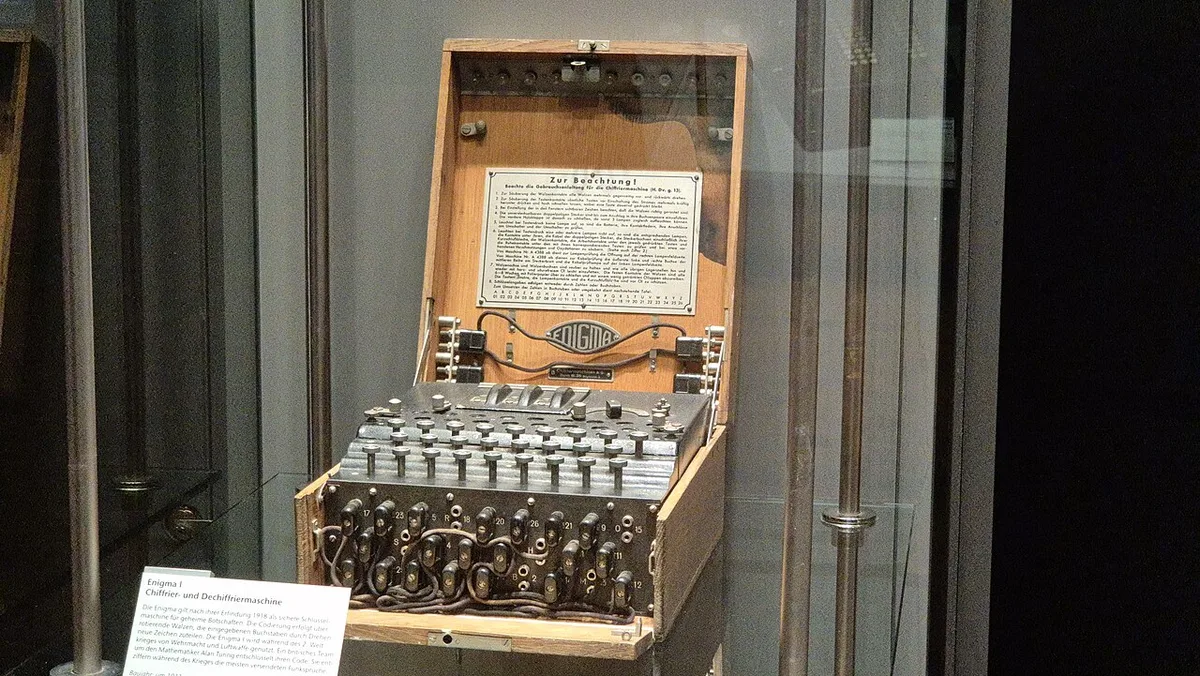
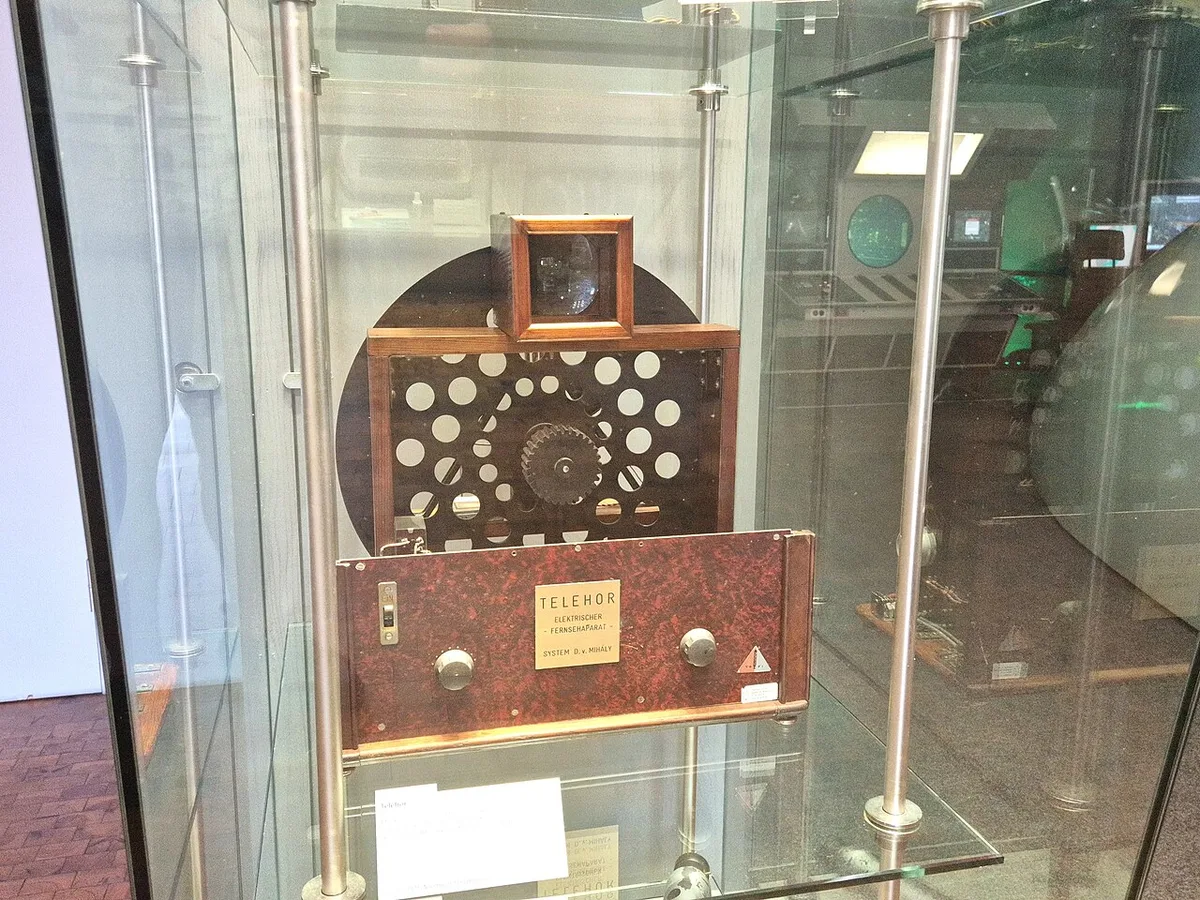
The permanent exhibition is divided into ten themed worlds. Media and screen work covers information and communication technology, with regular demonstrations, exhibits to try out and a substantial amount to read. Newspaper production and media traces the path from manual typesetting to desktop publishing and asks what each change meant for the people doing the work.
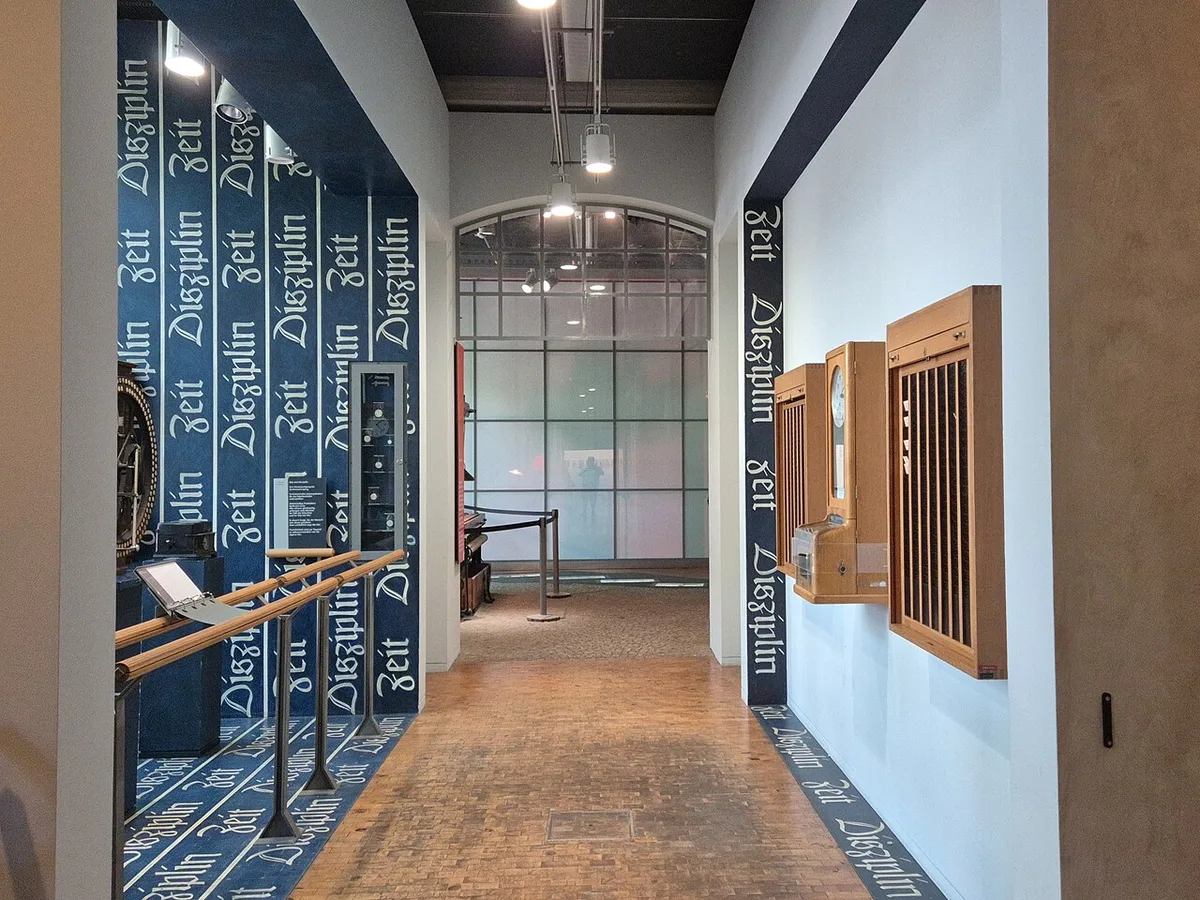
Industrial themes form the middle of the circuit. Textile factory work reproduces the noise of steam engines and looms along with the time-clock discipline of the old factory floor. Iron and steel covers heavy physical labour, shift patterns and extreme heat, dust and noise, while the power generation world follows electricity from production to distribution and asks how power-station staff respond when the lights go out.
Construction safety is the most physically playful of the industry worlds, with tunnels and heights used to show the risks of structural and civil engineering. Transport and traffic looks at the working conditions of people who are permanently on the move with goods and passengers. Care work is presented as a skills-and-competence subject rather than a sentimental one, and the future-of-work world invites visitors to debate how we want to live and work.
Interactive Highlights Worth Planning Around
The strongly interactive stations cluster in specific worlds, so decide in advance whether you want to queue for them or treat them as optional extras. The truck simulator puts visitors in the position of drivers who spend their working day on the road, which makes the transport theme concrete rather than abstract. Space Curl offers a 3D training experience described as a change of perspective, and it appears among the operator's advertised highlights.
Demonstrations are listed as a regular feature of some worlds, particularly the media and screen area, but regularity is not the same as a guaranteed timed show. Check the programme calendar for the day of your visit and treat any specific demonstration, workshop or guided tour as something to confirm rather than assume. This is especially true outside school holiday periods, when the visitor mix and staffing can change.
Opening Hours and Visitor Information
The operator lists weekday hours of 09:00 to 17:00 and weekend hours of 10:00 to 18:00, so Saturdays and Sundays start later and finish later than weekdays. Treat those as the published baseline and verify them again shortly before travelling, because construction notices and seasonal programming can affect access. If you are planning a long visit, arriving in the morning gives more buffer before the weekday close.
The exhibition address is Friedrich-Henkel-Weg 1-25 in Dortmund, and the operator publishes its own contact and directions information rather than relying on third parties. Use the operator's route guidance for arrival planning, since journey details and transport options are not reproduced here. If you have specific access needs, ask the visitor service directly instead of assuming the answer from a general listing. For wider city orientation before or after your DASA slot, the Dortmund city travel guide covers other districts and day-planning ideas.
Ticket Scope: What a DASA Ticket Covers
A DASA ticket covers this one exhibition and its ten working worlds; it is not a city-wide museum pass. Do not assume that other Dortmund museums share a ticket with DASA, because they are separate institutions with their own admission arrangements. If you plan to combine DASA with another museum or attraction, budget for each stop individually.
The operator maintains a price overview and ticket information on its own visitor pages, so that is the correct place to check current admission costs and any reduced categories. Prices are not quoted here because they change and the operator is the authority. The same page is where you should look for any booking or advance-purchase options before you travel.
Temporary exhibitions and special formats can sit alongside the permanent working worlds and may have their own arrangements. The city's event calendar has listed a DASA special exhibition on sleep, which shows that the programme can change between visits. Check the DASA programme calendar to see what overlaps with your dates and whether it changes what your ticket includes.
Who the Exhibition Suits
DASA works best for visitors who are curious about occupational safety, industry and the human side of work rather than for those seeking a traditional art collection. Families benefit from the hands-on construction and transport stations, and the care and media worlds give older children and teenagers something to discuss rather than just press. School groups are explicitly catered for, with dedicated educational offers for teachers and classes.
Trade visitors and professionals in safety, ergonomics or vocational training get a different layer from the same exhibits. The exhibition also hosts specialist formats and a scenography programme for expert audiences, which suggests a venue designed to be read at two levels. Third-party reviews describe the experience as engaging for visitors of all ages, though individual tastes vary.
It is less rewarding for visitors who want quiet galleries, low stimulus and a short visit. The space is large, the industrial worlds are deliberately loud and sensory, and several sections are text-heavy. Anyone sensitive to noise or crowds should plan around busy periods and take the reading rooms at their own pace rather than trying to cover everything.
Suggested Duration and Pacing
A suggested, non-official duration for a first visit is roughly three hours, which gives time to cross the main industry worlds, try two or three interactive stations and skim the reading sections. The operator does not publish an official visit length, so treat this as a pacing suggestion rather than a fixed figure. Anyone with a specialist interest in occupational safety could comfortably spend half a day.
If you have less than two hours, skip the heaviest reading areas and prioritise the construction, transport and power worlds, which deliver the most immediate sensory experience. If you have a full afternoon, work through the circuit in order and leave the future-of-work and care worlds until the end, when you are more willing to sit and engage. Recheck whether the Hazardous Hall has reopened, since that affects how much of the circuit remains.
Dortmund Beyond DASA
DASA sits within a wider city that rewards a full day or a weekend rather than a single stop. The Museum Ostwall is the obvious counterweight for art, offering a very different tempo and a separate ticket. Treat each attraction as its own visit with its own admission arrangements instead of trying to chain them on one ticket.
Football fans can pair a DASA visit with the Borusseum, while families may prefer to build the day around the city's child-friendly options. Dortmund also has a cluster of indoor attractions that work well when the weather turns, which is worth considering given the size of the DASA halls and the amount of walking involved. Plan two or three nearby stops and leave room for a break between them.
Plan Your Visit
DASA is best approached as one substantial exhibition rather than a quick add-on to a city break. Check the Hazardous Hall status and the listed opening hours on the operator's site shortly before you go, then decide whether the remaining working worlds justify the visit for your group. If they do, give the exhibition a proper block of time rather than squeezing it between two other stops.
Build the rest of the day around separate, individually ticketed attractions and confirm each one's own arrangements. A football museum, an art museum or a family-oriented stop can all follow a DASA visit, but none of them shares a ticket with it. That separation keeps both the budget and the timetable realistic.
Frequently Asked Questions
Is the DASA Working World Exhibition free to enter?
The exhibition is a ticketed attraction rather than a free site, so plan on paying admission for the working worlds. The operator publishes a price overview and ticket information on its visitor pages, which is the right place to check current costs and any reduced categories. Do not assume that a DASA ticket also covers other museums in Dortmund, because those are separate institutions with their own admission.
Is the Hazardous Hall at DASA currently closed?
The operator states that the Hazardous Hall is closed until further notice because of rebuilding work, so it cannot be counted on as part of your visit. That means the hazardous substances theme may be presented differently or not at all, and the full ten-world circuit may not be available. Check the current construction notices on the operator's site shortly before travelling, as the reopening date cannot be guaranteed in advance.
How long should you allow for a visit to DASA?
A suggested, non-official duration is around three hours for a first visit that covers the main industry worlds and a few interactive stations. The operator does not publish an official total visit length, so think of this as a pacing guide rather than a fixed rule. Visitors with a deeper interest in occupational safety, or those reading the text-heavy sections carefully, can comfortably spend longer.
Is DASA suitable for children and families?
Families tend to get the most from the hands-on construction, transport and multimedia stations, which let children try things rather than only read. The space is large and some industrial worlds are deliberately loud, so younger children may need breaks and a slower route through the halls. School groups are explicitly provided for, and teachers can find dedicated educational offers on the operator's site.
What are the DASA opening hours?
The operator lists weekday opening from 09:00 to 17:00 and weekend opening from 10:00 to 18:00, so weekends start later and finish later than weekdays. Those published times can be affected by construction notices and special programming, so confirm them again before you travel. If you are visiting on a weekday, arriving in the morning leaves more room before the earlier close.
Which working worlds are included in a DASA ticket?
One DASA ticket covers this exhibition's themed working worlds, which the operator describes as ten areas covering media, textiles, construction safety, transport, steel, power, hazardous substances, care, services and the future of work. Some areas may be unavailable during building work, as is currently the case with the Hazardous Hall. Temporary special exhibitions can run alongside the permanent worlds, so check the programme calendar for your dates.


