

Dortmund becomes easier to plan the moment you pick one big indoor address and stay there. DASA, Germany's largest exhibition on the world of work, spreads across an area the operator describes as almost two football pitches, with ten themed working worlds, multimedia stations and exhibits to try. That scale is why it works so well when it rains: you are not moving between sites in bad weather.
The other natural anchor is the Dortmunder U, a landmark tower that holds several cultural institutions rather than a single museum. The building's own site lists Museum Ostwall, Kunsthalle Dortmund, uzwei, TU Dortmund and storyLab kiU among the institutions in the house, along with changing exhibitions on several levels. That concentration means a wet half day can be spent entirely indoors without repeating yourself.
Why Dortmund Suits a Wet Day
Dortmund's cultural map is unusually indoor-friendly because so much of it grew out of industry, and industrial buildings convert well into exhibition halls and creative centres. The Dortmunder U is the clearest example, stacking art, media and creative institutions through one tower instead of spreading them across a campus. The city's own portal is the right place to check current exhibitions and city-wide events before committing to a plan.
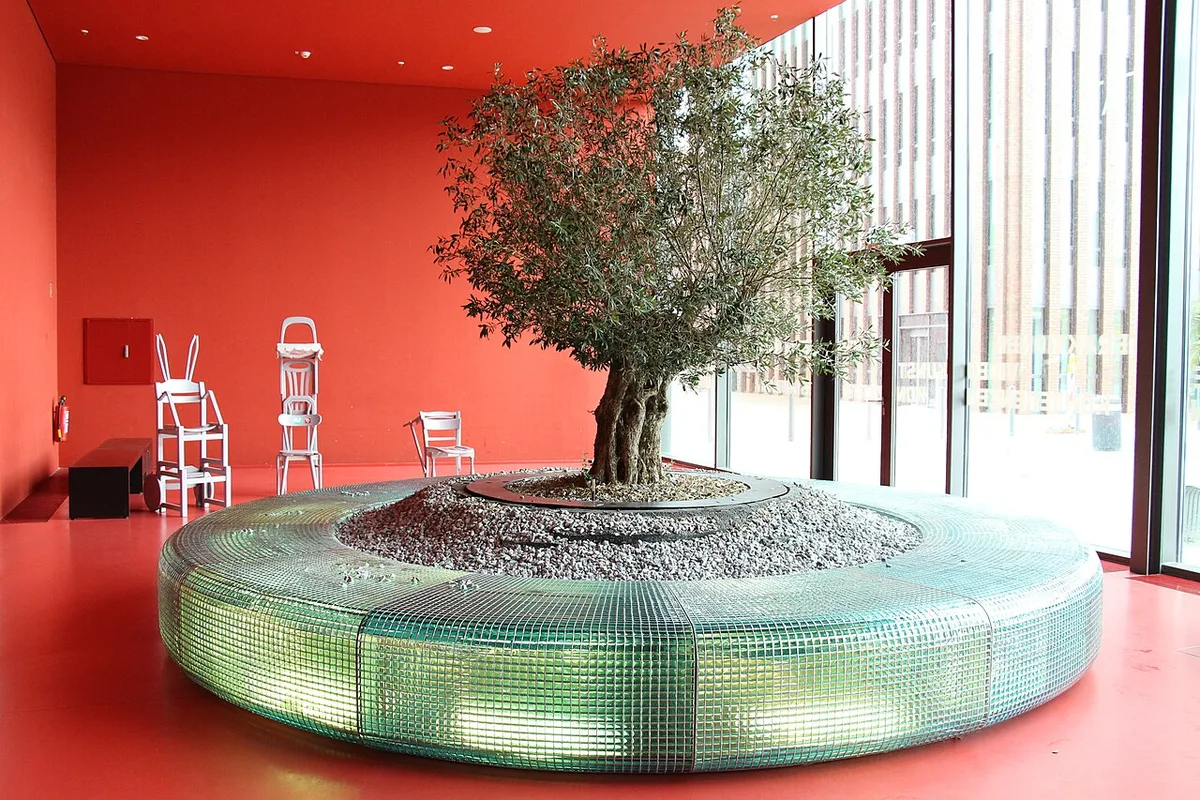
One planning distinction matters more than any other: free public areas and ticketed exhibition levels are not the same thing. The Dortmunder U's visitor pages publish opening times, admission prices and access information separately from its programme, and individual institutions in the building set their own terms. Do not assume one ticket covers every floor, and do not assume that a Dortmund museum shares a combined ticket with its neighbours. For a broader view of how the city's landmarks fit together, the Dortmund city guide is a sensible starting point.
The Dortmunder U as Your Anchor
The Dortmunder U is the single most useful rainy-day address in Dortmund because it behaves like a multi-institution building rather than one museum. Its own site lists Museum Ostwall, Kunsthalle Dortmund, uzwei, the TU Dortmund involvement and storyLab kiU among the institutions in the house, alongside changing exhibitions across several levels. It also runs recurring formats that give a wet day structure, including Kleiner Freitag on Thursdays, the Kino im U film programme, Familiensonntag on the first Sunday of each month, and the Sommer am U open-air programme on the forecourt.
The operator confirms that the building is marking 100 years of the U-Turm with a programme of exhibitions, workshops, digital culture projects and events across its floors. Some of these require registration and some are ticketed, so check the programme for your date rather than assuming a single admission covers everything. Rooftop and open-air elements are occasional rather than a guaranteed viewing platform, which is exactly the kind of detail that matters when the forecast is poor.
Museum Ostwall Inside the U
Museum Ostwall occupies the fourth and fifth floors of the Dortmunder U, while the sixth floor provides space for temporary exhibitions, according to the Ruhr tourism listing for the museum. The Ruhr tourism page also states that the museum is closed on Mondays and that special rates apply for special exhibitions. Its permanent display is built around Fluxus and classical modernism, with Joseph Beuys, Allan Kaprow, Milan Knízák, Alison Knowles, Dieter Roth, Daniel Spoerri and Wolf Vostell represented in the Fluxus section, and Ernst Ludwig Kirchner, Emil Nolde, Wassily Kandinsky and Franz Marc in the classical modernism holdings.
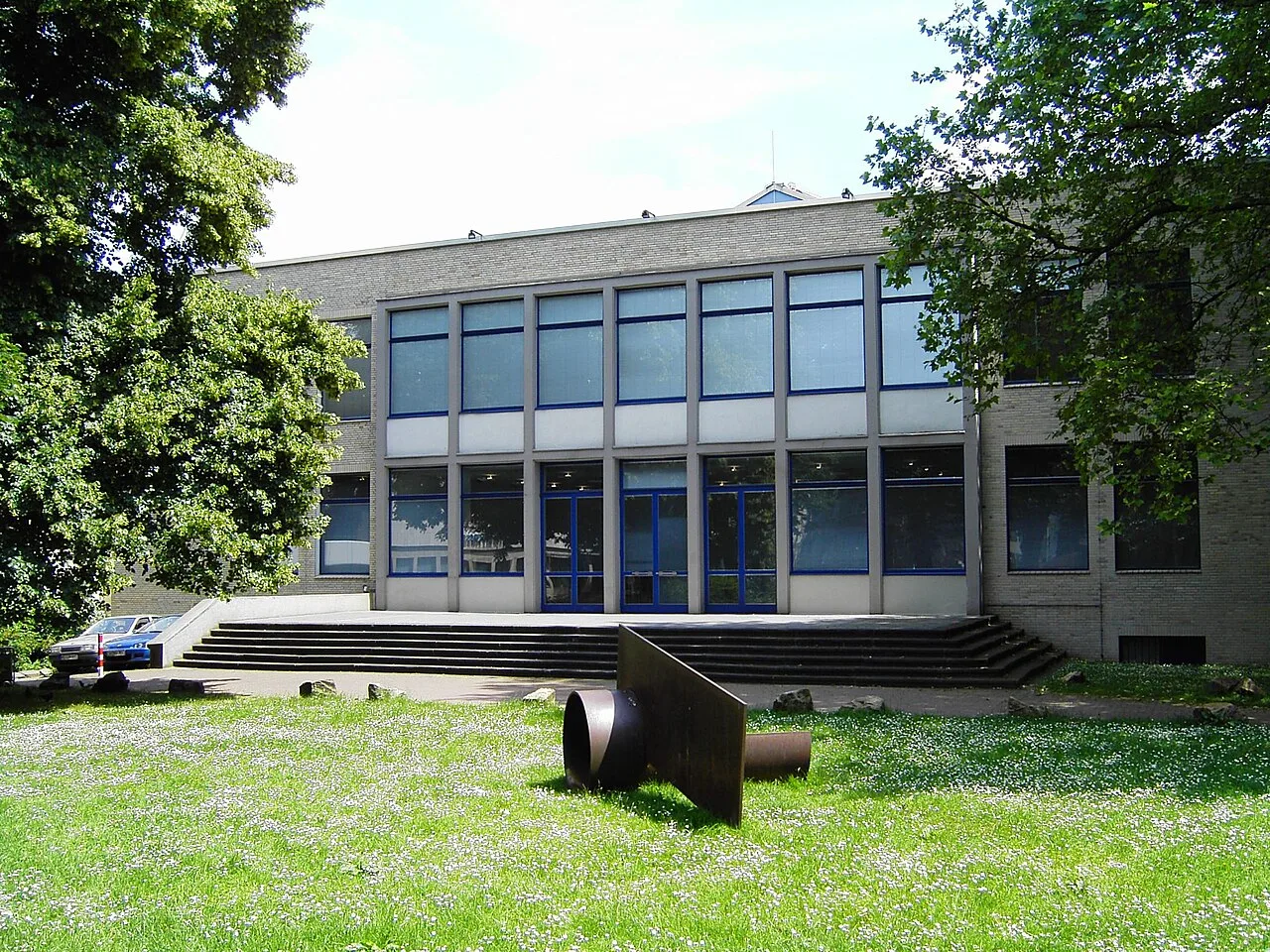
The same source notes that only the Museum Wiesbaden holds a larger Jawlensky collection in Germany, and describes Museum Ostwall as the first port of call for Fluxus in the Ruhr area. That gives the museum a distinct identity rather than a general city-museum role. Because opening hours and prices are volatile and not fully settled in the sources available here, confirm them with the Dortmunder U directly before you travel. A visit pairs naturally with the tower's other floors, but each institution has its own access conditions.
DASA Working World Exhibition
DASA is built for bad weather. The operator describes it as Germany's largest exhibition on the world of work, covering an area equivalent to almost two football pitches, with ten themed working worlds that visitors walk through rather than view from a distance. The site states opening hours of Monday to Friday from 09:00 to 17:00 and Saturday and Sunday from 10:00 to 18:00, and it carries a clearly displayed notice that the hazardous substances hall is closed until further notice because of construction work.
Those ten worlds range from screen and media work to building sites, transport, shift work in the steel industry, power supply, hazardous substances, care work and future working worlds. Several areas are built around demonstrations and hands-on stations, which is why DASA rewards a longer visit than a conventional museum. Prices sit on a separate price overview page, so check that page rather than relying on a figure quoted anywhere else. Flag the closed hall to anyone travelling with you so nobody expects the full route.
Beyond the Big Two: Smaller Indoor Venues
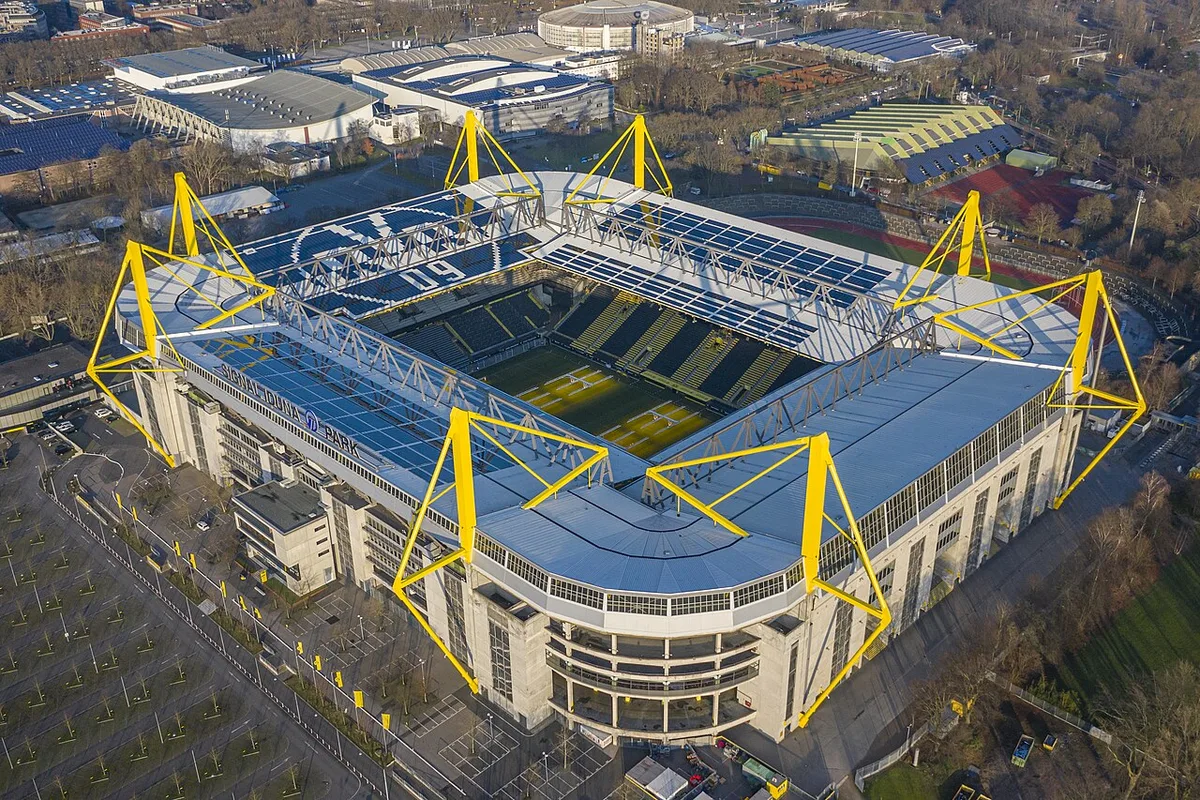
Dortmund's indoor map is wider than the U and DASA, and a wet afternoon is a good reason to use it. The German Football Museum sits in the city centre and is a natural rainy-day anchor for anyone with even a passing interest in the sport. The Borusseum at Signal Iduna Park covers the club's history in a compact indoor exhibition of around 800 square metres, with memorabilia, films, installations and a trophy cabinet, and its ticketing information states plainly that museum admission does not include the stadium tour.
Other indoor options involve the Museum of Art and Cultural History, the Naturmuseum and the Kindermuseum Adlerturm, while Phoenix des Lumières runs immersive digital art shows in a converted industrial space and posts its current exhibition dates on the city portal. The Borusseum also offers a children's trail and an interactive game zone, which helps if you are travelling with younger visitors. If you want the individual attraction pages collected in one place, the Dortmund landmark guides hub is the efficient way in.
Choosing Between the U and DASA
The decision comes down to time budget, appetite for interaction and who is travelling with you. The Dortmunder U suits a compact half day because everything sits in one building and the programme changes often, so a short visit still feels substantive. DASA suits a longer block because its scale and interactive stations reward two to three hours or more, and its published opening hours give you a clear window to plan around. The German Football Museum visitor guide is the right starting point if sport is the priority instead.
Families should lean towards DASA and the U's family formats, while visitors who want art and conversation should centre the day on Museum Ostwall and the U's exhibitions. Anyone who mainly wants football can build the wet hours around the German Football Museum and the Borusseum instead, keeping Signal Iduna Park itself for a dry match day or a separately booked tour.
Practical Rainy-Day Planning
Build the day around one anchor venue and one secondary stop, and keep the walking between them short. Check operator pages on the day, because both DASA and the Dortmunder U publish notices about construction, temporary closures and programme changes, and those notices genuinely affect the route. Guided tours and family formats are the easiest way to give a wet day a shape: the U publishes public tour times including foreign-language tours, and DASA publishes a programme calendar. Register in advance where a format requires it.
Leave outdoor sights out of a wet plan rather than squeezing them between showers. Westfalenpark and the Florianturm are outdoor experiences, and attempting them in heavy rain spends time you could use indoors; the same applies to walking routes and open-air monuments. If a second day brings better weather, the 2 days in Dortmund itinerary is a sensible way to slot those in. Otherwise, treat a wet day as a museum day and plan around that.
Suggested Half-Day and Full-Day Indoor Plans
A suggested half day looks like this: one anchor venue for roughly two to three hours, a meal indoors, and one short secondary stop if energy allows. At the Dortmunder U that could mean Museum Ostwall plus one temporary exhibition and a coffee in the building; at DASA it could mean working through several themed worlds and leaving when the interactive stations lose their pull. These are suggestions, not official timings, and you should adjust them to your own pace and interests.
A suggested full day pairs a morning at one large venue with an afternoon at another, then finishes with something low-effort such as a film screening or a short indoor exhibition. Keep one flexible slot in reserve so a delayed start does not collapse the plan. If you are comparing wet-weather strategies across German cities, the Berlin on a rainy day and Dresden on a rainy day guides are useful, as is the Munich on a rainy day guide for a southern-German comparison.
Plan Your Visit
A rainy day in Dortmund is best treated as an indoor day rather than a cancelled one. Start with the Dortmunder U if you want art and a compact, single-address plan, or DASA if you want a large interactive exhibition with published opening hours and a clearly flagged closed hall. Add the German Football Museum or the Borusseum when football is the reason you came.
Before travelling, confirm opening hours, prices and current closures on the operator pages, because those are the details that change and the sources here do not settle them for every venue. Check the Dortmunder U programme for tours, film evenings and family formats, and DASA's visitor information for construction notices. Then pick two venues rather than five and let the weather decide only how long you stay inside.
Frequently Asked Questions
Are Dortmund's museums free or ticketed?
It varies by venue and by floor. The Dortmunder U has free public areas and event formats alongside ticketed exhibition levels, and Museum Ostwall applies special rates for special exhibitions. DASA publishes its own price overview separately, and the Borusseum states that museum admission does not include the stadium tour. Do not assume a single combined ticket covers several Dortmund museums; confirm the current position on the operator's own pages.
How long should I allow for DASA Dortmund?
DASA describes itself as Germany's largest exhibition on the world of work, covering an area equivalent to almost two football pitches, so a very short stop undersells it. A suggested block is two to three hours or more if you use the interactive stations. That is a planning suggestion rather than an official figure; the constraint to build around is the operator's published opening hours, and one hall is currently closed for construction.
What should I skip in Dortmund when it rains?
Prioritise indoor venues and leave outdoor experiences for better weather. Westfalenpark and the Florianturm depend on being outside, and so do walking routes and open-air monuments. Trying to fit them into a wet afternoon usually costs time you could spend in a museum or covered cultural space, so swap them into a dry slot rather than squeezing them in.
Is the Dortmunder U worth visiting on a rainy day?
Yes, because it is a multi-institution building with art, creative and digital culture formats across several floors. It also runs recurring programmes such as Thursday Kleiner Freitag events, the Kino im U film programme and a monthly Familiensonntag, which helps fill a wet day without moving between sites. Check the programme for your date and confirm what is ticketed and what is free before you arrive.


