

Dortmund is not a city you conquer in an afternoon, and its museums are the clearest proof of that. Germany's official city portal currently lists a Phoenix des Lumières programme of Matisse-themed digital shows, which is a useful reminder that several of the city's headline cultural draws rotate rather than sit still. That single detail should shape how you plan: check what is actually showing before you build a day around it.
The practical problem is that Dortmund's museum landscape spans very different things. Football, twentieth-century art, digital projection shows and hands-on working-world exhibits attract different visitors and fill different amounts of time. A visitor comparing Dortmund with Berlin or Munich should expect a smaller but more varied set of options, as one long-running city perspective argues, so grouping by subject beats ranking by fame. For wider planning, see German Football Museum.
Group Dortmund's Museums by Subject and Visit Style Before You Pick
Start with the subject rather than a top-ten list. Football and sport, modern and contemporary art, digital projection art, and industry and working life each occupy their own building, often in their own part of town. A fan of one will happily spend three hours there and twenty minutes in another, so the ranking question is really a question about you.
The second filter is visit style. Some venues are contemplative galleries where you read and look, while others are loud, interactive and built for families or school groups. A third distinction matters even more in Dortmund: complexes that combine free public space with separately ticketed interiors, so you cannot assume one entry covers everything inside a building.
As a rule, treat each named museum as its own ticket and its own timetable. Neither the city portal nor the tourism site publishes a single Dortmund museum pass that you can rely on, so plan to check each operator's own page. That habits saves you from arriving at a second venue assuming the first ticket still applies.
Football and Sport: The German Football Museum and When It Makes Sense
The German Football Museum is Dortmund's clearest single-theme draw and the obvious first stop for anyone with even a passing interest in the game. It leans on the national story rather than only Borussia Dortmund, which means it works as well for a visitor following the Bundesliga generally as for a committed BVB supporter. Budget a generous half-day here if you read labels rather than walk past them. For wider planning, see Dortmunder U Visitor Guide.
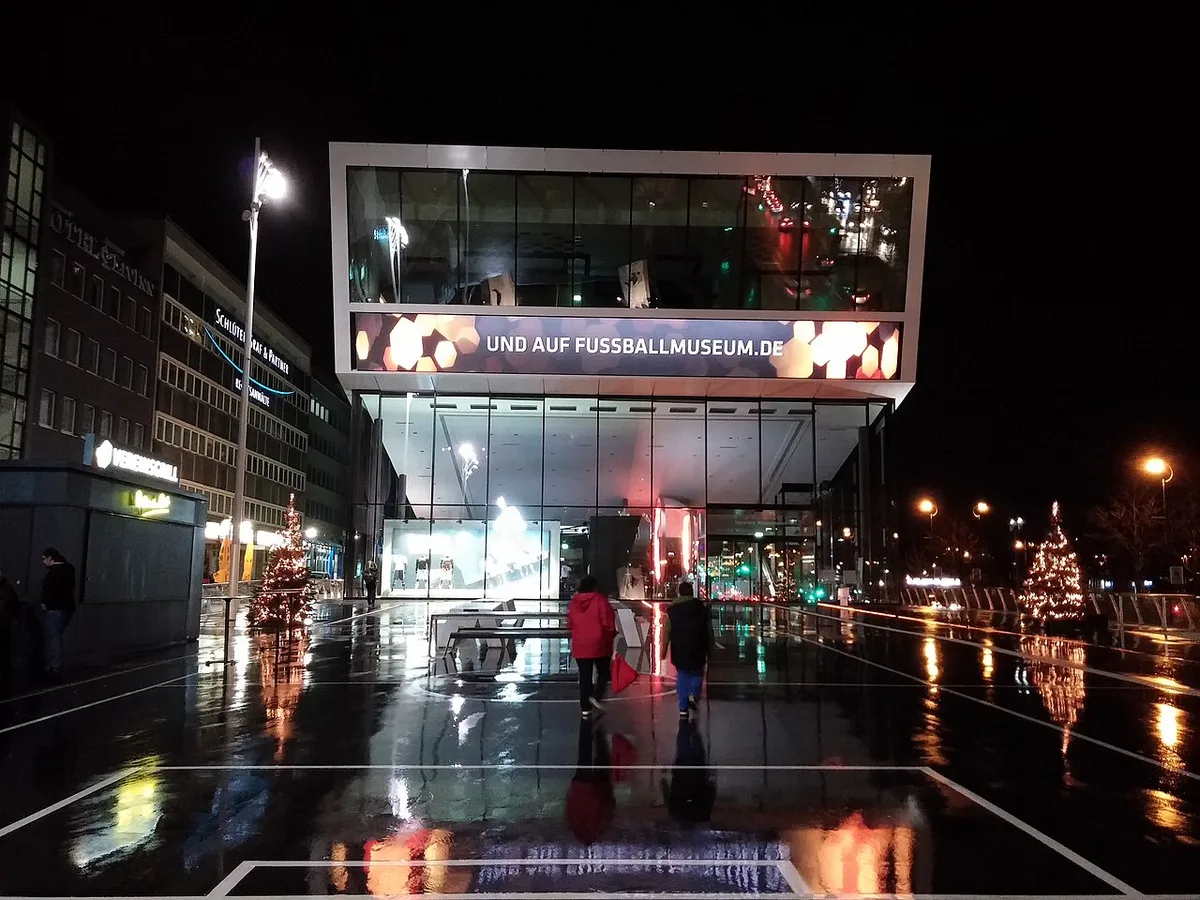
Non-fans should not automatically skip it. The museum is built around atmosphere and storytelling, so the experience holds up for people who mainly want to understand why this city treats football as civic identity. If you are indifferent to sport entirely, put your hours elsewhere and use the saved time on art or industry instead.
Pair the museum with the wider football geography of the city only if you have a genuine reason to. Stadium tours and match tickets follow their own operator's rules and availability, which change by season, so confirm directly rather than assuming a museum ticket includes anything at the ground. The museum itself is the dependable, year-round football stop.
Art and Culture Centre: Dortmunder U, Museum Ostwall and the Rooftop Distraction
Dortmunder U is the city's culture centre rather than a single gallery, and Museum Ostwall sits inside it. The building is a converted brewery, which explains both its scale and its layout: you move between floors of art, events and public areas rather than through one chronological collection. Expect to make choices because one building holds several things at once.
The rooftop view is the honest complication. It is a genuine reason to come, and it competes directly with the galleries for your remaining attention and time. If your priority is the art, go up last; if your priority is the city panorama and a short cultural stop, plan the reverse and accept that the exhibitions get a shorter visit.
Because Dortmunder U mixes ticketed exhibitions with open public areas, do not assume that walking into the building means you have seen everything on offer. Check what is currently showing and what each exhibition charges before you go, since the programme changes across the year. This is the venue where a quick look at the website most improves your day.
Digital Art: Phoenix des Lumières and Why a Scheduled Slot Changes Your Day
Phoenix des Lumières is a projection venue, not a collection. The city portal's events listing has carried Matisse-themed immersive shows across multiple daily time slots, which tells you the format: you attend a scheduled session rather than wander in at will. That one fact reorganises your itinerary around a fixed start time.
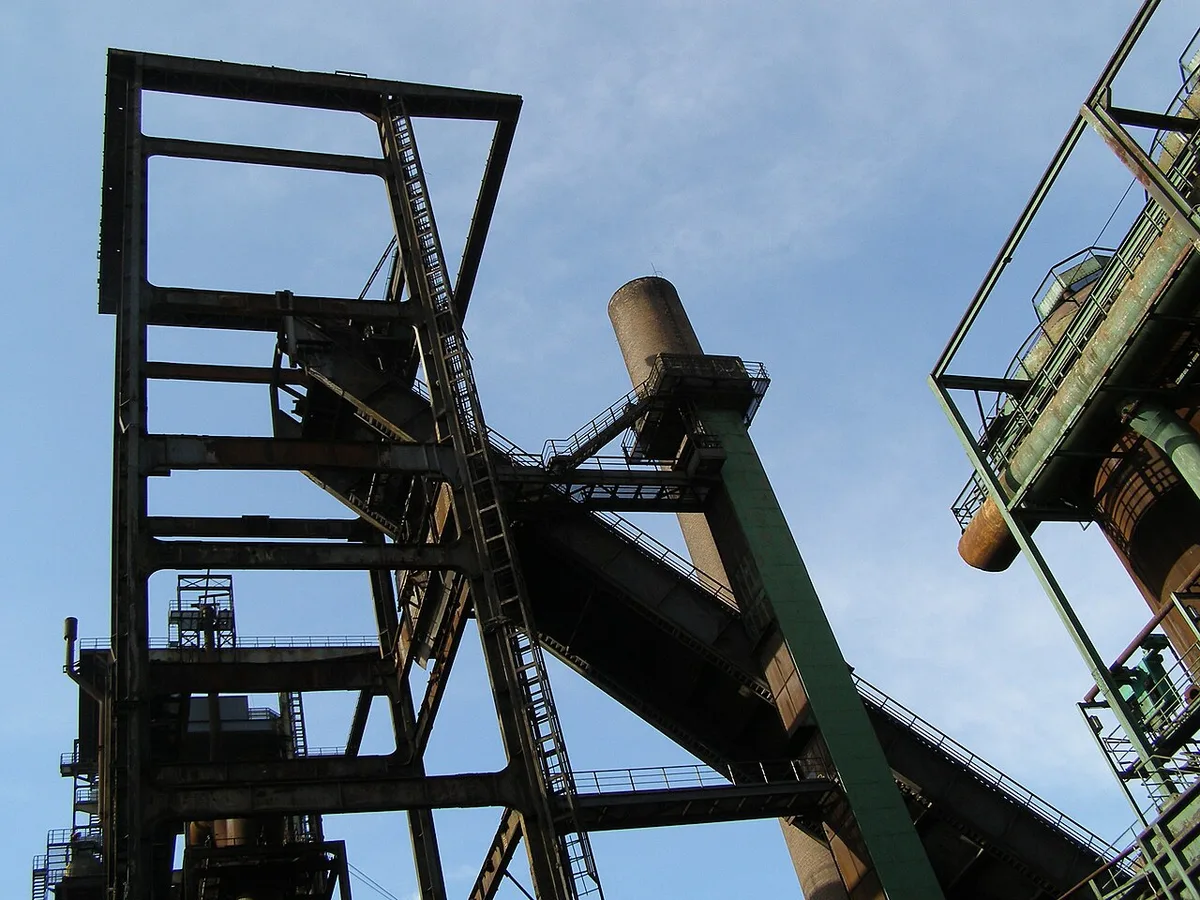
Because the programme rotates, the exhibition you read about months ago may have been replaced. Build the venue into your day only after confirming the current show and the session times on the operator's own page. Treat any description of the content as provisional until you have checked it.
Location is the other decision. The venue sits away from the central museum cluster, so combining it with a city-centre gallery in the same afternoon means real travel time. Slotting it as a standalone evening or morning block usually produces a calmer day than trying to bolt it onto a museum you have already spent hours in.
Working-World and Industry: DASA and the Brewery Museum as Separate Visits
DASA Arbeitswelt Ausstellung is Dortmund's working-world museum, and the city portal's events calendar has listed temporary special exhibitions there alongside the permanent displays. That combination of permanent and changing content means the visit length depends on what is on when you arrive. It appeals to visitors who want to touch, try and understand how workplaces function rather than read object labels.
The Brewery Museum Dortmund addresses the city's brewing history, which is a distinct subject from industrial labour. Treat it as its own ticket and its own trip; nothing published by the city or tourism office indicates that one admission covers both. If you only have time for one, pick by interest rather than by proximity.
These two venues also suit different companions. DASA works well with children and mixed-age groups because it is built around interaction, while a brewery-history museum tends to suit adults with a specific curiosity about Dortmund's industrial and brewing past. Choosing between them is easier once you know who is coming with you.
Wider Ruhr Area: Adding Regional Industrial Heritage to the Same Trip
Dortmund sits inside a region with a deep concentration of museums and industrial monuments, and that is the strongest argument for treating the city as a base rather than a single stop. Regional heritage sites, former collieries and industrial museums sit within reach by train, which makes a two-day structure realistic. One widely read travel perspective describes the Ruhr as having an unusually dense cultural landscape and notes that nearby cities are easy to reach by rail.
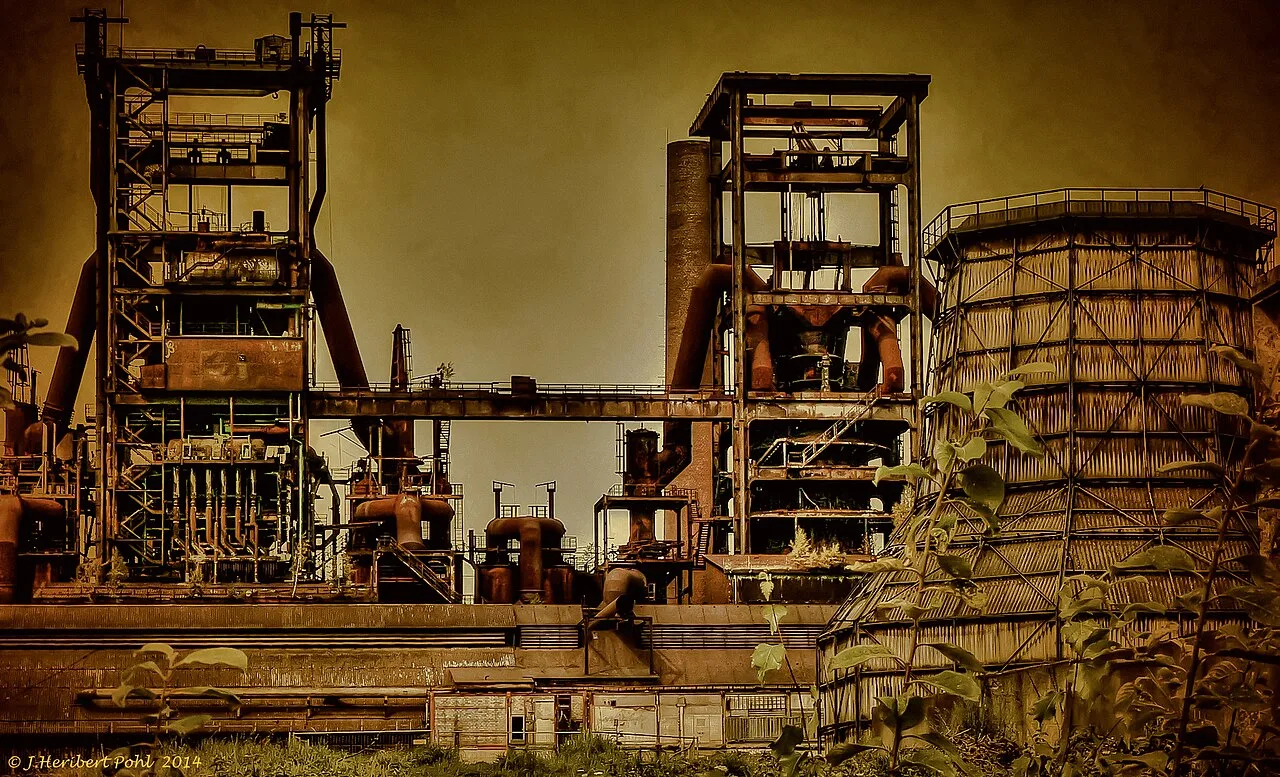
The trade-off is depth against breadth. Two Dortmund museums explored properly usually beat four attempted in a day with regional travel in between. If regional industrial heritage is your main interest, give it a full day of its own instead of squeezing it into the margins of a city day.
Before committing, confirm each regional venue's current opening pattern and whether advance booking is required, since these change by season and by exhibition. A structure of one Dortmund museum plus one regional site per day keeps travel manageable without wasting hours in transit.
Suggested Durations and Pairing Logic: Half-Day Versus Full-Day Blocks
The following are suggestions, not official guidance. A football museum visit tends to be a half-day for engaged visitors, an art centre stop with Museum Ostwall is usually two to three hours, a projection show runs to its session length plus arrival time, and DASA rewards a half-day or more. Treat these as planning units and adjust after checking each venue's own information.
Pairing works best when the two venues differ in style and sit reasonably close together. A reading-heavy gallery followed by an interactive working-world museum balances attention well, while two immersive or two text-heavy venues in one day tends to blur. If a venue requires a timed session, anchor the rest of the day around that slot.
Keep one flexible block free. Programme changes, temporary closures and a longer-than-expected stay in a favourite room are all normal, and a day with no slack turns a good museum into a rushed one. If you want a ready-made structure rather than building your own, a 2 days in Dortmund itinerary can supply the skeleton to adapt.
Practical Notes: Confirm Prices, Hours and Booking Rules With Each Operator
Dortmund's museums set their own admission, opening patterns and booking rules, and these change. Nothing here should be read as a current price or timetable. Check the operator's own website or the city's official pages for the day you plan to visit, and note that special exhibitions at a venue often have different terms from the permanent displays.
Also separate free public space from paid interiors. Grounds, plazas, foyers and viewing areas may be open without a ticket while the exhibitions inside are not, and the reverse can be true for special events. Reading a venue's own page rather than a third-party summary is the fastest way to avoid that confusion.
For the wider region, the same applies. A city tourism office can confirm what is currently open and how to reach it, and a quick check before departure prevents a wasted journey. If you are still assembling your wider city plan, the Dortmund hub collects city itineraries and venue guides in one place.
Where to Go Next
Dortmund's museum scene is best approached as a set of distinct subjects rather than a league table. Decide whether football, art, digital shows or working-world exhibits matter most to you, then give one or two of them real time instead of spreading an afternoon across four entrances. That single decision does more for your visit than any ranking.
If you want the full picture of the city before locking in dates, Dortmund: Itineraries and City Travel Guides is the place to start, and Dortmund: Landmark Visitor Guides covers individual venues in more detail.
Travellers building a longer German museum trip can also compare approaches elsewhere, including the best Museums in Berlin worth visiting, which shows how a much larger city organises its collections. If your route heads south instead, the best museums in Munich worth visiting offers a useful contrast in scale and style.
Frequently Asked Questions
Which Dortmund museum is best for football fans?
The German Football Museum is the obvious first choice. It covers the national game as well as the local story, so it works for visitors following German football generally, not only committed Borussia Dortmund supporters. It suits a half-day visit for anyone who reads the displays rather than walking straight through.
Is the German Football Museum worth visiting if you do not follow football?
Often yes, because the museum is built around atmosphere and storytelling rather than statistics alone. It explains why football functions as civic identity in this city, which is interesting even for casual observers. If sport holds no appeal at all, spend the time on art or working-world exhibits instead.
What can you see at Dortmunder U?
Dortmunder U is a culture centre rather than a single gallery, and it houses Museum Ostwall alongside changing exhibitions and events. The building is a converted brewery, and its rooftop view over the city is a genuine draw in its own right. Because the programme rotates, check what is currently showing and which parts are ticketed before you go.
How long do you need at DASA Arbeitswelt Ausstellung?
A half-day is a reasonable planning suggestion for an engaged visitor, and longer if a temporary special exhibition is running. DASA is interactive and built around trying things rather than reading labels, which tends to slow people down. There is no official recommended duration, so treat this as a planning estimate and check the current programme first.
Are there free museums or free museum spaces in Dortmund?
Some venues combine open public areas with separately ticketed exhibitions, and the wider city has free public spaces such as parks and lakeside areas. Do not assume that free entry to a building or its grounds means the exhibitions inside are free. Check the individual operator's page for what is included on the day you visit.
Should you visit museums in the wider Ruhr area from Dortmund?
Yes, if industrial heritage interests you. The region around Dortmund holds a dense concentration of museums and industrial monuments, and nearby cities are reachable by rail, so a two-day trip can combine city venues with regional sites. Give the regional leg its own day rather than squeezing it around a Dortmund museum.


