

Museum Ostwall occupies the fourth and fifth floors of the Dortmunder U, the converted former brewery building that has become one of Dortmund's most recognisable structures. The museum is one of several institutions sharing the tower, so a visit here is really a visit to one part of a larger creative complex. Getting the geography right before you arrive saves a lot of wandering between levels.
Ruhr Tourismus places the museum's collection on levels four and five and temporary exhibitions on level six. A reasonable planning figure is two to three hours for the art floors alone, but that is an editorial suggestion rather than an official duration. Anyone who also wants the temporary exhibition floor or other parts of the building should budget more time.
Why Museum Ostwall Sits Inside the Dortmunder U
Museum Ostwall was founded in 1947, long before it moved into the tower that now houses it. The Dortmunder U began life as a brewery building and has since been converted into a centre for art and creativity, with the museum as one of its anchor tenants. That history explains why the collection is spread across two floors rather than arranged as a single traditional gallery. For wider planning, see Dortmund on a Rainy Day.
Because the museum shares the building with Kunsthalle Dortmund, uzwei, storyLab kiU and TU Dortmund, arriving with the idea that you are visiting one self-contained museum will cause confusion. The tower works more like a vertical campus, with different organisations on different levels and their own programmes. If you want the broader picture of the building before you go, the Dortmunder U visitor guide covers the other floors and institutions in more detail.
What the Collection Covers
The museum describes itself as a home for twentieth and twenty-first century art, and the collection reflects that span. Classical Modernism has been a strength since the museum's founding, which is unusual for a municipal collection of its size. Expressionism, Fluxus, ZERO and informal art are also represented, so the experience shifts considerably as you move through the rooms.
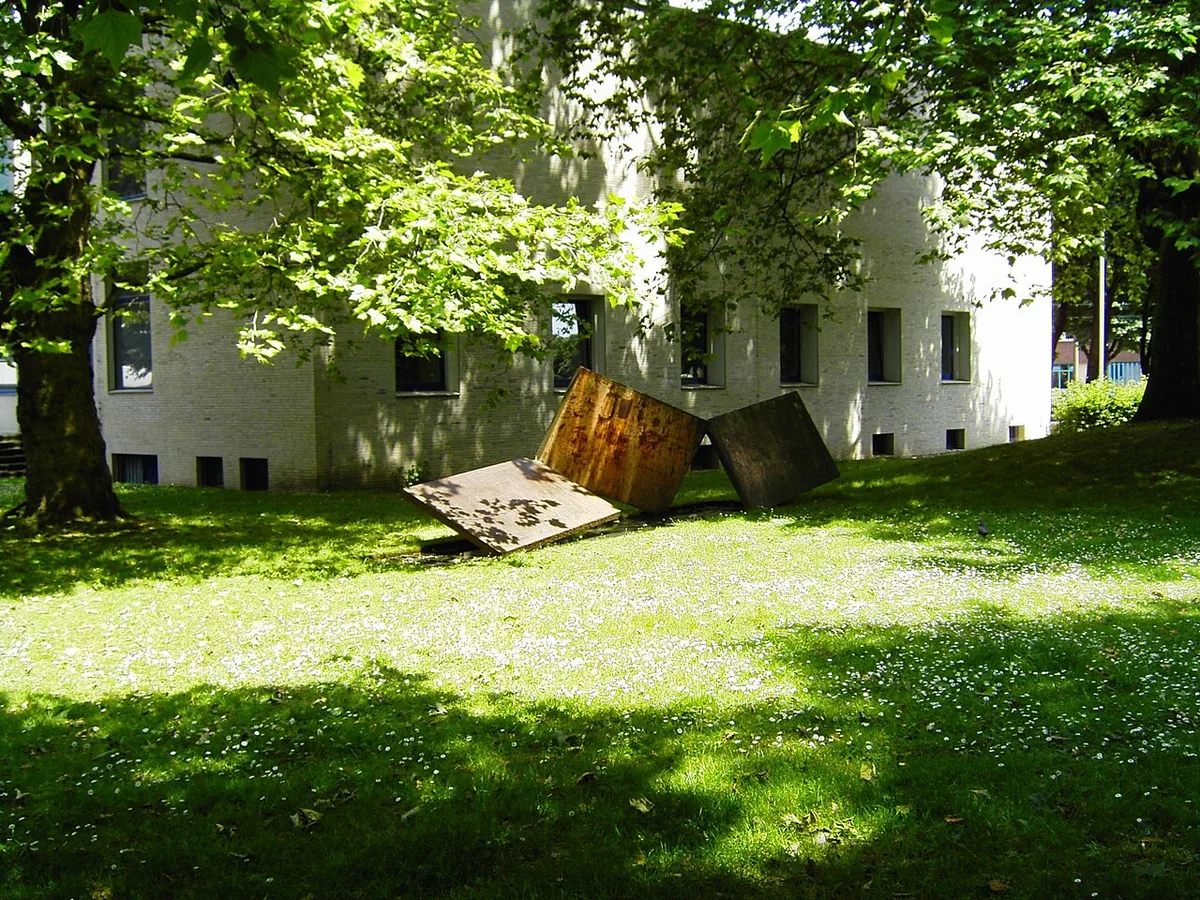
In the early 1990s the museum acquired more than a thousand works by artists associated with Fluxus and related movements, including Joseph Beuys, Nam June Paik, Wolf Vostell and Jean Tinguely. That acquisition gave the collection a distinctly experimental edge alongside its modernist paintings. Visitors who expect only canvases are often surprised by how much object-based and media work is on display.
The holdings include paintings, sculpture, objects, photography and well over two thousand drawings and prints, which means a single visit can only sample the collection. If your interest is works on paper, it is worth checking what is currently on view rather than assuming the full print room is accessible. The operator's own site is the place to confirm which parts of the collection are displayed at any given time.
Floor-by-Floor Orientation
Ruhr Tourismus describes the fourth and fifth floors as the museum's collection floors, with the sixth floor used for temporary exhibitions. The fourth floor is associated with Fluxus, presented as a provocation against elite ideas about art in the 1960s. That arrangement means you can treat the visit as a vertical sequence rather than a single room.
On the fourth floor, the display includes works by Beuys, Kaprow, Knížák, Knowles, Roth, Spoerri and Vostell among others, according to the same source. There is also a time-travel thread running from Fluxus through New Objectivity and informal art to ZERO and Classical Modernism. Because that sequence is interpretive rather than strictly chronological, follow the room narrative instead of hunting for specific dates.
The sixth floor is a temporary exhibition space, so what you see there depends entirely on the current programme. The Dortmunder U publishes its exhibition listings on its own site, and those listings are date-stamped rather than permanent. Check them shortly before your trip rather than planning around an exhibition you saw mentioned months earlier.
The Brücke and Blauer Reiter Holdings
Classical Modernism is the museum's founding strength, and it shows in the named artists. According to Artsupp, the collection holds works by Die Brücke painters such as Ernst Ludwig Kirchner, Otto Mueller, Emil Nolde and Karl Schmidt-Rottluff, as well as Der Blaue Reiter figures including Wassily Kandinsky, Franz Marc and August Macke. That combination gives the museum a coherent early-twentieth-century core that many larger municipal collections lack.
A particular strength is the Alexej von Jawlensky holding, which Artsupp describes as second only to Wiesbaden in Germany. Ruhr Tourismus makes the same comparison, calling it the largest Jawlensky collection after the Wiesbaden museum. There are also twenty-six Picasso prints from the 1940s and 1950s, alongside prints by Mirò, Chagall and Dalí.
Works by Otto Dix, Lyonel Feininger, Alberto Giacometti, Paul Klee, Oskar Kokoschka and Oskar Schlemmer also appear among the individual holdings, according to Artsupp. Not all of these will be on display at once, since prints and works on paper need rest periods. Treat any list of highlights as a guide to the collection rather than a guarantee of the hang.
Founding Context and the Léonie Reygers Philosophy
The museum was founded in 1947 and carries the imprint of Léonie Reygers, whose philosophy shaped its approach to audiences. Ruhr Tourismus notes that workshops and media labs are part of that inheritance, offering playful access to artistic debates. That educational strand explains why the museum feels more participatory than a conventional picture gallery.
Recent acquisitions and exhibitions have pushed the museum toward contemporary relevance, with formats such as Vitrine and Lautsprecher used for photographic, video and sound works by current artists. Those formats are part of the museum's identity rather than temporary add-ons, so expect at least some media-based work during your visit. If contemporary art is your priority, head for those areas first and work backwards into the historical collection.
Museum Ostwall Versus the Rest of the U
Kunsthalle Dortmund, uzwei, storyLab kiU and TU Dortmund all operate inside the Dortmunder U, and each runs its own exhibitions and events. The tower's programme mixes exhibitions, workshops, film screenings and recurring formats. That means a visit to the building can be an afternoon of art or a broader cultural stop, depending on what is running.
The building stages recurring formats that may appeal to families, including a Familiensonntag on the first Sunday of the month with guided tours and hands-on activities across levels. These are building-wide events rather than Museum Ostwall-only programming, so check the date before you build a trip around one. They can also make weekends busier than a midweek visit.
If you want to compare the museum with other collections in the city before committing your time, a round-up of the best museums in Dortmund worth visiting can help you decide how to allocate a day. Museum Ostwall is the strongest option for modern art, but Dortmund's museum landscape is wider than one tower. Matching the museum to your interests is more useful than trying to see everything.
Ticket Scope: What One Ticket Does and Does Not Cover
The most important practical caution for this visit is that ticket scope across the Dortmunder U should not be assumed. Ruhr Tourismus states that special rates apply for special exhibitions, which indicates that the museum's pricing structure has more than one tier. Whether a Museum Ostwall ticket also covers level six, Kunsthalle Dortmund, uzwei or other partner institutions is not something the sources confirm.
The safe approach is to treat each institution and exhibition as potentially separate until you have checked with the operator. The museum's own site and the Dortmunder U site are the two places where ticket information is published, and both may distinguish between collection access and temporary exhibitions. The U's own listings note that admission to level six is chargeable and tickets can be bought at reception or online, which is a reminder that at least some floors are ticketed separately. Confirm what your ticket includes at the point of purchase rather than after you have climbed to the sixth floor.
Do not assume free admission to the building or to the museum; no source in this guide supports that claim. Current prices are not stated here because they change, and an outdated figure is worse than none. Check the operator's site or ask at the reception desk when you arrive.
Timing Your Visit: Monday Closure and Weekly Rhythm
Monday closure is the single biggest constraint on planning a Museum Ostwall visit, and both sources consulted for this guide agree on it. Artsupp lists the museum as closed on Mondays, with opening days across the rest of the week. Ruhr Tourismus also lists Monday as the closed day with other weekdays open.
A past snapshot of opening times from Artsupp shows Tuesday, Wednesday, Saturday and Sunday with daytime hours and Thursday and Friday with longer evening hours, but that schedule is dated and should be re-checked. Opening hours change with seasons and exhibitions, so verify on the day you intend to visit. If your Dortmund stop is a Monday, plan around the museum rather than turning up to a closed building.
Quiet versus busy windows are hard to predict with certainty, but the building's own programme offers clues. Events such as Familiensonntag and evening formats draw additional visitors on specific days, while Thursday and Friday evenings may be busier because of the longer opening hours. A weekday morning is the safer bet if you want a calmer run through the collection floors.
How Long to Allow and How to Split the U
As a planning suggestion rather than an official figure, allow around two hours for the collection floors and add another hour if you intend to spend real time on the temporary exhibition level. If you also want to look into Kunsthalle Dortmund or the other institutions, a half-day is more realistic. Trying to cover the whole tower in one rushed hour defeats the purpose of the visit.
One efficient split is to give the first visit to Museum Ostwall alone and return separately for the rest of the building. That way you are not negotiating two different programmes at once, and you can time the second visit around whichever temporary exhibition interests you. The museum's location within a larger cultural complex makes this two-visit approach more sensible than it would be for a standalone gallery.
If you want to build the museum into a broader city day, pair it with other indoor stops rather than scattering across town. A wet-weather plan for Dortmund is useful here, since the U sits comfortably within an itinerary built around indoor cultural venues. Keeping the day compact means the museum gets the attention it deserves.
Practical Planning Notes
Check the operator before you travel, particularly for opening days, ticket scope and current exhibitions, because these are the details most likely to have changed. The museum publishes its own information, and the Dortmunder U publishes building-wide programme details. Neither source should be second-guessed from memory or from an old listing.
For a wider sense of what else Dortmund offers around the museum, city-level guides help you weigh this visit against other options. The city's own portal covers events and practical information that can shape a day out, though it does not replace the museum's own visitor information. Read both before finalising your plan.
If your trip has room for more than one cultural stop, the Borusseum visitor guide is worth a look for a completely different kind of Dortmund museum experience. Pairing a modern art collection with football heritage gives a more rounded picture of the city than either alone. Deciding between them is easier once you know how much time you actually have.
Plan Your Visit
Museum Ostwall rewards a little preparation: know that it occupies floors four and five of the Dortmunder U, that the sixth floor is for temporary exhibitions, and that Monday is the day to avoid. Confirm ticket scope and current opening times with the operator, since neither is fixed enough to rely on from a secondary source. With those basics settled, the collection itself is wide enough to justify a proper visit rather than a quick pass.
Frequently Asked Questions
Is Museum Ostwall free to enter?
There is no confirmed free admission to either Museum Ostwall or the Dortmunder U in the sources consulted for this guide. Ruhr Tourismus notes that special rates apply for special exhibitions, which indicates a tiered pricing structure rather than blanket free entry. Check the museum's own site or ask at reception on arrival for current admission details.
What is on each floor of the Dortmunder U?
Museum Ostwall occupies the fourth and fifth floors, with the collection spread across them, and the sixth floor is used for temporary exhibitions. The fourth floor is particularly associated with Fluxus, according to Ruhr Tourismus. Other floors host different institutions and programme formats, so floor content can shift with the building's schedule.
Which day is Museum Ostwall closed?
Monday is the closure day, and both sources consulted agree on this. Opening days and hours for the rest of the week vary and have changed over time, so check the operator's site shortly before you travel. If Monday is your only available day in Dortmund, plan a different indoor stop instead.
Does one ticket cover every floor of the Dortmunder U?
That cannot be assumed. The tower contains several separate institutions and a temporary exhibition floor, and ticket scope is not confirmed in the sources consulted here. The Dortmunder U's own listings indicate that admission to level six is chargeable and bought separately, while Ruhr Tourismus notes special rates for special exhibitions. Verify with the operator whether your ticket covers the collection floors only, or extends to level six or other institutions, before you buy.
How long does a Museum Ostwall visit take?
As a rough planning suggestion, allow around two hours for the collection floors and more if you want to spend time on the temporary exhibition level. This is an editorial estimate, not an official figure. If you also plan to explore other parts of the building, a half-day is more realistic.
What art is in the Museum Ostwall collection?
The collection spans twentieth and twenty-first century art, with Classical Modernism as its founding strength. It includes works by Die Brücke and Der Blaue Reiter artists, a notable Jawlensky holding and twenty-six Picasso prints, alongside Fluxus, ZERO and media-based works. Not everything is on display at once, so check what is currently on view.


