

Dortmund rewards a two-day visit because its layers sit apart. The compact center handles orientation, museums and churches within a walkable radius, while the industrial heritage that made the Ruhr famous sits in separate districts that need their own half day. A green space slots in between, so you never spend a full day indoors.
The Aplerbeck walking route described by Visit Sights lists six sights over roughly 1.8 km, running from the Feldchenbahnbrücke to the Große Kirche. Treat that as a suggested shape for day two rather than an official schedule: interiors along it open or close according to parish and administrative use.
Why Two Days Suits Dortmund
Dortmund is a major city in the Ruhr region known for its industrial heritage, a broad cultural scene and Signal Iduna Park, according to the travel guide on Housity. Those strands do not sit in one place, so two days let you cover the center properly and still reach a district that feels nothing like it.
The practical advantage is distance. City-center sights cluster tightly enough to walk between, and the Visit Sights route compresses six stops into a short loop, so you are not burning hours in transit. That leaves room for an evening that stays open rather than pre-booked.
If your schedule only allows a single day, a shorter version of the city-center plan works better than trying to bolt Aplerbeck onto the same afternoon. A one day in Dortmund itinerary covers that compressed shape, while a 3 days in Dortmund itinerary makes sense if you want a second district or a longer park visit.
How to Shape the Two Days
Give day one to the center: orientation, one or two cultural stops, and an evening matched to whatever is actually listed that week. Give day two to Aplerbeck, where the walking route supplies its own structure and you can move at your own pace. This split keeps each day thematically clean.
A suggested rhythm is a full morning and early afternoon on each day, with the late afternoon left loose. That buffer matters because the Dortmund city portal publishes listings with dates and times that shift; it has shown concerts, exhibitions and markets, so check the week you travel rather than weeks ahead.
If you would rather see how another German city handles a two-day format, the 2 days in Berlin itinerary and the 2 days in Dresden itinerary both show how much a second day can be shaped around one distinct quarter rather than a second list of landmarks.
Day 1 Morning: Orienting Yourself in the Center
Start on foot in the inner city and let the walking do the orienting. Housity lists the Dortmund U-Tower, Museum Ostwall and St. Reinoldi among the city's places to visit, and they sit within a manageable radius, so you can pick two rather than racing through four. Choose by appetite: art at the U-Tower and Museum Ostwall, or church architecture and a quiet interior at St. Reinoldi.
Check opening days and any entry conditions on each institution's own page before you commit, because Dortmund's museums do not operate on one shared pattern. Assume that separate collections are ticketed separately unless the operator says otherwise. Free grounds do not imply a free interior.
If football is your reason for visiting, Housity lists the German Football Museum among the city's attractions and it sits in the center, pairing naturally with a morning there. Borusseum near Signal Iduna Park is a separate site with its own entry arrangements, and tour or match availability at the stadium changes by fixture, so confirm directly rather than planning around a fixture you have not verified.
Day 1 Afternoon: Industrial Heritage Beyond the Headlines
Dortmund's industrial story is best understood as a coking and steel landscape rather than a single monument. The Dortmund city portal notes that a Zukunftsgarten is being developed around Kokerei Hansa for the 2027 garden exhibition, making it a good afternoon subject whether or not you enter a building.
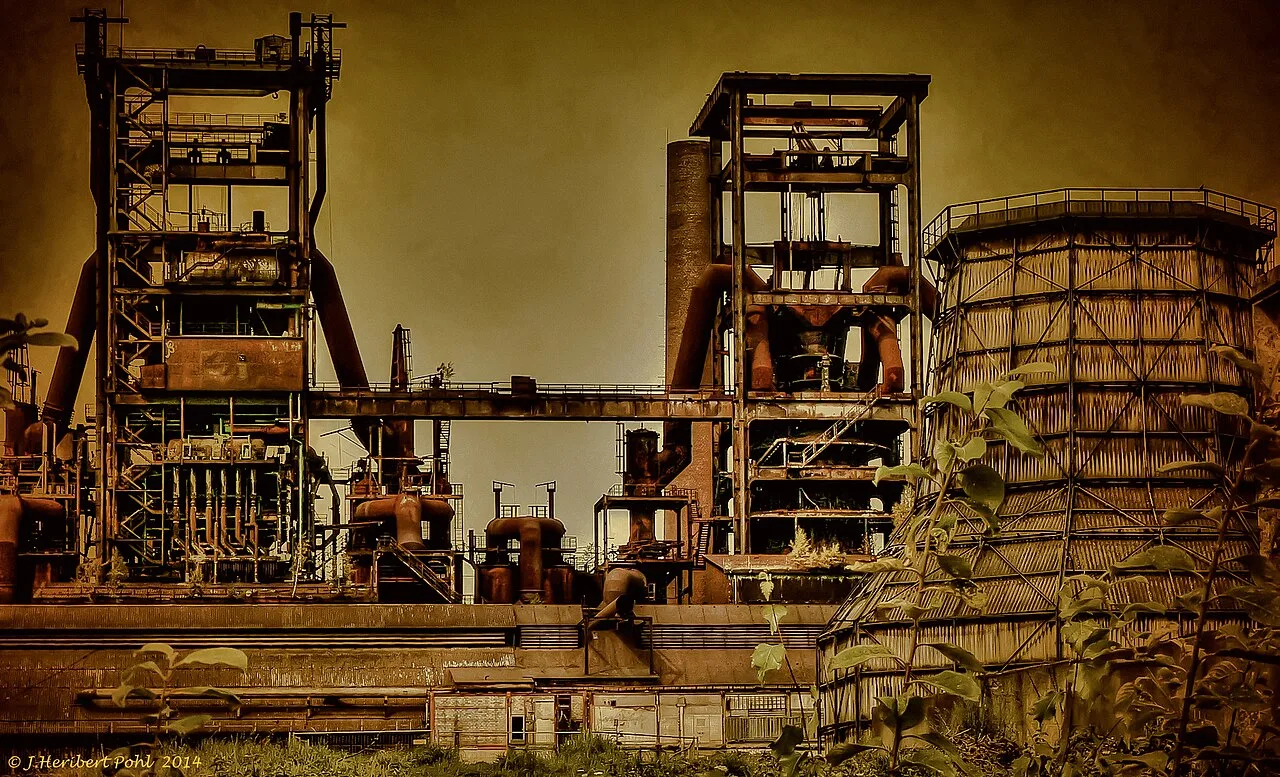
Expect a mix of free outdoor terrain and separately ticketed or guided interiors across the region's heritage sites. Do not assume one ticket covers everything on a former works site, and do not assume a gate is open just because something is listed. Where brick architecture is your interest, a Zeche Zollern visitor guide explains a single site in depth rather than trying to cover the whole route.
If you want a structured sequence rather than a single stop, the A Self-Guided Dortmund Industrial Heritage Route sets out how the sites relate to one another. Pick one cluster for the afternoon instead of driving between three.
Day 1 Evening: Keep It Flexible
Dortmund schedules events across many venues, and the Dortmund city portal is the sensible place to check what is on during your dates. Listings there carry specific dates and times that are subject to change, so verify the week you travel rather than weeks ahead. An event you saw listed months earlier may have moved or sold out.
Build the evening around a neighbourhood rather than a specific venue and the plan survives a cancellation. Housity lists a self-guided Althoffblock neighbourhood walk among its Dortmund activities, which can fill a loose couple of hours if nothing on the calendar appeals; treat commercially listed activities as examples of what exists and check the operator for current details.
Day 2 Morning: The Aplerbeck Walk, Stop by Stop
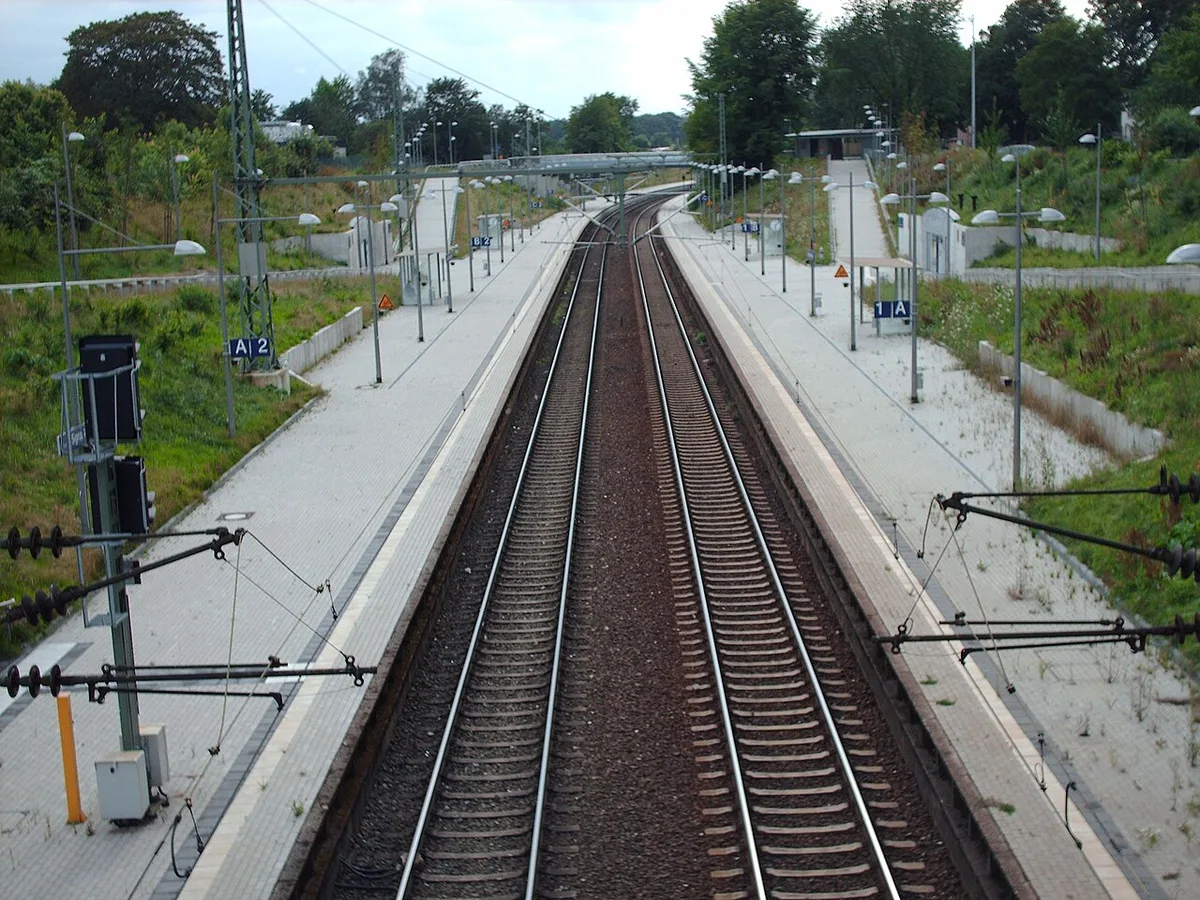
Visit Sights describes this self-guided route as six sights over roughly 1.8 km, and it works best in the order given because the stops follow the terrain rather than looping back. Start with the Feldchenbahnbrücke, a listed brick arch bridge that the route page calls the last surviving relic of a connecting line built between 1867 and 1870 to link a colliery with the Dortmund–Soest railway. It is an outdoor structure with no interior to enter.
From there the same route description puts Wasserschloss Haus Rodenberg about 200 metres on. Read the site carefully before you go expecting a castle: the source states that the moated castle fell into disrepair in the 19th and 20th centuries and that only the outer bailey with the economic section remains. That is a fragment with a story, not a furnished schloss.
Distances of this scale mean the walk is realistic in a morning if you keep moving and do not linger long at any single stop. Bring the route on your phone or as a downloaded file, since the sequence matters more than any individual sight. Whether any given building is open when you arrive is a separate question from whether the walk is worth doing.
Day 2 Midday: Amtshaus and the Market Square
The third stop on the route is the Aplerbeck Amtshaus, which stands directly on the market square in Aplerbeck and was built from 1906 to 1907 to designs by master builder Wilhelm Stricker. Visit Sights notes a memorial plaque to Stricker on the building wall and a street named after him. It is a working administrative building, so admire the facade and the square rather than treating it as a museum.
The market square is the natural place to pause for lunch, because it puts you at the middle of the route with the remaining stops close together. This is also the point to reassess the weather: the rest of the walk is largely outdoors, so a long lunch is a reasonable response to a downpour.
Expect a gap between what a district offers on a weekday and what it offers on a Sunday, since small food businesses around a residential square keep their own hours. Check a few options the day before rather than assuming the square will be busy.
Day 2 Afternoon: Churches, Ewaldipark, and the Große Kirche
The route's fourth stop is St.-Ewaldi-Kirche, a Roman Catholic parish church whose patrons are the Ewaldi brothers, traditionally said to have died as martyrs in Aplerbeck at the end of the seventh century, according to Visit Sights. That backstory gives the stop more weight than its modest size suggests. Whether the interior is accessible depends on parish use at the time of your visit.
Next comes Ewaldipark, described on the Visit Sights route page as a public green space of about 0.8 hectares, which is the kind of small, ordinary park that works as a breather rather than a destination. Do not schedule an hour for it. Treat it as the bench between two churches.
The walk closes at the Große Kirche, a Protestant church that Visit Sights says was built in Gothic Revival style between 1867 and 1869 to a design by Christian Heyden and is now used mostly as a concert church. That function explains why you may find an empty interior on a weekday and a full one during a performance. Check the parish calendar if a concert is the reason you are going.
Adding a Park or Swapping Day 2
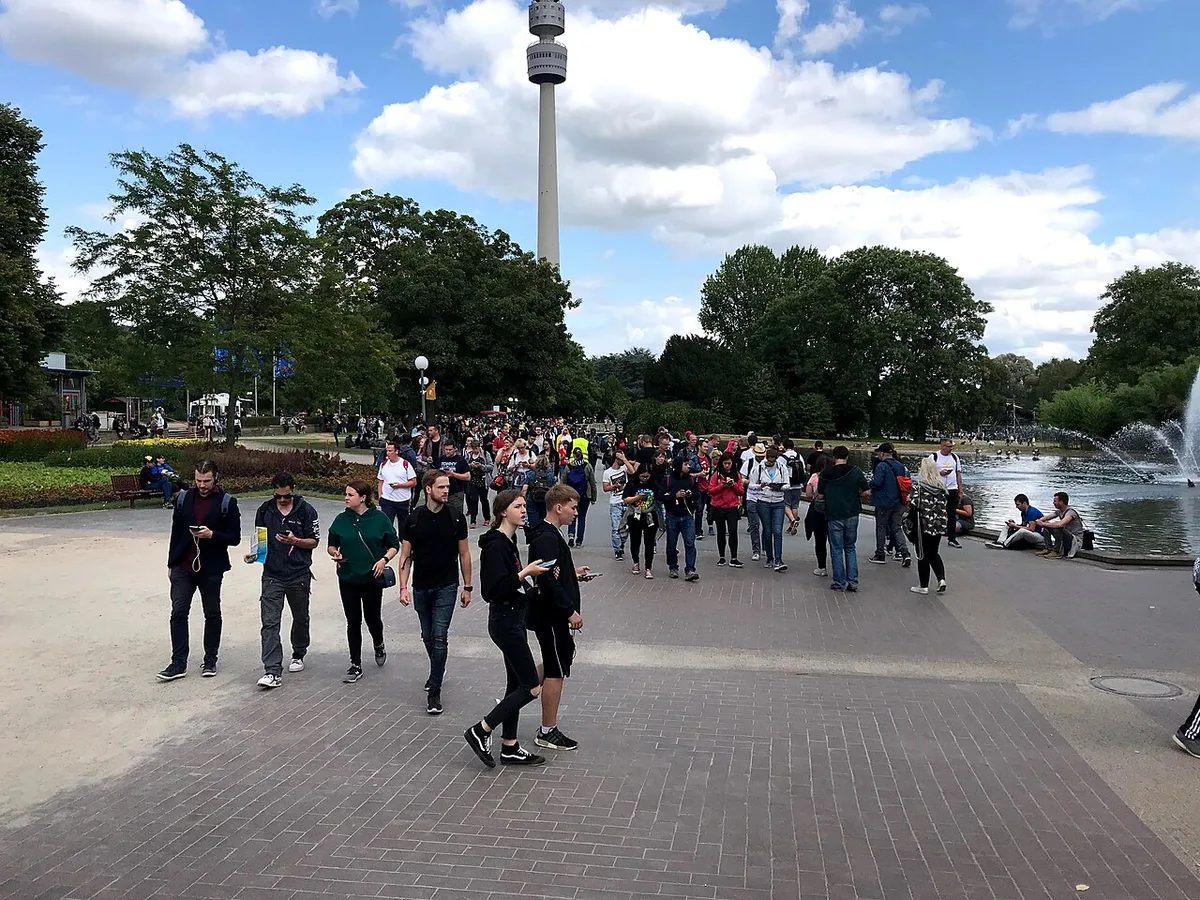
If the Aplerbeck walk does not appeal, a park-centered day is the obvious alternative, and Westfalenpark is the city's best-known green space with its own event program. Rombergpark is the quieter counterpart. Both are outdoor sites where the grounds are the point, which makes them forgiving of a tight schedule.
The 2027 garden exhibition is context rather than an itinerary anchor. The Dortmund city portal states the Internationale Gartenausstellung runs from 23 April to 17 October 2027, with a Zukunftsgarten around Kokerei Hansa, and that season passes went on sale from 23 April 2026. Do not build a 2026 trip around it.
What matters for a 2026 visit is the year-round park network, plus whatever temporary events the city publishes. If the exhibition is your main reason for coming, plan the trip for 2027 and confirm details on the official pages as the opening approaches.
Suggested Pacing and What to Verify
The timings in this plan are editorial suggestions based on the shape of each day, not official schedules. Use them to decide how much to attempt, then adjust for your own pace and the weather. Two days is enough to see the center and one district well; it is not enough to add three industrial sites and a park.
Before you travel, confirm three things directly with the operators: opening days and hours for any interior you plan to enter, whether a collection is ticketed separately from the site around it, and any access or security requirements. None of that is guessable from a distance, and posted information does change.
On the day itself, keep the evening and one afternoon loose so a closure or a sold-out slot does not derail the trip. A two-day itinerary in a city this size survives one surprise if you have not overbooked every hour.
Plan Your Visit
Two days in Dortmund works as a city day plus a district day. Spend the first in the center with one or two cultural stops and an evening you have not over-planned, then give the second to Aplerbeck and its compact six-stop walk. The park fits either as a replacement or as extra breathing space on the slower day.
Verify hours, ticket scope and access before you commit, and check current listings rather than relying on anything published months earlier. If a second district or a longer park visit appeals, the three-day version is the natural extension.
Frequently Asked Questions
Is two days enough to see Dortmund?
Two days is enough to cover the compact city center properly and add one district on foot. It is not enough to combine the center, several industrial heritage sites and a full park day, because those sit apart from one another. If you want a second district or a long park visit, a third day makes the trip more relaxed.
Can you walk the Aplerbeck sights in one afternoon?
Yes. The self-guided route described by Visit Sights covers six sights over roughly 1.8 km, which fits comfortably into an afternoon at a normal walking pace. Whether you can enter any individual building on the day depends on the church or administrative use at the time, so treat it as an outdoor walk with optional interiors.
Should you plan a Dortmund trip around IGA 2027?
Only if you intend to travel in 2027. The city portal states the garden exhibition runs from 23 April to 17 October 2027, with a Zukunftsgarten around Kokerei Hansa, so it is not open during a 2026 visit. For a 2026 trip, plan around year-round parks and whatever events the city publishes, and confirm exhibition details on official pages closer to the opening.


