

Dortmund's headline draws are loud and easy to find: the stadium, the football museum, the Christmas market. The places that reward a slower visit sit a little further out, in the western colliery district, on the hill between Dortmund and Hagen, and around a lake that used to be steelworks ground. This guide treats them as a loose cluster rather than a checklist.
Two organising ideas run through everything below. Free-to-roam grounds, such as the Hohensyburg plateau, the PhoenixSee perimeter and the park areas, are open to wander without a ticket, while interiors such as the Zollern colliery buildings and the Dortmunder U exhibitions carry their own arrangements. Dortmund's own city pages and the regional tourism board are the places to confirm anything time-sensitive before you travel.
One concrete anchor for 2026: the Dortmunder U is marking 100 Jahre U-Turm, a centenary programme for the tower that began construction a century ago under Emil Moog. That milestone is announced on the building's own site, which also lists its institutions, exhibitions and event formats.
What 'Hidden Gem' Actually Means in Dortmund
In a city rebuilt around coal and steel, the overlooked places tend not to be secret courtyards but working monuments that survived demolition. Travel writing on the city regularly frames it as a place without world-famous landmarks that reveals itself to those who dig deeper, which is a fair description of the Ruhr approach. That framing is useful because it sets expectations: you are going for context and atmosphere, not for a single postcard view.
A practical consequence is that many of the best stops sit outside the old centre, in districts such as Syburg in the south, the western colliery belt and the PhoenixSee quarter. That means fewer accidental encounters and more deliberate trips, so it helps to group stops by direction rather than zigzagging across the city. If you want a route that strings these threads together, our Dortmund industrial heritage route does exactly that job.
Zollern II/IV Colliery: Brick Facade, Hard History
The LWL Industrial Museum Zollern is the clearest example of how Dortmund hides its history in plain sight. The surface buildings wear elaborate brickwork and an Art Nouveau gateway that looks like a country estate entrance, while the exhibitions behind that facade deal with the actual conditions of mining. Sources describe the site as preserving the old Zollern coal mine in West Dortmund, with displays covering working conditions, dangers and the experiences of miners and their families rather than a decorative version of industrial pride.
Dates for the mine's life differ slightly between sources, so treat any single figure carefully. One widely published travel account says it started at the end of the nineteenth century and closed in the 1960s, when the site was nearly cleared for a highway before local campaigners pushed to preserve Ruhr industrial heritage; another says operations began in 1904, ended in 1966 and the area became a museum in 1969. Both versions agree on the essential shape: a working colliery became a museum after a preservation fight.
The decision rule is straightforward. Go for the architecture and the working-history exhibitions, and expect the human cost of mining rather than a purely decorative facade. The official Dortmund tourism site is the sensible place to check current visitor arrangements, and the city's own portal at dortmund.de carries broader context on the region's industrial transformation, including recent reporting on how former mining land around the Lanstroper See was turned into a nature reserve.
The Dortmunder U and Museum Ostwall
A former brewery storage tower turned arts centre is an easy thing to photograph and a harder thing to use well. Built in the 1920s as a storage facility for Union Brewery, the U-Tower was abandoned when the brewery closed, then restored and reopened in 2010 as the city's home of the arts, according to travel coverage of the building. Its own site describes a house with several institutions inside, including Museum Ostwall, Kunsthalle Dortmund, uzwei, storyLab kiU and a TU Dortmund presence, plus recurring formats such as Kleiner Freitag, Kino im U and Familiensonntag.
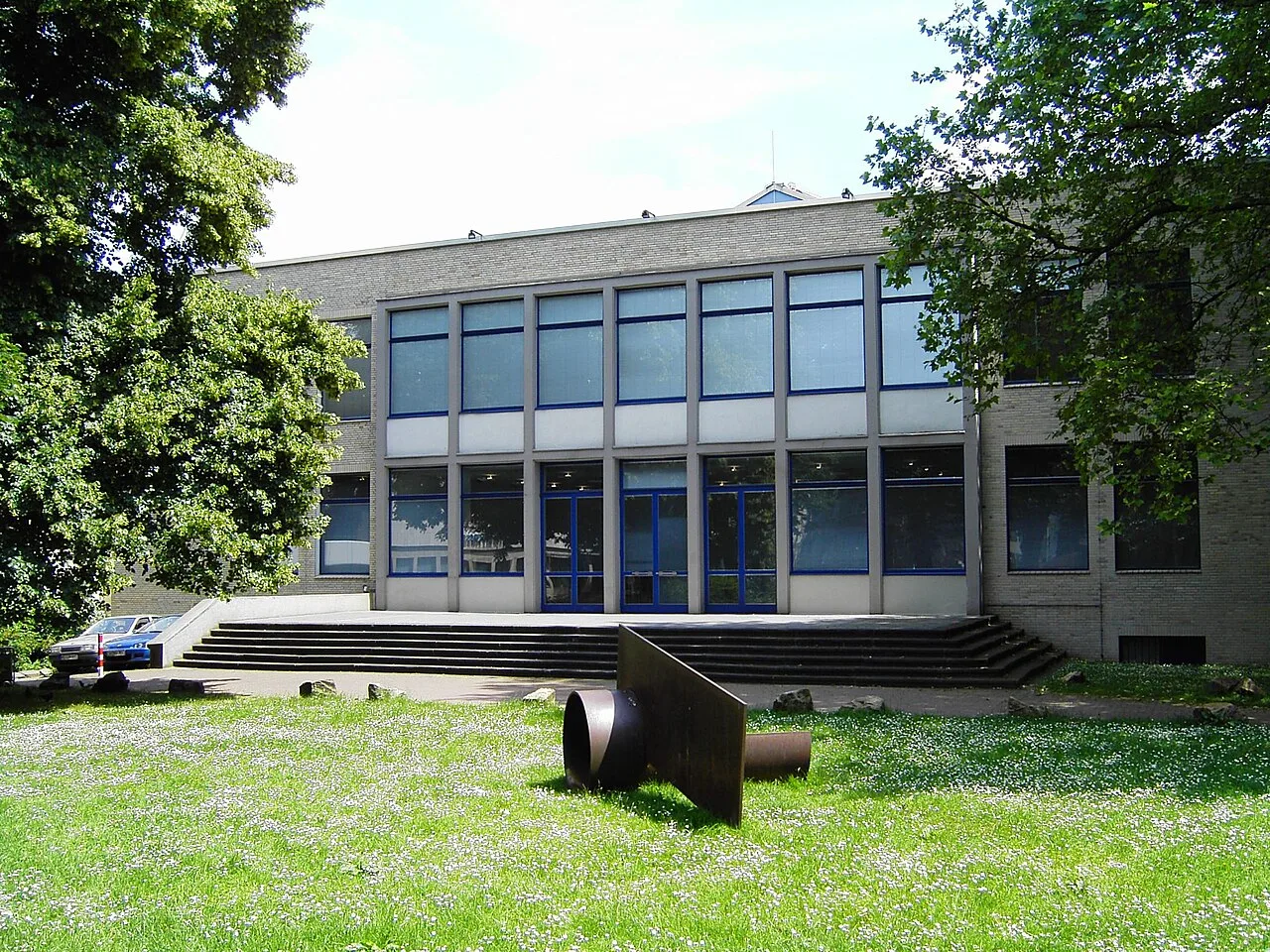
That institutional mix is the reason to treat the U as a working cultural building rather than a photo backdrop. Museum Ostwall occupies the fourth and fifth floors with temporary exhibitions on the sixth, and the Ruhr tourism board notes that the fourth floor is given over to Fluxus, with works by Joseph Beuys, Wolf Vostell, Dieter Roth and others, while the collection's broader strength lies in classical modernism. Rumour-level details about free entry circulate online, including a claim that admission has been free since 2019, but because admissions policy can change, check the building's visitor information before you plan around it.
The centenary gives the visit a natural theme in 2026 and beyond. Programming announced on the U's site includes exhibitions and digital-culture projects across the floors, plus workshops in areas such as manga drawing, music production and gamedesign. If you are deciding where to spend a half day, this is the stop that rewards reading the programme in advance, because your experience depends heavily on which exhibition is on.
Hohensyburg and the Vincketurm: A Layered Hilltop
Hohensyburg is not a castle you visit in the usual sense; it is a plateau with layers. It lies between Hagen and Dortmund on a triangular spur about 140 metres above the Ruhr, bounded by the river to the south and by small stream valleys to the west, north-west and east, so the only easy approach to the top is from the north-east. Syburg, today a Dortmund district, sits to the north-east of the plateau and spread towards it, reshaping the landscape and the defences over time.
The historical sequence is unusually dense for a green hill. Frankish chroniclers record the seizure of a Saxon fortification on this spot by Charlemagne in 775, and the same source mentions a church there the following year, which fits the excavated evidence and early medieval pottery found in the outer bailey. A stone castle appeared around 1100 to help secure the Saxon border near the Ruhr crossing at Westhofen, lost importance in the fourteenth century and was destroyed in the seventeenth; remaining fragments include parts of the residence and the keep. The Vincketurm followed in 1857, an octagonal 26-metre lookout tower in Ruhr sandstone built in neo-Gothic forms and named after Ludwig Freiherr von Vincke.
Twentieth-century history sits on the same plateau. The Wehrmacht used the Vincketurm as an artillery observation post during the Second World War, so Allied troops shelled it and damaged it badly; it was reconstructed in 1955. The Kaiser Wilhelm Monument, opened in 1902 as a monumental three-tower group with neo-Gothic ornament by the architect Hubert Stier, reflects a nineteenth-century drive to tie the Carolingian past to Wilhelm I. Photographs in stock libraries label the ensemble as the Kaiser Wilhelm Monument on Hohensyburg near Dortmund, and the WLV property page is the detailed source for the archaeology, walls and dating.
Because the site is a plateau rather than a single ticket gate, the practical advice is simple: wear shoes that handle uneven ground and treat the walk between features as part of the visit. The Peter's Church with its Romanesque tower still stands in the outer bailey, which is a useful landmark when you are working out where the inner and outer defences ran. If you are asking yourself whether Hohensyburg is actually in Dortmund, the honest answer is that it lies between Hagen and Dortmund, with Syburg as the Dortmund district next to it.
PhoenixSee: A Lake Where Steel Was Made
PhoenixSee is the most literal kind of hidden gem, because the ground itself changed identity. When the Phoenix-Ost steelworks site shut down in 2001, the area was excavated and its soil decontaminated to create an artificial lake; a 2010 festival marked the filling, which took around six months, and by 2011 a full lake occupied the former factory site. One widely published account describes the late American actor Larry Hagman ceremonially opening the water valve, which is a good illustration of how deliberately the transformation was staged.
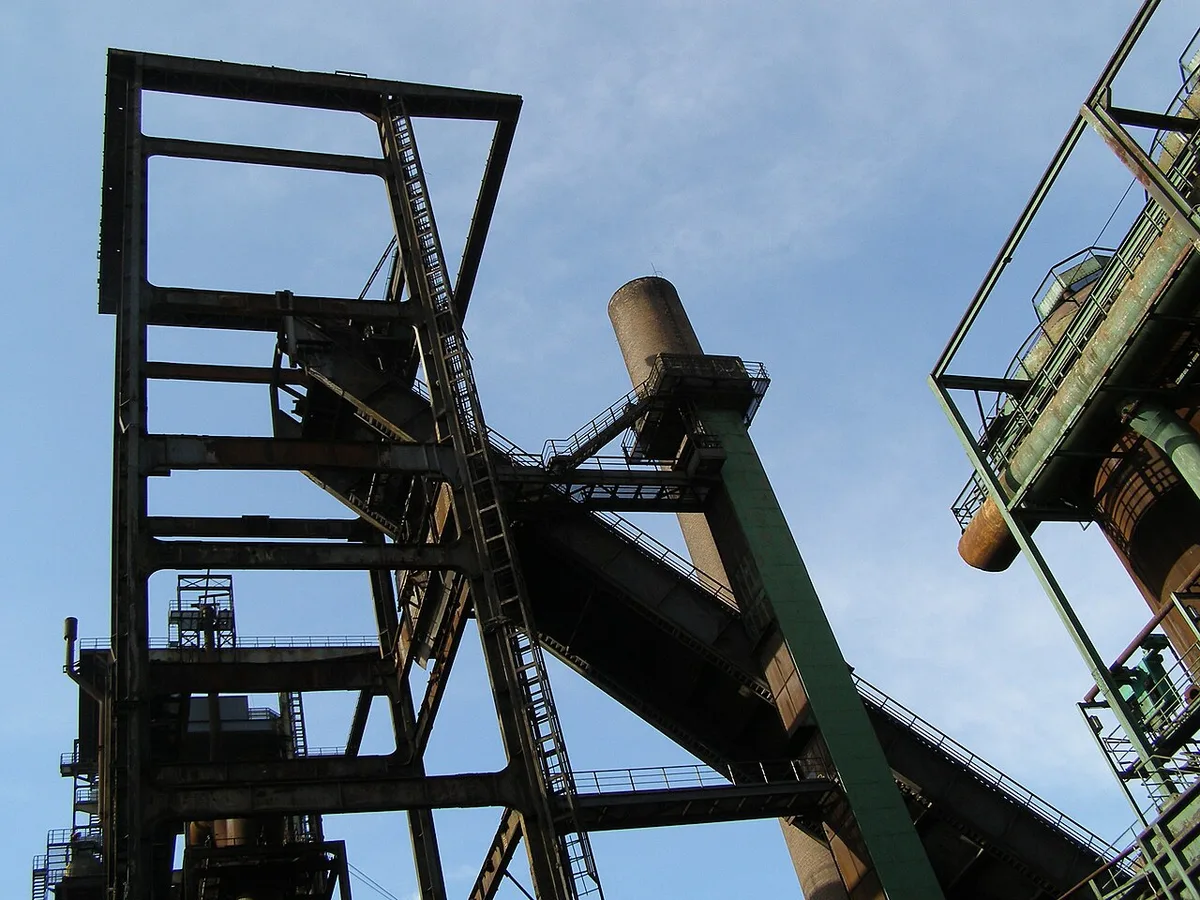
Today it functions as both a recreation area and a flood-control system, absorbing excess rainfall. The perimeter loop runs about 2.2 miles and typically takes around 45 minutes to an hour to walk, and the lake is also a reasonable spot for birdwatching, with species such as tufted ducks, mute swans and black-headed gulls recorded on and around the water. A separate account describes the wider redevelopment differently, noting roughly 110 hectares turned into a business park and another 98 hectares into a residential quarter around the lake, with paths over three kilometres.
The important thing to understand is that this is a residential and business quarter with a walkable lake, not an attraction with a gate and an entry fee. You treat it as a stroll: go for the loop, the water and the views back towards the city, and expect to share the paths with residents. If you want a day built around free wandering rather than tickets, free things to do in Dortmund collects the city's no-cost options including Westfalenpark.
DASA Arbeitswelt Ausstellung: Germany's Largest Show on Work
DASA is the outlier on this list because it is an exhibition rather than a relic, and a very large one. Its own materials describe it as Germany's largest exhibition on the world of work, covering an area equivalent to almost two football pitches, with ten themed worlds looking at work in the past, present and future. The themes range from information and communication technology and newspaper production to textile factory work, building-site safety, transport, iron and steel, power generation and care work.
Two practical notes matter more than the marketing. First, DASA publishes a live closure notice on its site stating that the hazardous-materials hall is closed until further notice because of conversion work, so do not plan on a complete walkthrough of every themed area. Second, the operator publishes its own opening hours and a price overview, and since these are the kind of details that change, check the DASA site rather than relying on secondhand summaries.
DASA also works as a family stop rather than a solemn museum. The site lists regular demonstrations, hands-on stations and formats such as the Space Curl 3-D trainer and sewing workshops, which makes it a reasonable wet-weather alternative to a walk. If your group is split between heritage and hands-on exhibits, this is the place where the hands-on side wins.
Rombergpark and the Quieter Green Corners
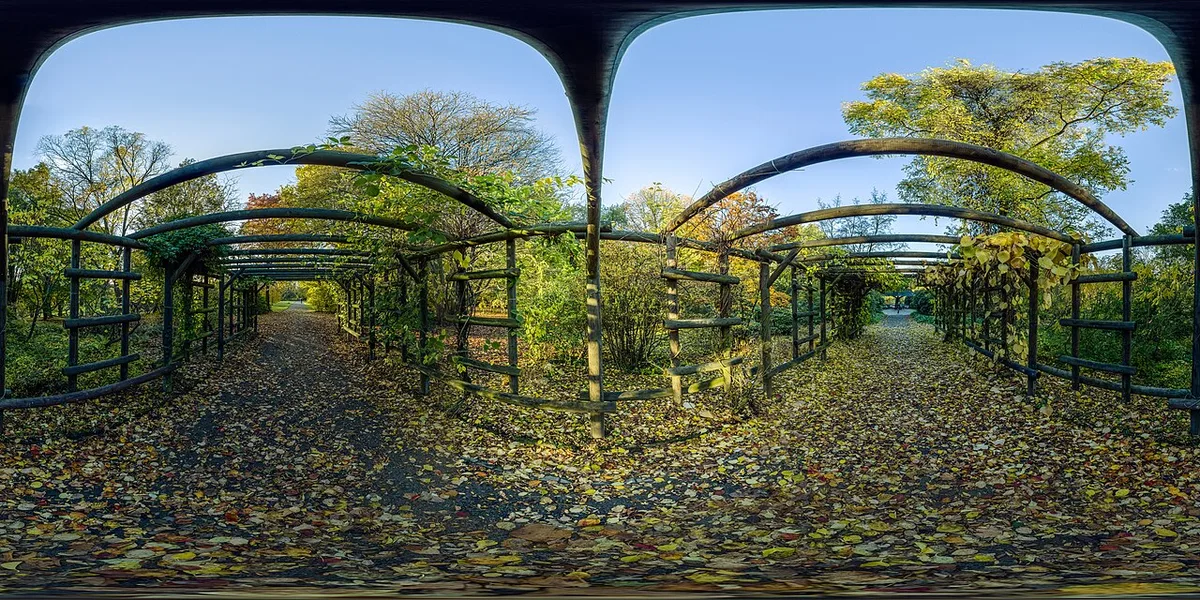
Dortmund's park layer is where the city genuinely stops feeling industrial, and Rombergpark is the least-visited of the big ones. It was once part of a fourteenth-century moated castle destroyed in the Second World War, and a seventeenth-century gatehouse survived intact and now serves as an art gallery and the main entrance. Inside are trails through different zones, a cherry blossom avenue that performs in spring, a rhododendron valley, greenhouses with orchids and cacti, a medicinal herb garden and an arboretum with trees and shrubs that are centuries old.
Westfalenpark is the better-known alternative and pulls bigger crowds, with a rose collection, themed gardens and the Florianturm rising from its grounds. Details for the tower are exactly the kind of thing this guide avoids stating loosely: published figures for its height, opening hours and admission conflict between sources, and no official current page with those values is to hand. Check the operator and the city's tourism pages instead of trusting a single number.
Half-Day and Full-Day Pairings
Geography makes some pairings obvious and others wasteful. DASA and the Zollern colliery both sit in the western part of the city, so a half day that combines an exhibition visit with the colliery grounds involves one direction of travel rather than two. The Dortmunder U sits in the city centre, close to the main station, which makes it the natural companion to a walk through the old market area rather than to a western excursion.
Hohensyburg and PhoenixSee sit in different directions from the centre, in the south and the east respectively, so pairing them in one day involves crossing the city twice. If you only have one full day, pick one of them and give it proper time instead of racing between both. A suggested shape for a full day, which is a suggestion rather than an official itinerary, is a morning at the U, a slow lunch in the centre and an afternoon on the PhoenixSee loop as the light drops.
For longer stays, two days in Dortmund itinerary and three days in Dortmund itinerary already do the sequencing work, including the headline sights you may want as contrast. Use those plans as scaffolding and slot in one or two of the quieter stops rather than trying to see everything on this page in a single visit.
How to Choose: Free Grounds Versus Ticketed Interiors
The single most useful rule for this part of Dortmund is to separate grounds from interiors. The Hohensyburg plateau with its walls, ruins and views is open ground you can wander; the PhoenixSee loop is public path; the parks are free to walk. Interiors such as the Zollern colliery exhibitions, the Museum Ostwall floors and DASA have their own admission arrangements, and you should not assume that one ticket covers a complex with several institutions inside it.
That distinction changes how you build a day. A free-ground day works in almost any weather and needs no bookings; a ticketed-interior day benefits from checking opening times and current exhibition programmes first. Where a source states a price or a free-admission policy, treat it as a snapshot rather than a standing rule, and confirm on the operator's own pages before you depend on it.
Plan Your Visit
The honest summary is that Dortmund's hidden gems are mostly industrial, mostly outside the historic core and mostly best approached slowly. Choose one headline contrast stop, add one or two of the quieter places here, and leave room for the walk between them, because the distances are what make a day feel unhurried rather than rushed.
Before you travel, confirm the volatile details on operator pages: the DASA hazardous-materials hall closure, the Dortmunder U programme, and any admission arrangements at the colliery or the museum floors. If you want the broad picture first, our Dortmund city guide and the Dortmund landmark guides hub are the right starting points, and comparable industrial-city picks such as hidden gems in Berlin or hidden gems in Dresden work well if you are stringing several German cities together.
Frequently Asked Questions
Which places in Dortmund can you visit for free?
The Hohensyburg plateau with its walls, ruins and viewpoints is open ground you can wander, and the PhoenixSee perimeter loop is a public path around the lake. Rombergpark and Westfalenpark are parkland you can walk without an interior ticket. Interiors such as the Zollern colliery exhibitions, DASA and the Museum Ostwall floors are different, and you should check the operator's own visitor information for current admission arrangements rather than assuming one ticket covers everything in a complex.
Is Hohensyburg actually in Dortmund?
It lies between Hagen and Dortmund rather than inside the city centre, on a triangular spur above the Ruhr. Syburg, the district next to the plateau, is part of Dortmund and spread towards the site over time. Treat it as an edge-of-city destination that needs a deliberate trip, and allow time for uneven ground when you walk between the walls, the ruins, the Peter's Church and the Vincketurm.
How long do you need for the Zollern colliery or the Dortmunder U?
A suggested half day works for each, but they reward different amounts of time. At the Zollern colliery, budget extra for the exhibitions on working conditions rather than just the brick facade and the Art Nouveau gateway. At the Dortmunder U, your visit depends on which exhibitions and events are running, so check the programme before you go; a centenary year means more on offer across the floors. Neither figure is official, so adjust to your own pace.
What is there to see in Dortmund beyond the stadium and the Christmas market?
The quieter layer includes the Zollern colliery in the west, the Dortmunder U and Museum Ostwall in the centre, the Hohensyburg plateau on the Hagen edge, the PhoenixSee loop on former steelworks ground, DASA's exhibition on the world of work, and the larger parks such as Rombergpark and Westfalenpark. These are places where the city's industrial and post-industrial story is told through buildings, ground and exhibitions rather than through a single famous landmark, and several of them work well as free wandering rather than ticketed visits.
What are some quieter corners of Dortmund worth a detour?
Rombergpark is the least-visited of the big green spaces, with trails, a cherry blossom avenue, a rhododendron valley and an arboretum, and its seventeenth-century gatehouse still stands at the entrance. The PhoenixSee perimeter is a calm lakeside loop rather than an attraction with a gate, and the Hohensyburg plateau offers views and archaeology without crowds on weekdays. All three are suited to travellers who would rather walk than queue, and none of them needs a booking to enjoy the grounds.


