

Ulm sits on the Danube where Baden-Wuerttemberg meets Bavaria, facing its sister city Neu-Ulm across the water. A suggested half-day photo walk of roughly three to four hours covers the Minster square, the Old Town lanes and the Danube bank without rushing; treat that as our estimate, not an official duration. The river splits the view in two, so the direction you shoot from changes what you get.
The current exhibition situation at Museum Ulm shows why it pays to check before you travel. Museum Ulm has been closed for renovation since April 17, 2023, and the Hybrid Creatures exhibition has been showing on the first floor of the kunsthalle weishaupt since December 13, 2025, with the Lion-Man figure remaining there until October 4, 2026 before moving to its redesigned space at the end of 2026. That is a relocation of an exhibition, not a reopening of the original building.
The city's tourist marketing leans on superlatives: the highest church tower in the world, a hotel billed as the most crooked in the world, and one of the largest preserved fortifications in Germany. Tourism Ulm lists sights by category, including churches and cloisters, historical sights, modern sights and the federal fortifications, which is a useful way to organise a photo plan before you arrive.
How to Plan a Ulm Photo Walk Around the Light
Ulm's core is compact enough to walk, and the Danube runs roughly along the city's southern edge, which means riverbank shots work best when the sun is low and to your side rather than directly behind you. Morning light tends to favour subjects facing east, so plan facades and towers accordingly and save west-facing walls for the afternoon. Because the twin-city layout puts Neu-Ulm directly across the water, you can often fix a backlit subject simply by crossing to the other bank.
Instead of committing to a rigid timetable, name two anchor points for the day and let the light decide the order between them. Check the sunrise and sunset direction for your travel date before you leave, since the angle shifts substantially between spring and autumn. Local tourism publishes its own event and sight listings, so cross-check anything time-sensitive there rather than relying on a blog written years earlier.
Distances inside the old centre are short, but the walk out to the fortification areas and back adds real time, particularly if you stop to shoot. Wear shoes that handle cobblestones and river gravel, and carry water in summer because shade along the Danube bank is patchy. If your schedule is tight, an One Day in Ulm Itinerary format forces you to drop either the fortifications or the Bavarian side rather than trying to do both badly.
Ulm Minster: Photographing the Highest Church Tower
The Minster dominates the skyline, and the classic problem is fitting the tower into a frame from directly below. Step back across the square and use a wide lens with the horizon kept level, then correct the verticals in editing rather than tilting the camera and hoping. A slightly off-axis position also lets you include the surrounding facades, which gives the image scale that a single spire lacks.
The Minster square is public ground, so you can photograph the exterior without buying anything, while the interior and any tower access are separate matters. Rather than assume a viewpoint is open, check the current situation with the operator or the local tourist information before you build a day around it. Our guide to the best viewpoints in Ulm covers where the elevated perspectives sit relative to the tower and which ones suit a clear, unobstructed frame.
Late afternoon often gives the tower a warmer tone while the square itself falls into shadow, so decide in advance whether you want the spire or the plaza as your subject. Shoot both and compare at home rather than chimping on a small screen in bright light. If you want more context on the surrounding streets before you go, an Ulm Old Town walk pairs naturally with a Minster photo session.
Old Town and Marktplatz: Facades, Lanes and Detail Shots
The Marktplatz and the lanes around it reward a slower approach than the big landmarks. Half-timbered facades, painted signs and shopfronts work as detail images, and a short telephoto or a normal lens with a small crop usually beats a wide lens that swallows the textures. Look for repeating windows and shutters to build a flat, graphic composition instead of another street scene.
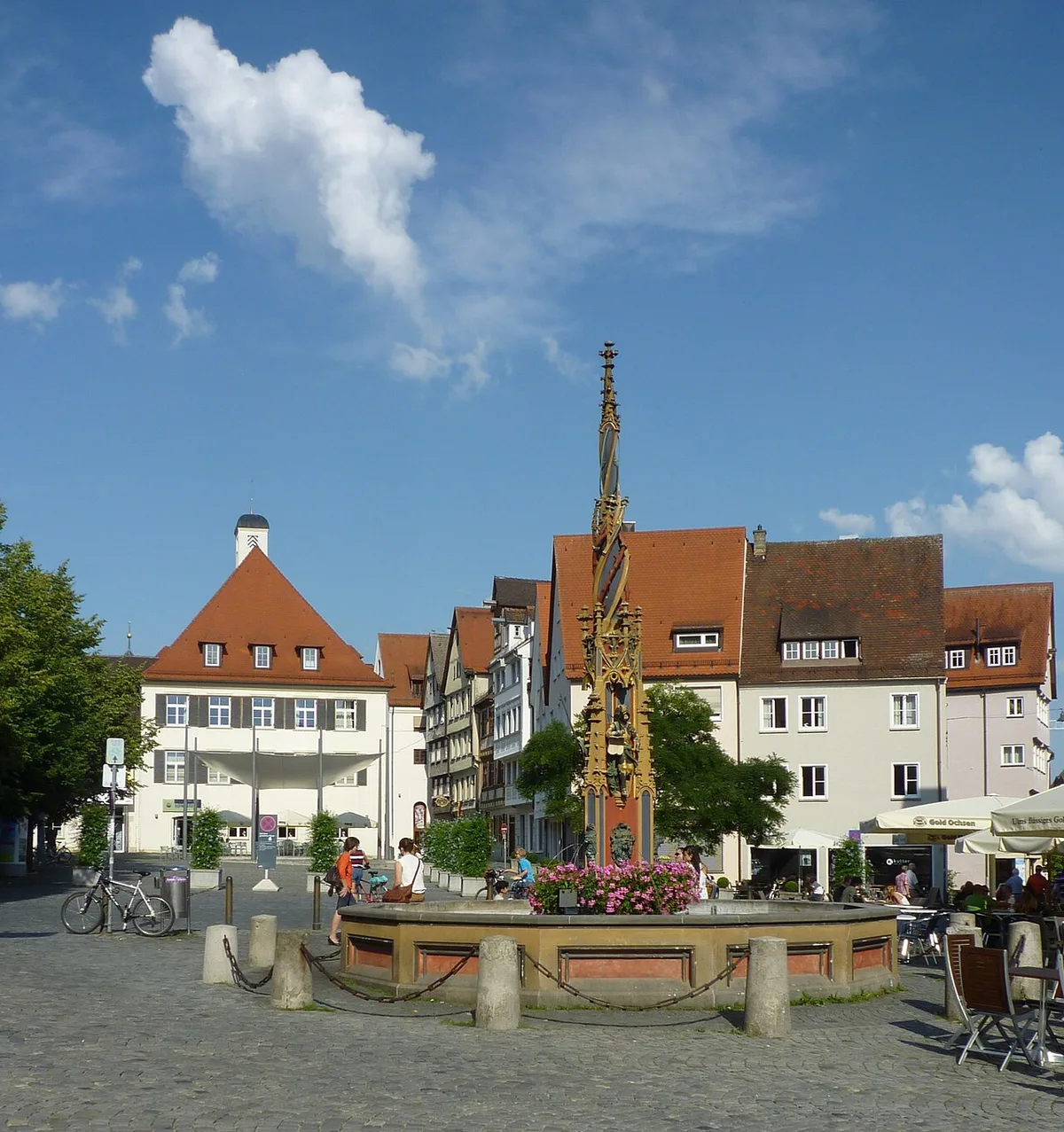
Metzgerturm, the slate-clad city tower, is one of the old town's most photographed verticals and it reads best framed between buildings rather than in isolation. Tourism Ulm lists it under the city's sights, and the surrounding walls and passages give you foreground interest without extra equipment. Vertical lines matter here, so keep the camera level and accept a crop later.
Midday flat light is the main problem in narrow lanes, and bouncing off pale walls only partly solves it. Shoot details during that window and return for the wider streets when the light rakes across the facades. Move slowly, avoid blocking doorways, and remember that residents live above many of these shopfronts.
The Crooked Hotel: Framing a Quirky Subject Honestly
Ulm's crooked hotel is a genuine composition puzzle because its lean is the whole point, and a tilted camera destroys the effect. Keep the horizon level so the building itself provides the tilt, and fill the frame tight enough that surrounding straight walls do not compete. The claim that it is the most crooked hotel in the world is a promotional superlative repeated by travel blogs, so caption it as a local claim rather than a measured fact.
Because the lean reads differently depending on where you stand, walk the length of the facade before settling on a position. A slightly lower viewpoint exaggerates the angle, while a distant broadside view looks almost normal and wastes the subject. This is one of the few spots in Ulm where a deliberate, slightly exaggerated perspective is the honest choice.
Federal Fortress and the Danube Banks: Walls, Water and Reflections
The Federal Fortress area gives photographers something the old town cannot: long walls, open ground and water in the same frame. Tourism Ulm lists the federal fortifications as a sight category in their own right, which is a useful signal that the ensemble is worth treating as a half-day subject rather than a quick stop. Brickwork, moats and tree lines offer strong leading lines if you shoot along the wall rather than square-on.
Water changes everything about exposure, and the Danube's surface can be glassy in the early morning or chopped up by wind later. Reflections need stillness, so arrive early if that is your goal and accept that a midday revisit will give a very different image. Polarising filters help control glare off the water, but they also darken skies unevenly on a wide lens, so check the corners.
A note on scope: the fortress grounds are outdoor terrain, while the Danube Swabian Museum occupies a historic building of the Ulm Federal Fortress a short distance from the river. The museum has its own two tours and its own admission, so do not assume one ticket covers everything in the complex. For ticketing specifics, ask at the museum or the tourist information rather than relying on older blog posts. For wider planning, see Ulm landmark visitor guides.
Neu-Ulm across the Danube: Shooting the Twin City
Crossing to Neu-Ulm puts the Ulm skyline in front of you with the river as foreground, which is the single most reliable way to photograph the Minster in context. The Bavarian side is quieter and gives you space to set up without crowding a pavement, particularly along the bank. Early evening is often the useful window because the city catches the light while the water still holds some colour.
The pairing also works in reverse: from Ulm you can photograph the Neu-Ulm bank with the river leading in from the side. If your visit spans a weekend, a 2 days in Ulm itinerary gives you room to shoot the same skyline twice in different light instead of gambling on one session. Two visits to one location usually beat one rushed visit to five.
Roggenburg Monastery: A Contrast Day Trip
Roggenburg Monastery appears alongside Ulm's city sights in travel reports on the region, and it offers a Baroque, rural contrast to Ulm's brick and river views. The change of subject justifies the trip if you have already covered the core and want something other than towers and half-timbering. Check current access and any visitor arrangements directly with the monastery before travelling, since religious sites can restrict areas with little notice.
Interior church photography usually involves low light, mixed colour temperatures and restrictions on tripods or flash, so plan for high ISO and quiet shutter modes. Confirm what is permitted rather than assuming, and treat any guidance from staff as final. If your trip is short, the Ulm: Itineraries and City Travel Guides page helps you judge whether a monastery detour is worth the lost city time.
Free Grounds versus Paid Interiors: What You Can Shoot Without a Ticket
The cleanest way to plan a budget photo day in Ulm is to separate outdoor public space from ticketed interiors. The Minster square, the old town lanes, the fortress exterior and the Danube banks are open-air subjects you can photograph without entry, while museums such as the Danube Swabian Museum, the kunsthalle weishaupt and the local history museum are indoor collections with their own admissions. Photography rules inside those buildings are set individually, so ask at each one.
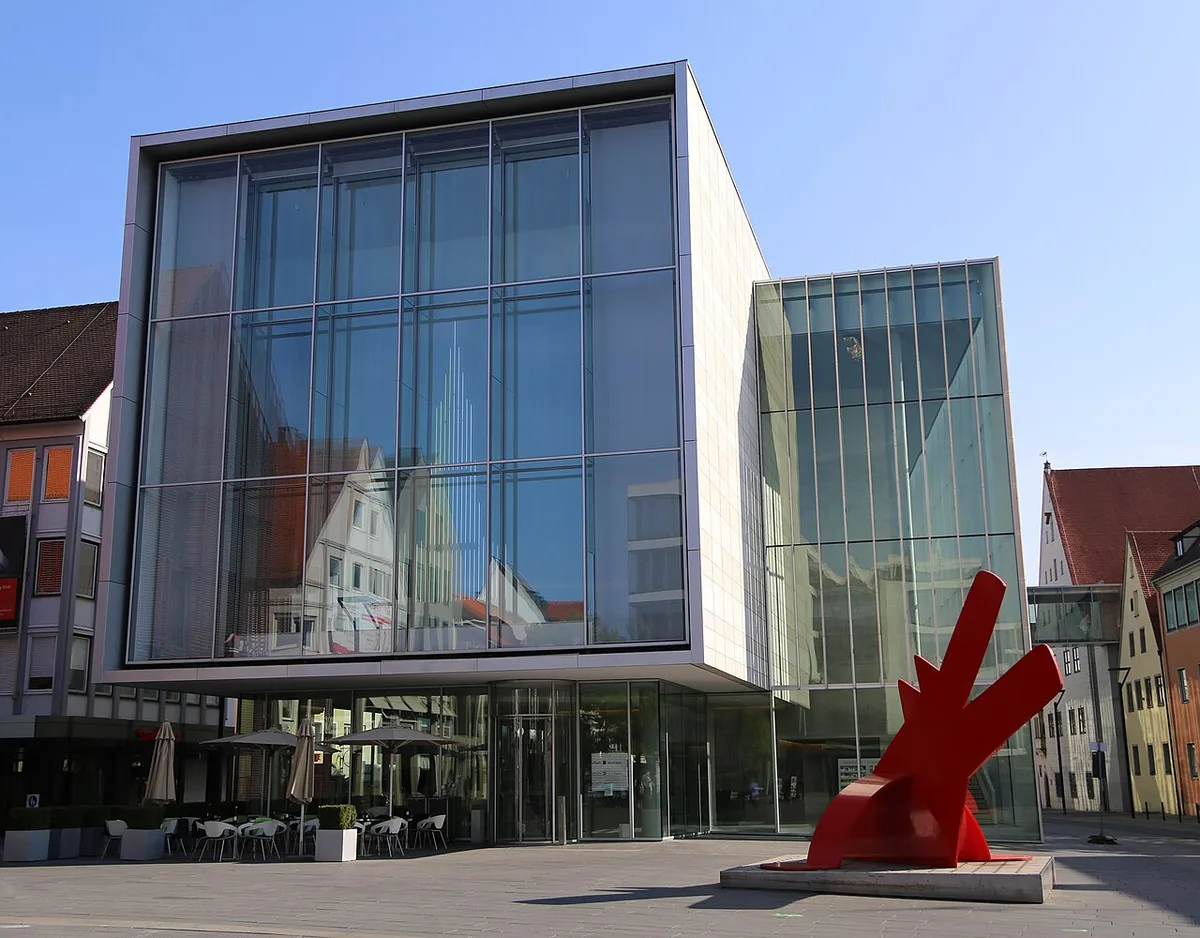
The local history museum sits in the Haus der Stadtgeschichte at Weinhof 12, a building whose west exhibition wall includes thirteenth-century ashlar masonry from the former Holy Roman Imperial palace wall. That kind of architectural layer is exactly the sort of detail a photo walk can document, but only if you go inside and accept the venue's own rules on photography. Plan around the outdoor subjects first and treat interiors as optional extras.
Do not state prices from memory or from an old blog, including any discount card rate. Admission and card pricing changes, and the reliable approach is to check the current figures on the operator's or tourism site on the day you plan to go. If you cannot confirm a price, leave it out of your itinerary and simply note that entry is ticketed.
Photo Ethics and Common Mistakes in Ulm
Tripods are the biggest practical trade-off on a city photo walk. They help with blue-hour river shots and interior architecture, but they also mark you as a stationary obstacle in narrow lanes and busy squares. A reasonable compromise is to use a tripod early or late when streets are quiet and to shoot handheld in the centre during peak hours.
Crowding is the second issue, and the Minster square and Marktplatz fill quickly. Arriving before the main flow of visitors gives you clean frames, and returning after they thin out gives you warmer light. Waiting a few seconds for people to clear a doorway is usually faster than cloning them out later.
Over-editing is the quiet mistake in Ulm, because the city's appeal is texture: brick, slate, painted plaster and water. Push contrast and clarity too far and the fortress walls turn into grey mush. Keep processing restrained, correct the verticals honestly, and resist the urge to exaggerate a lean that is already the subject.
Finally, be careful with superlative captions. Publishing a claim like most crooked hotel in the world as your own finding is a different thing from attributing it to the city's marketing. A travel blog that lists the city's superlatives is useful as a starting point, but the claim stays a promotional line. If you travel on from Ulm, the same discipline applies to the best photo spots in Munich, where iconic subjects come with their own well-worn cliches.
Suggested Half-Day and Full-Day Photo Routes
For a half-day, start at the Minster square while the light is still soft, move into the old town lanes for detail work, then finish on the Danube bank or cross to Neu-Ulm for the skyline. This is a suggested order rather than an official route, and the total walking is modest because the core is compact. Keep the pace loose so you can return to one location if the light changes.
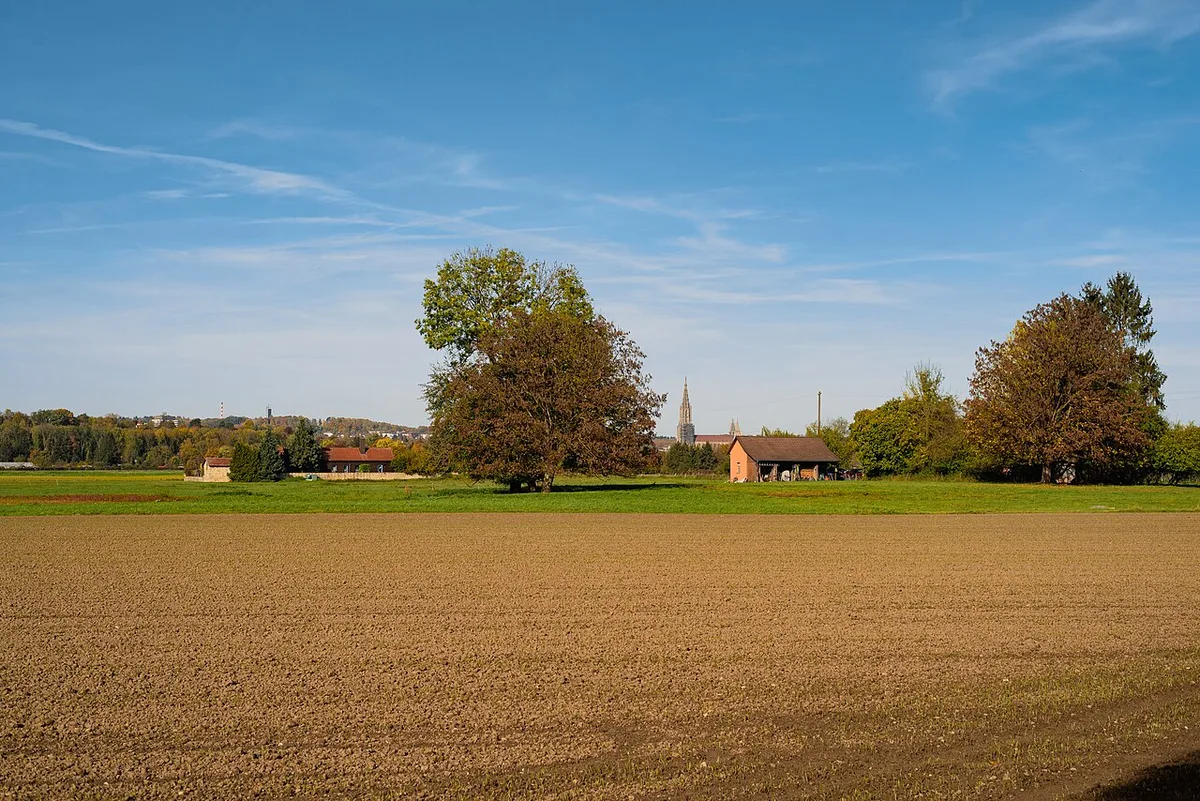
For a full day, add the Federal Fortress grounds in the morning and reserve the late afternoon for the river and the twin-city view. That structure separates the broad, architectural subjects from the reflective ones and avoids shooting the water when it is flat and colourless. If you have more time, a 3 days in Ulm itinerary lets you add a day trip without cutting the city short.
Whichever route you choose, build in one deliberate return visit to your strongest location. The difference between a good Ulm portfolio and a rushed one is usually a second attempt in better light, not more spots. If you are comparing cities for a longer German trip, the best photo spots in Berlin offer a very different, much larger-scale challenge.
Plan Your Ulm Photo Walk
Ulm works as a photography destination precisely because its best subjects sit close together: the Minster tower, the old town lanes, the fortress walls and the Danube all fit into a single day with careful light planning. Decide first whether you are shooting exteriors or paying for interiors, since that choice determines your budget, your route and your timing.
Confirm anything volatile close to your travel date. Tourist information and the individual operators are the right sources for current entry arrangements, exhibition locations and guided tour options, and the city's own listings are updated far more often than travel blogs. Build your plan around public ground you know you can photograph, then treat ticketed interiors as additions rather than assumptions.
Frequently Asked Questions
Where can you photograph the Ulm Minster for free?
The Minster square and the surrounding streets are public ground, so exterior photographs of the tower and facade do not require a ticket. Interior access and any tower viewpoints are handled separately, and arrangements can change, so confirm the current situation with the operator or local tourist information rather than assuming a viewpoint is open.
Is the Ulm Danube bank better at sunrise or sunset?
It depends on the direction you are shooting and on the time of year, because the sun's angle shifts substantially between seasons. Early morning usually gives calmer water and fewer people, which suits reflection shots, while late afternoon gives warmer light on the city facades. Check the sunrise and sunset direction for your specific travel date and choose the bank accordingly.
How long does a Ulm photo walk take?
A suggested half-day route covering the Minster square, the old town lanes and the Danube bank runs roughly three to four hours at a relaxed pace, though that estimate is ours rather than an official figure. Adding the Federal Fortress grounds and a crossing to Neu-Ulm is a full-day effort. The practical limit is light and stamina rather than distance, since the core is compact and walkable.
Do you need a ticket to photograph Ulm's museums and interiors?
Outdoor subjects such as the Minster square, the old town lanes, the fortress exterior and the river banks are open public space and free to photograph. Museums such as the Danube Swabian Museum, the kunsthalle weishaupt and the local history museum are separate ticketed collections, and photography rules inside each building are set individually. Check the current admission and photography policy with each venue before your visit.


