

Kunsthalle Weishaupt is a private museum in Ulm that opened in November 2007 to show a collection built up over five decades. It sits in the city's Neuer Mitte at Hans-und-Sophie-Scholl-Platz 1, and its published opening hours are Tuesday to Sunday 11:00 to 17:00, closed Mondays. A visit to the current exhibition and a selection of collection works can comfortably fill about 60 to 90 minutes, though that is a suggested duration rather than an official one.
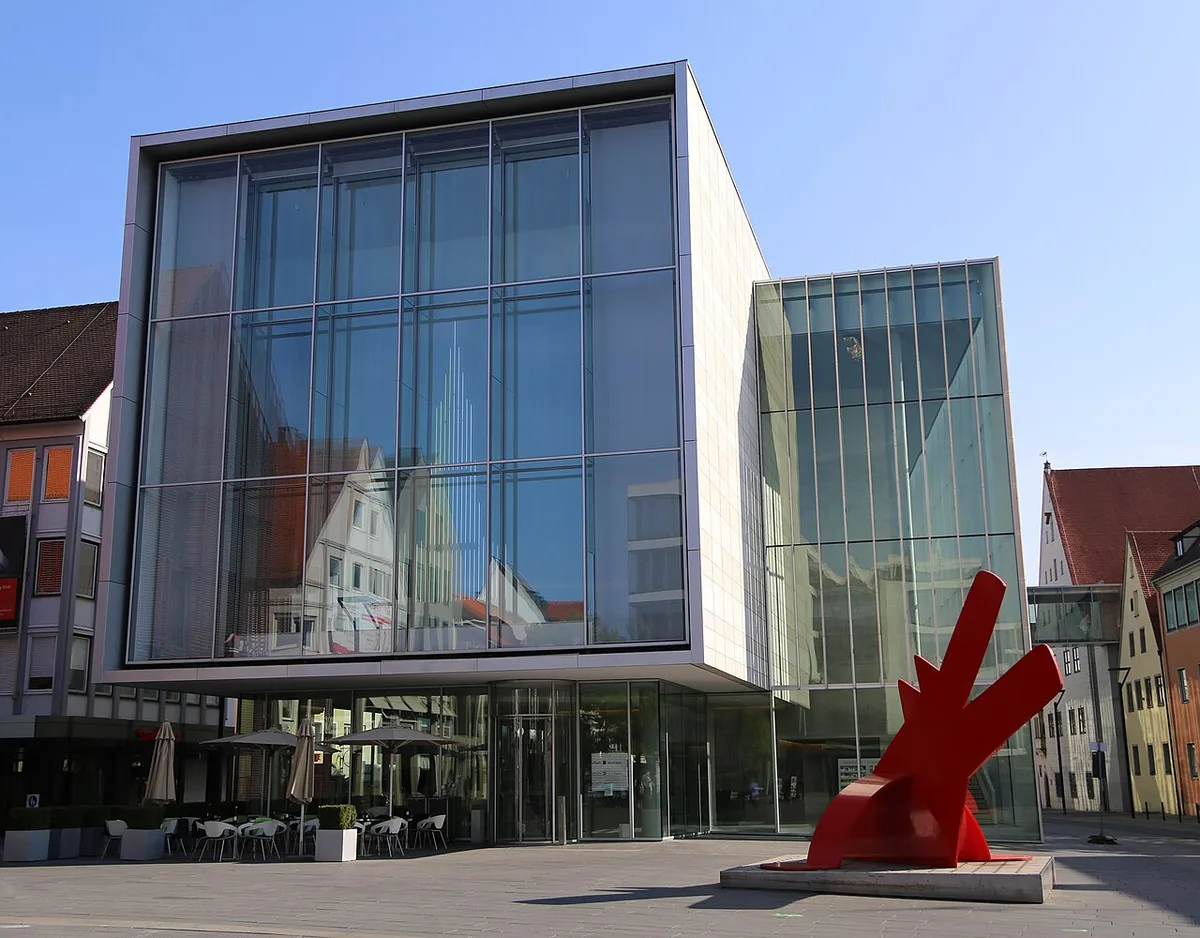
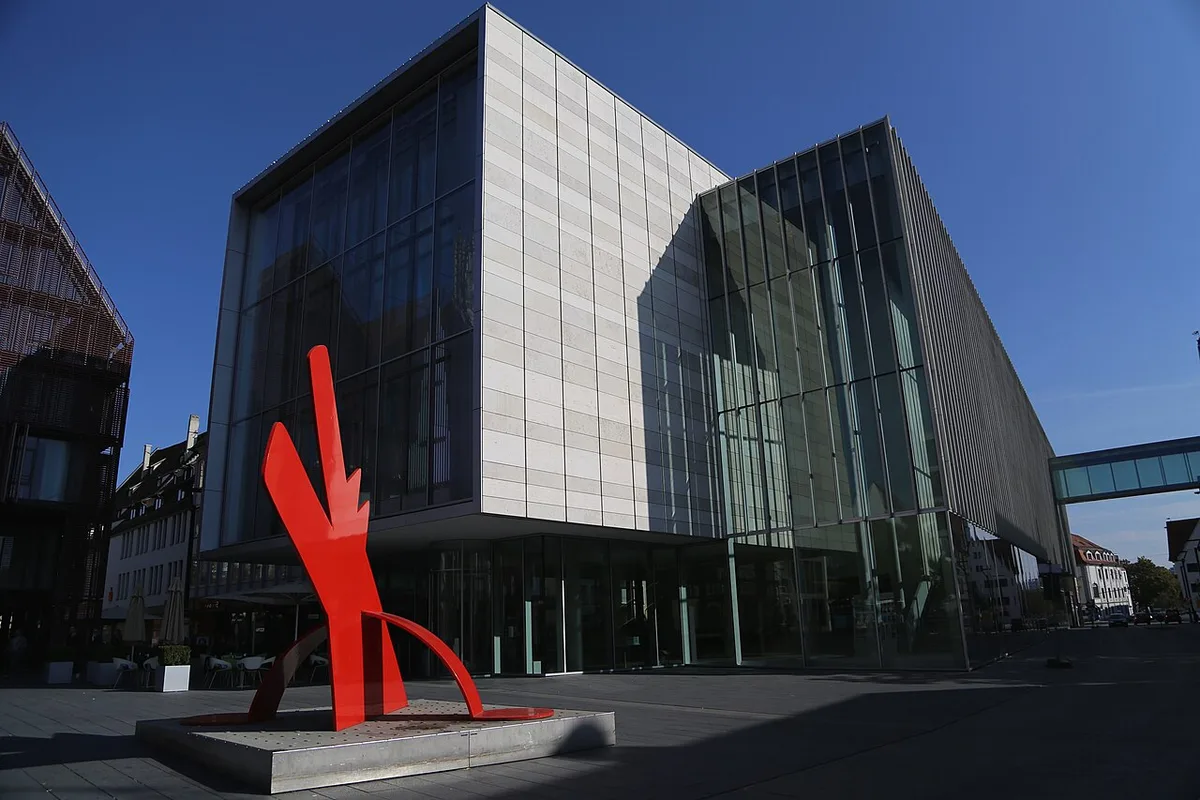
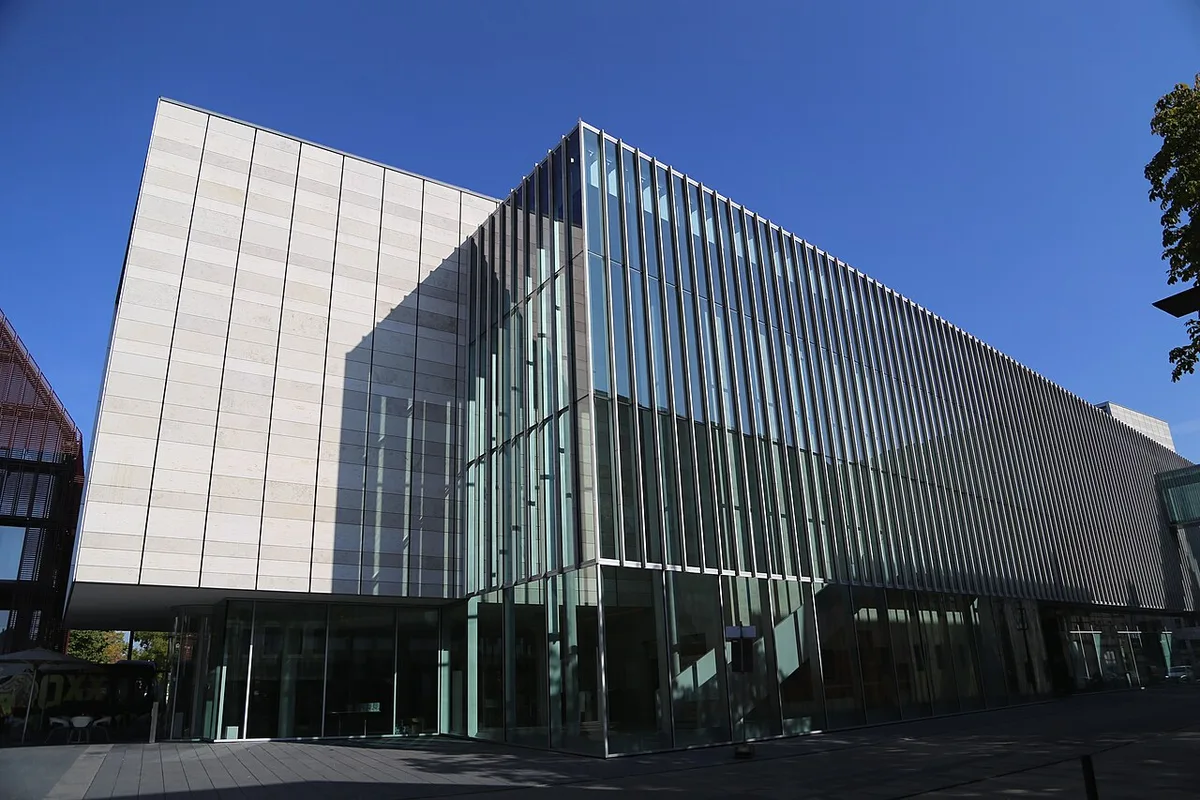
The building is a purpose-built structure by Munich architect Wolfram Wöhr, composed of elongated rectangular volumes that fit the redeveloped quarter. The museum operates in cooperation with the City of Ulm and is supported by Museum Ulm, but it remains a separately run institution with its own programme and admission arrangements. That distinction matters when you plan which of the city's museums to see.
What Kunsthalle Weishaupt Is and Where It Sits
Entrepreneur Siegfried Weishaupt and his wife Jutta assembled a major private collection of modern and contemporary art over 50 years. Since November 2007 it has been open to the public in a purpose-built private museum in Ulm's Neuer Mitte, at Hans-und-Sophie-Scholl-Platz 1. The Landesstelle für Museen Baden-Württemberg lists the building as a new structure of elongated cubes by Munich architect Wolfram Wöhr.
The museum is not part of Museum Ulm, although the two cooperate on programming and the kunsthalle's operations are supported by the municipal museum. For visitors, that means treating each venue as its own stop with its own admission rather than assuming one ticket covers both. If you want to compare the two, look at the Museum Ulm visitor guide before you plan your day.
The Neuer Mitte location puts the kunsthalle within walking distance of other central Ulm sights, so it fits naturally into a city day. For an overview of what else the city offers, start with Ulm: Landmark Visitor Guides and use it to sequence your stops rather than treating the kunsthalle as a standalone detour.
The Collection: Five Decades of Modern and Contemporary Art
The Landesstelle für Museen Baden-Württemberg describes the collection's focus as classical positions in European and American art from the second half of the 20th century, with an emphasis on internationally significant artists of the 1950s and 1960s. American colour-field painting is represented by Mark Rothko, Ad Reinhardt and Frank Stella, while Pop Art is represented by Roy Lichtenstein and Andy Warhol.
European positions include Josef Albers and Max Bill as representatives of concrete art, according to the museum's own description of the collection. Further strengths named by the Landesstelle include works by the Düsseldorf ZERO group and by Arte Povera artists Lucio Fontana and Piero Manzoni, as well as pieces by Imi Knoebel, Robert Longo, François Morellet, Maurizio Nannucci and Keith Haring.
Because the collection is privately assembled, it reflects specific interests rather than a survey approach. You will see depth in certain movements instead of an encyclopedic sweep. That is a feature of the museum rather than a shortcoming, and it is the main reason to seek it out if post-war experimental art is your focus.
Current Exhibition: Wenn Farben Formen finden
The current exhibition, Wenn Farben Formen finden, runs until 8 November 2026 and draws on the Siegfried and Jutta Weishaupt collection, according to the museum's website. It examines the relationship between colour, form and space and shows how clarity and reduction can produce surprising dynamism. Named artists include Josef Albers, Hans Arp, Max Bill, Geneviève Claisse, Ulrich Erben, Karl Gerstner, Auguste Herbin, Charles B. Hinman, Georg Karl Pfahler, Frank Stella and Victor Vasarely.
The museum frames the show around optical effects and geometric abstraction and their movement into everyday contexts such as fashion, record covers, advertising and design. Op Art of the 1960s is a particular reference point. An Art & Apéro event on 15 October 2026, run jointly with Museum Ulm and billbar, takes up exactly that connection between the exhibition's geometric forms and strong colour contrasts, fashion and pop culture.
Because the run is time-limited, check the operator's site before you travel, especially if your visit falls close to the November 2026 closing date. Exhibitions can be adjusted, and the museum's website is the authoritative source for the current programme and dates. Do not rely on a third-party listing alone.
Upcoming: Almir Mavignier and the Ulm Connection
From 21 November 2026 to 20 June 2027 the museum will present almir mavignier. demokratie der punkte, with an opening on Friday 20 November 2026 at 18:00. The exhibition focuses on Mavignier's point paintings and graphics, whose smallest elements appear to vibrate and flicker depending on viewing distance and angle. The museum describes Mavignier, who lived from 1925 to 2018, as a Brazilian-born artist, graphic designer and poster designer among the leading exponents of concrete art and Op Art.
The museum notes that Mavignier spent formative years at the Hochschule für Gestaltung Ulm, where he developed a visual language linking art and design. For a local collection, that connection gives the show particular resonance. The presentation spans different phases of his career, from optically vibrating compositions to flat graphic works and poster designs.
Because the Mavignier dates fall after the current exhibition closes, treat this as a future programme rather than something on view now. If you are planning a trip specifically for it, confirm the schedule on the museum's site before booking travel, and check the events calendar at Tourismus Ulm in case the opening format changes.
Guided Tours and Public Programmes
The museum runs public guided tours every Saturday and Sunday at 14:00, except on the first Sunday of each month, according to its own programme listing. Participation costs 3 euros on top of admission and no advance registration is required, so the fee covers the tour only and not entry.
The first-Sunday exception is easy to overlook. If your visit falls on that day you will not find the regular 14:00 tour, so plan around it or choose another day. The museum lists variations on its programme page, and a quick check the week before you go is worthwhile.
Beyond the standard tour, the museum has run themed evening formats such as Art & Apéro. These are scheduled events with specific dates, and past editions are not a guarantee of future ones. Check the current programme for what is actually on during your stay.
Family and Outreach Programmes
An interactive children's tour called Bunt gedacht! takes place on the first and third Sunday of each month at 15:00, as listed by the museum. It is recommended for children aged five and up, admission is free, and the tour itself costs 2 euros per child; no registration is required. The format encourages close looking at how artists such as Josef Albers, Victor Vasarely, Geneviève Claisse and Ulrich Erben use simple shapes and colours to strong effect.
For parents with babies, the Känguru-Kunst tour offers a 45-minute guided visit where infants can be carried, fed or changed as needed. The museum lists a participation fee of 5 euros per adult including admission, without advance registration. If you are travelling with a very young child, this is a practical way to see the exhibition without arranging childcare.
The museum has also run holiday programmes for children and teenagers, such as multi-day workshops combining art viewing with sound recording and editing. One archived example was aimed at ages 9 to 14, but such details are historical and not a promise of current offerings. Check the museum's programme page for what is running during school holidays, and see the Ulm with kids guide if you need broader family ideas for the city.
Who Kunsthalle Weishaupt Suits, and Who Should Skip It
The museum is best for visitors who want a focused encounter with a private collection rather than a comprehensive survey of art history. If you are drawn to Pop Art, colour-field painting, concrete art, ZERO or Arte Povera, the collection offers real depth in those areas. The scale is manageable: the current exhibition and highlights from the collection can be seen in roughly 60 to 90 minutes, a suggestion rather than an official timing.
If you prefer encyclopedic museums with broad historical coverage, or you are looking for old masters and archaeological collections, this is not the place. Museum Ulm, a short distance away, serves a different purpose and covers other aspects of the city's holdings. Treating the two as complements rather than substitutes helps you allocate your time realistically.
Because the museum is compact, it fits easily into a day that includes other Ulm sights. You could pair it with a walk through the Fischerviertel or a stop at the Ulmer Rathaus, both central and walkable from the Neuer Mitte. On wet days the kunsthalle is one of several indoor options worth considering, as the rainy-day guide sets out. For wider planning, see Ulm on a Rainy Day.
Combining Kunsthalle Weishaupt with Other Ulm Museums
Ulm's central museums sit within walking distance of each other, but they do not necessarily share a ticket. The kunsthalle and Museum Ulm cooperate on programming, as a joint Art & Apéro event shows, yet each has its own admission structure. Check with each museum directly if combined admission matters to your budget.
A practical approach is to pick one or two museums per day rather than trying to see everything. The kunsthalle's compact size makes it easy to combine with a visit to the Rathaus, and the old town walk gives you a route that alternates art with architecture.
For a broader overview of what to see over a longer stay, start with Ulm: Itineraries and City Travel Guides, which covers the cathedral, the Fischerviertel and other landmarks, and helps you sequence your visit so the kunsthalle fits naturally into the day.
Practical Planning Notes
Before travelling, verify current opening hours, admission prices, tour times and any accessibility arrangements on the museum's official site or with Tourismus Ulm. Volatile details such as fees and schedules can change, and the operator's site is the authoritative source. The information here reflects what the museum and its partners publish, but you should confirm before you go.
The Monday closure is the single most important scheduling detail for most visitors, since published hours run Tuesday to Sunday 11:00 to 17:00. Public tours run on weekends except the first Sunday of the month, so if a guided experience is a priority, plan around that exception. Allow roughly 60 to 90 minutes for the exhibition, though your pace may vary.
If you are visiting with children, the first and third Sunday children's tour at 15:00 is a good starting point, and the Känguru-Kunst format accommodates babies. These programmes are listed on the museum's site with any participation fees, so check there for current details and for any scheduling changes around holidays.
Plan Your Visit to Kunsthalle Weishaupt
Kunsthalle Weishaupt offers a focused look at a private collection strong in Pop Art, colour-field painting, concrete art, ZERO and Arte Povera. Its location in Ulm's Neuer Mitte makes it easy to combine with other central sights. The current exhibition Wenn Farben Formen finden runs until 8 November 2026, and the Mavignier show opens on 21 November 2026, so check which one is on during your dates.
Plan around the Monday closure and the first-Sunday exception to public tours. If you want a guided visit, aim for a regular Saturday or Sunday at 14:00. For families, the children's tour and the Känguru-Kunst format provide structured options, though you should verify current schedules and fees on the museum's site before you go.
Frequently Asked Questions
Is Kunsthalle Weishaupt worth visiting?
It is worth visiting if you are interested in modern and contemporary art, particularly Pop Art, colour-field painting, concrete art, ZERO and Arte Povera. The museum is compact, so the current exhibition and highlights from the collection can be seen in roughly an hour to ninety minutes, as a suggestion rather than an official duration. If you prefer encyclopedic museums or historical collections, you may find it too narrow. Check the current programme on the operator's site to see whether the exhibition on view matches your interests.
What kind of art is in the Weishaupt collection?
The collection focuses on European and American art from the second half of the twentieth century. Named strengths include American colour-field painting with artists such as Mark Rothko, Ad Reinhardt and Frank Stella; Pop Art with Andy Warhol and Roy Lichtenstein; concrete art with Josef Albers and Max Bill; and works from the Düsseldorf ZERO group and Arte Povera, including Lucio Fontana and Piero Manzoni. Additional artists represented include Imi Knoebel, Robert Longo, François Morellet, Maurizio Nannucci and Keith Haring.
When is Kunsthalle Weishaupt open?
The museum's published hours are Tuesday to Sunday from 11:00 to 17:00, and it is closed on Mondays. Public guided tours typically take place on Saturdays and Sundays at 14:00, except on the first Sunday of the month. Because hours and tour schedules can change, confirm the current times on the museum's official website before travelling. Tourismus Ulm can also help if you need to check for holidays or special closures.


