

The Fischerviertel is the old Fishermen's Quarter of Ulm, a restored district of half-timbered houses, cobblestone lanes and small footbridges on the Blau canal where it meets the Danube. It sits within Ulm's Old Town on the left bank of the Danube, so it works as a walk rather than a single ticketed stop. Germany Travel lists the Fischerviertel Quarter among Ulm's top sights alongside the Minster, Town Hall and Weishaupt Gallery, describing the quarter and neighbouring Gerberviertel as perfectly restored districts full of places to eat and drink.
Because the lanes are open public streets, there is no gate, turnstile or official sightseeing duration; you simply walk in and out of the quarter as you would any Old Town street. What you do need to plan around is Ulm's wider sightseeing, such as tower climbs and museums, which have their own ticketing, hours and seasonal changes. Treat this quarter as the connective tissue between those stops rather than a venue with its own schedule.
What the Fischerviertel Is and Where It Sits in Ulm
Ulm lies in the southeastern part of Baden-Württemberg on the Danube, with Neu-Ulm in Bavaria facing it across the river; the Old Town, including the Fischerviertel, is on the Ulm side. The quarter developed where the Blau tributary reaches the Danube, and its waterways are the reason the lanes feel different from the rest of the grid. Plan your visit understanding that everything here is within the compact pedestrian Old Town.
The district historically housed fishermen and craftspeople, and today it is best understood as a residential and commercial neighbourhood rather than a museum campus. Buildings are lived in, shops and cafés occupy ground floors, and the historic fabric is the attraction itself. That distinction matters when you plan: you are not buying entry to the Fischerviertel, you are choosing how much time to give its lanes.
Orientation: Entering from the Danube, the Blau and the Old Town
Most visitors arrive on foot from the Minster or Town Hall, which puts you at the northern edge of the quarter and lets you drift south with the canal. Others come along the Danube from the Town Walls side, approaching the Fishermen's Quarter and Tanner's Quarter from the riverbank path. Either direction works, and the two together form a natural loop back into the shopping streets. For wider planning, see Ulm city travel guides.
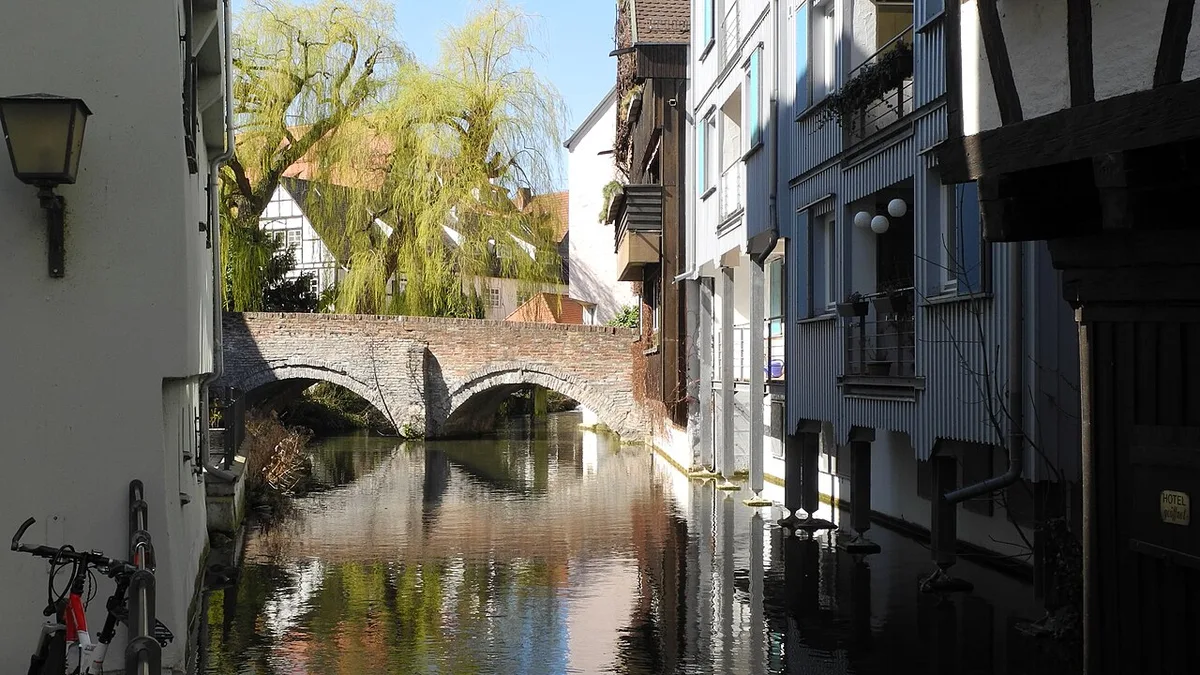
The Town Walls walk beside the Danube passes the Fishermen's Quarter and Tanner's Quarter, where travellers report half-timbered houses, cobblestone streets and small footbridges. Use this riverside stretch as your entry or exit so the quarter reads as part of a longer Old Town circuit. If you want a structured route with the major sights in sequence, an Ulm Old Town walk is the sensible frame for the day.
What You Will See: Half-Timbered Houses, Cobblestone Lanes and Footbridges
The visual signature of the quarter is timber framing with exposed beams, small skylights set beside steep triangular gables, and bridges of varying shapes crossing narrow water channels. Germany Travel notes that the Fischerviertel and Gerberviertel were perfectly restored, which is why the lanes read as cohesive rather than patched. Walk slowly and look up: upper storeys, roof lines and carved details carry much of the character.
Cobblestones are the standard surface throughout, so footwear with grip and a little cushioning makes a real difference over a full day of Old Town walking. The lanes are narrow, and the quarter is small enough that you will likely pass the same bridge twice; that is normal and part of the appeal. Photographers will find the canal reflections and gabled rooflines worth pausing for, alongside the wider set of best photo spots in Ulm.
The Schiefes Haus and Why It Leans
The Schiefes Haus, or Leaning House, is the quarter's best-known single landmark, a timber-framed building whose distorted geometry stands out even among the irregular old houses around it. Visitors consistently treat it as a photo subject and a waypoint, and it is often described alongside the Minster and Town Hall as one of Ulm's identifiable sights. Its tilt is the point of interest, not a grand interior you queue for.
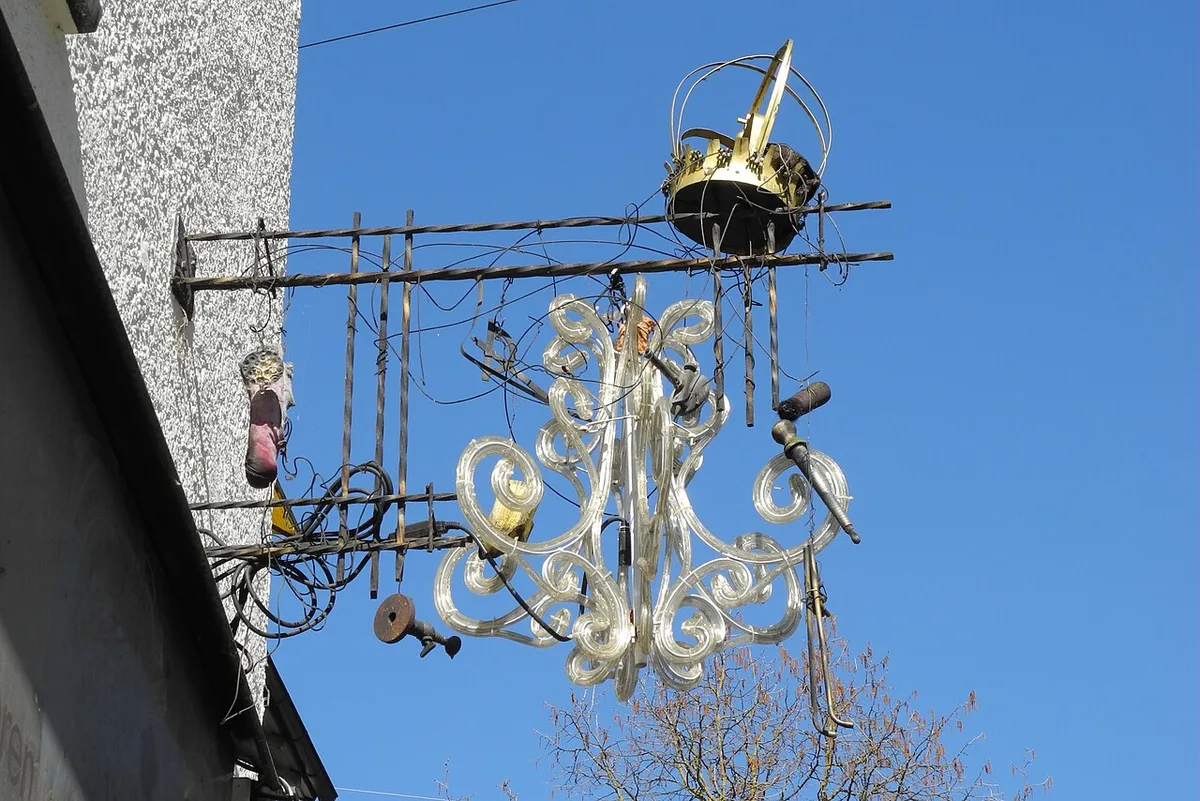
What you cannot assume is what the building is used for today; sources disagree, and we have not verified a current tenant, so we do not describe it as a hotel, café or museum. View it from the lane and the bridge crossings, and treat any interior as something to confirm on the spot before you plan around it. This is exactly the kind of detail that changes quietly and is best resolved locally.
How the Quarter Pairs with the Minster, Town Hall and Town Walls
The Minster is Ulm's dominant landmark and sits close enough that the walk between it and the Fischerviertel is short and mostly level. Between the two you pass the Town Hall with its painted façade and astronomical clock, which makes an easy pause on the way. Together these three form the spine of a first-time Ulm visit and explain why the Old Town feels dense with sights.
If you want depth beyond the historic lanes, the Old Town also holds modern art at the Kunsthalle Weishaupt, a short add-on if you want to contrast historic Ulm with contemporary collecting. The broader Ulm: Landmark Visitor Guides collection is the place to compare these stops before committing your day to any single one.
A Suggested Length and Order for a Fischerviertel Walk
A reasonable suggestion, not an official figure, is to give the quarter one to two hours if you want to walk every lane, cross the bridges and stop for a coffee. Add the Minster and Town Hall and you are planning a half day at minimum, more if you climb the tower or enter any museum. The whole Old Town is walkable, so extra time usually goes to sitting down rather than to travelling between sights.
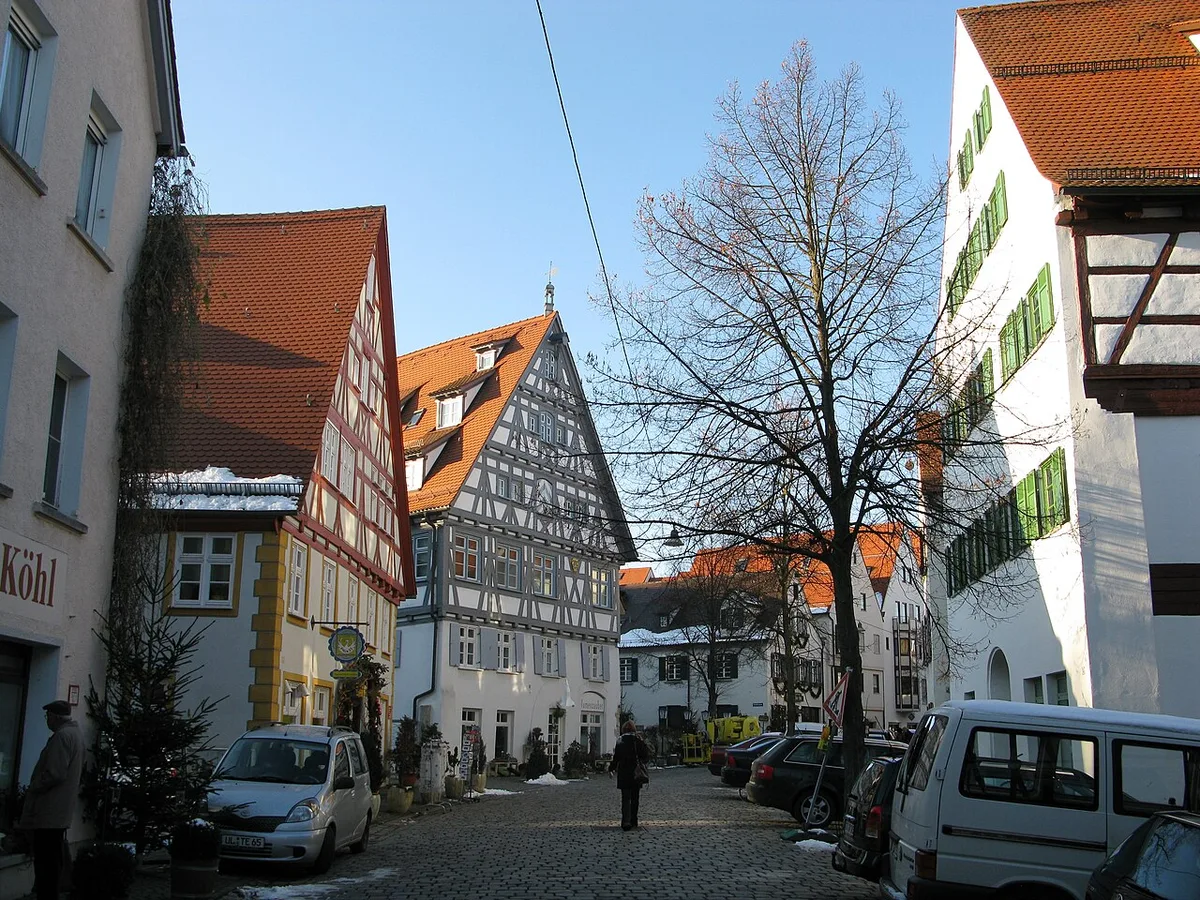
A practical order is Minster and Münsterplatz first, then Town Hall, then the descent into the Fischerviertel, finishing along the Danube and the Town Walls. Doing it in that sequence keeps you moving downhill into the canals instead of climbing back through the lanes at the end. If you only have an afternoon, cut the museums rather than the quarter, because the lanes are the part you cannot see anywhere else in the city.
Cafés, Shops and Stopping Points in the Lanes
The quarter is known for small shops, cafés and restaurants tucked into the ground floors of the old houses, which is what makes wandering here feel lived-in rather than staged. Germany Travel highlights the Fischerviertel and Gerberviertel for exactly that mix of restoration and places to eat, drink and linger. Expect to find waterfront seating and courtyards rather than a single central square.
Because menus, opening days and seasonal terraces change, check the individual business rather than relying on any guide, including this one. The Tourism Ulm/Neu-Ulm site is the official starting point for current city information, guided tours and local brochures if you want to plan around specific openings. Booking nothing in advance is fine here; the quarter is a walk-up experience.
Practical Orientation for a Compact Old Town Visit
Plan the day on foot: the Old Town, the Minster, the Town Hall and the riverside walls are close enough that walking beats any other approach for a first visit. Ulm has buses and a tram network for reaching the city from further out, but within this district, distances are short and the surface is pedestrian. Keep a simple map loaded offline, since the lanes curve and phone signal in narrow streets can be patchy.
Weather decides a lot here: the quarter is outdoors, and cobblestones plus rain call for different shoes than a dry summer afternoon. Expedia's Ulm guide notes that the town is best known for the Minster and Einstein's birthplace, and that the Old Town sits on the Danube's left bank as a walkable pedestrian district. Use that as a frame, and confirm any ticketed stop separately before you go.
If you want a second museum indoors, Museum Ulm's collections are part of the wider Old Town offering, though its building has been subject to renovation and temporary relocations, so verify the current situation before planning around it. Checking the city tourism pages and the individual venue is the only reliable way to confirm what is open on your dates.
Plan Your Fischerviertel Visit
The Fischerviertel rewards a simple approach: walk the Minster and Town Hall first, then let the lanes and canals pull you down to the Danube and back along the Town Walls. Give it one to two hours as a suggestion, add time for a café, and accept that the quarter itself has no ticket, no queue and no fixed schedule. Book any museum, tower climb or guided tour separately after checking current details.
Frequently Asked Questions
What is there to see in the Fischerviertel in Ulm?
The quarter is made up of half-timbered houses, cobblestone lanes, small footbridges and canal channels, with the leaning Schiefes Haus as its best-known landmark. It is a restored historic district rather than a single attraction, so the experience is walking, looking at the architecture, and stopping in cafés and small shops along the way. Some buildings are private or commercial, so admire them from the street.
How long should you spend in the Fischerviertel?
A suggested visit of one to two hours covers the lanes, the bridges and a coffee stop, but this is a suggestion rather than an official sightseeing duration. Add more time if you combine the quarter with the Minster, Town Hall or a museum, because those stops carry their own visiting time. There is no gate or admission to rush through in the quarter itself.
Is the Schiefes Haus a hotel or a café?
Sources disagree about the building's current use, and we have not verified a current operator, so treat the Schiefes Haus as a leaning landmark to view from the lane rather than a venue to plan around. Its value to a visitor is the tilt and the timber-framed silhouette against the canal. If you want to go inside somewhere, ask locally or check the business listing on the day.
How does the Fischerviertel fit into a one-day Ulm itinerary?
Pair it with the Minster, the Town Hall and the riverside Town Walls, all within walking distance in the compact Old Town. A common order is Minster first, then Town Hall, then the Fischerviertel lanes, finishing along the Danube. Guided tours and ticketed interiors should be booked separately, and any museum you want to include is worth checking in advance for current opening arrangements.


