

Three days in Bonn sounds generous until you walk the centre and realise how quickly it runs out. The former capital is compact and walkable, which is exactly why the honest answer is to spend two days inside the city and give the third one to Cologne or to Königswinter's Drachenburg Castle.
That structure also matches how the city rewards attention. Beethoven's birthplace, the old town and the Rhine embankment sit within a short stroll of each other, while the Museum Mile needs its own unhurried day because free admission at some institutions and paid ticketed rooms at others change how you pace the visit.
This itinerary is a suggestion, not a schedule. Treat every opening time, ticket price and transport detail as something to confirm on the operator's own page shortly before you travel, because exhibitions rotate and seasonal hours shift.
How Three Days Should Be Split
Day one stays in the old town and centres on Beethoven, the market square and the river. Day two belongs to the Museum Mile, where the Haus der Geschichte and the Bundeskunsthalle sit close together. Day three leaves Bonn entirely, either north to Cologne or south along the Rhine to Königswinter.
If you only have two days, cut the third one rather than compressing the city into a single rushed loop; a 2 days in Bonn itinerary is the tighter version of the same shape. Bonn's compactness means the city core fits into two unhurried days, and squeezing Cologne into it leaves both places half-seen.
Arriving late changes the arithmetic. If you land in the evening, treat that first night as a walk along the Rhine promenade and push Beethoven to the next morning, when you can pick a timed slot properly instead of chasing a closing cash desk.
Day 1 Morning: Beethoven's Birthplace at Bonngasse 20
Beethoven was born in the back house at Bonngasse 20, one of the few surviving 18th-century town houses in Bonn. The ticket desk and museum shop sit across the street at Bonngasse 21, which is worth knowing before you queue at the wrong door on a cold morning.
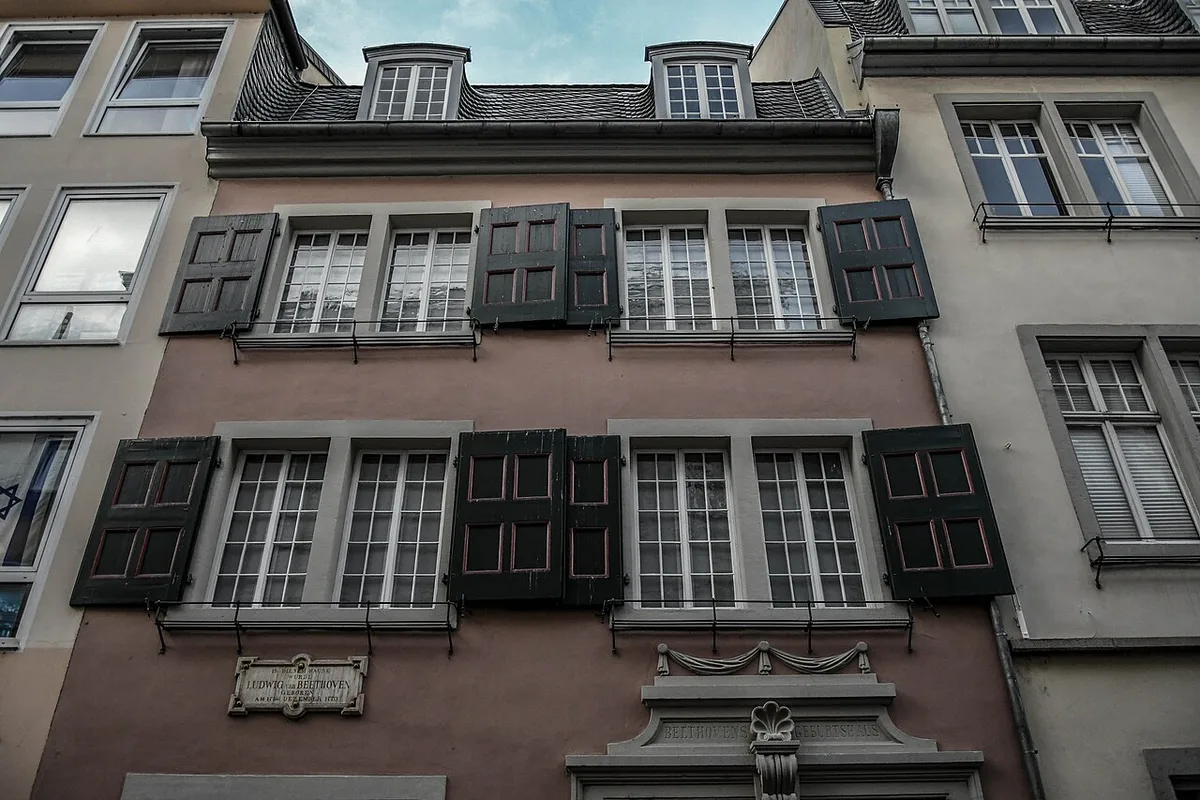
Size your expectations honestly: this is a house, not a grand museum. One recent visitor account reports the attendant suggesting roughly 90 minutes and finishing in about an hour, which lines up with the three floors of thematically arranged rooms. The rooms cover Beethoven's Bonn roots, his working life, his circle of friends and patrons, and his deafness, with a vault of manuscripts and a music room with historic keyboards.
Book ahead if your dates are fixed, because the operator sells timed online tickets and a small house absorbs crowds badly. The house also runs guided tours of about an hour and publishes events for adults and children.
Do not carry old ticket prices into your planning; the museum's admission page is the only place that matters on the day. If anyone in your group needs accessible formats, the house publishes multimedia guides in easy language, for visually impaired and blind visitors and in German sign language, handed out at the cash desk subject to availability and free of charge.
Day 1 Afternoon and Evening: Old Town, Minster and the Rhine
From Bonngasse you can walk straight into the pedestrian centre, passing the Namen-Jesu-Kirche on the way to the market square. The old town hall on the market is the classic photo stop: the rococo facade facing the square is the point, and casual visitors should not count on getting inside.
Bonn Minster is the other anchor of the centre, an almost thousand-year-old church with a cloister that predates most of what surrounds it. The two heads on the ground in front represent Cassius and Florentius, the city's patron saints, a small detail most people walk past without noticing.
End the day on the Rhine embankment promenade, where the view south opens toward the Siebengebirge hills. On a clear evening you can pick out Drachenburg Castle and the Drachenfels rock from the riverbank, which is a useful preview if day three is going to be the Königswinter option.
If you want a longer riverbank walk with more context on where to stop, a dedicated Bonn Rhine promenade walk is worth reading before you go. The promenade is free, open and best without a schedule.
Day 2 Morning: Museum Mile Logistics and the Free Anchor
The Museum Mile sits along Helmut-Kohl-Allee and Willy-Brandt-Allee, reachable from Bonn Hauptbahnhof on the U-Bahn toward Bad Godesberg or Königswinter. The Bundeskunsthalle's own directions page lists U-Bahn lines 16, 63 and 66 to Heussallee/Museumsmeile, and also notes that regional trains stop at UN Campus, so you can arrive without changing at the main station.
Start with the Haus der Geschichte, because it is the cleanest decision on the mile: admission to the museum and all exhibitions is free. The permanent exhibition covers German history from 1945 onward, and a free multilingual audio guide runs through the collection in around an hour at 30 stations, usable on your own phone.
Budget more time than you expect here, and check the visit information the day before, because temporary exhibitions and gallery access change. A recent notice on the museum's own site closed one U-Bahn gallery installation for roughly six weeks during construction work, which is exactly the kind of thing that only the operator's page will tell you.
Day 2 Midday: The Bundeskunsthalle Ticket Trade-Off
The Bundeskunsthalle runs a day ticket, which the operator's own site describes as giving entry to all exhibitions, alongside a reduced rate, a group rate for ten or more people and a cheaper happy-hour ticket valid in the last hour before closing. Because those figures change, read them on the operator's tickets page rather than trusting any list, including this one.
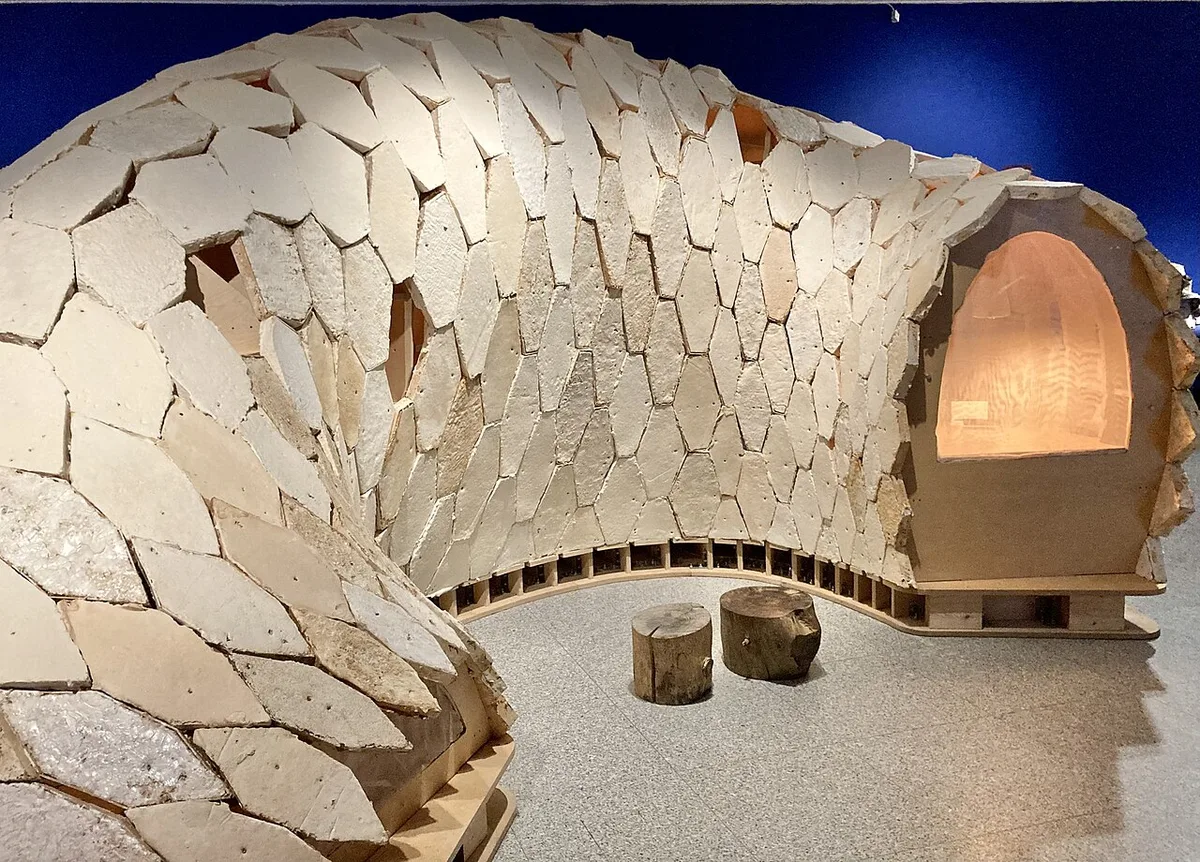
The combined card covering both the Bundeskunsthalle and the Kunstmuseum Bonn is the interesting decision. It is valid for all concurrently running exhibitions at both houses, so it only makes sense if you genuinely intend to see both on the same trip rather than one quick room before dinner.
Check the hours carefully before choosing your day, since the Bundeskunsthalle closes on Mondays and keeps a longer evening on Wednesdays, while the Kunstmuseum Bonn opens Tuesday to Sunday with a later Wednesday and closes on Monday. The two houses do not share identical hours, so a late Wednesday is the most efficient slot if you want both.
The Bundeskunsthalle's roof is accessible during regular opening hours, with the slide operating from Saturday midday and Sunday morning, although weather can close it. The free media art room and the free library and salon are worth knowing about if you want a low-cost hour between paid exhibitions.
Day 2 Afternoon: A Second Museum, the Botanical Gardens or a Neighbourhood
The Kunstmuseum Bonn next door focuses on modern and contemporary art and publishes short digital tours of individual works, which suits a shorter visit. If you bought the combined card, this is the natural second stop; if not, weigh whether one collection is enough for the afternoon.
The free alternative is the Botanical Gardens of the University of Bonn beside Poppelsdorf Palace, with greenhouses covering tropical, cactus and aquatic planting. The gardens are free to enter and are an easy walk or short ride from the centre, which makes them a sensible afternoon if the museum budget is already spent.
A third option is simply to walk. Bonn's Südstadt and the villa streets around it hold Wilhelminian-era houses that once served as embassies while the city was the seat of government, and the neighbourhood rewards a slow hour more than a checklist.
Day 2 Evening: Villas, the Südstadt and the Old Government District
Bonn was the seat of government of the Federal Republic from 1949 to 1999, and the old government district stretches along Gronau and Hochkreuz in the south of the city. Walking it without a guide is possible, but much of the context is institutional rather than visual, so a themed tour can be the better use of the evening.
In the Südstadt and around Godesberg, the villa streets show what the capital years left behind, with former embassy buildings still in use as branch offices or consulates. This is a walk about architecture and history rather than sights, and it works best as a slow loop rather than a route with stops.
If cherry blossom season happens to coincide with your trip, remember that the flowering window is only a few days and peak bloom brings heavy crowds on the best-known streets. Outside that window the avenues are still pleasant, and a walk in the Nordstadt works perfectly well in May or October.
Day 3 Option A: Cologne as a Full Day
Cologne is the simpler day trip because the cathedral sits immediately beside the main station, so you can arrive and be standing in front of it within minutes. One traveller's account of basing themselves in Cologne describes roughly 30 minutes of train travel between the two cities, and the Hohenzollern Bridge carries the rail traffic right past the cathedral.
Build the day around the cathedral and the museum cluster by the station, where the Ludwig Museum and the Roman-Germanic Museum sit close together. A 2022 traveller's account records the Ludwig Museum's adult entry at €12 at the time of visiting, which is a useful indicator rather than a current price, so check the museum's own admission page before you go.
What to skip: do not try to add Düsseldorf on the same day. Cologne's old town, the riverfront and one museum is already a full day, and a Cologne day trip from Bonn deserves to be planned as a single destination rather than a two-city sprint.
Day 3 Option B: Königswinter and Drachenburg Castle
Drachenburg Castle sits on the Drachenfels above Königswinter, about 321 metres up, and was built between 1882 and 1884 as a private villa. It was badly damaged in the final days of the Second World War, and restoration work from 1995 to 2010 left the building in the condition you see now, with damage still visible on the Rhine-facing facade.
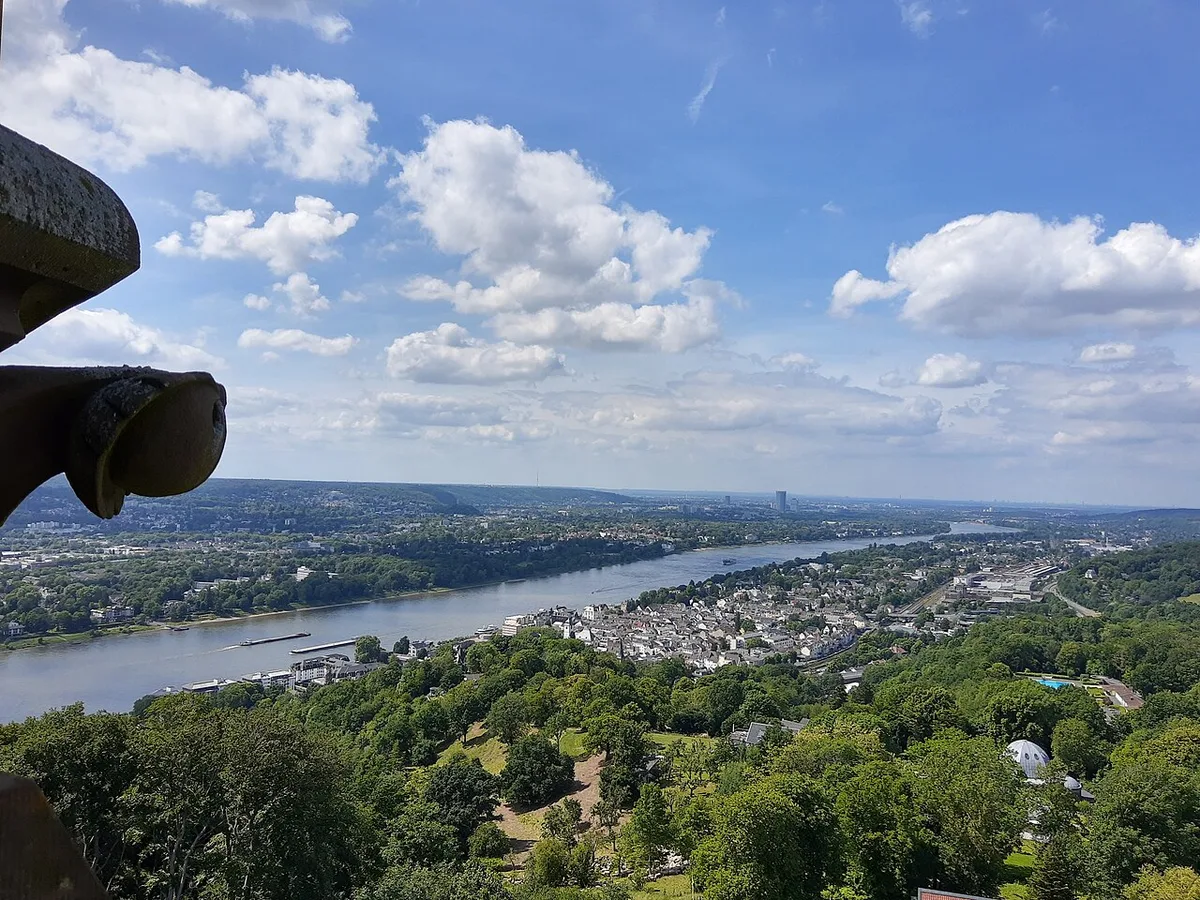
Getting there means rail from Bonn or Cologne and then either a walk of roughly half an hour or the Drachenfelsbahn, the rack railway that has linked the old town of Königswinter with the Siebengebirge since 1883. The same source notes the park requires admission rather than being free, so the honest planning step is to confirm current castle and park admission and opening hours on the operator's site rather than on a blog post from 2020.
Choose this option if you want the hike and the hills more than the city. It is a half-to-full day depending on your transport, and the walking is real rather than ornamental, which makes it a poor fit for a tight schedule or a rainy forecast.
Day 3 Fallback: Staying in Bonn
If the weather turns, stay put and use the day for the things that never made it into the plan: a Rhine boat trip from the promenade, the Arithmeum's collection of historical calculating machines, or the Haribo shop in the city centre. Boat operators run different timetables by season, so check departures at the promenade rather than assuming a daily service.
A rainy day is also the moment for the larger indoor collections you skipped, which is where a second look at the Museum Mile pays off. Confirm opening hours directly, since the houses on the mile do not all share the same weekly rhythm.
If you are comparing three-day city breaks across Germany, the same two-city-days-plus-one-day-trip structure works elsewhere; see how it plays out in a 3 Days in Dresden itinerary or in a 3 days in Berlin itinerary before you commit to a shape.
Where to Sleep and How to Adapt the Plan
Staying in the centre puts Beethoven's birthplace, the market square and the Rhine within walking distance, which removes transport decisions from the first two days entirely. Staying near the Museum Mile or the main station trades some of that charm for faster access to the museums on day two.
Treat hotel recommendations as things to verify rather than certainties. Rates move constantly and any figure you see today will not be the figure you pay in a different month, so compare on the booking platform of your choice using your actual dates.
If you arrive late, invert the plan: do the Rhine promenade on arrival night, Museum Mile on day two and Beethoven early on day three before you leave. That keeps the timed elements where you have the most control over your morning.
What to Re-Verify Before You Travel
Book Beethoven House in advance if your dates are fixed, and re-read the museum's own opening hours and admission pages close to your trip, since special exhibitions run alongside the permanent collection and can affect access. Prices, happy-hour timings and slot availability all belong to the operator, not to any third-party summary.
For the Museum Mile, check each house separately. Free admission at the Haus der Geschichte does not extend to ticketed exhibitions elsewhere, the Bundeskunsthalle's day ticket covers its own exhibitions, and the combined card is a separate product again.
Finally, check transport on the day. The Bundeskunsthalle's own directions page has carried notices about a U-Bahn stop being closed for weeks of construction, which can change how you reach the mile even when every museum is open as normal.
Plan Your Visit
Three days in Bonn works because the city is small enough to cover properly in two, leaving the third free for somewhere else. Spend day one on Beethoven, the old town and the river, day two on the Museum Mile at an unhurried pace, and day three either in Cologne or on the Drachenfels.
Pick the third day by temperament rather than by ranking. Cologne gives you a cathedral and a dense museum cluster with almost no walking between them, while Königswinter gives you a hill, a castle and a real hike.
Whichever you choose, confirm hours, tickets and transport on the operator's own pages in the days before you travel, and treat every price in any guide, including this one, as a starting point rather than a promise.
Frequently Asked Questions
Is three days too long for Bonn?
Not if you leave the city on one of them. Bonn's centre, including Beethoven's birthplace, the market square, the Minster and the Rhine promenade, is walkable and compact. Two days covers the city core at a comfortable pace, and the third day is best spent in Cologne or at Drachenburg Castle above Königswinter.
Should the third day be Cologne or Drachenburg Castle?
Choose Cologne if you want a cathedral, a dense museum cluster beside the station and a full urban day with minimal walking between sights. Choose Königswinter and Drachenburg Castle if you would rather hike, ride a historic rack railway and trade city streets for the Siebengebirge. Both depend on transport and weather, so check connections and opening hours before deciding.
Which Bonn museums are free to enter?
The Haus der Geschichte charges no admission for the museum or its exhibitions, and it also offers a free multilingual audio guide. The Botanical Gardens of the University of Bonn are free to enter as well. Elsewhere on the Museum Mile, the Bundeskunsthalle and the Kunstmuseum Bonn sell tickets, and a separate combined card covers both houses for concurrently running exhibitions.
Do I need to book Beethoven House tickets in advance?
It is sensible if your dates are fixed, because the museum sells timed slots and the house is small. Booking is handled by the Beethoven-Haus itself, either online or at the shop opposite the birthplace on Bonngasse. Check the operator's page for current availability, opening hours and admission rather than relying on older summaries.
Sources
- Germany: Cologne, Düsseldorf, Bonn – Life: Phase Next
- Beethoven-Haus Bonn
- Education | Beethoven-Haus Bonn
- REVIEW | Beethoven House & Museum in Bonn – Trip By Trip
- Beethoven-Haus Bonn
- Bundeskunsthalle
- Short tours - Kunstmuseum Bonn
- Guide to Schloss Drachenburg / Drachenburg Castle - tabithaschr
- Haus der Geschichte Bonn
- Inklusive Angebote im Haus der Geschichte Bonn


