
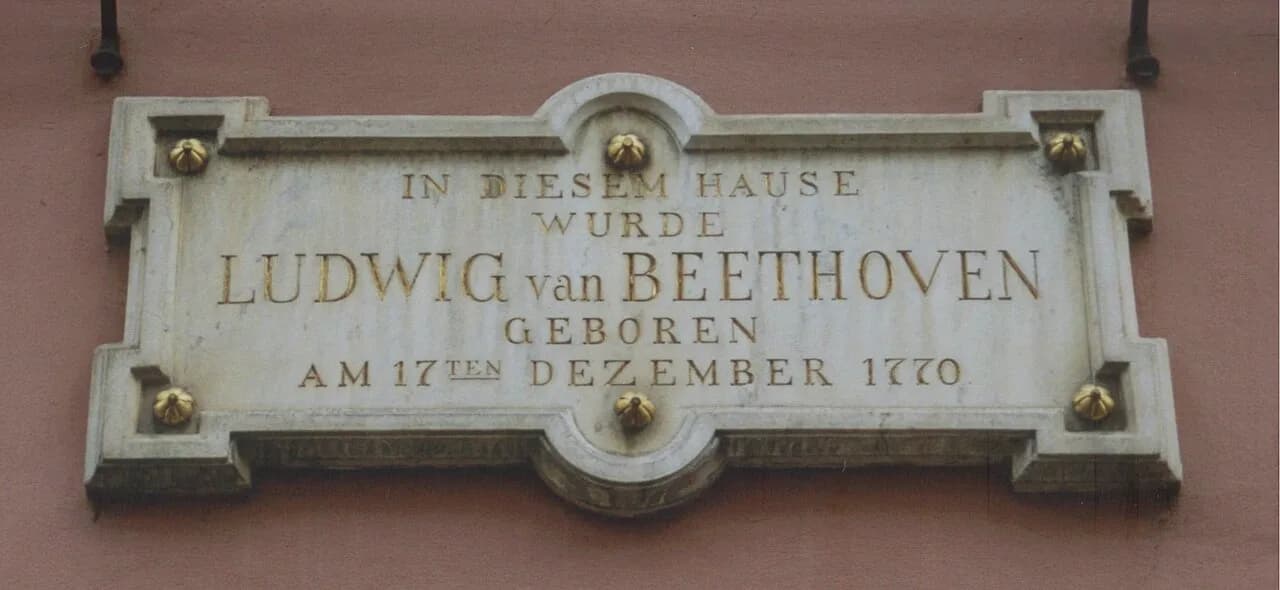
Beethoven's birthplace is a preserved 18th-century townhouse at Bonngasse 20, and the museum rooms are spread over three floors of domestic-scale exhibition space. As an editorial suggestion rather than an official figure, allow roughly 60 to 90 minutes inside: the lower end covers a brisk walk-through, while the upper end suits anyone using an audio guide and reading the panels.
The Beethoven-Haus is a memory site, museum and cultural institute founded in 1889 by the Beethoven-Haus association, and it covers Beethoven's life, work and influence rather than only the building he was born in. That broader remit explains why concerts, a library and research functions sit alongside the exhibition rooms, and why visiting only the museum is one option among several.
One Address, Several Beethoven-Haus Functions
The Beethoven-Haus describes itself as a cultural institution with a museum, research centre, concert hall, collection, library and publishing house, all dedicated to Ludwig van Beethoven. In practice that means the address is not simply a historic house with a ticket desk; it is an active institute where concerts, research and temporary shows run through the year. Planning a visit means deciding which of those layers you want.
The chamber music hall sits within the same wider Beethoven-Haus complex and hosts concerts on historic keyboards. Those are events with their own tickets rather than something folded into museum admission, so if a concert falls on your dates, treat it as a separate booking and the museum as a separate stop. The two can still be combined in one afternoon without much walking.
What the Birthplace Museum Covers
The exhibition is thematically structured and follows a route through Beethoven's roots in Bonn, his everyday working life as an artist, his social network of friends and patrons, and the onset of his deafness, with one room devoted to his work. Several media and artistic stagings are used to open up the historical documents and objects, so the display mixes original artefacts with interpretation rather than presenting a plain object timeline.
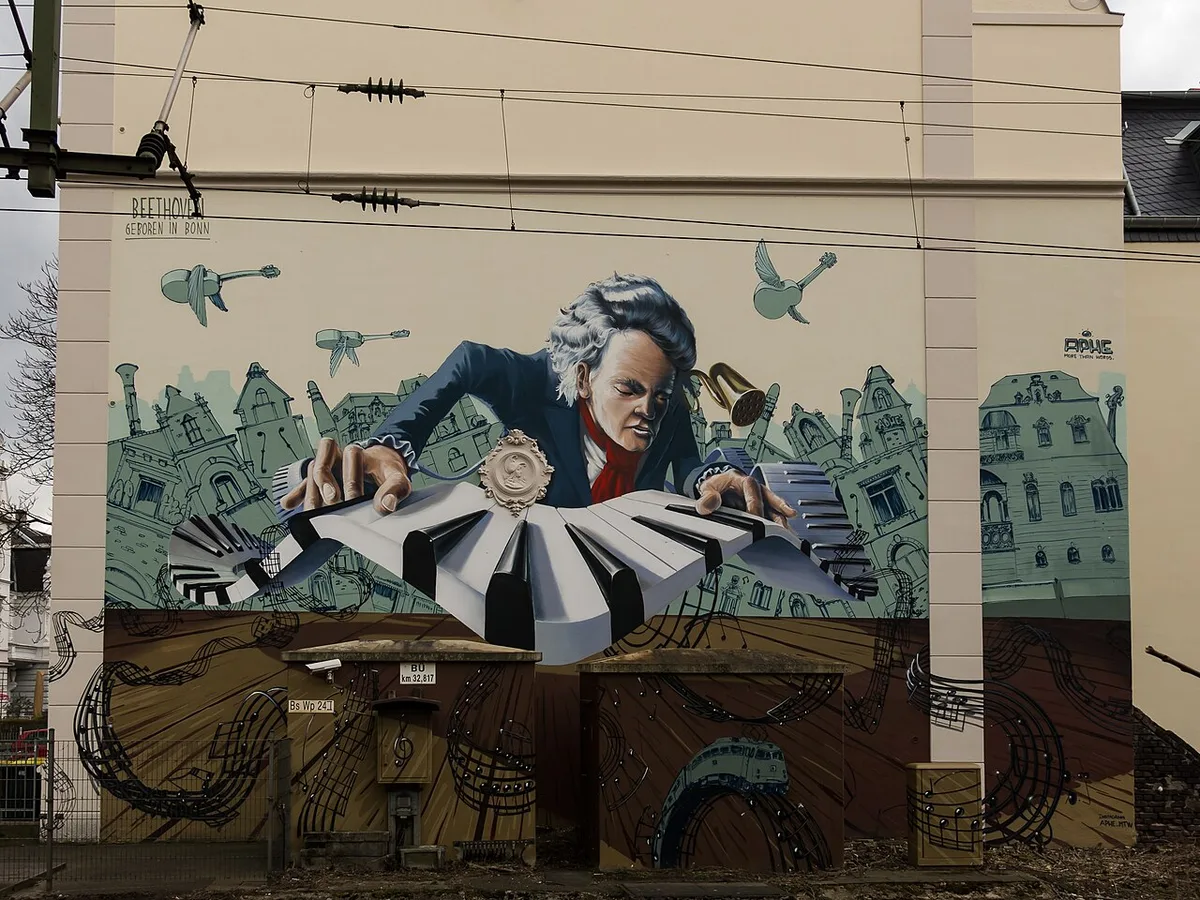
A reworked permanent exhibition opened at the birthplace in December 2019, adding a vault for manuscripts, a music room for performances on historic keyboards, and a dedicated area for temporary exhibitions. Because the temporary area rotates, the special show you see will differ from what earlier visitors saw, so treat the permanent display as the fixed core.
Outside the house proper, the museum includes a treasure chamber holding a changing selection of original Beethoven manuscripts. The daylight-free room is designed to let the displays rotate so they illustrate his writing and working processes. The music chambers play music by Beethoven drawn from his original manuscripts, which can sound different from familiar modern recordings.
Collection Highlights Worth Knowing Before You Go
The Beethoven-Haus holds the largest and most diverse Beethoven collection worldwide, and a selection of particularly impressive objects is on display rather than the full holdings. Named highlights include the organ console at which Beethoven made music as a child, his desk, the fortepiano he last owned in Vienna, and the ear trumpets made especially for him, alongside numerous music manuscripts, letters and portraits.
Expectation-setting matters here. Original manuscript pages communicate relatively little to visitors who do not read sheet music, so the instruments, the personal objects and the audio material tend to carry the experience for non-musicians. If you do read notation, the manuscript vault and the changing selections in the treasure chamber are the parts to slow down for.
How the Visit Physically Works
The house is exactly that: a house, not a large modern museum, and the rooms are spread over three floors inside what was the Beethoven family home. That domestic scale is part of the appeal, but it also means tighter circulation and less room to gather around popular objects at busy moments.
The Beethoven-Haus uses three addresses closely grouped on and around Bonngasse: Bonngasse 20 is the actual birthplace, Bonngasse 21 across the street is the ticket office and museum shop, and Bonngasse 24-26 is a further Beethoven-Haus address. When you first look at the website, which is which is not immediately obvious, so confirm where you pay and where you start before you set out.
Guided Tours and Educational Programmes
The museum offers guided tours through Beethoven's birthplace and its exhibitions, and the operator states that the tour takes about one hour. That figure describes the guided format, not an official standard visit duration, so it should not be read as a rule for self-guided visitors. Details and prices for tours are published separately from general admission.
Children are particularly welcome, and the museum provides activities and special tours for children, families and pupils. For adults there are themed tours, concerts and readings, and for people with special needs the museum creates individual programmes alongside its bookable offers. If you are planning a family visit, the educational programme is worth checking before you decide how to structure the day.
Multimedia Guides and Special-Needs Options
For self-guided visits, the museum offers multimedia guides in easy language, for visually impaired and blind visitors, and in German sign language. The operator states that the devices are handed out at the cash desk subject to availability, that booking is recommended, and that they are free of charge. In practice that means early arrival improves your chances and a device cannot be assumed.
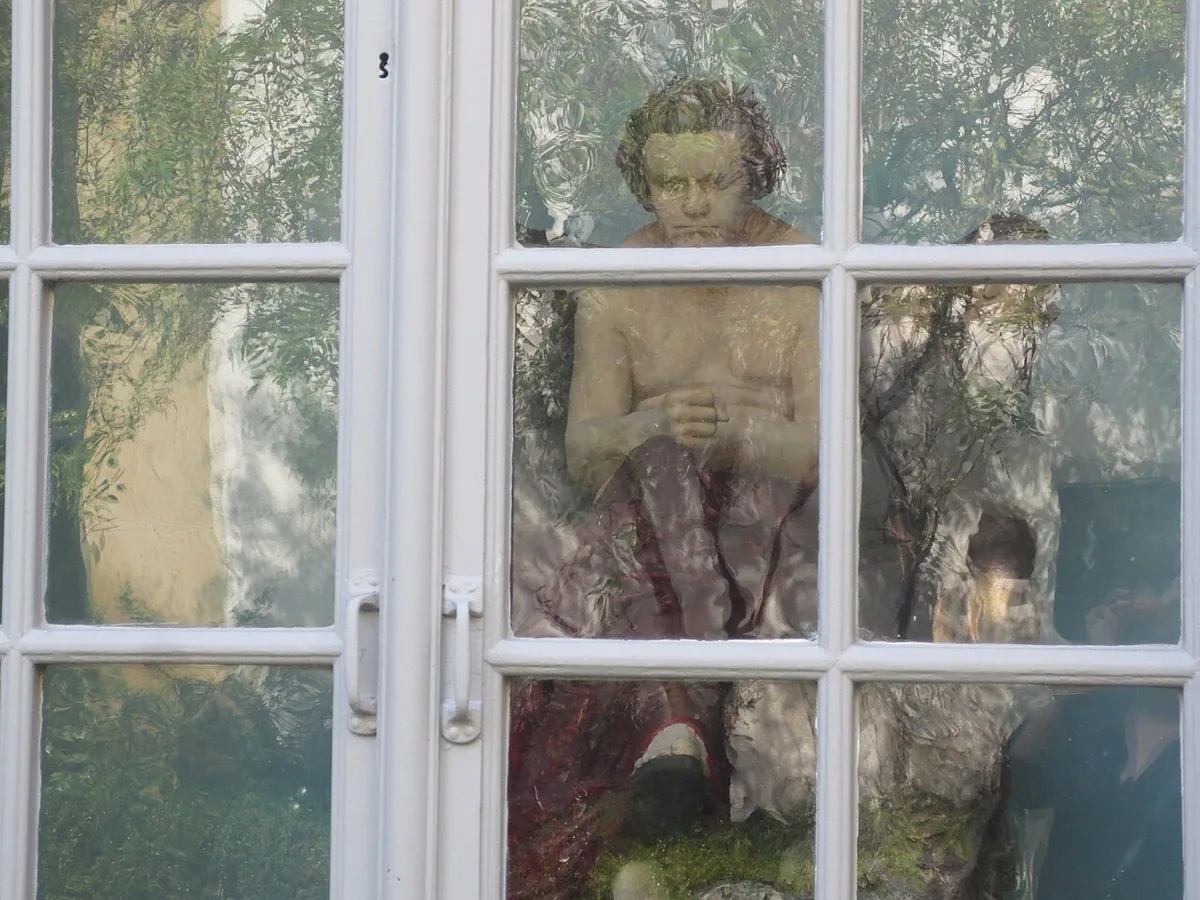
Bookable guided tours for specific needs follow fixed formats. The German-learner tour runs 45 to 60 minutes, the easy-language tour also runs 45 to 60 minutes, the tour for visually impaired and blind visitors runs 60 to 90 minutes by arrangement, and the tour for visitors with impaired hearing runs 60 to 90 minutes by arrangement. Each of those formats costs 80 euros plus museum admission, and the cost is per group rather than per person.
For visitors with impaired hearing, the museum asks you to bring a sign language interpreter with you rather than providing one, which is a real task to arrange before travelling. There are also activities for visitors with dementia-related limitations, built around everyday objects, music recordings, singing and dancing, with relatives and carers welcome to take part and a programme, duration and cost set by arrangement through the museum office.
How Long to Allow, and What Adds Time
As an editorial suggestion rather than an official figure, allow roughly 60 to 90 minutes inside the museum. The low end suits a fast walk-through of the three floors without audio or extended reading; the high end suits anyone using a multimedia guide, engaging with the manuscript material and spending time in the music room. An attendant at the entrance told one visitor the visit would take about 90 minutes, and that visitor completed it in just over 60 minutes after skipping some audio content.
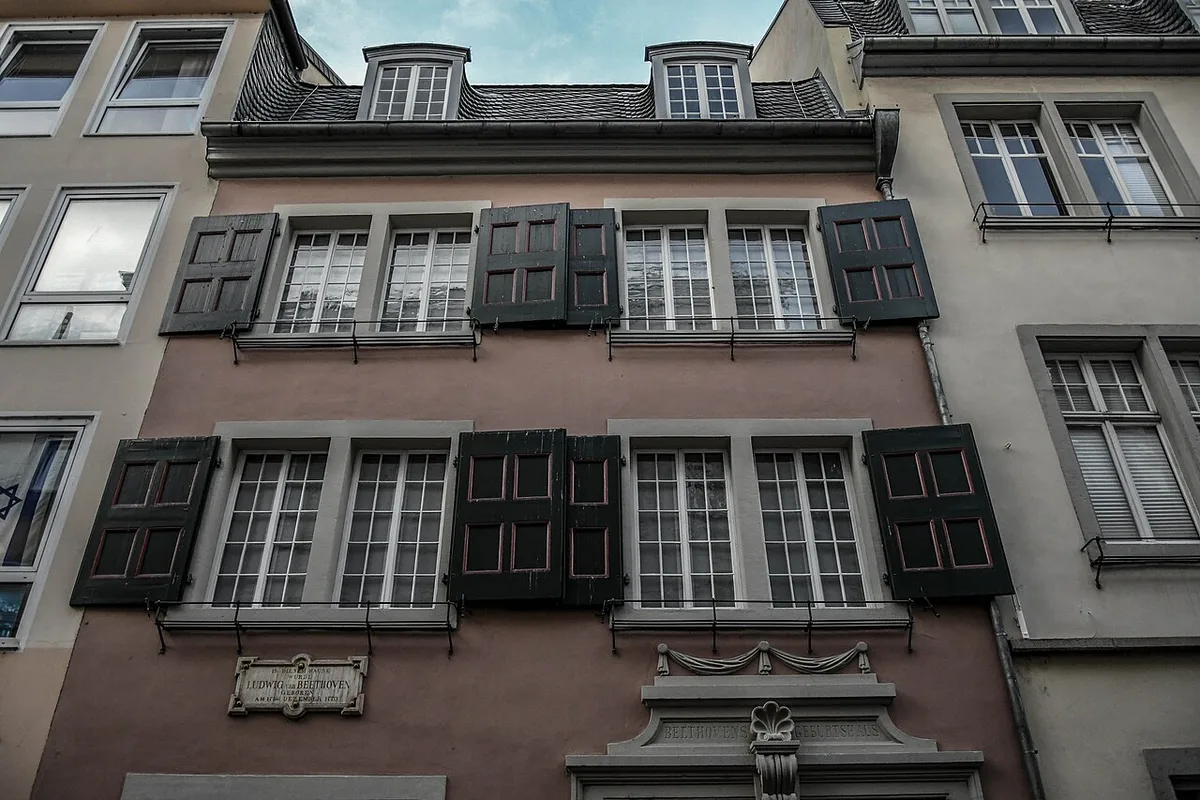
Several variables push the visit longer: a temporary exhibition you genuinely engage with, a guided tour added on top of self-guided time in the rooms, a concert in the chamber music hall, or simply a busy house where movement between floors slows down. The ticket office and shop sit across the street, so add a few minutes for that transition rather than assuming you enter where you pay.
The Self-Guided Audio Route
The Beethoven-Haus Bonn app serves as an audio guide in several languages and includes some music excerpts. Because not everyone brings ear pods or headphones, the rooms can fill with overlapping languages and sounds, which is worth knowing if you are sensitive to noise or planning to concentrate on quiet manuscript displays.
If you use the app, bringing your own earbuds is a small decision that noticeably improves both your own experience and that of people around you. If you would rather not use your phone, the free multimedia guides at the cash desk cover easy language, visually impaired and blind visitors, and German sign language, with booking recommended.
Who This Museum Suits, and Who It Does Not
Honest expectation-setting helps here. This is a house museum, not a blockbuster exhibition, so anyone expecting sweeping galleries and immersive technology will leave underwhelmed. Visitors who do not read music take less from the manuscript displays than the collection's billing suggests, and travellers with limited interest in classical music may find a single hour sufficient.
It remains Bonn's main attraction and one of the most frequently visited musicians' museums in the world, so the fit is less about quality and more about what you want from it. If you want the objects and the rooms, the birth house delivers; if you want a wide-ranging historical survey, pair it with a city-level look at other Bonn sights rather than expecting this one house to cover everything.
Pairing the Birthplace With the Rest of Bonn
Because the museum is small, combining it with one other substantive stop works better than trying to fit in three. Beethoven left Bonn for Vienna as a young man, so the city's musical claim rests on his early life and the surviving buildings rather than on later career landmarks. A Beethoven-focused morning plus one further museum or a walk through the old centre is a realistic rhythm for most visitors.
If a second museum stop appeals, the Kunstmuseum Bonn on the Museumsmeile covers modern and contemporary German art and makes a strong contrast to an 18th-century townhouse. Contemporary art and its heavyweight collection reward advance planning, so check that attraction's own arrangements before you commit to a slot. Build the day around the birthplace as the anchor and let the second stop flex around it.
If you would rather split your time between the birthplace and a concert venue, the Beethovenhalle Bonn concerts and tours page is the natural companion surface, since it covers the city's other major Beethoven-associated building. Keep each page to its own subject: this one is the birthplace museum, that one is the concert hall.
Before You Travel: What to Verify
Current opening hours and admission prices are published on the operator's own pages and should be checked shortly before you go. Do not rely on secondary summaries for those details, because they change and older write-ups carry stale figures. The same applies to whether general admission needs advance booking and to any rules for specific tour formats.
For a fuller set of city-wide options, the Bonn landmark guides cover the major sights and their individual quirks. If you are still deciding where the birthplace fits in a longer stay, the Bonn itineraries and city guides break the city into day-sized pieces. Choose your route there, then return to the museum's own pages for the specifics of this single address.
Plan Your Visit
Beethoven's birthplace rewards a modest, well-timed visit rather than a rushed one squeezed between other appointments. Decide in advance whether you want a guided tour, a free multimedia guide or a plain walk-through, because that single choice determines both your pacing and how much of the collection actually lands. Give the house 60 to 90 minutes as an editorial starting estimate and adjust from there.
Because hours, prices and booking rules change and are published by the operator, verify them shortly before you go. Then treat the rest as flexible: the house is small, the city centre is walkable, and the unhurried version of this visit is usually the one that works.
Frequently Asked Questions
What can you see inside Beethoven's birthplace in Bonn?
The museum occupies three floors of the historic townhouse at Bonngasse 20. The permanent exhibition covers Beethoven's roots in Bonn, his everyday working life, his social network of friends and patrons, and his deafness, with one room devoted to his work. Named objects on display include the organ console he played as a child, his desk, the ear trumpets made especially for him, and the fortepiano he last owned in Vienna, alongside music manuscripts, letters and portraits. A treasure chamber shows a changing selection of original manuscripts, and there is a dedicated area for temporary exhibitions.
How long should a self-guided visit to the Beethoven-Haus take?
There is no official standard visit duration. As an editorial suggestion, allow roughly 60 to 90 minutes inside, with the lower end for a quick walk-through and the upper end for using an audio guide and reading the panels. The operator states that its guided tours take about one hour, and its special-needs tour formats run 45 to 60 minutes or 60 to 90 minutes depending on the format. Add extra time for a temporary exhibition, the shop across the street, or a concert.
Is there a multimedia guide, and does it cost extra?
Yes. The museum offers multimedia guides in easy language, for visually impaired and blind visitors, and in German sign language. According to the operator, the devices are handed out at the cash desk subject to availability, booking is recommended, and the guides are free of charge. The Beethoven-Haus Bonn app also works as an audio guide in several languages with some music included, which you can use on your own phone.
Are there guided tours for visitors with special needs?
Yes. The museum offers bookable guided tours including one for learners of German, one in easy language, one for visually impaired and blind visitors with haptic and tactile elements, and one for visitors with impaired hearing. The first two run 45 to 60 minutes; the latter two run 60 to 90 minutes by arrangement. These formats carry a separate group fee in addition to museum admission, and bookings go through the museum office or a registration form. For visitors with impaired hearing, the museum asks you to bring your own sign language interpreter.
What should I check before travelling to the Beethoven-Haus?
Verify current opening hours, admission prices and any booking requirements on the museum's own website shortly before your visit, since those details change and secondary write-ups are often out of date. Do not assume that one ticket covers every part of the wider Beethoven-Haus complex, such as concerts or library use. If you need step-free routes, lift access or other accessibility arrangements, contact the museum directly rather than relying on general descriptions, because the historic house has its own constraints.


