

Rothenburg ob der Tauber is compact enough to cross on foot, but two days and one night is a reasonable allowance for the main town sights without rushing, according to one traveller who stayed two nights and found the extra time went on country walks and meals. Treat that as a suggested shape, not an official duration. A second day also lets you put the wall circuit in the quiet hours and give the Tauber valley a proper half-day rather than an afterthought.
Almost everything in the old town sits inside a ring of wall and towers, with the Marktplatz and Rathaus at the centre, the Plönlein and Spital quarter to the south, and the Burgtor opening west toward the castle gardens. The official tourism service presents Rothenburg as one of Germany's most beautiful medieval towns, a highlight of the Romantic Road, and lists the Plönlein, the walkable town wall, the Marktplatz, St. Jakobskirche and the Burgtor among its headline sights.
Why Two Days, Not One
The extra day buys three things: a museum without rushing, the wall walk in its quiet hours, and the countryside below the town. Day-trippers typically arrive mid-morning and leave mid-afternoon, so early morning and evening belong to people staying overnight. If you only have one day, a single-day circuit makes more sense than stretching this plan.
One account of a two-night stay describes two days and one night as sufficient for the main sights, with surplus time going to walks and restaurants. If you want the valley, a monastery and a slower pace, the three-day version stretches the same components further.
Orientation: Walls, Marktplatz, Plönlein and the Burgtor
Picture the old town as a rough oval inside a ring of wall and towers, with the Marktplatz and Rathaus at the centre, the Plönlein and Spital quarter to the south, and the Burgtor leading west toward the castle gardens and the drop into the Tauber valley. The tourism service names the town wall as walkable and the Burgtor among the defining sights, which is a good anchor for a first wander.
Before you commit to a schedule, walk the old town without a target for half an hour. A self-guided route through the squares and gates covers the Marktplatz, Markusturm and the main gateways in a logical order, which makes the next two days much easier to navigate.
Day 1 Morning: Squares and Towers Before the Coaches
Start at the Marktplatz with the Rathaus, whose Renaissance facade and grand external staircase face the square, then thread south toward the Plönlein. The Plönlein is the postcard corner: a crooked timber-framed house squeezed between two wall towers with a fountain in front. One travel blog describes it as the town's most photographed sight, standing at the entrance to the Spital quarter, and says it is thought to have inspired the look of a classic animated film rather than appearing in one.
The same blog warns that visitors coming only for the day should expect crowds, which is the practical argument for doing this stretch first thing. Aim to reach the Plönlein before the inbound tour traffic builds, then loop back through the Markusturm area on your way to the centre.
Day 1 Midday: Pick One Museum, Not Both
Rothenburg has two headline museums that pull in different moods: the Medieval Crime and Justice Museum, which covers law, punishment and the machinery of both, and the Käthe Wohlfahrt Christmas Museum, which is decorative and festive. Doing both on a two-day trip usually means giving up the valley walk, so treat it as a genuine either-or. Pick the crime museum if you want substance and context, and the Christmas museum if you want atmosphere and a short indoor stop.
The figures commonly quoted for these museums come from visitor write-ups rather than current operator pages. One blogger reports adult tickets at eight euros for the crime museum, with longer opening hours from April to October, and roughly four euros for the Christmas museum, which that account describes as open 360 days a year. Check the official Rothenburg tourism site or contact each museum directly before relying on those numbers or hours, because they change.
Day 1 Afternoon: St. Jakobskirche and the Town Hall Tower
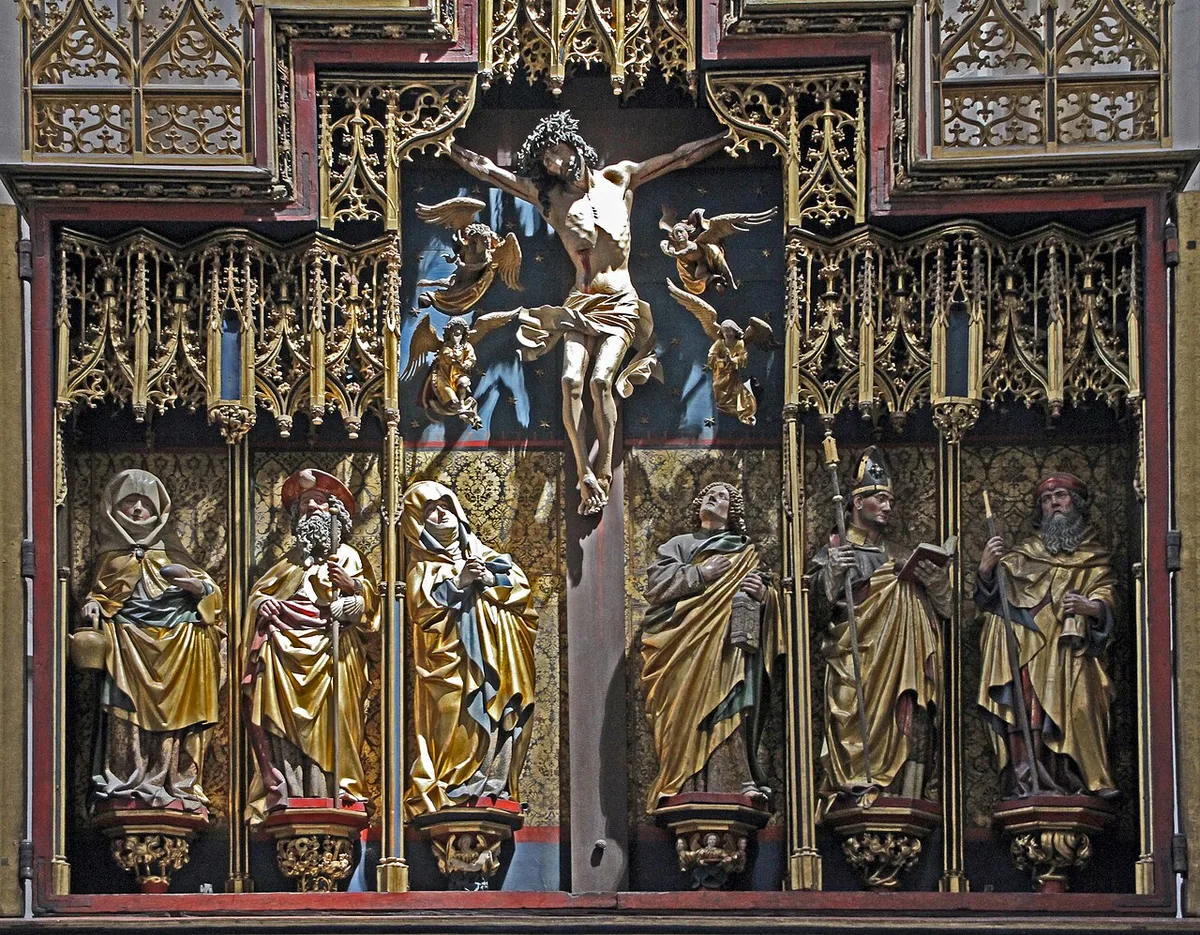
St. Jakobskirche is the town's main church and lies on the pilgrim route to Santiago de Compostela, with a carved altar by Tilman Riemenschneider inside. Treat it as a working church rather than a sight: keep voices low and bags off the pews. One visitor account mentions a small entry charge that came with a postcard, but confirm the current arrangement at the door or through the tourism service rather than budgeting from an old figure.
The Town Hall Tower is the big view-versus-effort decision of the trip. Blogger accounts describe a long, narrow climb to an open platform with panoramas over the Marktplatz, St. James and the valley, and one quotes a step count and a small fee, both of which should be treated as historical rather than current. Skip it if you dislike confined stairwells, are carrying a large bag, or plan to climb the Röder Tower the next day anyway.
Day 1 Evening: The Night Watchman as Your Anchor
The Night Watchman walk is the classic evening activity: a costumed guide leads a group through the darkened streets telling stories about medieval life, the Thirty Years' War and the twentieth century. Accounts say it meets in the evening at the Marktplatz in front of the Town Hall and that payment is made in cash at the end rather than in advance. It is not normally a ticketed attraction you book months ahead, so build the evening around it rather than the other way round.
Language and frequency are where the sources diverge, so verify locally. One blogger says the tour is held nightly and in English, while another states English-language departures were limited to Fridays and Saturdays at the time of writing, with prices quoted around eight to nine euros per adult. Confirm the current schedule and language before planning your evening; the tourism service or your accommodation are the fastest ways to check.
Day 2 Morning: Walk the Free Wall Circuit
Rothenburg's Tower Trail is unusual because you walk along the covered parapet rather than just beside it. There is no admission charge for the wall and the walk is self-guided, with several towers and gates giving you entry and exit points. Because you choose where to get on and off, you can walk a short stretch, drop into a cafe, and rejoin later.
Visit early or late: the parapet narrows in places, and one blogger notes that two people passing with daypacks can be awkward, so quiet hours matter. The same account puts the full circuit at roughly four kilometres and two to three hours with breaks and photo stops, and mentions a charge for an optional printed brochure at the tourist information office. Plan your exit tower in advance so you are not deciding mid-parapet.
Day 2 Midday: Röder Tower and the Burggarten Platforms
The Röder Tower is the second climbing option and the one often recommended for the best view. Blogger reports describe a small fee of about two euros and small windows on several sides framing streets, rooftops and the church, but treat both the fee and the access details as historical and reconfirm on site. It pairs naturally with the wall circuit, since the tower sits on the line of the old defences.
The Burggarten is the free alternative, and arguably the better deal. Walk through the Burgtor gate to reach the garden, which has no castle left inside it because the original fortress was destroyed long ago, and several observation platforms overlooking the Tauber valley. Looking north you see the Detwang district; looking south, the vineyards and the double bridge area. There is no ticket and no stair climb.
Day 2 Afternoon: Valley Walk to Detwang and Toppler Castle
From the castle gardens a path drops into the Tauber valley; one blogger describes taking the trail that leaves from the left side of the gardens and winds down a steep hill to the river. Along the way you pass Toppler Castle, which reads as a small house perched on a stone base and was home to a fifteenth-century mayor, and you can continue along the river. This is where the Tauber valley walk really begins, and it is worth reading before you go so you know the climbs involved.
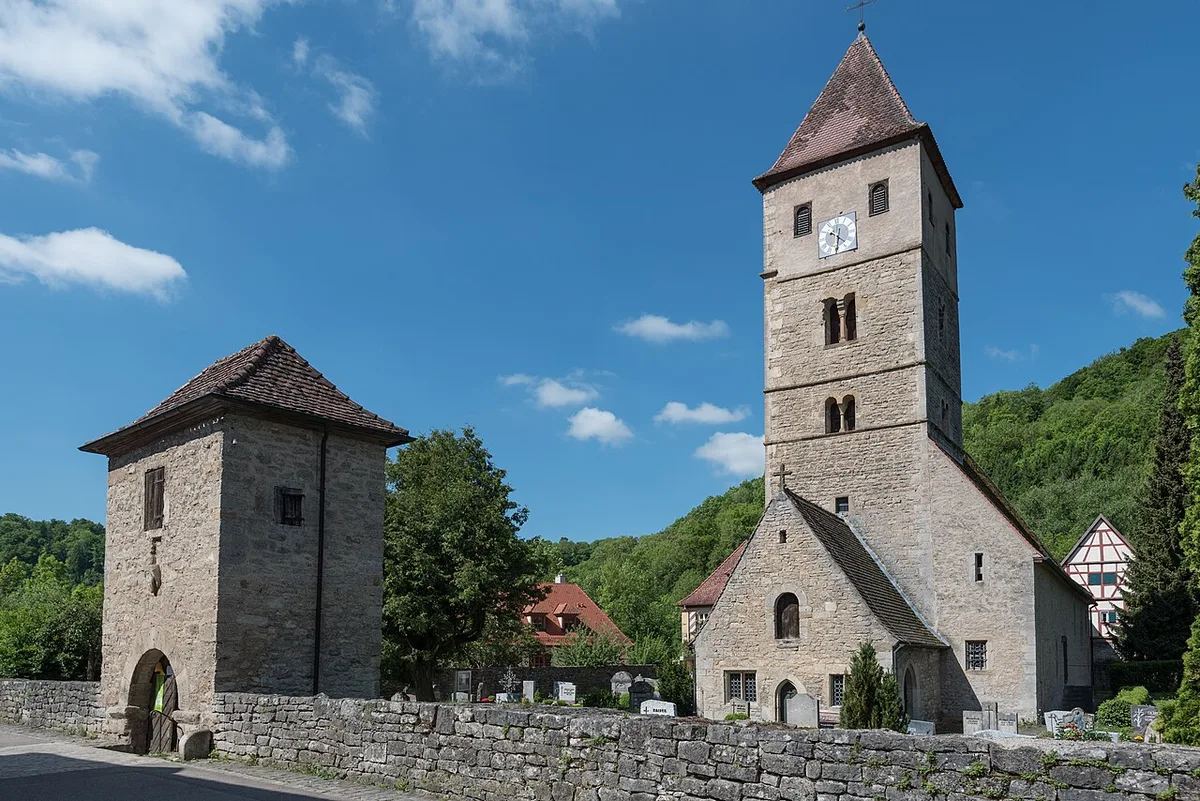
Detwang sits a short way downstream, and its church, St. Peter and Paul, holds a carved altarpiece by Tilman Riemenschneider. Blogger guidance puts the walk from the castle gardens to the church at around twenty minutes and describes the round trip including the visit as an hour or two. Church opening hours are not fixed publicly, so if the interior matters to you, contact the parish before you set off.
Free Versus Paid: What the Two Days Actually Cost
The genuinely free layer of Rothenburg is generous: the streets and Marktplatz, the Plönlein, the covered wall circuit and the Burggarten with its valley viewpoints cost nothing to enter. Everything ticketed is an interior or a climb, including the churches, the museums and the towers, plus any guided walk you choose. Plan your budget around how many interiors you want rather than around entry to the town itself.
Because published prices age quickly, check each ticketed stop on its own page or through the tourism service before you commit. The Rothenburg ob der Tauber landmark guides collect the individual attractions so you can compare what each interior includes, which matters when two museums sit close together and look similar from the street.
Where to Sleep and How It Shapes the Two Days
Staying inside the walls changes the trip more than any single attraction. A blogger who stayed in the old town describes being able to pop back to the hotel to rest or charge a phone without losing time, which effectively extends your usable day at both ends. Staying outside the walls usually means cheaper rooms and easier parking, but it costs you the early-morning and late-evening versions of the town, which are the best ones.
Parking inside the old town is limited and paid during the day at busy times, so if you are driving, consider leaving the car outside the walls and walking in. Two nights is the natural fit for this itinerary; one night works if you accept a compressed second morning and skip the valley. Book early for autumn weekends and December, when demand and the town's event calendar overlap.
Weather, Season and Crowd Logic
The official calendar shows a dense autumn and winter programme, including a Christmas market from late November and a historical festival play performed at various points in the year. Use Rothenburg's official events list to confirm dates rather than relying on a general guide, because a festival weekend changes accommodation availability and how the squares feel. Outside the Christmas market period, late autumn and spring are calmer and easier for the wall walk.
Summer afternoons are hot on the parapet, which has little shade, so walk the wall in the morning and keep the valley for the cooler hours, where there is shade along the river. Winter shortens daylight sharply, so the wall circuit and any tower climb need to happen before mid-afternoon. Rain is common enough that the museums and churches are worth holding in reserve as wet-weather substitutes rather than fixed slots.
Suggested Two-Day Schedule at a Glance
Day one: Marktplatz and Rathaus first thing, Plönlein and the Spital quarter before the coaches, one museum at midday, St. Jakobskirche in the afternoon, the Town Hall Tower if the stairs suit you, and the Night Watchman walk in the evening after confirming that day's language. Day two: the wall circuit early, Röder Tower and the Burggarten platforms late morning, then lunch before the valley walk down to Toppler Castle and on to Detwang. Treat the order as a suggestion and swap days if weather forces it.
Build in slack rather than stacking attractions: the wall walk alone can absorb two to three hours, and church or museum closures can shift a whole afternoon. If you are arriving by train, note that Rothenburg has its own station and the old town is a walk or a short bus ride away, and check you have the right Rothenburg when booking, as several German towns share the name. Confirm schedules, prices and opening times with the tourism service or the individual sites in the days before you travel.
Plan Your Visit
Two days in Rothenburg works because the town rewards a second pass: one day for the squares, one museum and a tower, and one for the wall and the valley below it. Keep the free spaces as your backbone and decide on the paid interiors based on your interests rather than a list. Overnight stays, not extra attractions, are what separate a hurried visit from a satisfying one.
Before you go, confirm opening times, ticket prices, tower access and any guided tour language directly with the tourism service or the venue, since most of the widely circulated figures come from older visitor accounts. Then read the fuller city guides for Rothenburg ob der Tauber to match this two-day plan to your season and travel style.
Frequently Asked Questions
Is two days enough for Rothenburg ob der Tauber?
Two days and one night is a reasonable allowance for the main town sights and one museum without rushing, as one traveller account of a two-night stay notes, and a second night adds the wall walk in quiet hours plus the Tauber valley. The town is compact enough to cross on foot, so the limit is your time and energy rather than distance. With only one day, prioritise the Marktplatz, Plönlein and a stretch of the wall.
Can you see Rothenburg ob der Tauber as a day trip instead?
Yes, and many people do, but you will share the squares with day-trip traffic and lose the quiet early and late hours. A day trip works if you accept skipping the valley walk and limiting yourself to one paid interior. Staying overnight is the simplest way to make the extra hours count.
Which museum should you pick: the Medieval Crime and Justice Museum or the Christmas Museum?
Choose the Medieval Crime and Justice Museum if you want historical substance about law, punishment and everyday medieval life, and the Käthe Wohlfahrt Christmas Museum if you want a short, decorative stop centred on festive traditions. Doing both usually costs you the valley walk, so decide based on which mood you want. Check current opening times and admission with each museum before you go, as published figures vary between sources.
Is the city wall walk in Rothenburg free?
Yes. The covered wall circuit, known as the Tower Trail, is free to walk and self-guided, with several points where you can step on or off. Sections narrow to roughly single-file width, so walk early or late when crowds are lighter. There may be a small charge for an optional printed brochure at the tourist information office.
Is the Night Watchman tour always in English?
This is the detail most worth verifying. Some accounts describe a nightly departure in English, while another states English-language tours were limited to certain days of the week, so the schedule clearly changes. Ask at the tourist information office or your accommodation for the current language days and meeting point before planning your evening around it.
How long does the walk from Rothenburg to Detwang take?
The descent from the castle gardens into the valley and on to Detwang's church is commonly described as around twenty minutes of walking, with the round trip including a look inside taking an hour or two. The path drops steeply, so allow for the climb back up. Church opening hours are not consistently published, so contact the parish in advance if you want to see the interior.


