

The German Christmas Museum sits inside a Käthe Wohlfahrt shop on Herrngasse, a short walk from Marktplatz in the old town of Rothenburg ob der Tauber. Treat it as a compact, ticketed stop embedded in a busy year-round retail space rather than as a museum you build a day around. Because operator pages publish the shop and collection but not a current admission figure or opening schedule, the honest answer to "is it worth it" depends on what you want from a Christmas decoration collection.
Three things get merged in most visitor accounts and they should be kept separate. The shop floor is free to walk into and browse, the German Christmas Museum is a separately ticketed display inside the premises, and the December market outside is a city event with its own dates. The city tourism service lists the German Christmas Museum among its top ten sights in town, which confirms it is treated as a genuine attraction rather than mere shop dressing.
Where the Christmas Museum Sits in the Old Town
Herrngasse runs between Marktplatz and the lanes around the old town's northern edge, which makes the museum easy to fold into a walk through the centre. A visitor account of the shop places the two Käthe Wohlfahrt shops on Herrngasse just a few steps from Marktplatz and the Christmas market, with the German Christmas Museum inside one of them, so when you find the shops you have found the museum. That proximity is the practical point: you do not need a separate trip, you need a slot in an existing wander.
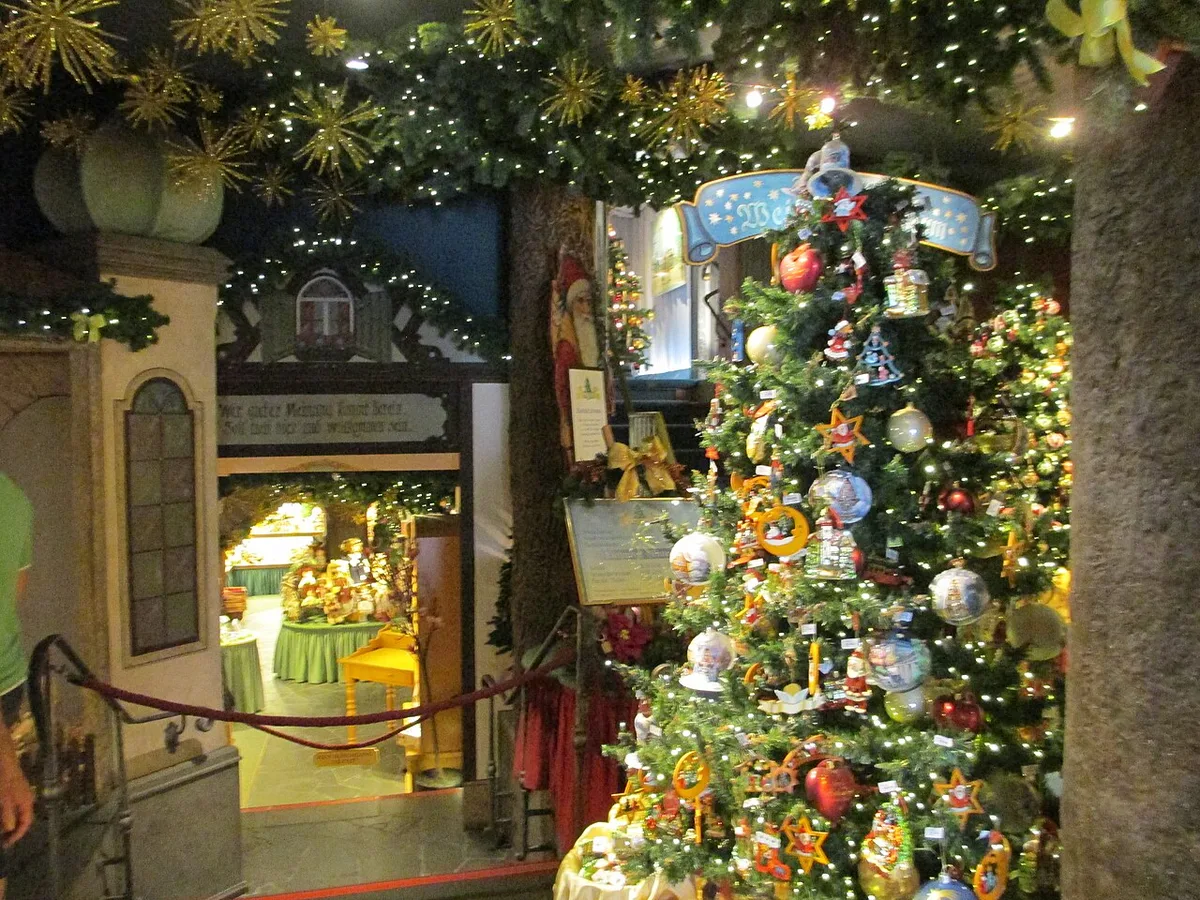
Because the shop sits on a working retail lane, foot traffic on Herrngasse is the variable that shapes the visit most. In December the lane absorbs overflow from the market stalls, and the same visitor account describes the Käthe Wohlfahrt shops as extremely busy, even busier than the Christmas market while they were there. If you want to look at displays without navigating a crowd, a weekday morning outside the Advent season is the calmer choice.
The museum belongs to a town with several distinct collections, and it is worth knowing which is which before you commit an afternoon. The city museum occupies a former Dominican convent and covers eight centuries of local history, while a separate museum in town deals with medieval law and punishment. RothenburgMuseum opening hours are published as April to October daily 10am to 6pm, November to December daily 10am to 4pm, and January to March daily 2pm to 5pm, with December 24 and 31 closed, so its schedule differs from the Christmas Museum's.
What the Christmas Museum Actually Shows
The collection is built around historic Christmas decorations and the craft traditions behind them rather than around spectacle. Expect the story of German ornament making, with the Erzgebirge region's woodcraft heritage as the through-line — the same tradition that produced nutcrackers, pyramids, incense smokers and carved wooden figures. This is why the museum can operate year-round: the subject is the objects and their history, not a seasonal display.
The wider company's own retail range shows how broad that craft catalogue is, from mouth-blown glass tree ornaments to hand-painted wooden figures, incense smokers, cuckoo clocks and Erzgebirge folk art. Seeing the museum first and the shop second is the more useful order, because the display explains why a carved smoker or a hand-painted pyramid costs what it does. A third-party retail description puts the indoor Christmas village at roughly 1,000 square metres; that figure describes the retail space and should not be read as the museum's own size.
Visitors who have written about the shop describe it as extremely busy, busier at times than the market itself, with ornaments, pyramids and cuckoo clocks the headline categories. That is a fair warning: the environment is retail, with lighting, music and shoppers around you. If your interest is quiet contemplation of antique objects, set your expectations accordingly and go early rather than during a December weekend.
Shop or Museum: Why One Ticket Does Not Cover Both
Walking into the Käthe Wohlfahrt shop costs nothing and requires no planning; walking into the German Christmas Museum is a separate transaction. Nothing published indicates that a museum ticket is bundled with shop entry, or with any other Rothenburg museum ticket, so do not assume a combined pass exists. Budget for two separate ideas: free browsing, paid display.
Because no current admission figure or opening schedule is published in the sources available here, the museum's price and hours must be confirmed with the operator before you travel. Check the company site and ask at the shop counter on arrival rather than relying on older visitor posts, which may quote figures that no longer apply. If the entrance fee matters to your budget, verify it the same week you visit.
The same caution applies to provisions that travel writers sometimes state loosely, such as step-free access, group or private bookings, and closure days around the holidays. None of that is confirmed for this museum, so ask directly if any of those conditions affect your plans. It is a five-minute question at the door that avoids a wasted trip.
What the Christmas Village Sells Beyond the Museum
The shop is the reason many people come, and it is a serious retail destination rather than a souvenir kiosk. Its range runs through glass ornaments, wooden tree decorations, nutcrackers, Christmas pyramids, incense smokers and cuckoo clocks, with limited-edition series released each season. Prices are printed on the products themselves, so you can judge the budget in the room rather than from a guide.
The company's own history adds context that the displays alone do not: its Rothenburg Christmas workshop has been developing and designing ornaments by hand since 1991. That anniversary framing is company history, not a claim about the museum's collection, but it explains why the shop treats design as a craft rather than a buying exercise. If you care about how an ornament is made, the shop floor is where that becomes visible.
Practical handling matters here more than at most shops, because glass and carved wood travel badly in a suitcase. Ask about packing before you buy, and factor the extra weight into your bag rather than discovering it at the airport. Buying small, flat wooden ornaments is the low-risk option if you are moving on by train the next day.
How Long to Allow and How to Slot It In
As a suggested figure rather than an official one, allow roughly 30 to 45 minutes for the museum and another 30 minutes in the shop if you like to browse. That keeps the whole stop under an hour and a half, which is the honest scale of the experience. Anyone planning a full afternoon here will run out of things to look at long before the afternoon does.
The natural pairing is the walk rather than another ticketed interior. From Herrngasse you can reach the wall circuit, and the covered walkway is described as free and open at all times, with about 2.5 km of roofed path from the Spital Gate to the Klingen Gate and a full loop of roughly 3.5 to 4 km. Doing the museum first and the walls after gives you an indoor stop followed by open views over the Tauber valley.
If you want one elevated view to finish on, the town hall tower is the traditional choice, though its opening pattern varies by season. One visitor account reports the tower as open January through November and not open in December, so confirm current access before planning a climb around it. A short visit to the museum plus a tower or wall walk makes a coherent half day; trying to add three more museums to the same morning makes none of them enjoyable.
Timing: Year-Round Museum Versus the December Market
The museum operates as a year-round Christmas destination, which means a spring or summer visit is entirely viable and the shop is calmer than in Advent. The December crowds outside are a separate matter caused by the city's market, not a condition of museum access. If you want the Christmas atmosphere without competing for pavement space, an off-season visit delivers the displays and skips the crush.
The city tourism service publishes the Reiterlesmarkt as running from 20 November to 23 December 2026, when stalls fill Marktplatz and spill into surrounding lanes. Those weeks change how busy Herrngasse feels and how long a short walk takes, so plan the museum for earlier in the day during that period. Outside those dates the market is simply not there, and the museum is unaffected.
One practical consequence of the market weeks is that photo stops near the museum become slow. Plönlein, the town's signature view, is described as very busy at midday and nearly empty in the early morning for overnight guests. If you are staying in town, use the first hour of the day for the museum and the famous corners, then let the day-trippers arrive.
Pairings in the Old Town
St. Jakob's Church is a short walk away and rewards anyone interested in late Gothic carving, with the Altar of the Holy Blood by Tilman Riemenschneider dated to 1501 to 1505 and the Twelve Apostles Altar completed in 1466. Those are genuine works rather than reproductions, and they give the day a second, more serious register after the shop floor. Check the church's own visitor information for entrance arrangements.
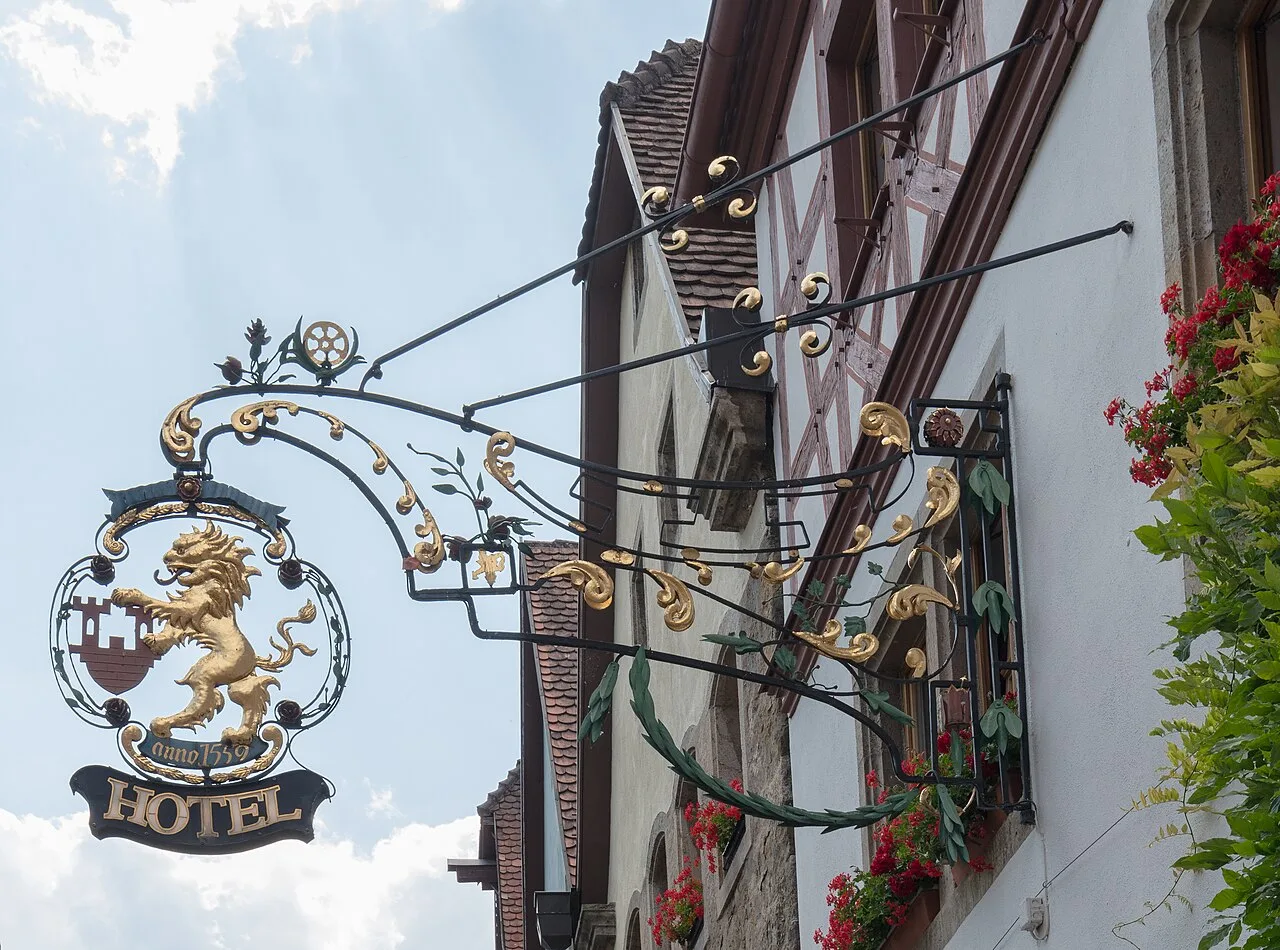
Rothenburg ob der Tauber as a whole rewards an unhurried wander, and a wider set of Rothenburg ob der Tauber itineraries and city guides is useful if you are deciding how many days the town deserves. The old town is compact and walkable, so the constraint is time and energy rather than distance. Two half-days usually beats one rushed circuit.
Wet weather is common in the region and it changes the plan more than most visitors expect. If the forecast turns, Rothenburg ob der Tauber on a rainy day is the better starting point for swapping outdoor stops for indoor ones. The Christmas Museum happens to be a good rainy-day stop for exactly the reason it frustrates some visitors: it is small, covered and central.
Before You Go: What to Verify
Confirm three things with the operator before you build the museum into a tight schedule: current admission, opening hours, and whether the display is open on the day you plan to visit. None of those is reliably published in a form that can be quoted here, and third-party listings go stale quickly. A quick check of the company site or a call to the shop settles it.
For everything else in town — market dates, event programmes and which sights are open — the city tourism service is the primary reference. It publishes the Reiterlesmarkt dates, event highlights and its own visitor opening hours by season. Use it for scheduling around the town and the operator for anything specific to the shop and museum.
Finally, decide in advance what would make the stop worthwhile for you. If you want a large, narrative museum, this is not that; if you want a focused look at German ornament traditions inside a famous shop, it fits neatly into an hour. Knowing which of the two you are after is the whole decision.
Plan Your Visit
The German Christmas Museum is best understood as one deliberate hour inside a larger Rothenburg day rather than a headline attraction in its own right. Go for the ornament and Erzgebirge craft story, accept that the setting is a busy shop, and pair it with the town walls or St. Jakob's Church so the stop has context.
Verify admission and hours with the operator before you travel, and check the city tourism service for the 20 November to 23 December 2026 Reiterlesmarkt dates if December crowds matter to your planning. Those two checks eliminate almost every uncertainty this visit involves.
Frequently Asked Questions
Is the German Christmas Museum inside the Käthe Wohlfahrt shop?
Yes. The museum sits inside a Käthe Wohlfahrt shop on Herrngasse, a few steps from Marktplatz in the old town. You do not need to find a separate building: you enter the shop and the museum is on the premises. The city tourism service lists it alongside its other top sights, which reflects that visitors treat it as a proper attraction rather than part of the retail floor.
Do you need a separate ticket for the museum and the shop?
The shop floor is free to walk into and browse, while the museum display is a separate, ticketed area. Nothing published indicates that a museum ticket includes shop entry or combines with any other Rothenburg museum ticket, so do not plan around a shared pass. Ask at the counter for the current arrangement before you queue.
Can you visit the Christmas Museum outside the Christmas market season?
Yes. The museum operates as a year-round Christmas destination, so a spring, summer or autumn visit works and the surrounding lanes are calmer than in Advent. The city's Reiterlesmarkt runs from 20 November to 23 December 2026 and changes crowd levels on Herrngasse, but it is not a condition of museum access. Off-season visits are the quieter option.
How long should you spend at the Käthe Wohlfahrt Christmas Village?
As a suggested figure rather than an official one, allow roughly 30 to 45 minutes for the museum and about 30 minutes for the shop. That keeps the whole stop under an hour and a half, which matches the scale of the collection. If you are serious about Christmas decorations, add more browsing time; if you are not, keep it short and move on to the walls or the church.
What can you buy at the Käthe Wohlfahrt shop in Rothenburg?
The range covers glass tree ornaments, wooden decorations, nutcrackers, Christmas pyramids, incense smokers, cuckoo clocks and Erzgebirge folk art, with limited-edition series released by season. The company's Rothenburg workshop has been designing ornaments by hand since 1991, so the shop leans on craft rather than generic souvenirs. Ask about packing before you buy, since glass and carved wood travel badly in a suitcase.
Is the German Christmas Museum worth visiting in Rothenburg ob der Tauber?
It is worth it if you want a focused look at historic Christmas decorations and German ornament-making traditions, and if you accept that the setting is a busy retail space rather than a quiet gallery. It is a poor fit if you expect a large museum with rooms to explore. Check the current admission figure and opening hours with the operator before committing.
Sources
- Käthe Wohlfahrt | Weihnachtsdeko vom Spezialisten
- Christmas in Rothenburg ob der Tauber, Germany: 2026 Market Dates
- Tourism Rothenburg ob der Tauber: Museums from Rothenburg ob der Tauber digital
- Altar of the Holy Blood | Reliquarian
- Tourism Rothenburg ob der Tauber: Tourism Rothenburg ob der Tauber
- Tourism Rothenburg ob der Tauber: RothenburgMuseum - the city museum in Rothenburg ob der Tauber
- Tourism Rothenburg ob der Tauber: Sights in Rothenburg ob der Tauber - Top 10 & Highlights
- Tourismus Rothenburg ob der Tauber: Tourismus Rothenburg ob der Tauber


