

Rostock sits on the Baltic coast, and the city's own visitor information describes a maritime climate with steady sea winds that produce fast weather changes and above-average sunshine hours. In other words, a wet afternoon is a normal part of a trip, not a ruined one. The practical question is not whether it will rain but which indoor stop fits the hours you have.
One concrete planning detail up front: as a suggested rather than official figure, one private tour operator describes a sightseeing time of one to two hours for St. Mary's Church, and a travel guide puts the botanical garden at roughly one and a half to three hours. Treat both as planning estimates. The two distinctions that do most of the work are separating free-to-enter sites from those with a ticketed interior, and treating the old town and Warnemünde as separate decisions.
Exact opening hours and admission charges change with the season and are not published consistently across sources, so this guide names the place to verify each one instead of quoting figures that may already be out of date. The city's own site also lists indoor options such as historical museums, maritime exhibitions and indoor pools when the weather turns.
Why Rostock weather turns quickly
The Baltic coast behaves differently from inland Germany: sea breezes keep winters mild and summers refreshingly cool, but they also push weather fronts through quickly, which is why a bright morning can turn into a wet afternoon without much warning. Rostock's tourism pages describe exactly this pattern, noting a maritime climate with a constant sea wind that brings rapid weather changes alongside more sunshine hours than the regional average. The useful takeaway is to plan indoor options in advance rather than improvising in the rain.
Because the old town is compact, a shower rarely strands you far from shelter, but cobbled streets around Neuer Markt and Kröpeliner Straße get slick underfoot, so flat shoes with grip matter more than an umbrella. Rain also changes what is worth doing outdoors: the harbor promenade and the beach at Warnemünde lose most of their appeal, while a church interior or a museum gains it.
For a general sense of how wet a given month tends to be rather than what tomorrow will bring, the World Meteorological Organization's weather service publishes official forecast and climate information supplied by national meteorological services, which is a more reliable reference than a holiday-week countdown. Check it before you commit to an outdoor-heavy plan.
How to judge indoor options before you go
Sort candidate stops into three groups. Free-to-enter sites let you walk in, look around and leave without a financial loss if the rain stops; ticketed interiors require a deliberate decision; and single-charge extras such as a tower climb or a special exhibition need their own justification. Mixing these categories is the fastest way to overspend on a wet day.
The second question is capacity: how long can the place hold you? A small local museum absorbs maybe an hour, a large church interior less if you move quickly and more if you sit, and a greenhouse visit is short but genuinely dry. Knowing this in advance stops you from arriving somewhere only to leave after twenty minutes still wet.
The third question is whether the site is a working institution rather than a museum. Churches in particular can restrict or suspend visiting during services and events, and St. Mary's Church states plainly that it is not a museum but the gathering place of a living congregation, with irregular restrictions announced on its own pages. Treat a church visit as something to confirm on the day, not to schedule tightly.
St. Mary's Church and its astronomical clock
St. Mary's Church, the Marienkirche, is the headline interior in the old town and the reason many visitors come at all: a large Brick Gothic space with an astronomical clock dating to the fifteenth century, which tour operators describe as still functioning. It sits beside Neuer Markt, so it is the natural first shelter when rain starts while you are in the center.
The church publishes a visitor information page with separate seasonal opening periods and several ticket categories, including reduced admission for students, Warnow-Pass holders, disabled visitors and benefit recipients, plus free admission for children and young people under eighteen. Those figures appear on the operator's own page without a stated validity date, so treat them as the organiser's published information and reconfirm before you rely on them.
Ticket scope matters here. Standard entry covers the church interior, while the summer guided tours, including a tower and vault tour, are listed as a surcharge on top of entry rather than included in it, and the church notes that most tours run in German only apart from the organ visit. If you want a tour, check the current schedule before travelling rather than assuming one will be running.
The church also states that it has no public toilets or restrooms, so plan that stop elsewhere, and that visiting is not possible during prayer and worship times. Access for wheelchairs and larger devices is possible through the entrance and via a ramp at the southern entrance, with staff help if an additional door needs to be opened.
Kulturhistorisches Museum in the Kloster zum Heiligen Kreuz
The Kulturhistorisches Museum is the strongest single answer to a full wet afternoon in the old town. It occupies the historic Kloster zum Heiligen Kreuz, a former Cistercian monastery, and its collections cover the city's art, culture and history across more than 160 years of museum tradition, with permanent displays on Rostock's development and rotating special exhibitions.
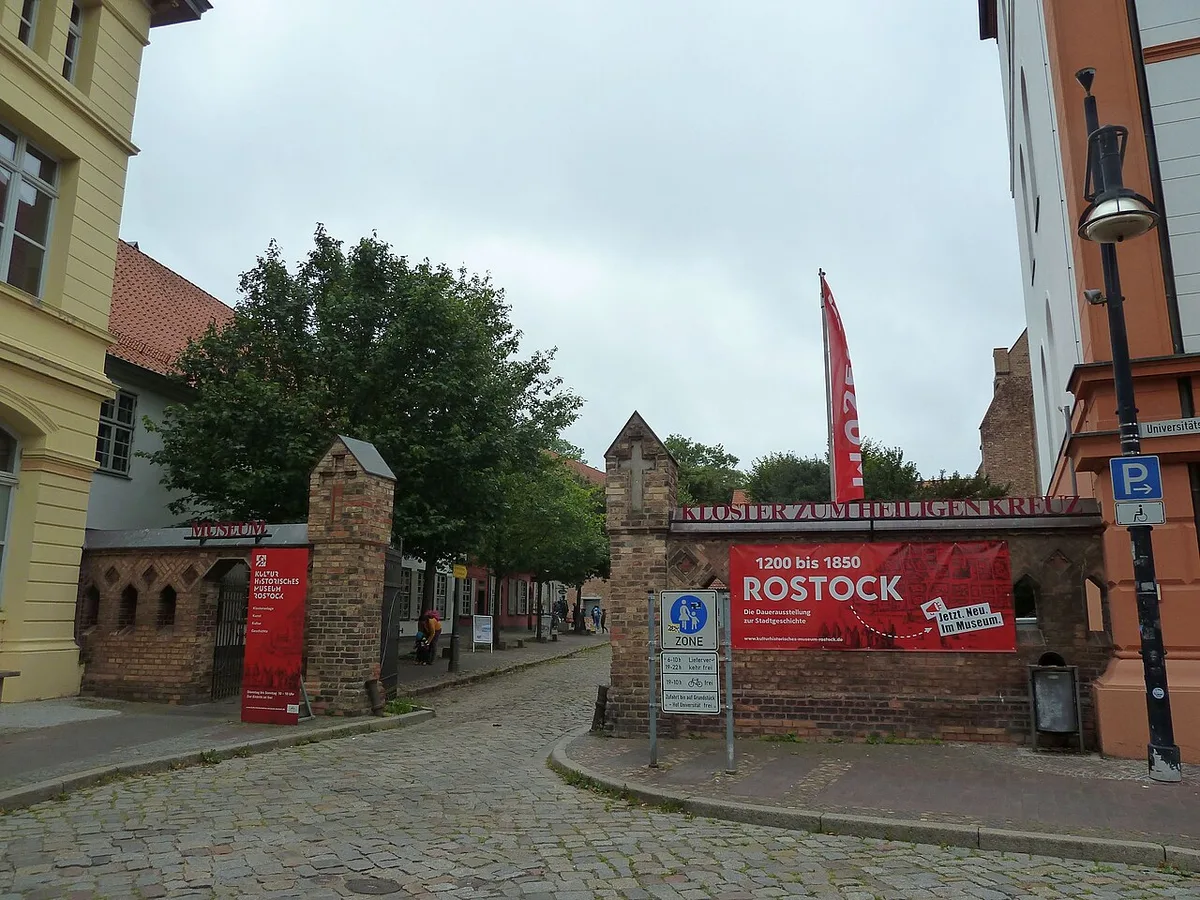
Its own website states that admission is free, which makes it the obvious fallback when the weather wipes out an outdoor plan and you do not want to commit money to a decision made in the rain. The same site lists opening hours as Tuesday to Sunday, so a wet Monday is a day to plan around the churches and greenhouses instead.
Do not assume a shared ticket across the city's cultural sites. Museum entry, church entry and any tower climb are separate, and a monastery building housing one museum says nothing about charges at other collections nearby. Build your wet-day budget site by site instead of looking for a combined pass. If you want a second indoor art stop, the Kunsthalle Rostock is a separate institution with its own arrangements.
St. Peter's Church and the tower decision
St. Peter's is the other major church interior in the centre, built in the North German Brick Gothic style in the fourteenth century and heavily damaged and rebuilt across its history, including the restoration of its spire in 1994. The tower carries an observation platform with views in all directions, which the church's own association presents as the main reason to climb.
That is precisely the trade-off on a wet day: the view is the point, and a rainy, low-cloud afternoon can erase it. If visibility is poor, treat the climb as a decision to postpone rather than a duty to complete, and use the time in the church interior or somewhere else entirely. The association's site also shows that the church hosts concerts and community events, so the space is not always available for casual visiting.
The association publishes its own opening and admission information and its own tower photography, which is more reliable for judging the view than third-party stock images.
Botanical Garden: outdoor grounds versus the greenhouses
The University of Rostock's Botanical Garden is really two decisions, and conflating them causes wasted trips in the rain. The outdoor grounds with their themed sections, arboretum and habitat plantings are pointless in heavy rain, while the Loki-Schmidt greenhouses, including the tropical and succulent houses, are a genuine indoor option for a short wet spell.
The garden's English visit page sets out separate opening hours for the outdoor garden and for the greenhouses in the same list, which is the clearest sign that they close on different schedules, and it also states that admission is free. As published, the greenhouses are open Monday to Friday and closed on weekends and holidays, and the outdoor garden runs on its own longer daily schedule. Because those hours are seasonal, check the page on the morning of your visit rather than assuming a single opening time covers both.
Getting there is straightforward: the site is served by S-Bahn lines S1, S2 and S3 plus trams and buses stopping at Holbeinplatz, with the visitors' entrance on Hamburger Strasse opposite the transit stop, as the garden's own directions state. One practical caution from the same page: the garden is used at your own risk in stormy, snowy or icy conditions, so on a genuinely rough day the greenhouses make more sense than a walk through the grounds.
Expect a modest time commitment rather than a full afternoon. One travel guide suggests budgeting roughly one and a half to three hours to cover the outdoor sections and the greenhouses, which is a planning estimate rather than an official figure. For a wet-weather stop, the greenhouses alone are a shorter visit.
Warnemünde indoors when the beach is out
Warnemünde is a separate decision from the old town, not an automatic add-on in bad weather. The Alter Strom canal area with its shops, restaurants and fishing boats is the focal point, and the suburb is walkable once you arrive, so in rain you are choosing between a short indoor stop, sheltering in a cafe, or heading back toward the city rather than strolling the beach and piers.
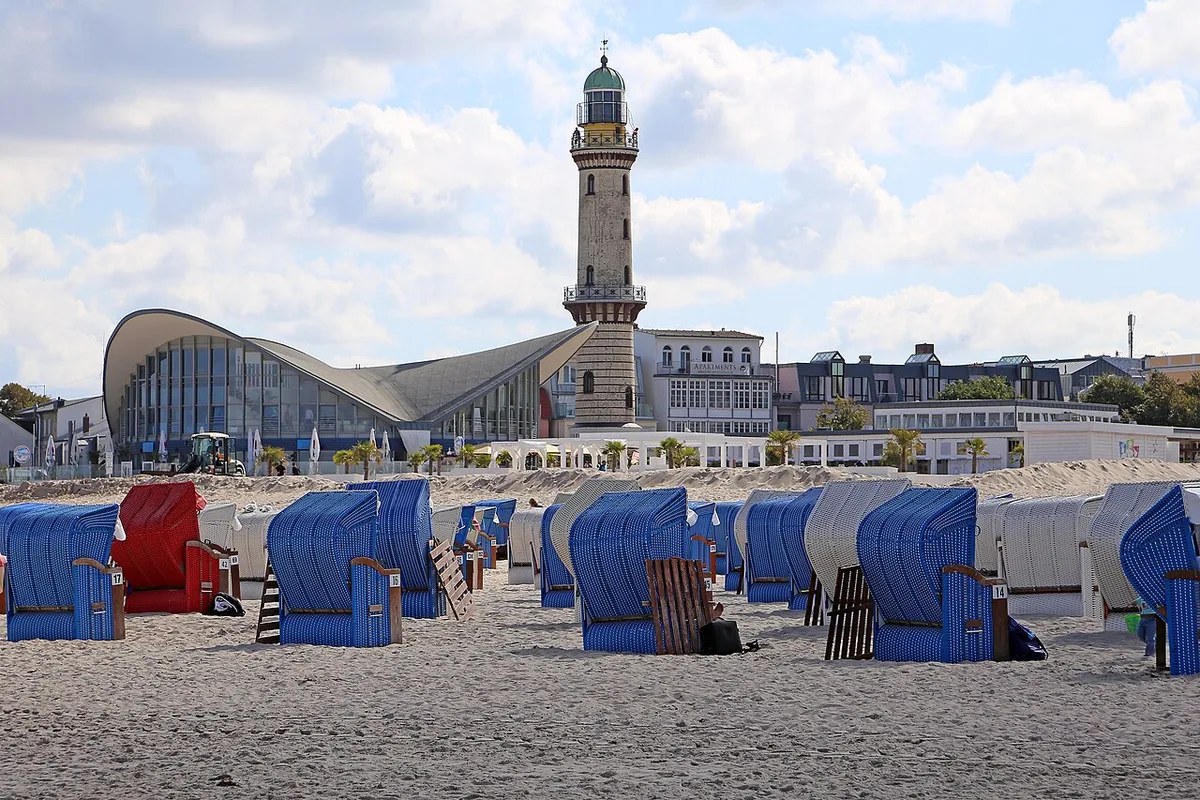
The Heimatmuseum Warnemünde, a local history museum in an eighteenth-century fisherman's cottage on Kirchplatz, is the natural small indoor stop, with exhibits on the town's maritime heritage, and the Warnemünde Church nearby offers another sheltered interior with historic woodwork. The same source notes that public transport is not needed to enjoy the village itself once you are there, since you step off the ship or train almost into the centre.
How you reach Warnemünde from the city centre, and how long that transfer takes, should be confirmed with the local transport operator or the city's own mobility pages rather than assumed. The city's tourism site describes a dense network of S-Bahn trains, trams, buses and ferries linking the centre and the coastal resorts without giving journey times, so check a live timetable before deciding whether a rainy Warnemünde trip is worth the round trip.
Covered market and shopping options for a short shower
For a passing shower rather than a washout, the practical answer in the old town is the pedestrian shopping axis around Kröpeliner Straße, where continuous building frontage and arcades offer bursts of shelter between stops. This works because the distances are short, not because any particular venue is a rain-day attraction.
Deliberately, this guide does not name specific covered halls or shopping centres, because verifying which are currently open, which are accessible as through-routes and which are not depends on details that change and cannot be confirmed from the sources here. If a particular complex matters to your plan, check the operator's own site or ask at the tourist information office in the centre on the day.
For anything beyond a short shower, book-type stops are the better bet: the free museum, a church interior, or the greenhouses. Shopping streets fill time but give you nowhere to settle, and if the rain is set in for the afternoon you will want a seat and something to look at. If you are weighing a single structured day against flexible stops, compare this with a wider one day in Rostock itinerary before locking the plan in.
Sample rain-day plans by available time
With about ninety minutes, stay within a few hundred metres of Neuer Markt. Start in St. Mary's Church, look at the astronomical clock and the interior, then walk a short distance to the Kulturhistorisches Museum and spend whatever time remains, leaving without having spent anything if entry is free as the museum states.
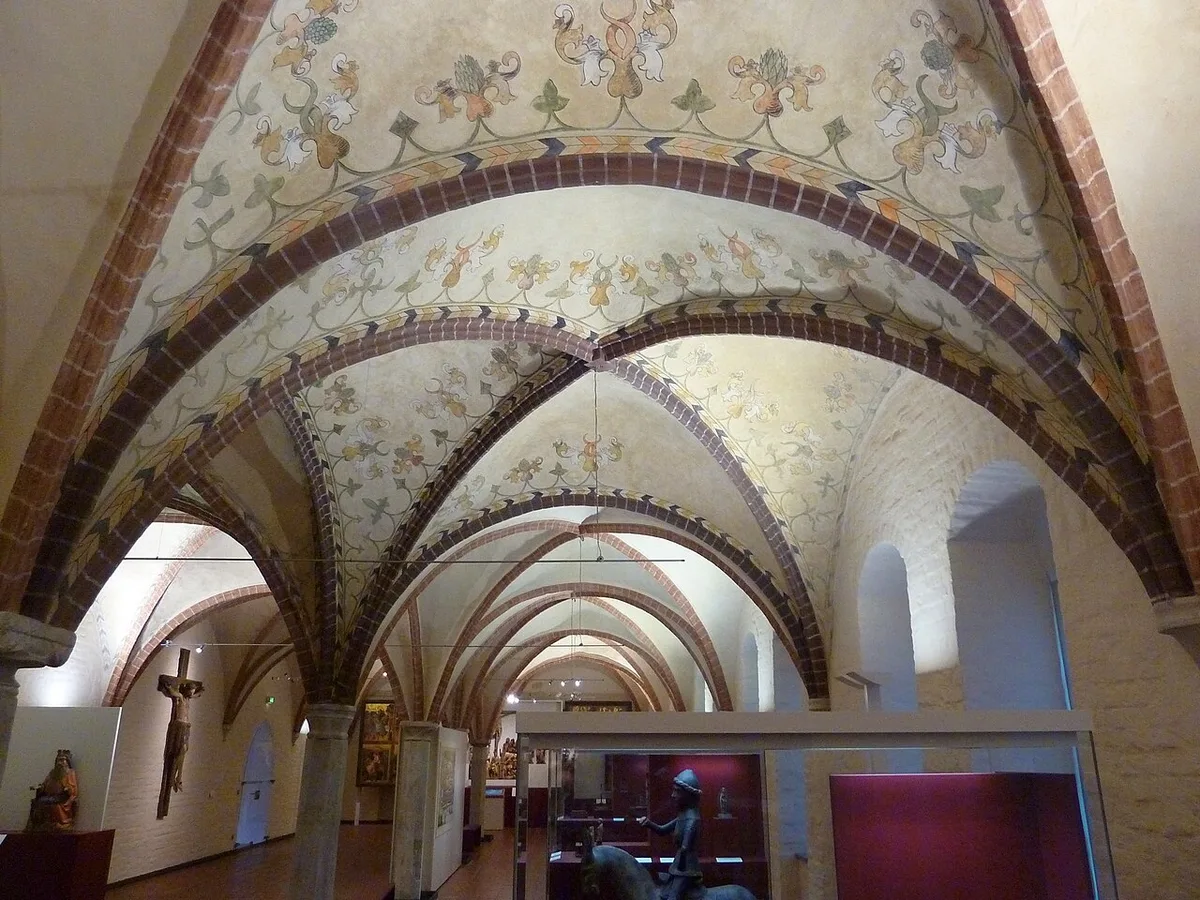
With a full wet afternoon, sequence the free museum first while your energy is high, then take a proper break for food, then finish in a church interior rather than starting there, since churches can close or restrict access around services and you do not want your final hour to fall in a closed window. The museum's own page gives its weekly closing day, so match your visit to the days it is open.
If you are staying near the coast rather than the centre, invert the plan: use the greenhouses and the old town on the wetter day and save the harbor and waterfront for clearer weather. A walk along the water only pays off with visibility, so a Rostock harbor walk belongs on a dry day, not in a downpour. A Rostock to Warnemünde day trip is likewise best kept for a window when the coast is actually worth seeing.
Practical notes for a wet day in Rostock
Dress for standing around in damp air rather than for walking in a downpour: a light waterproof layer you can carry indoors beats an umbrella in narrow streets, and shoes with grip handle wet cobbles far better than smooth soles. Expect to be slightly cold in a church interior even in summer, since these are large, unheated brick buildings.
Plan around the fact that churches are working congregations. Visiting can be suspended or limited during prayer, worship and events, and St. Mary's asks groups in particular to check in advance for events that would make a visit impossible or restricted. If you have a fixed window, confirm on the day instead of assuming the published hours hold without exception.
Finally, verify the volatile details yourself on the day. Seasonal opening periods, guided tour availability and any admission charges are published by each site, and the sources here do not support quoting current figures for St. Peter's or the greenhouse hours. The city's visitor site bundles the indoor alternatives in one place if you want a starting point for a wet-day shortlist.
Plan Your Visit
A wet day in Rostock is best handled by treating indoor options as a shortlist with different costs and different capacities rather than a single fallback. The free museum and the church interiors around Neuer Markt cover a shower or a couple of hours; the greenhouses and the Warnemünde museums cover a specific need rather than a whole day.
The one habit that saves the day is verifying before you walk: check the site's own page for the day's opening, check whether a church has an event that restricts visiting, and check whether the greenhouses are open in the same window as the outdoor garden, since they run on separate hours. Confirm transport connections to Warnemünde on a live timetable rather than on assumption.
Frequently Asked Questions
What can you do in Rostock when it rains?
The most reliable indoor options are the old town churches, the Kulturhistorisches Museum in the former monastery, and the university's greenhouses, which are treated as a separate indoor stop from the outdoor garden. The city's visitor information also points to historical museums, maritime exhibitions and indoor pools as wet-weather alternatives. In Warnemünde, the local history museum and the village church are the small-scale options when the beach is out.
Is St. Mary's Church in Rostock worth visiting on a rainy day?
Yes, if you are near Neuer Markt and want a substantial interior with the fifteenth-century astronomical clock. It is a working congregation rather than a museum, so visiting can be restricted during prayer, worship and events, and the church publishes occasional restrictions on its own pages. It also states that there are no public toilets on site, so plan that separately.
Which indoor attractions in Rostock are free?
The Kulturhistorisches Museum states that admission is free, and the university botanical garden states that admission is free for both the outdoor grounds and the greenhouses. Church interiors are a different case: St. Mary's operates a ticketed entry with reduced categories and free admission for children and young people under eighteen, published on its visitor information page. Always reconfirm on the operator's own page, since these details change seasonally.
Are the Botanical Garden greenhouses open in wet weather?
They are a genuine indoor option, but they run on their own hours listed separately from the outdoor garden on the garden's English visit page, so do not assume one opening time covers both. As published, the greenhouses keep weekday hours and are closed on weekends and holidays. The same page notes that the site is used at your own risk in stormy, snowy or icy conditions, which is another reason to favour the greenhouses over the grounds on a rough day.
Should you still go to Warnemünde if it rains?
Only if you have a specific indoor reason, because the coast loses most of its appeal in heavy rain and the transfer is a real cost in a short day. The local history museum and the village church provide short sheltered stops, and the Alter Strom area has shops and cafes to duck into. Check the current transport timetable before committing, since the sources here do not support quoting journey times.
How long do you need for indoor sightseeing in Rostock?
Allow about ninety minutes for a church interior plus the free museum if you stay around Neuer Markt, and half a day or more if you add the greenhouses or a Warnemünde stop. One private tour operator describes a suggested sightseeing time of one to two hours for St. Mary's, which is a planning estimate rather than an official figure. Travel guides put the botanical garden at roughly one and a half to three hours, again as a suggestion.
Sources
- World Weather Information Service
- Willkommen in Rostock
- Petrikirche Rostock – der Förderverein der Petrikirche Rostock e.V.
- Rostock Old Town Tour | Private Walk & Historic Highlights
- Warnemünde Cruise Port Guide: Beach, Rostock & Top Tips
- Marienkirche Rostock
- Visitor Information for St. Mary’s Church – Marienkirche Rostock
- Your Visit - Botanischer Garten - University of Rostock
- Botanical Garden of the University of Rostock: A Green Oasis
- Kulturhistorisches Museum Rostock


