

The green oasis in the middle of Rostock belongs to the university rather than to a commercial attraction, which shapes almost everything about a visit: no ticket desk, no queue, and a layout that doubles as a teaching collection. The operator states on its visit page that admission is free, so the real planning question is not cost but timing.
The catch is that the outdoor garden and the Loki-Schmidt Greenhouses keep very different hours. The operator lists the outdoor garden as open Monday to Friday from 7:00 am to 7:00 pm and weekends and holidays from 9:00 am to 7:00 pm in the March 1 to October 31 season, while the greenhouses run Monday to Friday 10:00 am to 3:00 pm and are closed on weekends and public holidays. Visitors arriving on a Saturday expecting tropical houses will find the doors shut but the park open.
This guide covers what is free and what is time-limited, which sections suit a first walk, how to reach the visitor entrance, what families need to know about labelled poisonous plants and unmown meadows, and how the garden fits a half day alongside the rest of Rostock.
Why the University Botanical Garden Is Worth an Afternoon
Rostock's botanical garden is a working scientific collection attached to one of the oldest universities in the Baltic region, founded in 1419, and an independent attraction resource dates the garden itself to 1885. Because research and teaching continue on site, the planting is arranged by scientific logic rather than for ornament alone: an alpine garden, an arboretum, a systematic section, and habitat displays recreating coastal dune, woodland, meadow and intermediate bog. That structure gives even a short walk a purpose.
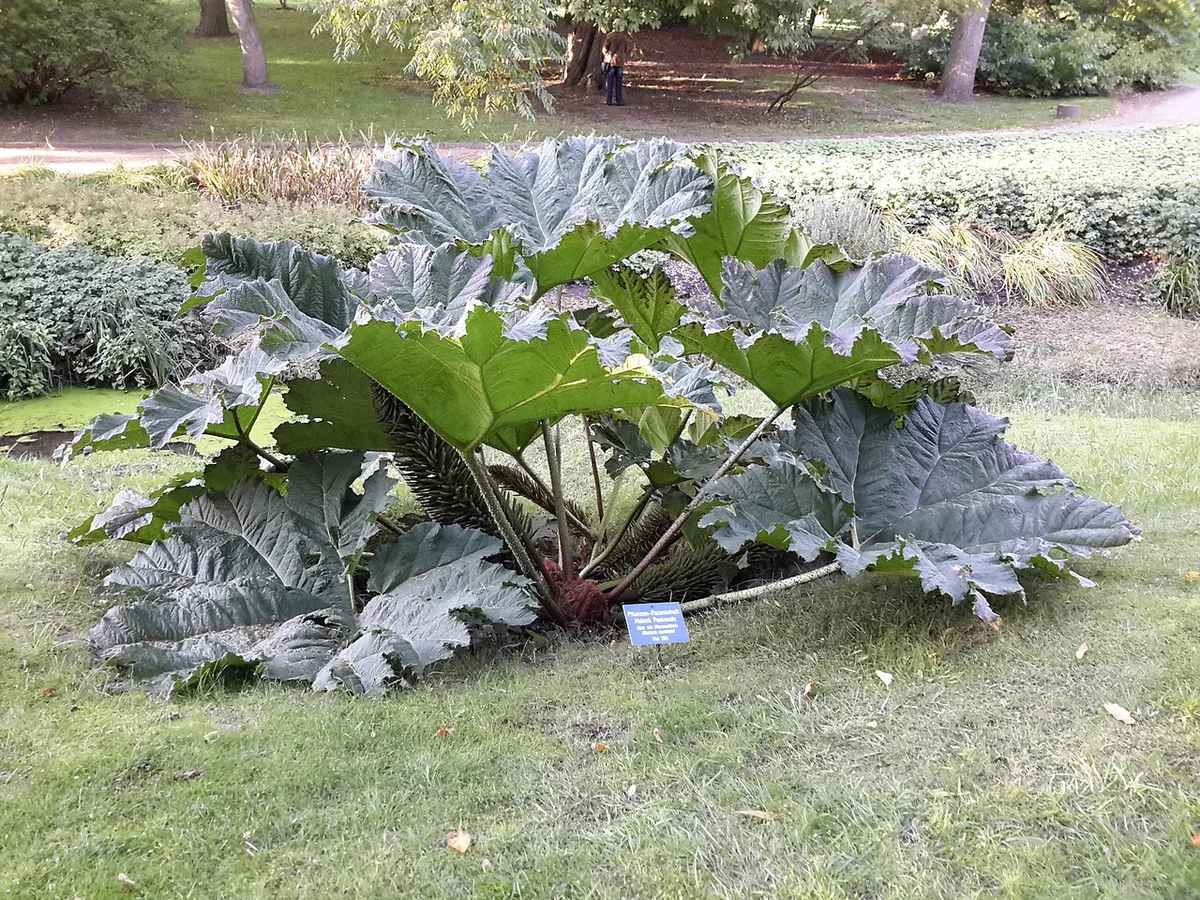
For a family afternoon, the appeal is simpler: free entry, open greenspace, ponds and glasshouses within a compact site close to the centre. The operator also runs environmental education, a high-school garden, yoga and garden therapy among its public offers, so the garden behaves as a community space as well as a collection. It is not a theme park, and children expecting rides or cafes will be disappointed.
It also pairs well with Rostock's other landmarks because it sits on the tram corridor at Holbeinplatz, minutes from the old town. If you are already visiting St. Mary's Church Rostock, the garden makes a calm counterweight to the brick Gothic centre, and it is an easy add-on rather than a separate excursion. Plan it as one stop in a day, not the whole day.
What Is Free and What the Greenhouses Change
The operator states plainly on its own visit page that admission is free, with no paid tier described. That means the outdoor grounds, including the themed sections and habitats, cost nothing to walk. There are no ticket gates to time your arrival around, and no booking requirement for individual visits is published.
The greenhouses are the part that needs planning, because their opening window is far shorter than the garden's and they are closed on weekends and public holidays. Admission being free does not mean everything is open whenever the park is. If the tropical, succulent and cold houses matter to you, build the trip around a weekday.
Some collections on a university campus are ticketed separately, so it is worth saying clearly what this one is not: no separate paid collection is documented for the botanical garden. Rather than assume prices for anything else in the city, check the relevant operator page before you travel. The garden's own site is the place to confirm the current position.
Outdoor Sections to Prioritise on a First Visit
Start with the arboretum and the alpine garden, the two sections most often named when the garden is described, then move toward the systematic beds where plants are grouped by relationship. The Japanese garden adds a designed, quieter corner, and the habitat areas — coastal dune, waters, woodland, meadow and intermediate bog — show north-east German plant communities rather than exotics.
Spring visitors often photograph the flowering cherries, and the guest accounts that mention them tie the display to the Japanese garden area. Because bloom timing shifts each year with the weather, no fixed peak date can be promised, and the operator does not publish one. Check the seasonal signs and the plant of the month on arrival instead of planning around a specific week.
The medicinal and useful-plants beds repay slower reading, since the garden teaches the history of useful plants in north-east Germany. Labels carry names in German and, for some material, Low German, so a translation app helps. Budget your attention here rather than trying to cover every bed.
The Loki-Schmidt Greenhouses and Why Their Hours Differ
The glasshouse group includes a succulent house, a tropical house and a cold house. Because heated and tropical collections need controlled conditions and staffing, their access is restricted to weekday daytime windows while the outdoor garden stays open into the evening. That single fact is the most common surprise for visitors.
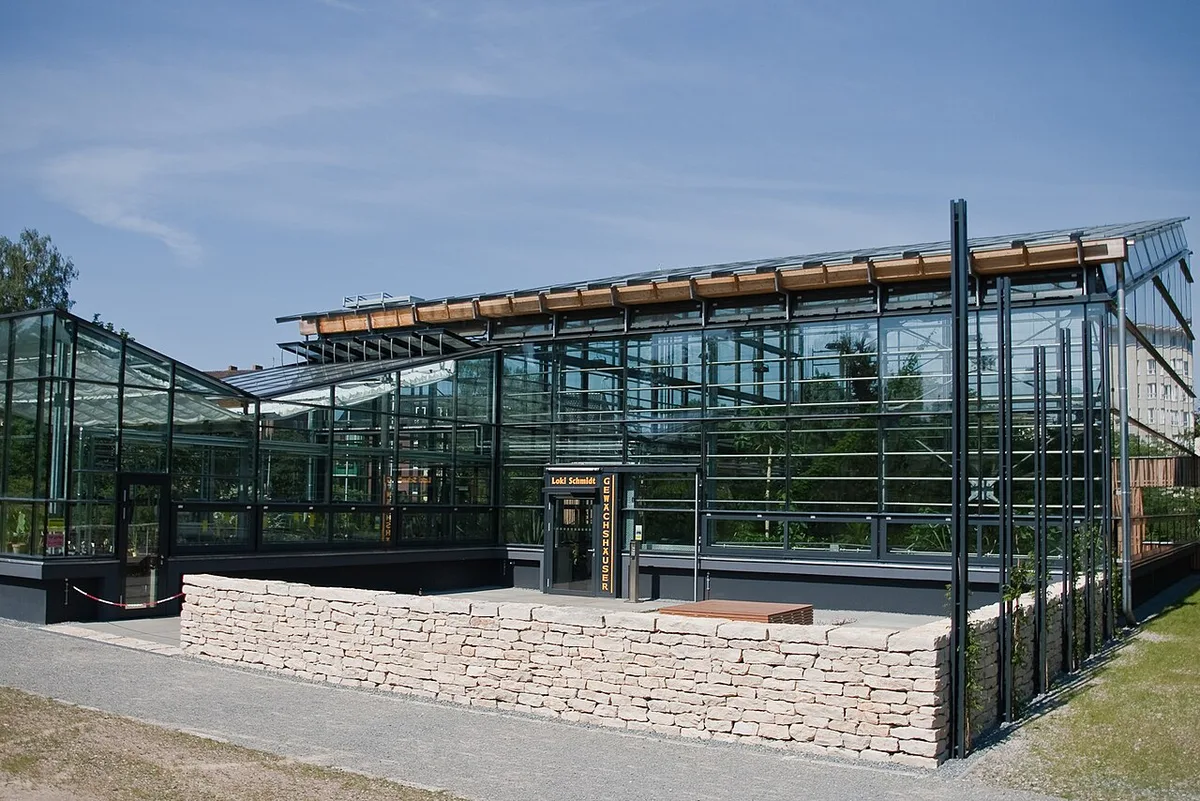
The practical consequence is that a late-afternoon arrival after a day of sightseeing will usually get you the park but not the houses. If the glasshouses are the reason for the trip, arrive earlier in the day on a weekday. Confirm the current window on the garden's own opening-hours page before you set out, since hours are published by the operator and can change.
Inside the greenhouses, the university's wireless network is available for teaching and information, but a university user ID is required for full internet access, and eduroam members log in with their home institution credentials. Do not count on open public Wi-Fi for mapping or translation.
Seasonal Interest and the Shortened Winter Opening
The garden changes character through the year: spring brings blossom and fresh growth, summer fills the meadows and ponds, and autumn turns the arboretum while the glasshouses hold their warmth. The operator runs guided tours and lectures across the season, which gives a rough sense of when the garden is most active. None of that implies fixed bloom dates, which vary annually.
Winter changes the practical picture: during the shortened winter opening from November through February the garden is open 9:00 am to 4:00 pm, a narrower window than the March to October pattern. This is an operator-stated seasonal rule, not a guess. If you are visiting in that window, treat a shorter daylight day as your working assumption and check the site for the exact times.
The website lists a plant of the month feature, with past entries archived online in German and Low German, which is useful for setting expectations in a quiet month. It also flags events such as talks and mushroom-identification advice for collectors at weekends in autumn. These are dated items, so confirm the current programme rather than relying on an archived listing.
Getting There and Finding the Visitor Entrance
The operator lists public transport options to S Holbeinplatz station: S-Bahn lines S1, S2 and S3, trams 1, 2 and 5, and bus 28. The visitors' entrance is on Hamburger Strasse, across from the Holbeinplatz transit station, while the delivery entrance is on Hans-Sachs-Allee 49. Those are the operator's own directions, so use them rather than a generic map pin.
Drivers can look for parking around Hans-Sachs-Allee 49 or Tschaikowskistrasse, according to the same directions. Postal correspondence goes to Schwaansche Strasse 2, which is an administrative address rather than the gate you walk through. Do not navigate to the postal address expecting an entrance.
Once inside, public restrooms are available, and free brochures are offered at the garden entrance, including one about the Loki Schmidt Greenhouses and a Low German plant-name leaflet. Picking these up early saves guesswork about what you are looking at. The garden notes an accessibility information link on its site, but makes no broader access guarantees, so visitors with specific needs should contact the garden directly.
Guided Tours: Sundays, Language and Group Rules
Tours in German are offered nearly every Sunday at 2 pm, and English-language tours are available on request rather than on a fixed schedule. The operator asks for a personal contribution on a donation basis instead of a set fee. Requests go to the garden's secretary by email or phone, which is also where you confirm whether a given Sunday is running.
For children's groups there is a minimum age of 5 years, so nursery and very young groups are not catered for. That is a planning constraint for schools and family organisers rather than a general restriction on children visiting with their parents. Confirm group arrangements with the garden before you build a trip around them.
Because the Sunday format is German by default, English-speaking visitors should request their language in advance instead of turning up hoping for a translation. Independent visitors can self-guide with the free brochure. The result is that the garden works well without a tour, and a tour adds interpretation rather than access.
Visitor Rules Families Should Know Before Arriving
The visitor regulations warn specifically about touching or consuming parts of poisonous plants, and many poisonous or allergenic species from around the world are marked with red labels. Yellow labels mark ex-situ conservation of threatened taxa and call for extreme caution. Read those labels as practical safety signals, especially with small children who grab at foliage.
Children up to 14 years of age may only enter accompanied by an adult, and adults are responsible for children's behaviour. Groups of more than 15 children need more than one accompanying adult, and teachers are asked to notify the garden administration before school visits. Removal of plants or plant parts is prohibited and may be prosecuted.
Other rules are easy to overlook: walking on mown lawn is fine, but walking on unmown meadow areas is prohibited because trampled meadow does not recover. Bikes must not be ridden or pushed through the garden, with bicycle stands provided at the entrance, and dogs must stay outside. Feeding animals is also discouraged because it disturbs the ponds.
How Long to Allow and How It Fits a Half-Day Plan
A suggested allowance is roughly one and a half to three hours for an unhurried walk through the main themed areas plus the greenhouses, treating the upper figure as realistic if you linger in the houses. This is a planning suggestion rather than an official figure, and the operator publishes no recommended duration. An independent attraction resource likewise caps its own estimate at the same range. Decide your own limit based on whether the glasshouses are open that day.
A comfortable weekday sequence is: arrive by tram at Holbeinplatz in the late morning, walk the outdoor sections for about an hour, then enter the greenhouses during their weekday window before they close. That order protects the time-limited part of the visit. On a Saturday or holiday, reverse the logic and plan a shorter park walk only.
If you are building a wider day, pair the garden with the old town rather than stacking two large attractions together. Kröpeliner Strasse and Neuer Markt visitor guide covers the central shopping and square area a short ride away, and it makes a natural next stop after a morning in the garden for anyone who wants city life after an hour of quiet planting.
Where It Sits Among Other Rostock Attractions
The garden is a low-cost, low-structure attraction in a city whose headline sights are architectural: the Gothic St. Mary's Church Rostock visitor guide covers the astronomical clock and the brick Gothic centre, which many visitors treat as the priority. The garden suits the traveller who wants a break between those set pieces. It also sits within a cluster of nearby options including the art gallery, the zoo and the Darwineum.
Rostock Art Gallery visitor guide is another nearby option if you prefer indoor culture in poor weather, and it is close enough to combine with the garden on the same afternoon. For families, Rostock with kids is the better starting point for judging which combination of zoo, garden and beach actually works with your children's ages.
Who should skip it? Anyone expecting manicured formal gardens, cafes or structured children's entertainment will find the garden plain, and visitors with limited time and an interest in architecture should prioritise the old town instead. Anyone who values quiet planting, free entry and a genuine scientific collection will find an hour here well spent.
Plan Your Visit
The simplest plan is a weekday arrival at Holbeinplatz, a walk through the arboretum and habitat sections, and a greenhouse stop inside their shorter weekday window before they close for the weekend. Confirm the current opening times and any event programme on the garden's own pages the day before you go, because the greenhouse hours are the one part of a visit that genuinely requires scheduling.
Families should agree the rules before arriving: stay with children under 15, keep to mown lawns, leave bikes and dogs outside, and treat red and yellow labels as warnings rather than decoration. Carry a small amount of cash or a donation option if you plan to join a Sunday tour, and email ahead if you need English.
Beyond the garden, use the Rostock: Landmark Visitor Guides pillar to slot the visit into a longer stay, and keep the garden as one calm half day rather than the centrepiece of a trip. Check the operator's accessibility information if you have specific requirements, since no general access guarantee is published.
Frequently Asked Questions
Is the Rostock Botanical Garden free to enter?
Yes. The University of Rostock states on its own visit page that admission to the botanical garden is free, and no paid tier is described for individual visitors. There is no published booking requirement for a normal visit, so you can simply walk in through the Hamburger Strasse entrance opposite Holbeinplatz. Check the garden's own site before travelling in case the position changes.
What are the opening hours of the Loki-Schmidt Greenhouses?
The operator lists the greenhouses as open Monday to Friday 10:00 am to 3:00 pm, closed on weekends and public holidays, while the outdoor garden opens earlier and stays open into the evening in the March to October season. From November through February the garden switches to shortened winter opening of 9:00 am to 4:00 pm. Because these times are published by the operator and can change, confirm them on the garden's opening-hours page before you set out.
Are guided tours available in English?
Tours in German are offered nearly every Sunday at 2 pm, and English-language tours are available on request rather than on a fixed timetable. The operator asks for a personal contribution on a donation basis. Send your request to the garden secretary by email or phone, ideally well ahead of your visit, and confirm whether the Sunday tour is running that week.
How long does a visit to the Rostock Botanical Garden take?
About one and a half to three hours is a reasonable suggestion for an unhurried walk through the themed outdoor sections plus the greenhouses, with the longer end applying if you linger inside the houses. This is a planning estimate, not an official figure, and the operator publishes no recommended duration. If the greenhouses are closed, an hour in the park is usually enough.
Can children visit the botanical garden?
Yes, and entry is free. Children up to 14 years of age must be accompanied by an adult, and adults are responsible for their behaviour. Groups of more than 15 children need more than one accompanying adult, teachers should notify the garden administration before a school visit, and children's group tours have a minimum age of 5. Watch for red labels marking poisonous or allergenic plants and yellow labels marking protected conservation plants.
Can you take dogs or bikes into the garden?
No. The visitor regulations state that dogs must stay outside, and bikes must not be ridden or pushed through the garden, with bicycle stands provided at the entrance. Walking on mown lawns is permitted, but walking on unmown meadow areas is prohibited because trampled meadow does not recover. Feeding the animals is also discouraged because it damages the ponds.


