

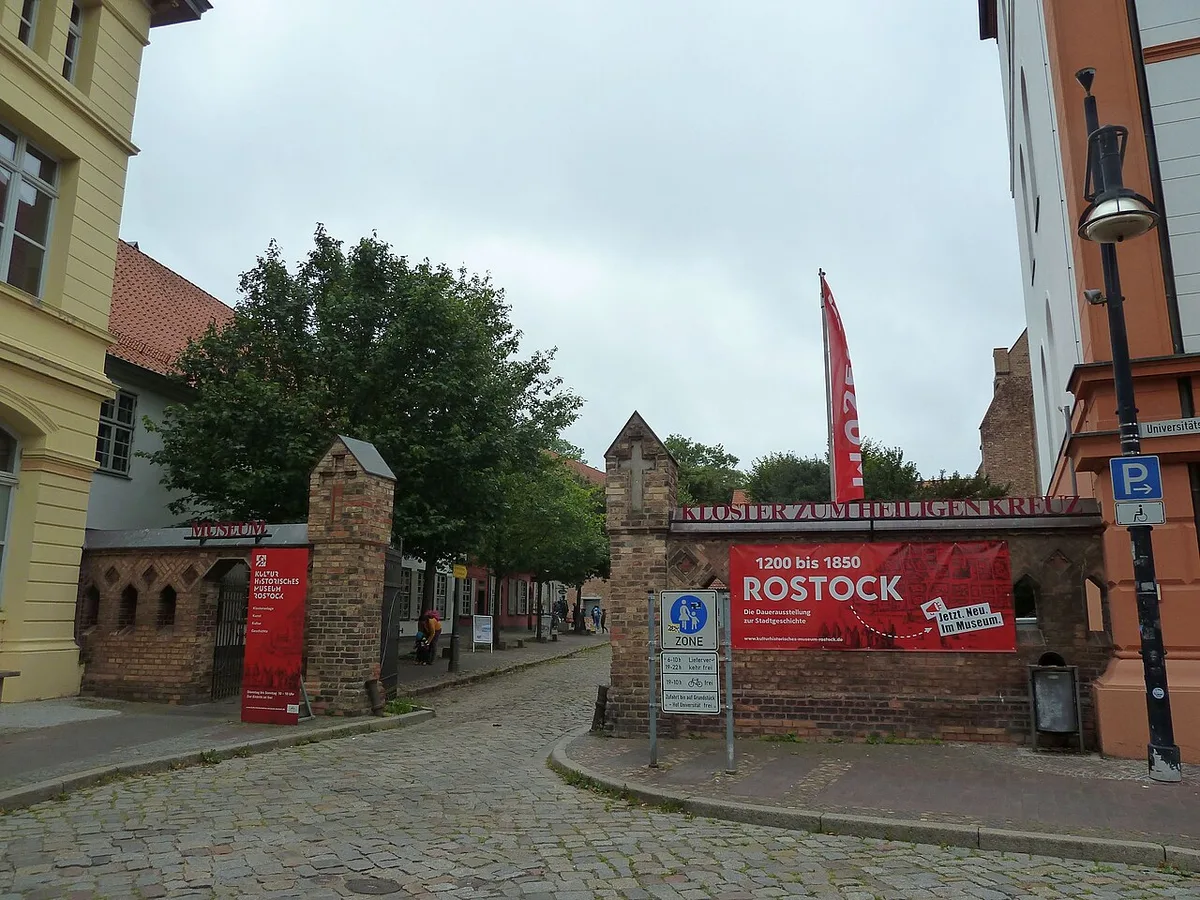
Rostock's cultural history museum sits inside a former Cistercian monastery in the middle of the old town, a short walk from University Square. The operator describes the setting as the historic Kloster zum Heiligen Kreuz at Klosterhof 7, and its permanent displays draw on a collection built up over more than 160 years. For anyone tracing Rostock's Hanseatic and civic past on foot, this is the city-history stop that complements the brick churches and merchant houses outside.
The most useful thing to know before you go is how the admission works: general entry is free, with individual special exhibitions excluded from that arrangement. That distinction shapes both your budget and your schedule, because a temporary show can add time and possibly cost on top of an otherwise free visit. The museum also occupies historic monastery rooms rather than a purpose-built gallery, so the route through the displays follows the building as much as a chronological storyline.
Set aside roughly ninety minutes to two hours for the permanent collection as a working suggestion, not an official figure, and add time if a special exhibition is running during your stay. The museum is one component of a broader Rostock itinerary rather than a half-day destination on its own, which makes it easy to combine with the market square and the western gate tower. Use the Rostock: Landmark Visitor Guides hub to line up the other sights before you fix your route.
Why This Museum Belongs on a Hanseatic Itinerary
Rostock's wealth came from herring privileges, beer exports and Baltic shipping, and the museum's remit is the city and its culture rather than ships themselves. The operator states that the collection is one of the most important places documenting bourgeois cultural history in Mecklenburg-Vorpommern. That framing matters: you come here for urban life, art and civic objects, not for an afternoon of nautical engineering.
For context on how that history fits together, Rostock was chartered in 1218 and unified its Old Town, Middle Town and New Town in 1265 before becoming an influential Hanseatic member in the fourteenth century. The university followed in 1419, making it the oldest in continental northern Europe and the Baltic region. Walking the old town after the museum gives those dates physical shape.
Pair the visit with the wider Rostock: Itineraries and City Travel Guides collection if you want the museum to slot into a longer Baltic trip rather than stand alone. The city's medieval street pattern, surviving wall segments and gate towers are all within walking distance of the monastery, so a single morning can cover several layers of the same story.
The Setting: Kloster zum Heiligen Kreuz
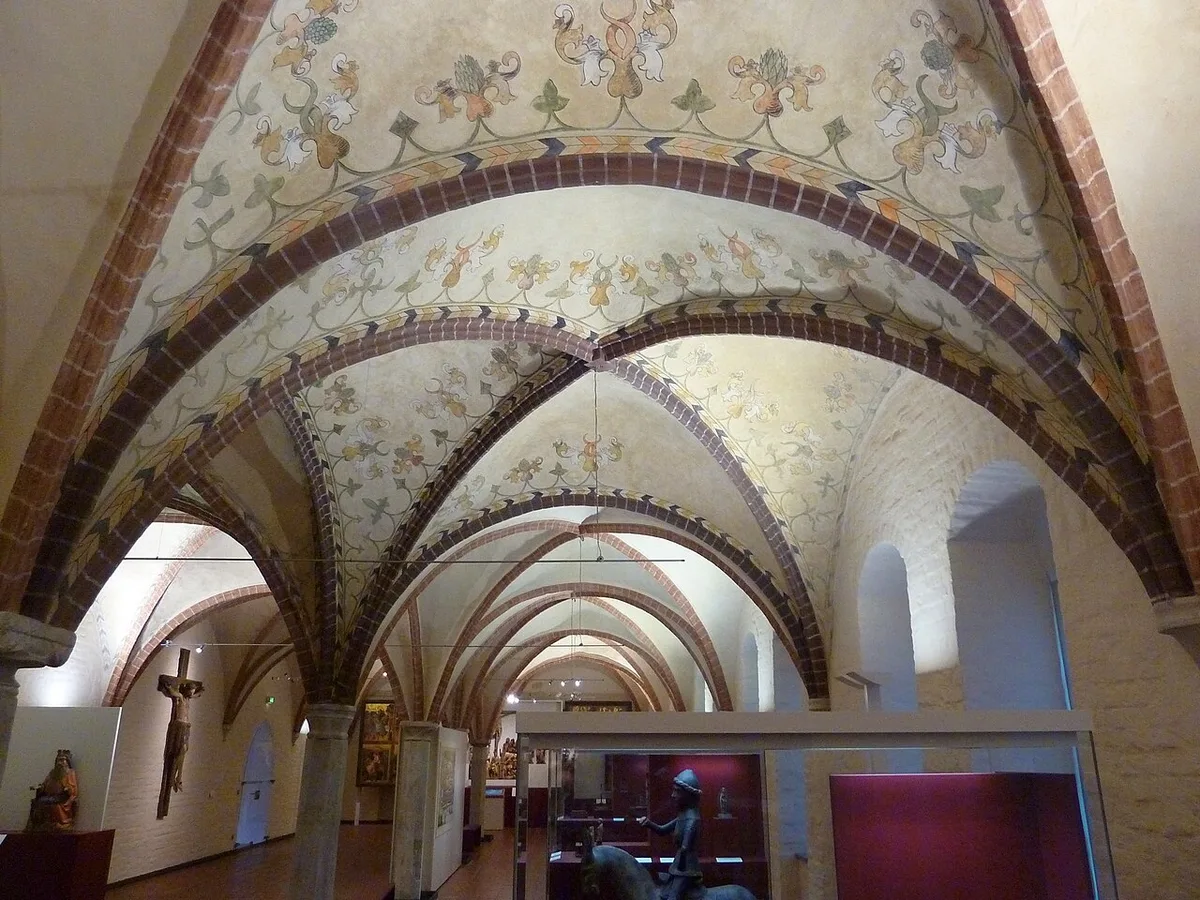
The museum is housed in the Kloster zum Heiligen Kreuz in the city centre, immediately near University Square. The operator gives the address as Klosterhof 7, 18055 Rostock, and lists a telephone number and email for enquiries. Being inside a former monastery means vaulted rooms, cloister associations and a courtyard setting rather than a modern exhibition shell.
Because the museum sits in the historic core, you can reach the surrounding sights on foot instead of planning separate trips. The tourist information office is on University Square at the edge of the old town, which makes it a sensible first stop if you want printed maps or current local advice before walking to the monastery.
Allow a few minutes simply to orient yourself in the courtyard before going in, since the entrance and the exhibition rooms are not laid out along a single obvious axis. If you are visiting on a wet day, the building's enclosed rooms make it a natural fallback; our Rostock rainy day guide lists further indoor options for the same conditions.
Opening Hours and What Free Entry Covers
The operator publishes opening hours of Tuesday to Sunday, 10.00 to 18.00, with free admission except for individual special exhibitions. Monday is not listed as an opening day, so a Monday visit should be treated as unavailable unless the museum announces otherwise. The same page covers holiday arrangements separately, which is a reminder to check before travelling on a public holiday rather than assuming the standard pattern applies.
Free entry applies to the permanent displays, including the city-history exhibition that the museum titles Rostock. 1200 bis 1850, a journey through roughly 650 years of the city's development. That exhibition is the backbone of a first visit and the reason the museum works as an orientation exercise before you walk the streets. A special exhibition may be ticketed separately, so treat the free general admission and any temporary show as two separate decisions.
The museum's own homepage confirms the same opening pattern and free entry, and presents its permanent and temporary exhibitions as distinct categories. Checking both the visit page and the homepage before you travel is worthwhile because temporary programming changes while the core displays remain. Neither page should be read as a guarantee of opening on every holiday.
Permanent Displays Versus Special Exhibitions
The cleanest way to plan is to separate the permanent route from whatever temporary show is on. Permanent displays draw on the long-standing art and cultural-history collection and stay broadly stable, while special exhibitions rotate and are the ones the operator excludes from free admission. If your dates are flexible, check the current exhibition listing first and then decide whether the extra time and any separate ticket are worth it for you.
For an illustration of how a temporary show can be framed, the museum promoted a landscape-painting exhibition marking 185 years since the invention of the paint tube, running from 19 July to 25 October 2026 with an opening event on 18 July 2026. That run is dated in the museum's own announcement, so it should be read as a fixed window rather than an open-ended display. If you are reading this after that period, look for the successor exhibition instead of assuming the same content.
Where a special exhibition carries its own admission charge, the museum's visit page states the exception but does not set out current prices for those shows. Rather than guessing at a figure, check the exhibition page or ask at the desk when you arrive, or call the number published on the visit page. Budgeting for a possible additional charge, without assuming an amount, keeps the plan honest.
Collection Highlights to Look For
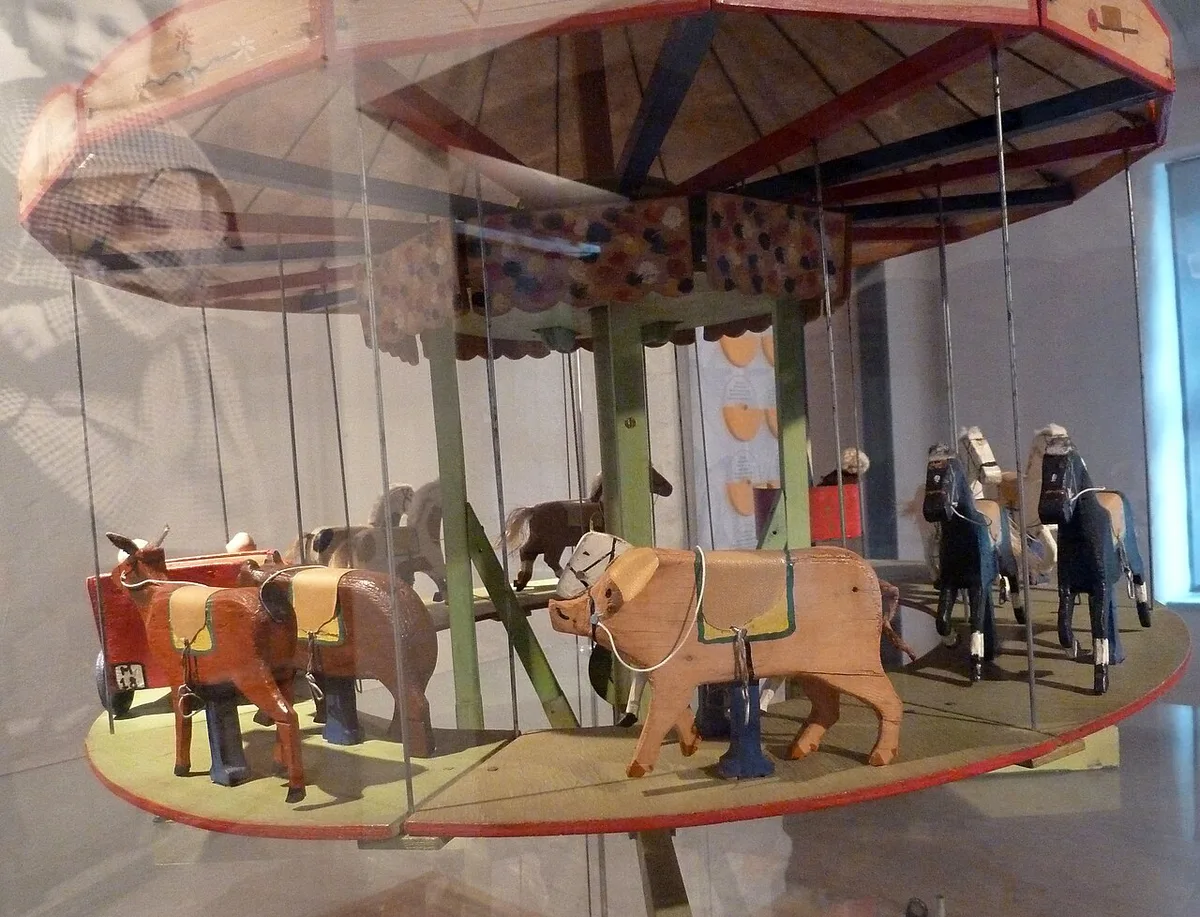
The core holdings are art and cultural-history objects of regional importance, assembled over more than a century and a half of museum work. Expect material culture, paintings and civic objects rather than an encyclopaedic national collection. The permanent city-history exhibition is where the Hanseatic period, the ducal centuries and the modern era are connected into a single narrative.
One object worth seeking out is the astronomical clockwork associated with St Mary's Church, which is held in the museum's collection. The medieval clock mechanism, attributed to Hans Düringer and dated to 1472, gives you a direct technical counterpoint to the church interiors you will see elsewhere in the old town. Seeing the mechanism here, then the church it belongs to, is a logical pairing for a single day.
Because the collection is described as an art and cultural-history holding, some rooms reward slow looking rather than a quick circuit. If you want a second, more contemporary art stop in the same trip, the Kunsthalle Rostock covers a different period and emphasis entirely.
Setting Expectations: City History, Not a Maritime Museum
Rostock has genuine maritime collections elsewhere, and third-party guides point visitors toward the Shipbuilding and Maritime Museum for ships, shipping and shipyard history. The cultural history museum's own self-description centres on city, art and cultural history, so it should not be treated as a substitute for a dedicated nautical museum. Choose according to what you actually want to learn, and consider visiting both if you have two days.
That said, the city's Hanseatic trade does appear in the story told here, because port commerce was inseparable from urban life. The distinction is one of depth and focus: trade, guilds, civic culture and the built city rather than vessel types or shipyard technology. Reading the exhibition labels carefully will make the boundary clear within the first few rooms.
If maritime history is your priority, plan that as a separate stop and use this museum for the city's social and cultural fabric. Keeping the two visits distinct means neither becomes a rushed add-on at the end of an afternoon.
How Much Time to Allow
As a working suggestion rather than an official figure, budget about ninety minutes to two hours for the permanent displays at an unhurried pace. The operator does not publish a minimum visit duration, so any number here is a planning aid, not a museum recommendation. If you read every label in the city-history exhibition, expect to sit at the upper end of that range.
Add roughly forty-five to sixty minutes if a substantial special exhibition is running, particularly one spread across several rooms. A short stop of around an hour is realistic if you focus on the city-history displays and skip the temporary show entirely. Deciding which of those two profiles fits your day is the single most useful scheduling choice you will make here.
If the museum is one item on a broader day, pair it with the Kröpeliner Strasse and Neuer Markt visitor guide so the walking segment is planned rather than improvised. Because the museum is indoors and compact, it also works well as the anchor of a half-day route when the weather is uncertain. For wider planning, see St. Mary's Church Rostock.
Guided Tours and Group Arrangements
The operator describes overview tours through the permanent displays for groups of five or more, lasting around sixty minutes, and asks groups to register in advance for tours of up to twenty-five people. School classes and children's groups also require advance registration, with possible incidental costs. Advance registration is not the same as confirmed availability, so contact the museum using its published telephone number and email before you build a tour into your schedule.
The visit page lists prices for adult overview tours and for group bookings, alongside free entry for children, and a separate rate structure for organised groups. Those figures appear on an operator page that may not reflect current charging, so verify the amounts when you enquire rather than relying on a published list. Nothing in the operator's material promises that a requested slot will be available on your preferred date.
Note also that a tours announcement from September 2024 relating to the Day of the Open Monument refers to a past programme and should not be read as current scheduling. Treat dated tour notices as historical and ask what is running during your own visit instead.
Getting There and Orientation
From Rostock Hauptbahnhof, the operator states that tram lines 5 and 6 reach the Lange Strasse stop, from which the museum is about a three-minute walk. Those are the operator's own stated lines, so do not assume other routes without checking current network information. Nearby car parks are listed in Lange Strasse, Am Gericht and the Kröpeliner Tor Center for drivers.
Because the museum sits directly in the city centre near University Square, arriving on foot from the old town is straightforward once you have your bearings. Rostock Hauptbahnhof is in the city centre with direct long-distance connections to Hamburg, Berlin and Frankfurt, which makes a car-free arrival feasible for many visitors.
Accessibility arrangements are not set out in the operator's published visitor information, although an accessibility page is listed in the site footer. Check that page or telephone the museum before travelling if step-free access or other adjustments will determine whether you can visit.
Combining the Museum With the Old Town on Foot
The museum's location makes a natural walking loop with Neuer Markt, the Kröpeliner Tor and the university quarter, all within the historic core. Neuer Markt has functioned as the city's principal square since the Middle Ages and is framed by merchant houses and the pink-fronted town hall. Starting at the museum, walking east to the market, then continuing toward the gate tower keeps the distances short.
The Kröpeliner Tor is a thirteenth-century brick gate tower that once guarded the western approach along Kröpeliner Strasse, the main pedestrian axis of the old town. Its upper levels give elevated views over the historic rooflines and the shopping street, making it a good late-afternoon counterpoint to the museum's interior exhibits. Check current access arrangements on site rather than assuming the tower is open at all times.
If you are assembling a longer city route, the Rostock: Landmark Visitor Guides hub is the place to widen the plan beyond a single district. Keeping one museum, one square and one gate tower in the same afternoon avoids the common mistake of over-scheduling a compact old town.
Who Should Prioritise This Museum
Prioritise this museum if you want to understand how Rostock worked as a Hanseatic trading city and a university town, rather than how its ships were built. The free permanent displays make it a low-risk stop: you can walk in, spend an hour and leave without a financial commitment beyond any special exhibition you choose to add. Visitors travelling with children may find the overview tour format, which is free for children, a useful structure.
Choose a dedicated maritime museum instead if your interest is squarely in shipbuilding, shipping technology or the GDR-era yards. Third-party guides describe several such collections in the Rostock area, including one in Warnemünde, so the alternative exists without leaving the city. Visitors who only have time for one museum should decide which of those two stories matters more to them before arriving.
A reasonable compromise is to visit the cultural history museum for the city's context on day one and a maritime collection on day two. That sequence gives the Hanseatic background first and the nautical detail second, in the order the city's own history unfolded.
Plan Your Visit
The practical core of a visit is simple: check the current exhibition listing, confirm the Tuesday to Sunday hours and free general admission on the operator's visit page, and decide whether a separately ticketed special exhibition is worth adding. Arrive via the Lange Strasse stop on tram lines 5 or 6, or park in one of the central car parks listed by the museum. Allow around ninety minutes for the permanent displays as a suggestion, more if a temporary show is running.
If accessibility, group tours or holiday opening will affect your plans, telephone or email the museum before travelling, because those details are not fully published in the visitor information. Pair the museum with the market square and gate tower for an efficient old-town day.
Frequently Asked Questions
Is the Kulturhistorisches Museum Rostock free to enter?
General admission is free, and the operator states that individual special exhibitions are excluded from that arrangement. In practice, that means the permanent displays cost nothing, while a temporary show may carry its own charge. Because prices for those shows are not published on the visit page in a form that stays current, check the exhibition listing or ask at the desk for the amount on the day. Free entry should not be read as covering every room in the building during a special exhibition period.
What are the opening hours of the Kulturhistorisches Museum Rostock?
The museum publishes opening hours of Tuesday to Sunday, 10.00 to 18.00. Monday is not listed as a regular opening day, and holiday arrangements are treated separately by the operator rather than folded into the standard pattern. If your visit falls on or beside a public holiday, confirm directly with the museum using the contact details on its visit page before you travel. Do not rely on the standard Tuesday to Sunday schedule as a guarantee for every date.
How long does a visit to the Kulturhistorisches Museum Rostock take?
There is no official minimum visit duration. As a planning suggestion, allow about ninety minutes to two hours for the permanent displays, including the city-history exhibition, and add roughly forty-five to sixty minutes if a substantial special exhibition is running. A focused visit of around an hour is realistic if you concentrate on the permanent route only. These are suggestions to help you schedule, not figures published by the museum.
Do I need to book a guided tour at the Kulturhistorisches Museum Rostock?
Overview tours of the permanent displays are offered for groups of five or more and last around sixty minutes, and group tours of up to twenty-five people require advance registration. School classes and children's groups also need to register in advance. Advance registration is not a guarantee that a slot will be available on your preferred date, so contact the museum by telephone or email as early as possible. Individual visitors without a group do not need to arrange anything in advance.
Does the museum have maritime or shipbuilding collections?
The museum defines itself as a centre for Rostock's culture, art and history, with an art and cultural-history collection of regional importance. Trade and port life feature because they shaped the city, but the displays do not set out to cover shipbuilding or maritime technology in the depth of a dedicated nautical museum. If ships and shipyards are your main interest, plan a separate visit to a maritime collection and use this museum for the city's social and civic story.
What can I see near the museum in Rostock's old town?
The museum sits in the city centre near University Square, which puts Neuer Markt, the town hall, the Kröpeliner Tor gate tower and the university quarter within a short walk. Two hundred metres in any direction takes you into the medieval street pattern, with surviving wall fragments and brick Gothic churches nearby. Combining the museum with the market square and the western gate tower makes an efficient half-day route on foot, with no need for further transport.


