

Rostock is unusually well placed for short outings: the Baltic coast sits roughly 12 kilometres north of the centre and is tied to the city by a dense web of S-Bahn, tram, bus and ferry routes, according to the city tourism board. That means the best day trip from Rostock is often the one that matches your available hours rather than the biggest name on the map. A village by the sea, a botanical garden and a Gothic church can each fill half a day without a single long train ride.
This guide classifies outward trips strictly by time commitment. Half-day options keep you within the city or a short hop away, while full-day options consume the better part of a day in transit alone. The trade-off is always the same: the further you go, the less time you actually spend on the ground.
The Half-Day Tier: Warnemunde as the Low-Commitment Option
Warnemunde is the easiest trip outward from Rostock because it requires no planning beyond boarding a train. The S-Bahn from Rostock's main station runs to the last stop in Warnemunde, and the seaside village is walkable from that station. For anyone based in the city, that makes it a half-day or even a short evening excursion rather than a full-day commitment.
Cruise passengers based at the port have an even shorter approach, since the train station sits immediately outside the cruise terminal and the village begins within minutes of stepping off the ship. If you are arriving by sea, you can treat Warnemunde as a walk-off port day and never touch public transport at all. The same logic applies to Rostock itself: the two are adjacent enough that visitors can explore both in a single port day.
One planning note matters for anyone considering ride-share or taxis. Availability of services such as Uber is not guaranteed at Baltic cruise port calls, and even where taxis exist, a stand may not be obvious near the terminal. Treat the train and your own two feet as the reliable fallback.
What to Actually Do in Warnemunde
The core of Warnemunde is Alter Strom, the old channel area lined with fishing boats, shops and restaurants. Stepping off the cruise pier puts you essentially in that district, so no transport is needed to reach the most photogenic part of the village. Beyond it lies Kirchplatz, the historic square with its church and traditional houses.
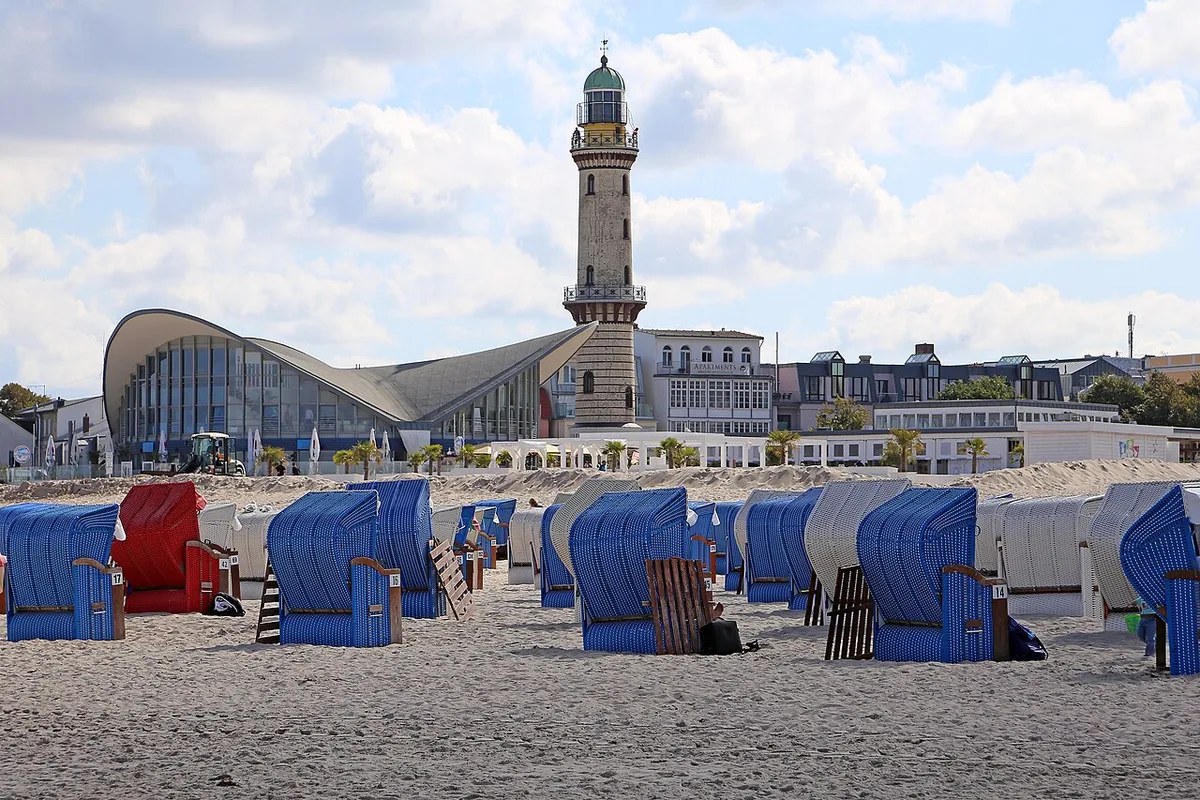
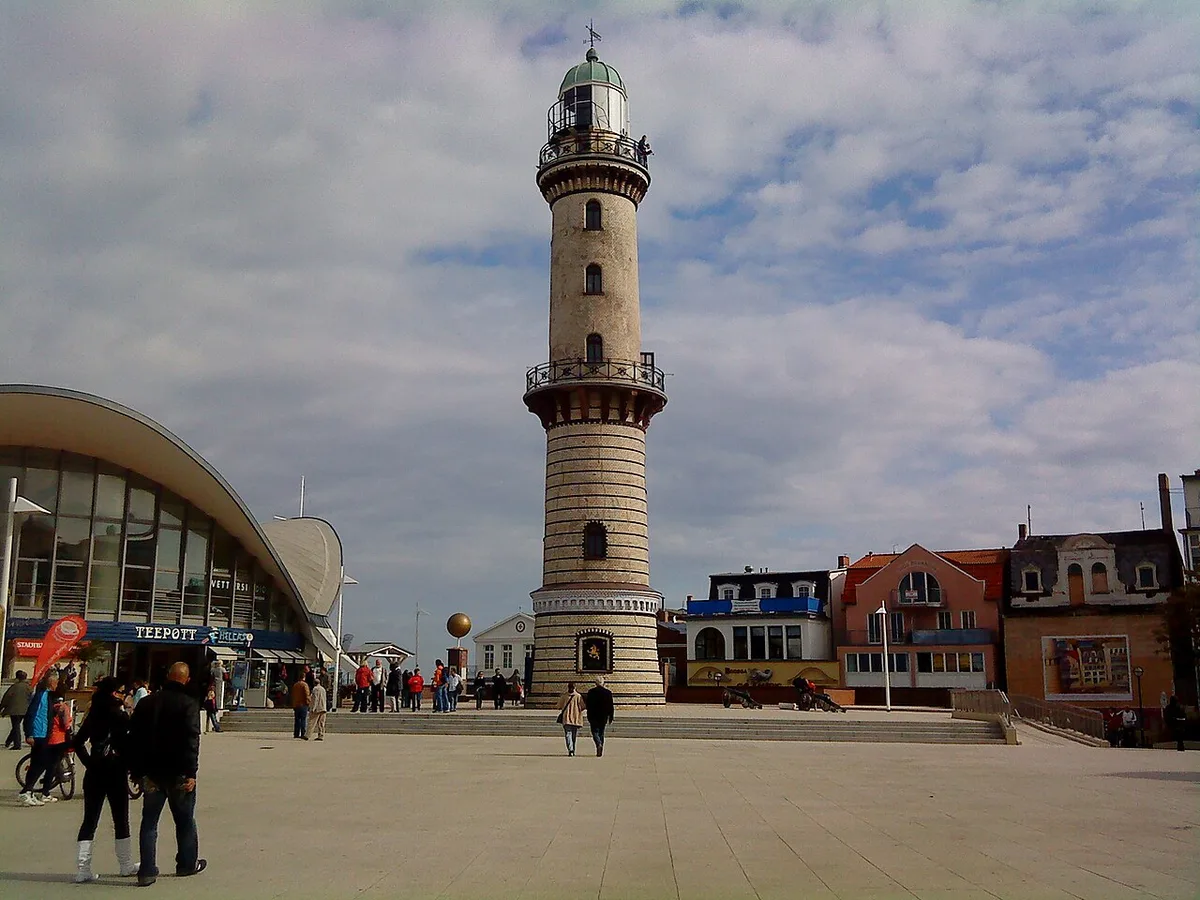
The Heimatmuseum, a local history museum in an 18th-century fisherman's cottage, sits in Kirchplatz and displays maritime and cultural heritage. Warnemunde Lighthouse and the distinctive Teepott building stand together near the waterfront, and the beach with its stone piers stretches along the Baltic shore. Visitors can climb the lighthouse for a fee, though the current charge and opening hours should be checked with the operator on the day.
Weather is the biggest variable here. Baltic summers in this region are often too chilly or windy to guarantee a proper beach day, so treat sand and swimming as a bonus rather than the plan. The city tourism board notes that summer suits classic beach holidays while spring and autumn are better for active and nature-focused outings.
In-City Half-Days: The Botanical Garden
The Botanical Garden of the University of Rostock is the strongest free option for a half-day in the city. Outdoor grounds open from March 1 through October 31, with weekday hours of 7:00 am to 7:00 pm and weekend and holiday hours of 9:00 am to 7:00 pm; a shortened winter schedule of 9:00 am to 4:00 pm applies from November through February. The Loki-Schmidt greenhouses keep their own separate schedule, opening weekdays only and closing on weekends and holidays.
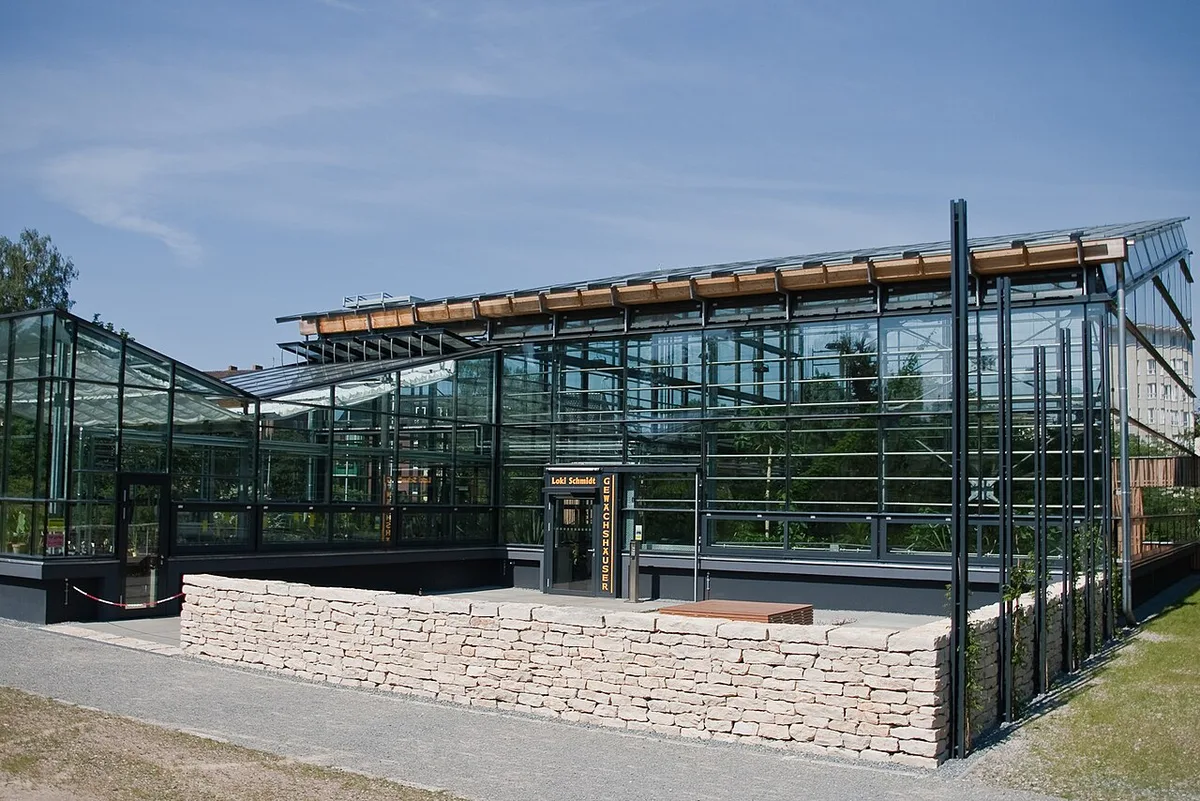
Admission is free, which makes this an easy add-on rather than a budget decision. The visitor entrance is on Hamburger Strasse opposite the Holbeinplatz transit stop, reachable by S-Bahn lines and trams, so you can combine it with other city sights in a single morning. A suggested visit of two to three hours is reasonable if you want to see both the outdoor collections and the greenhouses, though that figure is a planning estimate rather than an official duration.
Rules are worth reading before you go. Bikes must be pushed rather than ridden and left at the stands, dogs stay outside, and children up to 14 need an adult with them. Tours in German run nearly every Sunday at 2:00 pm, with English tours available on request and a donation expected.
In-City Half-Days: St. Mary's Church and the Astronomical Clock
St. Mary's Church is the other in-city anchor that deserves its own half-day rather than a passing glance. The church publishes separate summer and winter opening windows, with May to October running longer than November to April, but the parish also warns of occasional visiting restrictions and closures for services, so the schedule should be verified on the day rather than assumed.
This is where free grounds and paid interiors diverge. The church is not run as a museum with guaranteed accessibility, and entrance fees apply for adults and reduced-rate visitors, with children and youth under 18 admitted free. Anyone planning around a specific ticket price should read the parish's own visitor information page, since aggregator listings can lag behind the operator.
The medieval astronomical clock and the church's 770-year history are the draw, and about 150,000 people visit each year. Summer guided tours are normally led in German, with church tours and a separate tower and vault tour offered at set times for an additional charge on top of entry. If you want one of those tours, confirm the day's schedule with the parish rather than relying on a tour operator's summary, and plan around prayer and worship times when visiting is not possible.
Rostock Old Town on Foot
Rostock's centre is compact enough that a walking half-day is realistic without any transport at all. The city has a small downtown with pedestrian zones, so much of the historic core can be covered on foot in a few hours. The route typically runs from Universitätsplatz through Neuer Markt, where the town hall blends Gothic and Baroque elements.
The wider collection of brick Gothic landmarks includes St. Peter's Church, the Fisherman's Bastion and St. Mary's Church, all clustered in and around the old quarter. The harbour area along the Warnow River is a natural extension if you still have energy, and a loop linking old town and harbour works well as a single unhurried half-day.
The Full-Day Tier: Berlin as a Long-Distance Commitment
Berlin is the headline full-day option from Rostock, and it deserves a frank assessment. The city is roughly two and a half to three hours away in each direction, which means five to six hours of a port day can disappear into transit alone. Cruise lines still bill this call as Warnemunde or Berlin, but that framing understates the distance involved.
For travellers with a full day and no ship to catch, the maths is friendlier. Rostock has fast rail connections to Berlin and Hamburg from its central station, and Berlin in particular rewards a long day if you accept that you will see a fraction of it. The honest calculation is whether a few hours in the capital beats a relaxed half-day on the Baltic coast.
The risk case is specific and worth weighing. Cruise passengers returning independently from Berlin have been delayed for hours by a train incident, while those on a ship-organized excursion were held for and collected by the vessel. If you are on a cruise call and set on Berlin, an official excursion removes the return-to-ship risk in a way independent rail travel does not.
Berlin Decision Framework: When It Is Worth It
Choose Berlin when you have a full, unpressured day and no fixed departure to miss. Skip it when your available hours are tight, when you are on a port call with a hard all-aboard time, or when the weather is good enough to make the coast the better use of the day. Berlin rewards time you do not have on a short call.
What you give up by going to Berlin is everything within an hour of Rostock: the beach, the old town, the botanical garden and the churches. A useful way to frame it is that Berlin is a full-day tier option, while Warnemunde and the in-city sights are half-day tier options. If you have more than one day in the region, you can have both rather than trading one for the other.
Anyone considering a similar long-distance outing elsewhere in Germany can compare how other cities handle the same transit-time problem. The pattern is consistent: the biggest name on the map is rarely the best use of a short day.
Other Options to Consider: Bad Doberan and Regional Rail
Bad Doberan is a realistic half-day for travellers who want a Gothic monument without a long transit burden. The Minster is the draw, and the trip pairs well with a morning or afternoon rather than consuming a whole day. It sits within the regional rail network that connects Rostock with the surrounding towns and coastal resorts.
Hamburg is the other long-distance candidate, reachable from Rostock Central Station by fast rail in a similar bracket to Berlin. It suits travellers with more than one day in the region, since doing both Berlin and Hamburg as day trips from a single base is a punishing schedule. For a short stay, pick one and treat the other as a reason to return.
Choosing by Season and Weather
Season changes which tier works best. Summer is the obvious window for beach time in Warnemunde, while spring and autumn suit active and nature-focused outings such as the botanical garden or a long coastal walk. Winter still works for city sights, but expect brisker conditions and shorter daylight for outdoor plans.
The regional climate is maritime, with mild winters and changeable, breezy summers, so a rain plan matters. On poor-weather days the region's indoor options include maritime exhibitions, historic museums and maritime research centres. Building one indoor fallback into any half-day plan is a cheap insurance policy.
Budget and Ticketing Notes
The GästeCard system is the single most useful thing to understand before you plan transport. The version issued to overnight guests includes free use of the entire public transport network, while the day and annual visitor-card versions grant discounts and access to tourist infrastructure but do not include free public transport. Which card you hold therefore changes the cost of every trip outward.
Beyond transport, the pattern is free grounds and paid interiors. The botanical garden charges no admission, while St. Mary's Church charges for entry and additional amounts for its guided tours, and the Rohde museum charges separately again. Do not assume a single ticket covers a whole church complex or that one card unlocks every attraction.
Verify before you travel rather than relying on third-party listings, since aggregator pages and operator pages can disagree on hours and prices. Check the garden, the parish and the city tourism board directly for current figures, and treat any quoted price in an older guide as history rather than a promise.
Practical Planning: Payments and Getting Around
Germany runs on euros, and vendors in the port areas generally will not accept US dollars, so arrive with euro cash or a contactless card. Contactless tap-to-pay is standard in most tourist-facing businesses, which removes the need to carry large amounts of cash. A small cash reserve still helps for the occasional stall that does not take cards.
Do not build a plan around ride-share availability at the port. Uber and similar services are not guaranteed at Baltic cruise calls, and taxi stands may not be obvious near the terminal. The S-Bahn, trams, buses and ferries form the dependable backbone, and the coastal resorts and centre are easily reached through them.
If you are based in the city rather than at the port, the S-Bahn from the main station to the coast is the fastest option, with buses and passenger ferries as alternatives. Allow for the walk between the station and your actual destination when judging whether an outing fits into half a day.
Match the Trip to Your Hours, Not the Biggest Name
The most useful decision you can make is not which destination is best but how many hours you actually have. Warnemunde, the botanical garden, St. Mary's Church and the old town all fit comfortably into a half-day, while Berlin and Hamburg demand a full day and reward it only if you have one to spare.
Before you set out, confirm the day's opening hours with the site itself, check whether your GästeCard covers transport, and keep a euro payment method on you. Those three steps prevent most of the friction that turns an easy half-day into a wasted morning.
Frequently Asked Questions
Is Warnemunde a half-day or a full-day trip from Rostock?
It fits comfortably into a half-day. The S-Bahn from Rostock's main station reaches Warnemunde directly, and the seaside village is walkable from the station, so you can go out and back without committing a whole day. The beach, the Alter Strom canal area and Kirchplatz are all close together, which keeps the on-the-ground time short.
Can you do Berlin as a day trip from Rostock?
Yes, but it is a full-day commitment rather than a casual outing. Berlin sits roughly two and a half to three hours away in each direction, so five to six hours can be spent in transit alone. It is most sensible for travellers with a full, unpressured day; cruise passengers with a hard all-aboard time should weigh the return risk carefully and consider a ship-organized excursion instead.
How do you get from Rostock to Warnemunde without a car?
Take the S-Bahn from Rostock's main station to the last stop in Warnemunde; the coastal village is then walkable from the station, and the journey is short enough to treat as a routine hop. Buses and passenger ferries also serve the coast. For current timetables and fare rules, check the city tourism board and the local transport operator, since card inclusions vary by card type.
What is free and what is ticketed among Rostock's day-trip options?
The Botanical Garden charges no admission and its outdoor grounds are the main free anchor for a half-day in the city. St. Mary's Church is a working parish where entry costs money, with additional charges for its summer guided tours, and it can close for services or events. Do not assume one ticket covers a whole complex; check each site's own visitor page for the current position.
Sources
- Visit Rostock: 2026 Travel Guide for Rostock, Mecklenburg-West Pomerania | Expedia
- Willkommen in Rostock
- Warnemunde Lighthouse Tours - Book Now | Expedia
- Warnemünde Cruise Port Guide: Beach, Rostock & Top Tips
- Marienkirche Rostock
- Visitor Information for St. Mary’s Church – Marienkirche Rostock
- Your Visit - Botanischer Garten - University of Rostock


