

A travelled visitor account of the Minster records that construction of the Gothic church began in 1280 and that the church was dedicated in 1368 — two dates that frame everything you see on a visit from Rostock today. The same account notes that the monks had first built a nearby abbey in 1171, which was destroyed, before establishing a new one on the present site in 1186. Hold those dates in mind and the building reads as a campaign rather than a single gesture.
The church is the reason to make the trip; the grounds and small town are the complement. Your paid time belongs inside, where the medieval furnishings are concentrated, and the outdoor walking is the free layer around it. Everything volatile — opening windows, tours, ticketing, events — should be checked with the operator for your own date rather than assumed from any guide.
Why the Minster Works as an Excursion from Rostock
The Minster's own administration situates it on the European Route of Brick Gothic close to the Hanseatic city of Rostock, and presents the 13th-century high-Gothic church of the former Cistercian monastery as the most important medieval building in Mecklenburg-Vorpommern. It also describes the interior as holding the richest medieval furnishings of any Cistercian church in Europe, which is a large claim to weigh against the object itself. That combination of route status and regional weight is what justifies a dedicated trip rather than a passing stop.
The town is small enough that church, grounds and centre sit within walking distance of each other, which helps when you are working around a return connection. It also means you can decide how long to stay based on how the interior holds your attention rather than on logistics. If you want to compare this against other options before committing a day, look at our day trips from Rostock first.
Confirm current train and bus connections with the transport operator or Deutsche Bahn for your specific date. This guide deliberately does not state lines, journey times or timetables, because they change and a stale schedule is worse than none. Treat the return leg as the constraint and leave slack rather than cutting it fine.
Church, Monastery and Grounds: Reading the Site Correctly
What you enter is the former monastery church. The monastic complex around it did not survive intact: the same visitor account records that during the Thirty Years' War the abbey suffered extensive looting and that several abbey buildings were permanently removed afterwards. That is why the church stands richly furnished while the precinct around it is a reduced footprint. Spend your paid time inside and your free time outside.
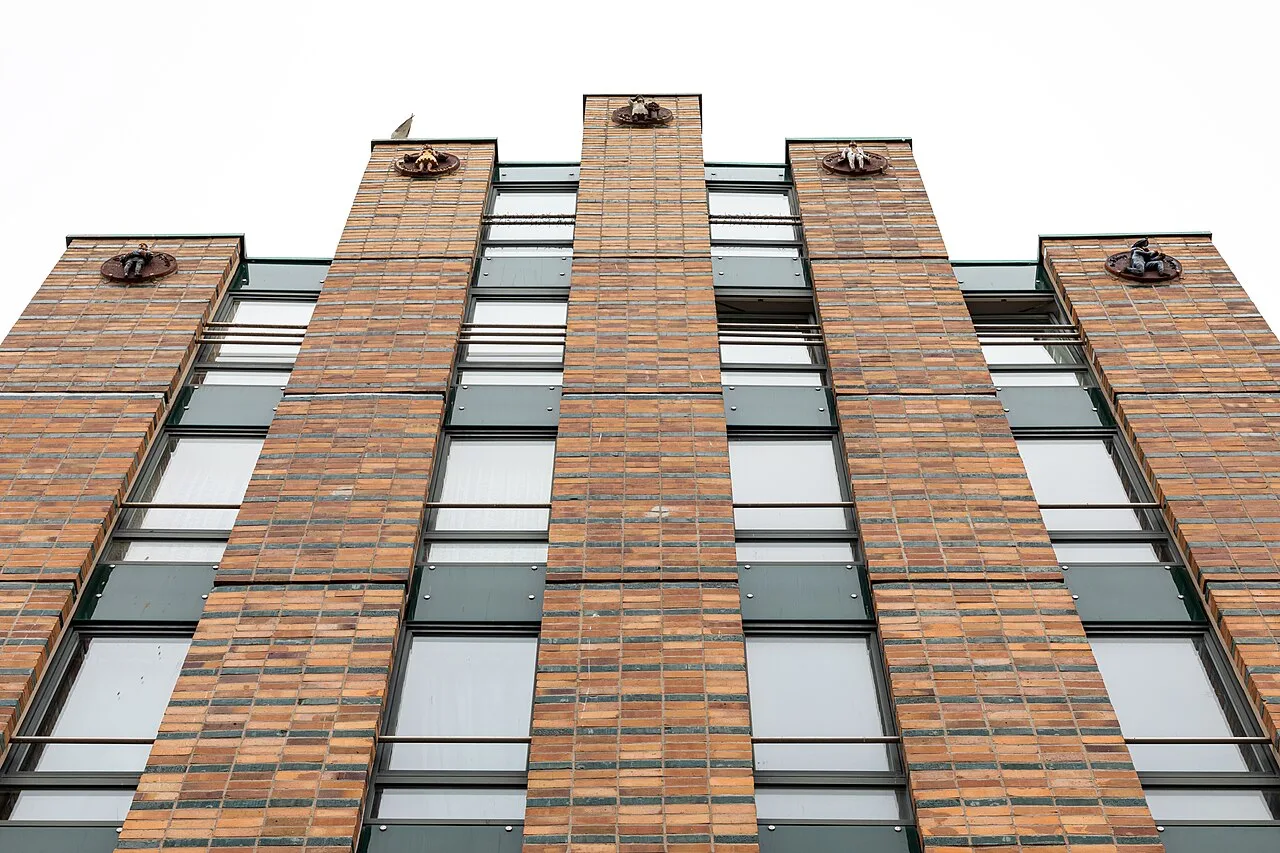
One detail explains the fabric better than any stylistic label. According to that account, brick was used because no real stone or sandstone was available nearby: builders mixed sand, clay and water, poured the mixture into wooden forms, and baked the dried bricks in field ovens on the site. Brick here was a materials solution, not a fashion choice. Once you know it, the walls, buttresses and window tracery read as structure rather than decoration.
The same account notes that the monks travelled to France, absorbed Gothic cathedral ideas, and brought them back, producing a combination of a high Gothic cathedral building with Hanseatic elements and Cistercian conventions. That mixture is why the interior can feel monumental and restrained at once. Look for it in the nave proportions and in the way light reaches the choir.
Inside the Church: What You Are Paying For
The high altar is the strongest single reason to go in rather than photograph the exterior. The Minster's own site dates it to around 1300 and calls it the oldest winged altarpiece in art history — a claim you can weigh against the object itself. Give it time rather than a glance on the way past.

Beyond the altar, the Minster's own pages treat the furnishings, the grave slabs and the roof structure as subjects in their own right, which tells you how dense the surviving ensemble is. The burial tradition matters: the Minster's own history pages describe the monastery complex as the principal burial place of the Mecklenburg princes into the twentieth century, which is why tombs and memorials cluster in one building. Read the grave slabs as a dynastic chronology rather than as ornament.
The Minster's self-description as holding the richest medieval furnishings of any Cistercian church in Europe sets expectations correctly: this is a furnished medieval interior, not a stripped one. If you have an hour inside, prioritise the high altar, the choir and the most prominent tombs, and treat everything else as a second pass.
Restoration, Access and the Moving Parts
Restoration is not a closed chapter. The Minster's current news pages report donations and patronage for the ceiling vault, ongoing funding for the main portal, and completed plaster work on the south transept gable including the rosette. The practical consequence is that parts of the building may be under scaffolding or temporarily out of view, and that is normal rather than a sign of a wasted trip.
The operator also publishes dated events, including guided historical walks in the Hütter Wohld landscape and concerts in the Minster; those listings carry their own times and registration arrangements, and they change. Do not assume a walk or concert runs on your date — consult the operator's events pages for the window you are travelling in and plan around what is actually scheduled.
Access to the interior is not unlimited. Services and devotions close the church to casual sightseeing, and the operator publishes the relevant schedule. Check the operator's opening-times and events information in the days before you go rather than relying on a guidebook or an older blog post, either of which may be out of date.
How Long to Allow, and What to Cut
Allow roughly one and a half to two and a half hours inside the church if you want to read the furnishings rather than pass through — this is our planning suggestion, not an official duration. The lower end suits a steady walk through nave and choir; the upper end suits anyone who lingers at the altar and the tombs. Add separate time for the grounds and the town.
If time is short, cut in this order: the outer grounds first, then the town centre, then any single tomb ensemble, keeping the high altar and choir for when you are not rushed. The reverse also works — go straight to the altar while you are fresh, then work backwards. Either way, do not let exterior photography consume the interior window.
Half a day is a realistic envelope for the excursion once travel is included; a full day only makes sense if you add the surrounding landscape or take in a scheduled event. If you are choosing between excursions, our Rostock landmark guides give you the alternatives side by side before you commit.
Grounds, Landscape and the Town
Walking the former monastery grounds is a free complement to the paid church visit rather than a substitute for it. The visitor account describes strolling the gardens afterwards and picturing the monastic working life of crops, gardens, wine, animals and wood. That reframes the grounds as context. Do the interior first so the outdoor walk has something to explain.
The Minster's programme reaches beyond the church walls: its event listings include guided walks through the Hütter Wohld that follow settlement from the Neolithic and Bronze Age through later phases, with monastic ponds and a long-managed fishpond system still visible in the area. These are scheduled events with their own registration arrangements, so check the operator's events pages rather than assuming a walk runs on your date. They are a genuine reason to stretch a half day into a full one.
The town around the Minster is compact enough to absorb on foot after the church. If you would rather have a structured city day on a different date, pair this excursion with an old town walking route instead of cramming both into one day.
What to Check Before You Travel
The operator publishes opening times, visitor information and tour listings, and that is the only place to confirm when the interior is open to sightseers on your date. Service times close the church to casual visitors, and those change week to week. This is the single most important pre-trip check.
Ticketing is the second check: whether an interior visit requires a ticket, whether tours are separately ticketed, and whether any part of the complex operates under a different arrangement. Do not assume one ticket opens everything — the church, its tours and any separately managed buildings may be handled differently. The operator's visitor pages state what applies.
For the journey, confirm current connections with the transport operator for the date you intend to travel and allow slack on the return leg. If you are also considering the coast, a Rostock to Warnemünde day trip fits a different day better than the same one.
Mistakes to Avoid
The most common planning error is treating the whole site as one shared ticket. Separately ticketed elements and separately managed buildings exist, so verify what your ticket actually covers rather than assuming blanket access. If your time is short, confirm which parts are open before building a plan around them.
The second is assuming everything is open all day. Churches close for services, restoration work can temporarily affect parts of the building, and special events change access — none of which you can predict from a photograph. Build the day around the confirmed opening window and keep the grounds as the flexible layer.
The third is leaving the interior as an afterthought to the town and the grounds. The church is the reason to travel and its furnishings are the reason to pay for entry. Budget your energy for the inside first, then let everything else fill whatever remains. If you want more ideas for the surrounding region, browse the Rostock city guide before you finalise the rest of your stay.
Plan Your Visit
A Bad Doberan Minster day trip from Rostock works best as a focused half day: travel out, give the interior your full attention for roughly one and a half to two and a half hours, then walk the former monastery grounds and the small town before returning. The high altar from around 1300, the grave slabs tied to the Mecklenburg princely burial tradition, and the brick fabric made on site for lack of local stone are the three things worth slowing down for.
Before you go, confirm the operator's current opening times, tour availability, ticketing arrangements and any restoration-related access changes, and check transport connections for your specific date. Those four checks remove most of the uncertainty from this excursion, and they are all published by the operator rather than by any secondary account.
Frequently Asked Questions
Is the Minster interior free or ticketed?
Treat the interior as a paid visit unless the operator states otherwise for your date. Ticketing can differ between the church, guided tours and any separately managed parts of the complex, so do not assume one ticket covers everything. The Minster publishes its own visitor and tour information, and that is where the current arrangement is stated. Walking the former monastery grounds is the free complement, not a substitute for the interior.
How much time do you need at Bad Doberan Minster?
Roughly one and a half to two and a half hours inside the church is a reasonable planning estimate for a visitor who wants to read the furnishings rather than pass through; this is a suggestion, not an official duration. If you move quickly, an hour covers the high altar and the choir. Add separate time for the grounds and the town centre, and allow for travel on top of that.
Can you visit Bad Doberan Minster from Rostock without a car?
Yes, the excursion is commonly done by public transport from Rostock, but confirm the current connections with the transport operator for your travel date, because lines and timetables change and this guide deliberately does not list them. Check return options as well as outbound ones, and leave slack if you plan to stay for a service or a scheduled event. The town itself is walkable once you arrive.
What is there to see inside Bad Doberan Minster?
The headline object is the high altar from around 1300, which the Minster describes as the oldest winged altarpiece in art history. Beyond it, the church holds an unusually complete medieval ensemble, including grave slabs and tombs tied to the Mecklenburg princes buried at the monastery, and the Minster's own pages treat furnishings, grave slabs and the roof structure as subjects in their own right. The brick construction and vaulting are part of the experience once you know the brick was made on site.
What is the difference between the church and the monastery grounds?
The church is the surviving high-Gothic building you visit, with its medieval interior. The monastery around it did not survive intact — it suffered looting during the Thirty Years' War and several abbey buildings were permanently removed — so the grounds are largely a walking environment that explains the monastic setting. Plan the interior first and the outdoor walk second so the grounds have something to illustrate.


