

Rostock is the historic Hanseatic city set inland on the Warnow river, while Warnemünde is its Baltic seaside resort roughly 12 kilometres north, where the river meets the sea. That single geographical fact decides everything about a harbor walk here: the city harbor you stroll belongs to inland Rostock, and the cruise berth and beach belong to the coastal district. Keep the two straight and the rest of your day plans itself.
The walking itself is undemanding. The Stadthafen area is a broad waterfront promenade with a sailing harbor, open views across the water, and the working port's cranes and quays beyond. It is a place to look at boats and city skyline rather than a museum you file through, which is exactly why it works well as a flexible two-hour slot instead of a fixed appointment.
This guide separates what is genuinely free to walk from what needs a ticket, explains how the harbor connects to the old town and the coast, and flags the assumptions that most often trip up first-time visitors. Prices and opening times move, so where a figure matters you will find the operator source to check rather than a stale number.
What "Rostock Harbor" Actually Means
Three different places get called "the harbor" in Rostock, and mixing them up wastes time. The Stadthafen, or city harbor, is the inland waterfront with the promenade and sailing berths; the commercial port handles freight and industry further along the Warnow; and the cruise ships dock out at Warnemünde on the coast. Only the first is a natural walking destination.
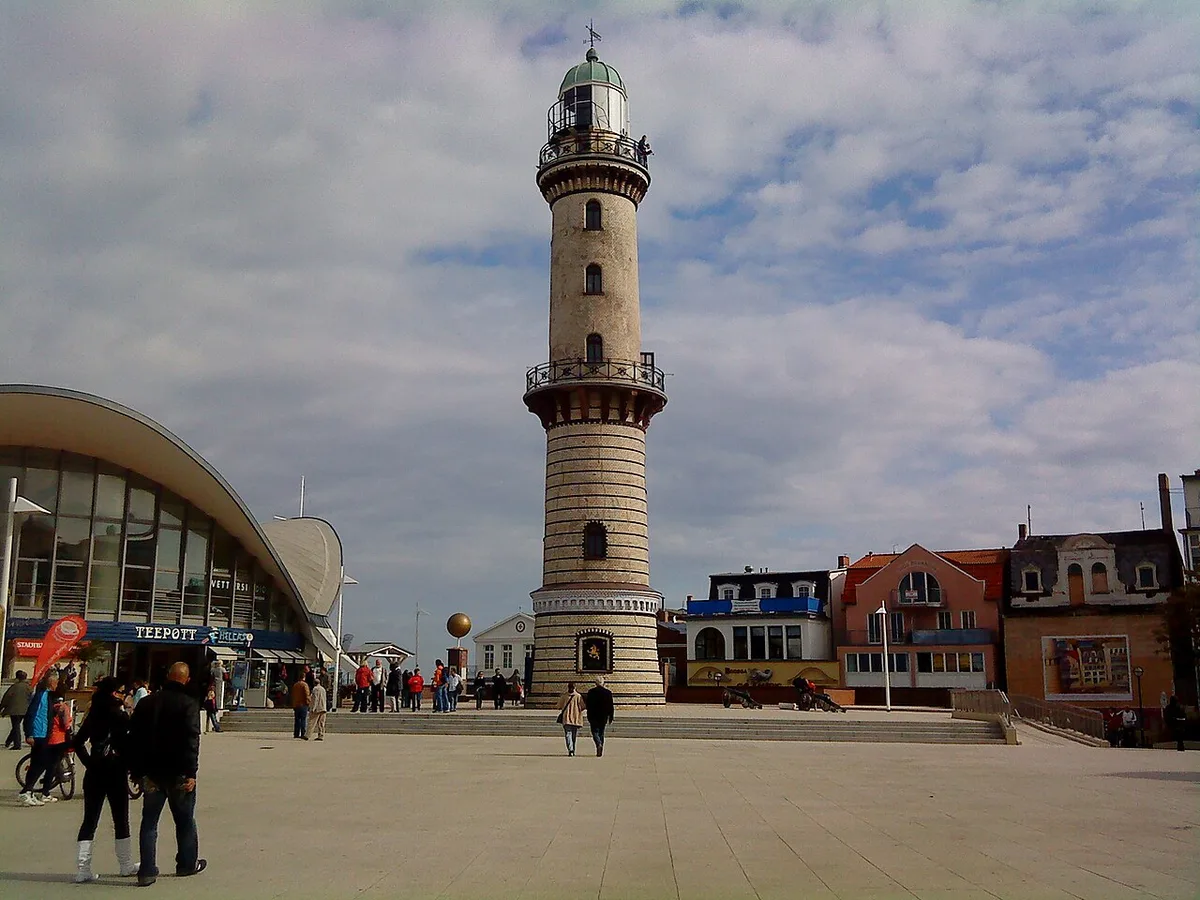
The city harbor has a long trading history, and it was deepened and expanded in the early twentieth century so that larger vessels could reach it, with industrial sites growing alongside. In the post-war decades Rostock became a major transshipment point before traffic shifted to newer facilities elsewhere. That layered story is why the waterfront today mixes leisure boats with remnants of heavier port use.
For practical purposes, treat the Stadthafen as your walk and the rest as context you view from it. If you came expecting a seaside promenade with a beach, you want Warnemünde; if you want the working city waterfront with the old town a short stroll inland, you want the Stadthafen. Naming which one you mean before you set out prevents a lot of unnecessary backtracking.
The Walk Itself: Promenade, Quays and the Historic Crane
Start at the wide waterfront promenade on the western side of the harbor, where the sailing harbor and its moored boats give you the classic view back toward the city. The surface is level and open, so you can walk without a fixed route and simply follow whichever quay looks interesting. Route suggestions from walking platforms describe this area as a broad promenade with a sailing harbor at its centre.
Two landmarks anchor the walk. The historic treadwheel crane, a wooden harbour crane of the kind once powered by people walking inside a wheel, sits on the waterfront as a reminder of how cargo moved before engines; and the restored locomotive shed nearby has been converted into a rustic venue used for events. Both are exterior features you can look at as part of the stroll.
Across the water, the Haedgehalbinsel peninsula and the opposite bank give the harbor its sense of width and let you see the working port's cranes and quays from a distance. This is where the walk shifts from sightseeing to simple observation: ships, water, sky and the city behind you. Bring a windproof layer, because the open quays catch the breeze from the Warnow.
If you want company on the route, an organised walking tour is not necessary for the harbor itself, but it can help if you also want the old town's churches and squares explained. Guided private walks in Rostock typically pair the old town highlights with a licensed guide and cover the cobbled centre rather than the working port.
How Long to Allow, and How to Pace It
Allow roughly one to two hours for a relaxed promenade loop, and treat that as our suggestion rather than any official figure; there is no published duration because the harbor is public ground with no set route. That is long enough to walk the main quay, look at the crane and locomotive shed, and take in the view across to the opposite bank. Add time if you plan to sit at a waterfront bench or wait for light to change for photographs.
For a longer outing, extend north along the water toward Gehlsdorf, where routes of several kilometres follow the riverbank. A loop from the Gehlsdorf side back past the harbor runs longer and includes the icebreaker Stephan Jantzen as a waypoint, so it suits anyone who wants a proper walk rather than a stroll. Check the route profile if you are deciding between the short and long versions.
Pace the day so the harbor is not the only thing you do. If you are combining it with the old town's churches and shopping streets, walk the harbor first while you are fresh and the light is good, then head inland. If you are fitting it around a cruise call, do the opposite: use the harbor as your buffer before you need to be back at a station.
Free to Stroll, Paid to Enter: Keeping the Two Apart
The promenade and harbor grounds cost nothing to walk, and there is no ticket barrier, turnstile or booking step for the waterfront itself. That is the key distinction on this walk: you are paying for time and shoes, not admission. Everything else you might add in the old town is a separate site with its own rules and its own cash desk.
St. Mary's Church is the clearest example, and it publishes its own visitor information rather than sharing a combined ticket with anything else. The church lists seasonal opening times, a standard adult entrance fee and a reduced rate, with free admission for children and young people under eighteen. It also notes that the building is not a museum with guaranteed accessibility and that visiting is impossible during prayer and worship times.
Beyond the standard entry, St. Mary's offers separate guided formats in summer, including a church tour and a tower and vault tour at higher prices on top of the entrance fee, with a limited number of places and a meeting point at the tower hall. Tours are normally in German except an organ visit, which can also be led in English. If a tower climb is part of your plan, book or confirm the day's schedule before you build your afternoon around it.
St. Peter's Church is a separate site with its own organisation and its own opening and tower arrangements, so do not assume one ticket covers both churches. Its own pages carry the current visitor and tower access details, and the pattern across Rostock is that each church or museum sets its own terms. Plan the harbor as free walking and the interiors as individually ticketed stops.
If you want a paid, maritime-themed indoor stop close to the water, the city's maritime collections are the logical pairing with a harbor walk, though each venue runs its own admission. A dedicated guide to the Shipbuilding and Maritime Museum visitor experience will tell you what is inside and how to plan the timing. Keep the two budgets separate when you are adding up the day.
Getting to the Stadthafen Without a Car
Rostock's public transport is dense by German standards, with S-Bahn trains, trams, buses and ferries knitting the city centre to the coast and the surrounding towns. That means you can reach the harbor area and the old town on foot from a transit stop without needing a car or a taxi. The exact stop names and services are best confirmed in the operator's journey planner on the day, since timetables change seasonally.
If you are staying overnight in Rostock or Warnemünde, the GästeCard issued as proof of the local visitor tax is worth understanding before you buy separate tickets. The accommodation version includes free use of the entire public transport network plus discounts, while the day and annual versions give access to discounts and tourist infrastructure but not the free travel entitlement. Which version applies to you depends on whether you are a staying guest or a day visitor.
The city centre connects to the coast by S-Bahn, with alternative bus and passenger boat links, but the specific line and journey details are for the operator's timetable rather than a guide written months in advance. If you are building a Warnemünde leg into the same day, check departures before you start the harbor walk rather than at the station. That single step removes most of the stress from a two-part day.
Rostock Stadthafen Versus Warnemünde
These are two different days out, not two halves of the same one, and the choice comes down to what you want from the water. The inland Stadthafen gives you a working city waterfront, an old town a short walk away, and a harbor shaped by trade and industry. Warnemünde gives you a seaside resort village with a beach, a lighthouse and a canal lined with fishing boats and shops.
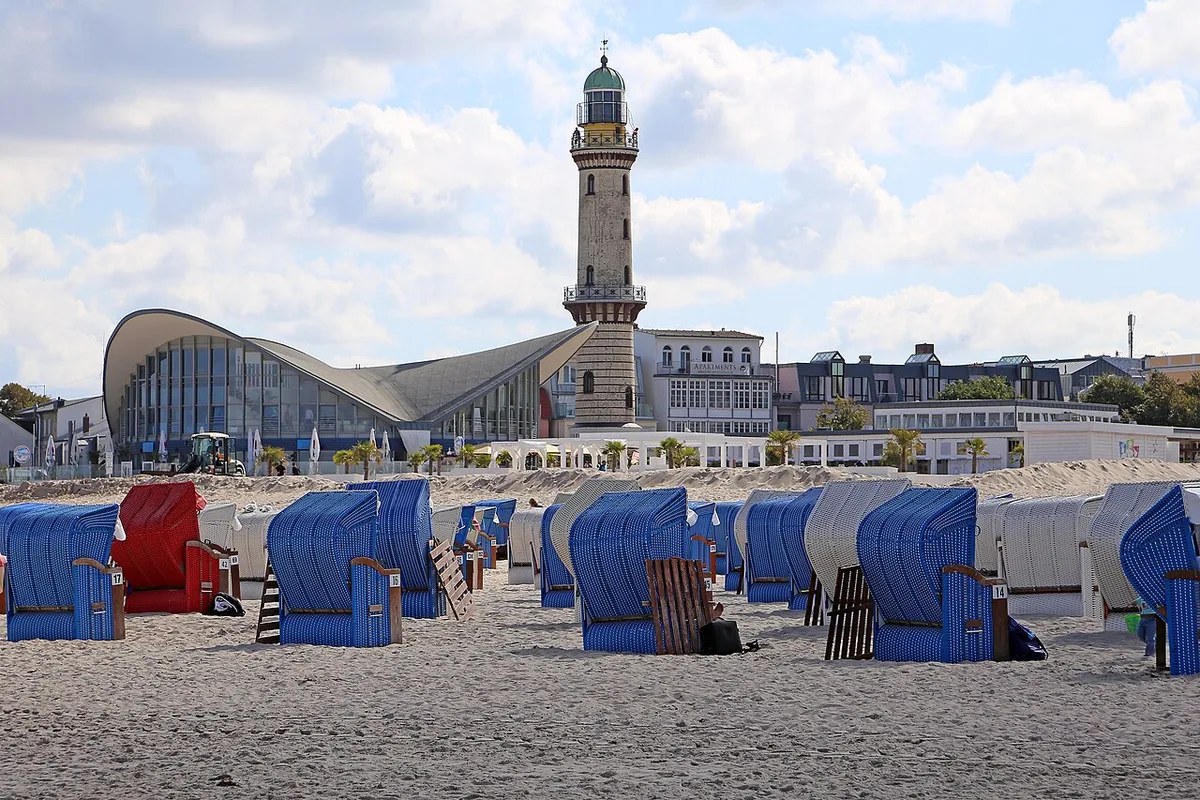
For cruise passengers the contrast is sharpest at the terminal. Warnemünde is a walk-off port: you step off the ship and you are effectively in the Alter Strom canal area, with the village, the church square and the beach all reachable on foot. Inland Rostock is not walkable from the pier, so reaching the city harbor means using the train station immediately outside the terminal or arranging other transport. A detailed Warnemünde cruise port guide spells out this distinction clearly.
If you only have one port day and want a low-risk plan, staying in Warnemünde removes the transport question entirely. If the working harbor and the Hanseatic old town are the point of your trip, base yourself inland and treat the coast as an optional add-on rather than the headline. Doing both in one day is possible, but it costs you the relaxed version of each.
Weather, Season and What to Wear
Rostock has a maritime climate with mild winters, fresh summers and a steady sea wind that produces quick changes in weather and a high number of sunny hours across the year. On the open quays that breeze is the dominant sensation, so a windproof layer earns its place even on a bright day. Plan the walk around the forecast rather than against it.
Spring and autumn are good for walking and observing rather than swimming, while the summer months suit beach time on the coast and the region's big maritime festivals, which cluster in July and August. Do not promise yourself a beach day as part of a city harbor walk: the Baltic here is often too cool or windy for comfortable sunbathing even in high summer. Build flexibility into the schedule and let the weather decide the order of your day.
If rain arrives, that is the moment to shift indoors. Rostock and its region have plenty of covered options, from maritime exhibitions and historical museums to indoor pools and research centres. The city's own visitor information lists these alternatives, which is a useful fallback when the promenade is too exposed.
Common Mistakes on a Rostock Harbor Day
The first mistake is assuming the harbor sits directly beside the old town's headline sights. It does not: the Stadthafen is a separate waterfront area, and the walk from the churches and market square to the quay is a real, if short, stretch of city. Budget that transition rather than expecting to step from a church door onto a pier.
The second is treating Rostock's church and museum interiors as one shared ticket. St. Mary's, St. Peter's and the city's museums each run their own admission, and St. Mary's explicitly lists separate guided tour prices that come on top of entry. Check each site's own page before you decide how many interiors you can afford in one afternoon.
The third is over-scheduling. Adding a long-distance city excursion to a port day is a common temptation, but a Berlin add-on is a substantial round trip each way and eats most of a port call. If the harbor and old town are your interests, keep the day local and give the waterfront its proper hour rather than rushing back to a train.
The fourth is practical: Germany uses the euro, and US dollars are not accepted, so arrive with contactless payment or cash in euros. Cards and tap-to-pay are standard in tourist areas, but a small amount of cash covers the odd exception. Comfortable shoes matter too, since the promenade and old town streets together add up to more walking than the map suggests.
Building the Harbor Walk into a Bigger Rostock Day
The harbor works best as one distinct block in your day rather than an item squeezed between church visits. Walk the waterfront, then move inland to the old town for the squares, the churches and the shopping streets on Kröpeliner Straße. That order keeps the outdoor section in daylight and leaves the ticketed interiors for when you are ready to slow down.

If you only have one day in the city, structure it around the harbor in the morning and the old town after lunch, using the waterfront as the orientation point for everything else. A one day in Rostock itinerary helps you see how the pieces fit without retracing your steps. The details of which church or museum to prioritise come down to your own interests and the day's opening times.
If you are deciding between the harbor and the old town as your single focus, remember they are close enough to combine but different in character: one is open, breezy and free, the other is enclosed, historical and mostly ticketed. Start with the full picture of what else the city offers, then choose how much of the day the water gets.
Plan Your Visit
A Rostock harbor walk is a free, low-commitment way to understand the city: a working waterfront on the Warnow, an old Hanseatic centre a short walk away, and a coastal resort district that is a separate trip entirely. Decide first whether you mean the inland Stadthafen or the Warnemünde coast, and the rest of the day becomes straightforward.
Then confirm the few things that change: current opening times and ticket prices at the churches and museums you plan to enter, and the day's transport connections if you are adding Warnemünde. Check those on the operators' own pages rather than relying on a guide written in advance, and leave the promenade itself unscheduled so weather and mood can set the pace.
Frequently Asked Questions
Is there a ticket for the Rostock harbor walk?
No. The Stadthafen promenade and the surrounding harbor grounds are public space, and there is no admission charge or booking step to walk them. What costs money are the separate sites you might add afterwards, such as the old town churches and museums, each of which sets its own entrance terms and opening hours. Treat the waterfront as free strolling and check the individual operator pages for anything you plan to go inside.
Can you walk from Warnemünde to Rostock?
Not as a practical walk. Warnemünde is the coastal district and the inland city centre sits roughly twelve kilometres away along the Warnow, so the normal approach is by public transport rather than on foot. If you arrive by cruise ship, the station outside the terminal connects the coast to the city, and the city's own visitor information explains the wider network of trains, trams, buses and ferries. Check current departures before you commit to a two-part day.
What does the Rostock harbor walk actually show you?
Mostly the working city waterfront: a broad promenade with the sailing harbor, views across the Warnow to the opposite bank and the commercial quays, the historic treadwheel crane on the quay, and the restored locomotive shed that now serves as an event venue. It is an outdoor, observational walk rather than a guided route, and its character changes with the light and the traffic on the water. The old town, with its churches and squares, is a separate short walk inland.
How long should you allow for the harbor walk?
Roughly one to two hours is a sensible suggestion for a relaxed promenade loop, though nothing about the harbor sets an official duration because it is public ground with no fixed route. Add time if you extend north along the river toward Gehlsdorf, or if you pause for photographs and a bench. If you are also visiting a church or museum afterwards, keep that as a separate block with its own time budget.
Is the Rostock harbor walk suitable in any weather?
The promenade is open ground, so rain, strong wind or cold will directly affect how long you want to stay out. Rostock's maritime climate brings quick changes and a steady sea breeze, so a windproof layer and a flexible plan help more than a fixed schedule. If conditions turn, the city and its region have indoor options such as maritime exhibitions and museums that you can substitute on the day.


