

The Schifffahrtsmuseum Rostock presents its regional maritime story from an unusual base: a heritage-listed, 10,000-tonne freighter moored in the IGA Park on the banks of the Warnow. According to the operator, the museum displays more than 12,000 exhibits tracing shipbuilding and seafaring from the Hanse era to the present, and it describes itself as Germany's largest floating museum. That combination of historic ship and dense collection is what separates this museum from a conventional gallery visit.
The museum sits at Schmarl-Dorf 40 in the north of the city, well away from the compact old town around the Neuer Markt. It is a deliberate half-day excursion rather than a quick stop between other sights. If you are shaping a wider itinerary, the Rostock: Itineraries and City Travel Guides collection can help you slot this in alongside central sights.
This guide covers what is on board, how the exhibition, ship rooms and outdoor area relate to each other, and who gets the most from the journey north. It also flags the planning details most likely to trip up first-time visitors.
Quick Answer: What the Museum Is and Who It Suits
Officially described by its operator as Germany's largest floating museum, the site is built around a preserved ocean-going freighter with original rooms still in place. Visitors can walk the engine room, the bridge, sailors' quarters and the ship's hospital. A permanent exhibition adds context, and an outdoor section extends the visit beyond the hull.
The museum suits travellers who want industrial and maritime history told through objects rather than panels alone, and families looking for a large, walkable space with plenty to point at. It is less suited to anyone with only an hour to spare in the city centre, because the location and the amount on board both argue for a longer stay. A suggested duration of roughly two to three hours on site is a reasonable personal planning figure, not an official figure, and it will stretch if you add special exhibitions.
One key expectation to set: the visit is layered. The ship interiors, the permanent exhibition REEDER.RUDER.SEEMANNSGARN, temporary special exhibitions and the open-air displays are distinct elements, and the sensible approach is to check what your ticket includes before you travel rather than assuming everything on site is covered. Do not assume every museum in a complex shares a ticket.
Where the Museum Sits in the IGA Park on the Warnow
The address is Schmarl-Dorf 40, 18106 Rostock, inside the IGA Park on the Warnow. The regional tourism board for Mecklenburg-Vorpommern lists this as the museum's location and provides a route planner for arrival by car. Public transport connections from the centre exist, but you should verify the current connection rather than relying on a fixed route description.
The riverside setting matters for more than scenery. The park around the ship gives the outdoor displays room to breathe and lets you combine a museum visit with a walk along the water. Rostock's central harbour walk is a different experience entirely, closer to the city and its waterfront pubs, so treat the two as separate outings rather than variations on the same thing. For wider planning, see A Rostock Harbor Walk.
Because the park is the immediate context, you can build a visit around the ship together with a wander through the grounds. The riverside paths support that, though you should not count on shop or restaurant stops on site beyond what the operator publishes.
The Permanent Exhibition REEDER.RUDER.SEEMANNSGARN
The permanent exhibition is the museum's narrative core. According to the operator, it uses modern media technology and interactive stations for adults and children, and it covers shipbuilding and shipping history from the Hanse era to the present in more than 12,000 exhibits. That combination of scale and interaction is the reason the ship can absorb a long visit.
Beyond the regional shipbuilding story, the exhibition also widens to marine radio, seafaring aviation and port economics, as described on the operator's site. The timeline from Slavic dugout to computer-controlled modern shipyard production gives the collection a clear arc that is worth following in sequence. If you are short on time, decide in advance which threads you care about and accept that you will not cover everything.
Since the shipbuilding history of Mecklenburg-Vorpommern is the spine of the collection, knowing a little about the region's shipyards beforehand will sharpen what you notice. The exhibition rewards a slow approach; skipping the interactive stations loses much of what makes the format work for families.
Original Ship Rooms You Can Walk Through
The original rooms on board are the part of the museum that most clearly connects the exhibits to working life at sea. Visitors can look into the engine room, the original bridge, the sailors' quarters and the ship's hospital, according to the german.travel entry for the museum. The 10,000-tonne freighter is itself heritage-listed, so the rooms are both exhibit and artefact.
These spaces are physically narrow and require navigating ladders and tight spaces typical of a working freighter. That character is exactly the point, but it does mean a visit takes longer than a flat museum floor. Allow time for the rooms rather than treating them as a quick add-on to the upper decks.
Because there is not currently verified information in the source material about step-free access, lifts or wheelchair suitability inside the ship, plan around uncertainty. Before booking, contact the operator directly about specific mobility needs rather than assuming the ship is fully accessible.
Outside the Hull: Concrete Ship, Floating Crane and Other Displays
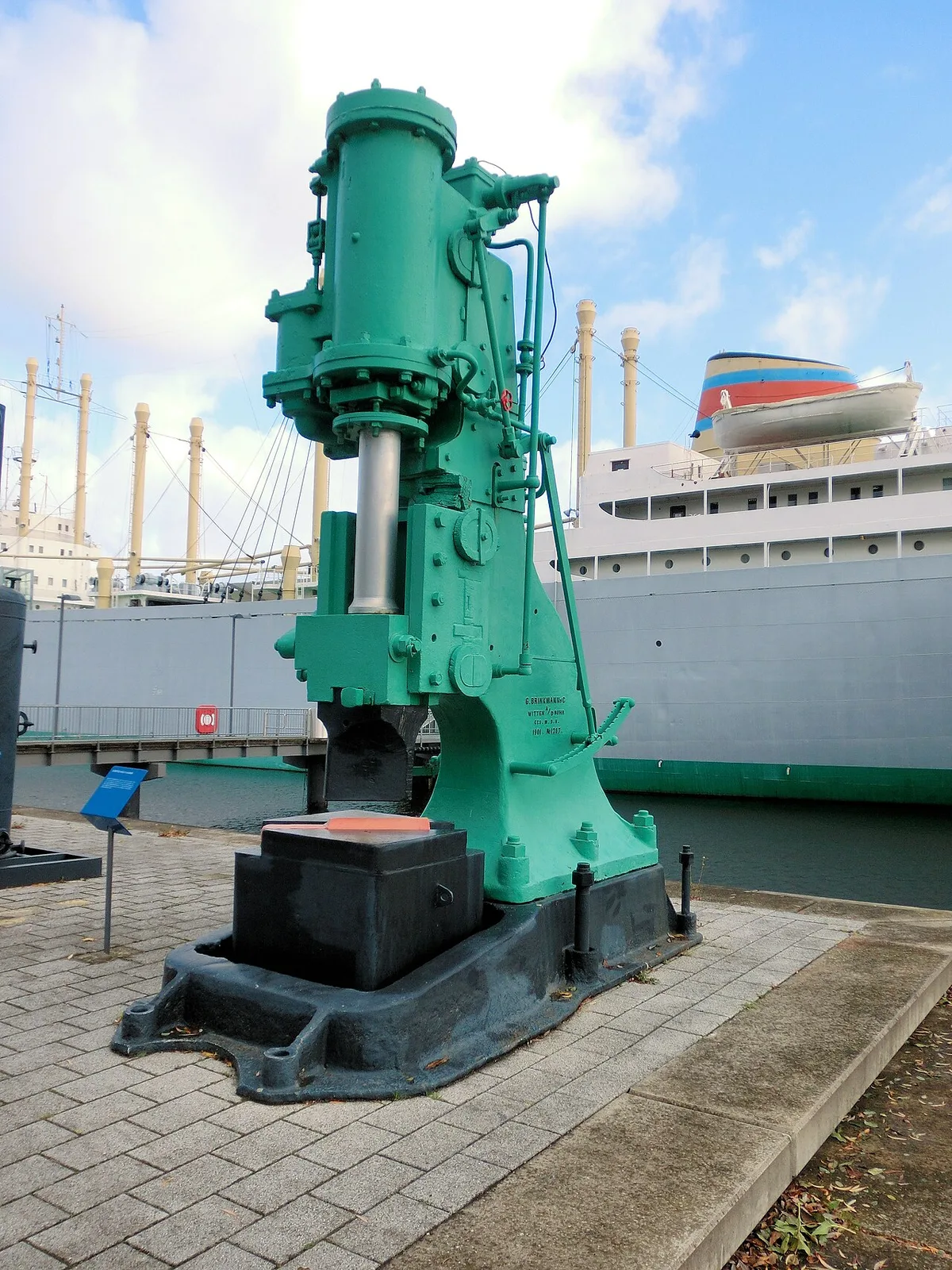
The open-air area is easy to underestimate. According to the regional tourism board for Mecklenburg-Vorpommern, the extensive outdoor section includes a concrete ship, a floating crane and many other technical highlights, and it is what makes the visit work as a family outing. Many visitors walk straight past these displays en route to the hull and miss a substantial part of the museum.
The germany.travel entry for the museum also notes that visitors can get to grips with navigation marks as part of the open-air display, which suggests a hands-on element rather than just static hardware.
Treat the outdoor section and the ship interiors as separate layers when you plan. Check what the operator says about ticket scope at the time of your visit rather than assuming one entry covers everything, and give the outside area real time on your schedule.
Special Exhibitions and Why a Return Visit Looks Different
The museum runs temporary special exhibitions alongside the permanent display, which change what a second visit offers. The operator's site currently advertises specific shows by name and hosts an events calendar with workshops and programmes through the year.
The practical implication is straightforward: a visit in one season and a visit in another are not the same visit. If a particular exhibition is your main motivation, check the operator's current programme before you travel rather than relying on a printed listing or an old review. Special exhibitions can also carry different conditions from the permanent display, so note what your ticket covers.
For anyone who lives within reasonable reach of Rostock, the rotating programme is a fair argument for treating the museum as a repeat destination rather than a one-off. For everyone else, the permanent collection and the ship itself are the reliable anchors of the visit.
Using the App for the On-Board Tour
The operator provides the SCHIFFFAHRTSMUSEUM ROSTOCK app to accompany visitors on a self-guided tour of the ship. It functions as a navigation and content aid rather than a staffed guided experience, so it rewards a phone with charge and headphones. Downloading it before you arrive saves time at the entrance. More than 12,000 exhibits are distributed across the ship and its surroundings, so a self-guided tool helps you decide where to spend attention in a fixed window. Treat app commentary as context for the physical rooms you are standing in, not as a substitute for them. If you prefer a conventional guided format, check whether the operator is running one on your date rather than assuming the app is the only option.
Families will find the app especially useful, since it lets children and adults follow different levels of detail in the same space. Pair it with a plan for what you want to see first, because the ship's layout can otherwise turn a visit into a wandering loop.
Family Practicalities On Board
The museum markets itself explicitly as a family destination, and the mix on board supports that: interactive stations, original machinery and open-air hardware are all things children tend to engage with. The scale of the site means there is enough variety to break up attention spans between indoor and outdoor sections. More than 12,000 exhibits spread across the ship and grounds also mean you are unlikely to run out of things to look at, which is a genuine advantage on a wet day. The trade-off is that a large ship with narrow original rooms and ladders gets tiring, particularly for younger children and anyone unsteady on their feet.
Build in a break by stepping outside into the park between the indoor exhibition and the ship rooms. Comfortable shoes matter more here than at a standard museum, since you will be moving between levels, decks and outdoor displays.
If the weather turns, the ship interiors and the permanent exhibition provide a solid wet-weather option; the broader Rostock rainy day ideas can complement that if you want to keep the day flexible.
Deciding on the Trip from Central Rostock
The core question for anyone based in the city centre is whether the journey north is worth it. The answer depends on your interests: if shipbuilding, working ships and maritime technology appeal, this is the strongest single destination for that in the area. If your priorities are Hanseatic architecture, the old town and the harbour promenade, the museum is a half-day detour that may not earn its place in a short trip.
Visitors with three or more days in Rostock can comfortably pair the museum with a wider exploration of the city, and the Rostock: Itineraries and City Travel Guides hub is a useful place to see how the pieces fit together. Those passing through on a single day should weigh the travel time against what they would rather be doing in the centre.
A reasonable compromise is to visit the museum in the morning and return to the centre for the afternoon. St. Mary's Church Rostock visitor guide covers a central landmark that works well as the second half of that day.
Timing Your Visit and Checking Hours
Opening hours are the single most common planning mistake for this museum. According to the regional tourism board for Mecklenburg-Vorpommern, the museum is closed on Mondays, with hours from 10:00 to 18:00 Tuesday through Sunday in the period from 1 April to 31 October, and 10:00 to 16:00 Tuesday through Sunday from 1 November to 31 March. The listing also shows that holiday opening can differ, with some holidays closed. Do not rely on a fixed schedule printed in an old guide; check the operator's current hours page before you travel.
Because the hours vary through the year and holidays complicate the picture, the safest single habit is to confirm the day's opening on the operator's site on the morning of your visit. That one check prevents most wasted journeys. Note that the museum is set inside the IGA Park, so the park and the ship can have different opening patterns; plan around the museum's hours, not the park's.
Seasonality also affects how much of the open-air area you will want to explore. Summer days make the outdoor displays easier to enjoy, while colder weather pushes the visit indoors where the ship's original rooms and permanent exhibition carry the experience.
Respecting the Scope of Your Ticket
One of the easiest assumptions to get wrong is that a single ticket covers everything. The museum presents the permanent exhibition, original ship rooms, special exhibitions and an open-air section as distinct offerings, and the operator's site has separate sections for exhibitions, prices and opening times, and online tickets.
Current ticket prices and concession categories are not something to plan around from memory or from third-party listings, which may be outdated. Check the prices and hours page on the operator's site for current figures and what each category includes, particularly if a paid special exhibition is running during your visit.
Similarly, the operator site has sections for tickets and gift vouchers, but whether online booking is currently available for your date is something to confirm directly rather than assume. The same applies to any combined ticket with the wider IGA Park; treat it as a question for the operator, not a default.
Pairing the Museum with the Rest of Rostock
The museum's position north of the centre means it slots naturally into a day that stays in the northern part of the city, or into an afternoon when you return to the city core. Central sights such as Kröpeliner Strasse & Neuer Markt and the surrounding Hanseatic streets sit at the other end of the journey, so combine them with the museum only if you have a full day.

For wet or cold days, the museum works well as the main outing, and the Rostock rainy day collection rounds out the rest of the day with indoor options back in the centre.
Cyclists and walkers can build in a route along the Warnow as part of a longer day in the northern IGA Park area. If you want to structure the city visit first, the Rostock: Landmark Visitor Guides collection is the place to start before committing to a fixed schedule.
What to Check the Day Before You Go
Confirm the current opening hours for your date on the operator's site, since the museum varies its schedule by season and closes on Mondays. Check whether a special exhibition is running and whether it affects what your ticket covers. If you have mobility needs, contact the operator directly rather than relying on general accessibility descriptions.
Then check what is included in the price you will pay, so that the ship interiors, the permanent exhibition and the open-air displays are each accounted for on your plan. That single set of checks turns a good visit into a predictable one.
Frequently Asked Questions
How long does a visit to the Schifffahrtsmuseum Rostock take?
Most visitors should plan for a half day rather than an hour. The ship interiors include the engine room, bridge, sailors' quarters and hospital, and the permanent exhibition holds more than 12,000 exhibits, so even a focused visit takes time. Add the open-air section with the concrete ship, floating crane and other technical displays, and two to three hours is realistic. A longer stay makes sense if a special exhibition is running or if you are visiting with children who want to explore the interactive stations.
Is the Schifffahrtsmuseum Rostock good for young children?
The museum markets itself as a family destination, and the format supports that: interactive stations in the permanent exhibition, original ship machinery and outdoor hardware to look at. The main challenge is that a large ship with original rooms and ladders is tiring, particularly for very young children. Plan a break in the park between the indoor exhibition and the ship rooms, and be ready to keep visits to the ship interiors short.
Is the museum worth the trip from Rostock city centre?
That depends on your interests. If you want maritime and industrial history, shipbuilding context and a working ship you can walk through, the museum is the strongest single destination for it in the area. If your priority is Hanseatic architecture and the old town, the journey north is a half-day commitment that may not suit a short trip. Visitors with several days in Rostock can usually fit it in comfortably.
Is the museum open on Mondays?
The regional tourism board's listing for the museum shows it closed on Mondays. Seasonal patterns apply across the rest of the week, with longer opening hours in summer and shorter hours in winter, and holidays can affect the picture. Confirm the current opening hours for your specific date on the operator's site rather than relying on a guidebook.
Does one ticket cover the ship and the open-air displays?
The museum presents the ship interiors, the permanent exhibition, special exhibitions and the open-air displays as separate layers, so do not assume a single entry covers everything. The operator's site has distinct sections for exhibitions, prices and opening times, and online tickets. Check the current prices and inclusions before you travel, and note that a paid special exhibition may sit outside the standard entrance.


