

Passau is a compact walking city, and its strongest no-cost experiences sit outdoors on the narrow peninsula between the Danube, Inn and Ilz. A suggested loop of the Altstadt, the riverbanks and the confluence viewpoint takes roughly three to four hours at an easy pace, and that figure is a planning estimate rather than an official timing. Expect cobblestones, short climbs and weather that can rewrite your route.
The honest starting point is that free in Passau usually means exteriors, grounds and public streets rather than interiors. Museum collections, fortress exhibitions and boat cruises are ticketed, and the Garten am Paulusbogen contains Passau gold bitter orange trees, a hardy citrus variety named after the city, according to Happy to Wander. Passau Tourismus, the city's official tourist information service, is the place to confirm current opening times and any ticketed arrangements, and the Passau attractions hub is a useful next stop.
Start at the Dreiflüsseeck and the Ortspitze
The Dreiflüsseeck, the corner where the Danube, Inn and Ilz meet, is the city's signature free sight. A small park leads to the Ortspitze, the lookout point in the middle of the rivers, and you pay nothing to stand there. It is a short walk from the old town rather than a trip out of town. According to Happy to Wander, the confluence viewpoint is calmer and less dramatic than postcards suggest, with the separate colours tougher to distinguish than expected, which is worth knowing before you build the day around it. For wider planning, see Dreiflüsseeck Passau.
Manage your expectations about the colour separation. When conditions are right the Danube, Inn and Ilz can show different colours where they meet, but the distinct bands depend on water levels and light, and Happy to Wander found them tougher to distinguish than expected. Treat the viewpoint as a calm spot to sit and orient yourself rather than a guaranteed spectacle, and it becomes a worthwhile stop. For more vantage points, see best viewpoints in Passau.
Walk the Innkai and the Innpromenade
The Innkai runs directly beside the Inn and links the Dreiflüsseeck with the promenade near the Marienbrücke, one of the loveliest free walks in Passau. Along the way you pass densely built riverside houses and the medieval Schaiblingsturm, a thirteenth-century tower that has served as defence, storage and accommodation over the centuries; according to Happy to Wander it now belongs to a school and is only occasionally used, so admire it from the outside.
One real constraint matters here: when Inn water levels are high, the riverside footpath can be completely submerged, so check river conditions before committing to the full route and be ready to detour up into the streets instead. The flood lines marked on the Rathaus facade elsewhere in the old town make the same point in stone, showing how high past floods have reached. Further visitor details appear in 18 Unique & Fun Things to Do in Passau, Germany.
Sunset spots and quiet corners along the Inn
Continue past the Innkai to the Innpromenade and you reach a small park next to the Marienbrücke, described by Happy to Wander as one of the best free sunset spots in the city. The paths beside the Inn are delightful on a sunny day, and the park costs nothing to use. Arrive a little before sunset, since the light drops behind the ridge fairly quickly.
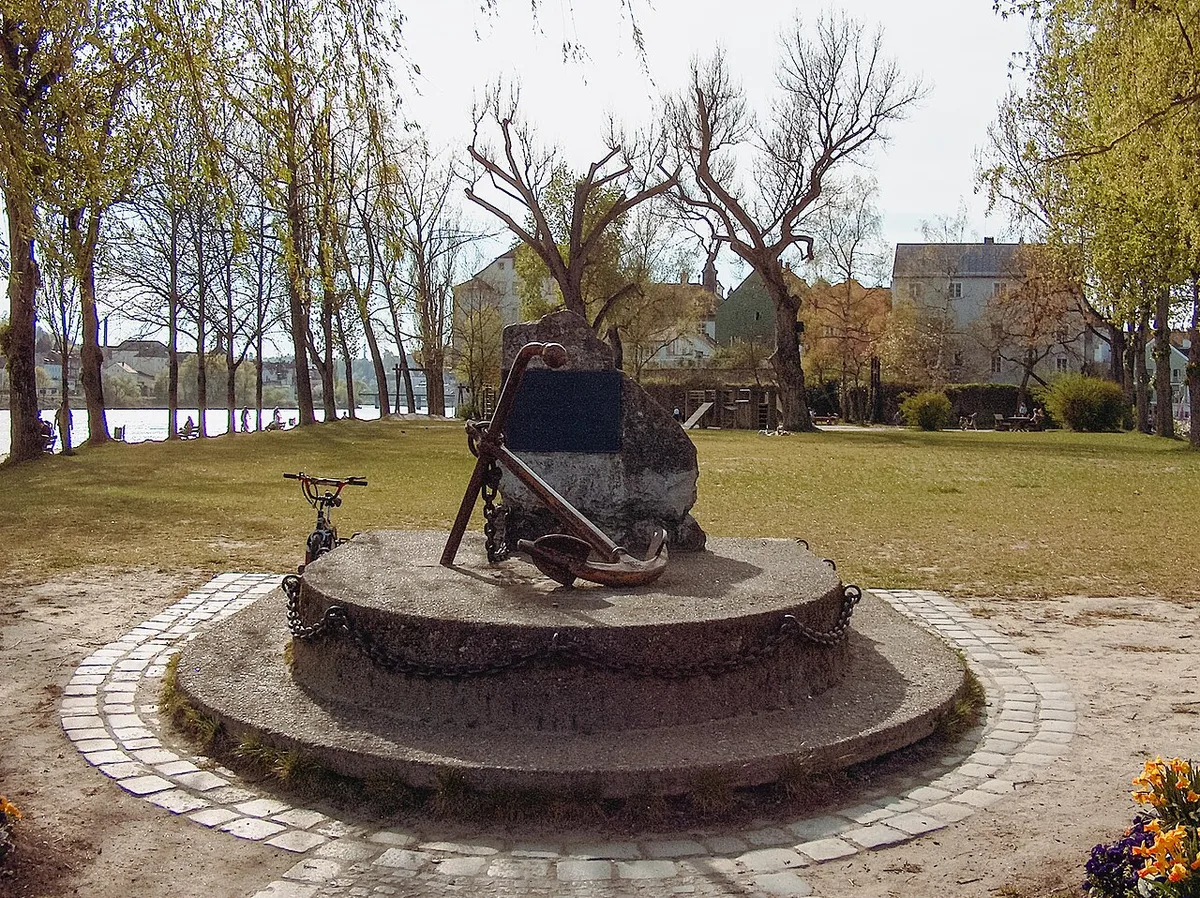
On the same promenade stands the Mahnmal für die Opfer des Nationalsozialismus, the Memorial for the Victims of National Socialism, created by Austrian sculptor Wolfgang Kirchmayr. It is free to visit, and the surrounding park has flowerbeds, riverside seating and steps down toward the water. This is a place for quiet reflection rather than sightseeing, so adjust your pace accordingly. Further visitor details appear in 18 Unique & Fun Things to Do in Passau, Germany.
Church visits without a ticket
St. Stephen's Cathedral, or Dom St. Stephan, is one of Passau's most recognisable landmarks, and stepping inside to look at the Baroque interior is the classic free move. The domes rise above the city and are visible from far off, while the interior frescoes and decoration reward a short, respectful visit. Treat it as a working church rather than an attraction, and keep your voice down if a service is under way.
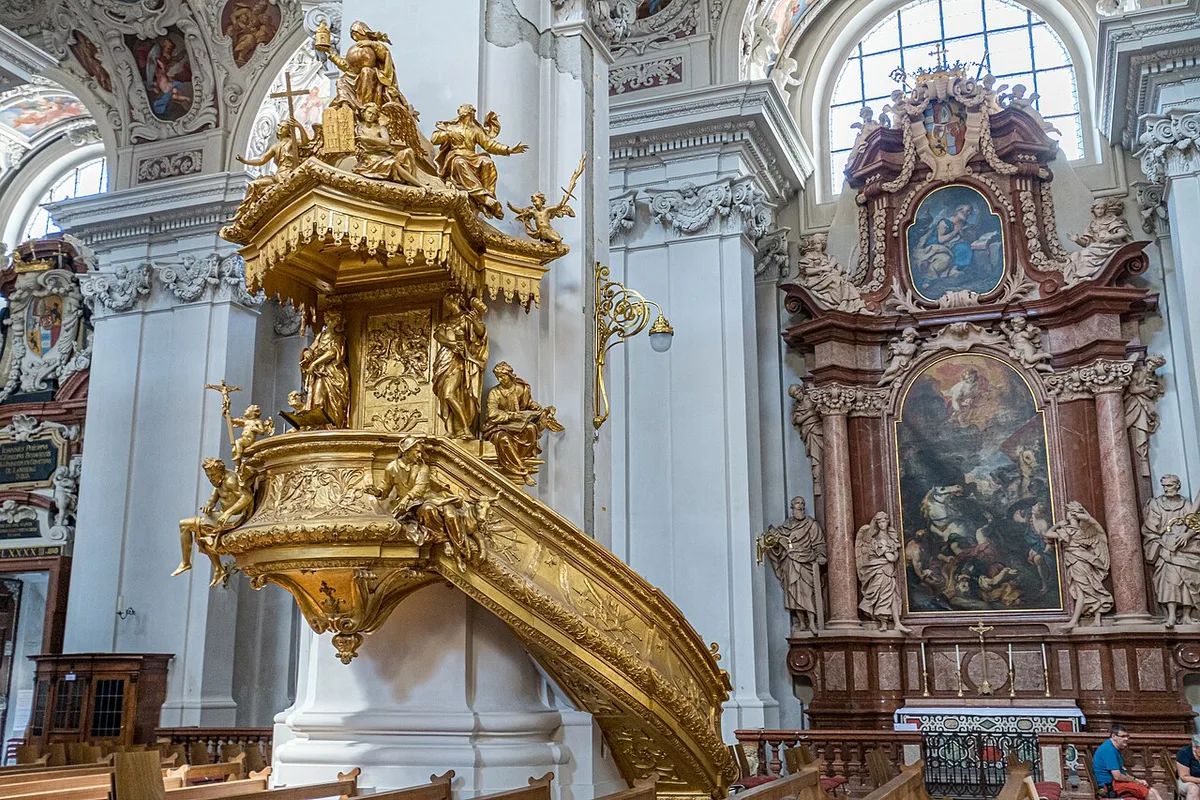
The organ is a separate, time-limited offering rather than part of ordinary sightseeing, so check current arrangements with the cathedral or the tourist office before planning your day around hearing it. If the organ matters to you, build slack into your itinerary. Be careful with claims about its size or ranking, which circulate widely without a current source.
On the south bank of the Inn, the Mariahilf Pilgrimage Church offers another free option: a Rococo interior and views back over the city. Happy to Wander notes you can reach it by road or by climbing the covered Wallfahrtsstiege stairway, whose walls carry votive tablets that give you an excuse to pause on the way up. The stairway and outdoor views are the reliable free elements, since interior access at smaller churches can vary. For more on this church, see the Mariahilf Pilgrimage Church guide.
Altstadt wandering: streets, squares and the Rathaus
Passau's Altstadt is a free pleasure in itself, with Baroque architecture and lanes that reward aimless strolling. Theresienstrasse is a long paved street lined with cafes and small shops, with the tower of St. Mathaeus church as a landmark, while Residenzplatz is the main square in front of the former prince-bishop's residence and holds the Wittelsbacherbrunnen fountain in the middle. Both cost nothing to cross and linger in, and they anchor a straightforward old town walk. Further visitor details appear in 18 Unique & Fun Things to Do in Passau, Germany.
The Rathaus, or Old Town Hall, is another exterior worth studying: according to Happy to Wander, the original building on the site is believed to date from the fourteenth century, with Gothic, Baroque and Rococo elements layered over later renovations. Its clock tower carries a carillon that plays melodies at various times, and the facade shows markings from historic floods. Free viewing is of the outside and the public square; anything beyond that should be verified with the city rather than assumed. For more on this building, see the Altes Rathaus visitor guide.
Höllgasse and the Garten am Paulusbogen
Höllgasse, known as Artist's Alley, is a free stroll past rainbow-painted cobblestones, galleries and shops, with art often displayed out on the street. Browse without buying and the street still delivers; the moment you step into a shop or a sweet shop, the no-spend rule ends. It is one of the easiest places in Passau to lose an hour on foot.
The Garten am Paulusbogen is a quieter free break, a small garden below the former city gate at St. Paul's Church with flowers and views toward the Veste Oberhaus and the Danube. According to Happy to Wander, it holds Passau gold bitter orange trees, a hardy citrus variety named after the city. Note the terrace restaurant directly next door is a paid option, so the garden is your free seat and the restaurant is not.
Viewpoints: free panoramas and paid interiors
Veste Oberhaus is the classic decision point. According to Happy to Wander, you can walk up from the city, either by a relatively steep hike or by taking a shuttle bus from the centre, and the panorama over the rivers and rooftops is the reason most people go; the approach and the outside views are the free part. The fortress also houses a museum complex covering Passau's history, the prince-bishops and medieval weaponry, with guided tours and occasional events, and those interiors are ticketed. For more on the fortress, see the Veste Oberhaus guide.
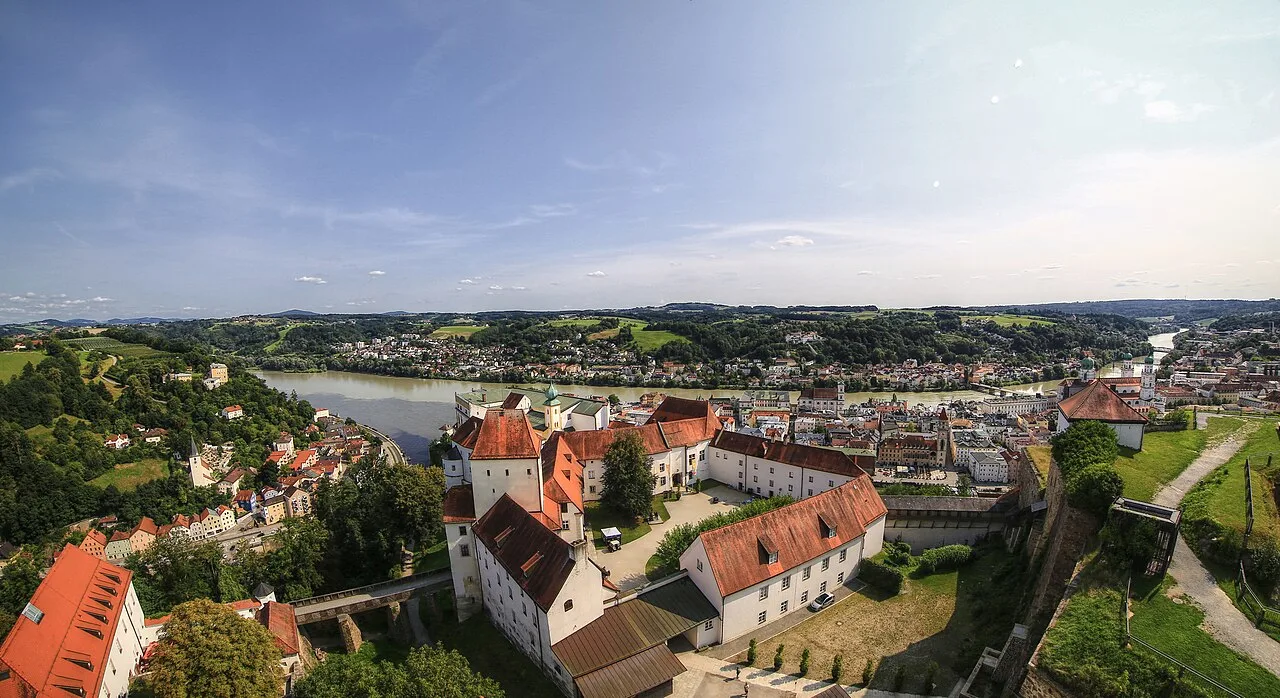
If your priority is the view rather than the collections, the walk up and the terrace are enough, and you can skip the interior without missing the city's best angle. If you do want the exhibitions, check the fortress's own information for current access and ticketing rather than assuming grounds and museum share one arrangement. The riverside restaurant with a view is a paid pleasure, not a free one, and the Oberhaus museum is a separate decision again.
Building a free half-day or full day
For a free half-day, loop the Altstadt on foot: Residenzplatz, Theresienstrasse, the Rathaus exterior and Höllgasse, then drop down to the Dreiflüsseeck and the Ortspitze. This route hits the city's signature free sights without any ticket, and it is short enough to absorb a detour if the weather turns. A suggested duration of three to four hours is a reasonable planning figure, not an official one.
For a free full day, add the Innkai and Innpromenade walk, the memorial, a sunset stop near the Marienbrücke and the Mariahilf climb if your legs agree. Keep the paid interiors as optional extras rather than obligations. If you have more time, splitting the riverbanks from the old town across two days keeps the pace comfortable. For wider planning, see One Day in Passau.
The same no-spend logic works in other German cities, so compare approaches if you are planning a wider trip. A no-spend day in Berlin or a budget day in Munich follows similar rules: public streets, parks and churches are free, while museums and cruises are where the money goes.
Where money still creeps in
Boat cruises are the clearest paid category: as Happy to Wander notes, several cruise companies operate from the riverbanks, and the experience is a ticketed one, so treat it as an add-on rather than part of a free day. Check current sailings and fares with the operator rather than a blog. If you decide the splurge is worth it, book through the operator or the tourist office and confirm what each fare includes.
The three small museums are separate, independently ticketed venues and should not be treated as one combined ticket: the Passau Glass Museum near the east end of Höllgasse, the Museum Moderner Kunst Wörlen with its modern and contemporary collection, and the Römermuseum Kastell Boiotro with its Roman fort artefacts. Each has its own admission arrangement, so check individually before promising yourself all three, and use the best museums in Passau worth visiting guide to compare them.
Beyond museums, the costs are the ordinary ones: drinks with a view, meals at the terrace restaurant beside the Garten am Paulusbogen, souvenirs along Höllgasse and any fortress restaurant stop. Budget for those only if you want them, and the rest of Passau remains genuinely free. Tallied honestly, a no-spend day here is a walking day.
Plan Your Visit
Passau's free pleasures are mostly horizontal: riverside paths, old town lanes, squares and viewpoints that cost nothing to cross. Start at the confluence, walk the Inn, wander the Altstadt and treat the cathedral interior as a short free pause, then decide whether the fortress panorama alone is enough or whether you want the paid museum inside. That single decision shapes your budget more than anything else.
Before you go, confirm the few things that genuinely change: Inn water levels, cathedral organ arrangements and whether the Veste Oberhaus interiors fit your plans. The city tourist office publishes visitor information, and checking the current details with the operator or venue prevents a wasted walk. Even with zero tickets, the three rivers city rewards a full day on foot.
Frequently Asked Questions
Is Passau Cathedral free to enter?
Stepping inside St. Stephen's Cathedral to look at the Baroque interior is generally treated as free entry, and it is the standard way to see the building as a visitor. The organ performances are a separate offering with their own timing, so check current details with the cathedral or the tourist office before planning a day around one.
What can you see for free at Veste Oberhaus?
According to Happy to Wander, the walk up to the fortress and the panorama over the rivers and rooftops are the free elements most visitors come for, along with the outdoor terrace area. The museum complex inside, covering city history, the prince-bishops and medieval weaponry, is ticketed, so decide whether the view alone is enough. Check the fortress's own information for current access before you go.
Are the Innkai and Innpromenade walks free and always accessible?
Both riverside routes are free public paths, and the Innkai connects the Dreiflüsseeck with the promenade near the Marienbrücke while the Innpromenade adds a park and the National Socialism memorial. They are not always accessible, however: according to Happy to Wander, when Inn water levels are high, the footpath can be submerged, so check river conditions and be ready to detour through the streets instead.


