

Passau's museums are unusually easy to misread, because the city's biggest draw is also its most confusing one. Veste Oberhaus is a fortress complex with free grounds, paid exhibition halls and a separate observation tower, while the Glass Museum, the Roman Museum and the Museum at the Cathedral sit in three completely different parts of town. Picking well is less about ranking them than about matching one to the hours you actually have.
One concrete anchor for planning: Passau Tourism lists Oberhaus Museum admission for adults at 7.00 EUR including the observation tower, reduced at 5.00 EUR, with family tickets and free entry for children under six, and names the operator as the City of Passau. That same page gives the museum's seasonal opening pattern and the shuttle bus running from Town Hall Square, so it is the single most useful page to read before committing a half day to the fortress.
For the wider city picture, including how the museums sit alongside the river confluence, the cathedral and the old town, start with the Passau: Itineraries and City Travel Guides overview before you fix an order of visits. It helps to know which district each museum occupies, because Passau's Innstadt and old town are a genuine walk apart rather than a two-minute stroll.
Quick Verdict at a Glance
If you have half a day, choose one museum and give it your full attention rather than sprinting between two. The Oberhaus Museum rewards anyone who wants the fortress, the city history and the panorama in a single stop, while the Glass Museum suits a collector or design-minded visitor who would rather see one enormous, specialised collection than a broad survey. The Roman Museum and the Museum at the Cathedral are smaller commitments and work well as additions rather than centrepieces.
Two structural facts change how you budget time. First, the Oberhaus Museum is a castle complex spread across several exhibition areas, so even a brisk visit consumes more time than its room count suggests. Second, Passau Tourism describes the Museum at the Cathedral as sitting in the Residence building and reached by a spiral staircase in the southern nave, which makes it a compact, focused stop tied to the cathedral visit rather than a standalone outing.
How to Choose Fast: Match the Museum to Your Interest
Sort the four by the question you want answered. Castle life, weapons, Gothic panel painting and city trade history point to the Oberhaus Museum. European glass from 1650 to 1950 points to the Glass Museum. Four centuries of Roman presence in the region point to the Roman Museum Kastell Boiotro. Romanesque-to-Baroque sacred art in a Residence setting points to the Museum at the Cathedral.
Time pressure compresses that list quickly. With roughly two hours, the Museum at the Cathedral or the Roman Museum fits comfortably inside a wider old-town or Innstadt walk, whereas Veste Oberhaus needs the shuttle, the climb or the walk up and back, which eats into the same window. With four hours or more, the Oberhaus Museum becomes the strongest single choice because the complex itself is the attraction as much as the exhibitions.
Interest beats fame here. A visitor who cares about glass will get more from the Glass Museum's specialist depth than from a general history museum, and someone drawn to archaeology will find the late Roman fort foundations more memorable than any number of baroque halls. Decide which of those four sentences describes you before you look at a map.
Oberhaus Museum at Veste Oberhaus: The Fortress That Does Everything
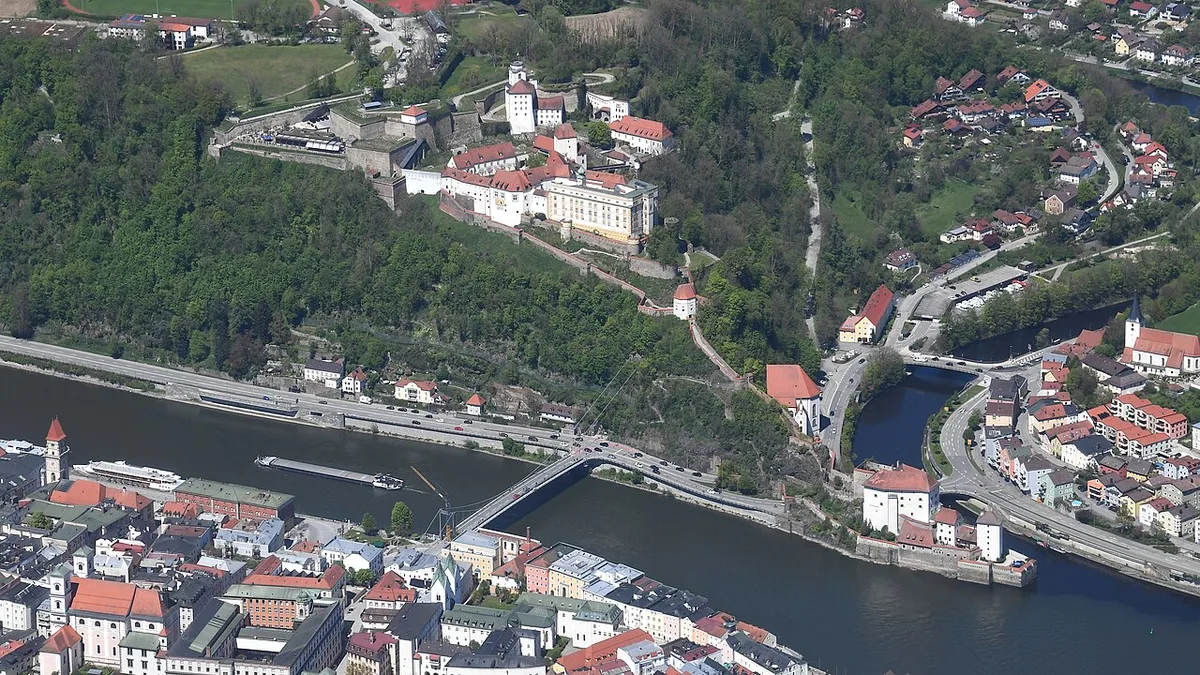
Veste Oberhaus is described by the regional museum directory as one of the largest castle fortresses in Europe and the historical and art-historical museum of the city of Passau, which explains why its exhibition list runs from medieval daily life to guilds, a Bohemian Forest collection, porcelain and a historical apothecary. Passau Tourism confirms the admission price includes the observation tower, so the panorama is folded into the ticket rather than sold separately. Budget generously: this is the one Passau museum where the building competes with the displays.
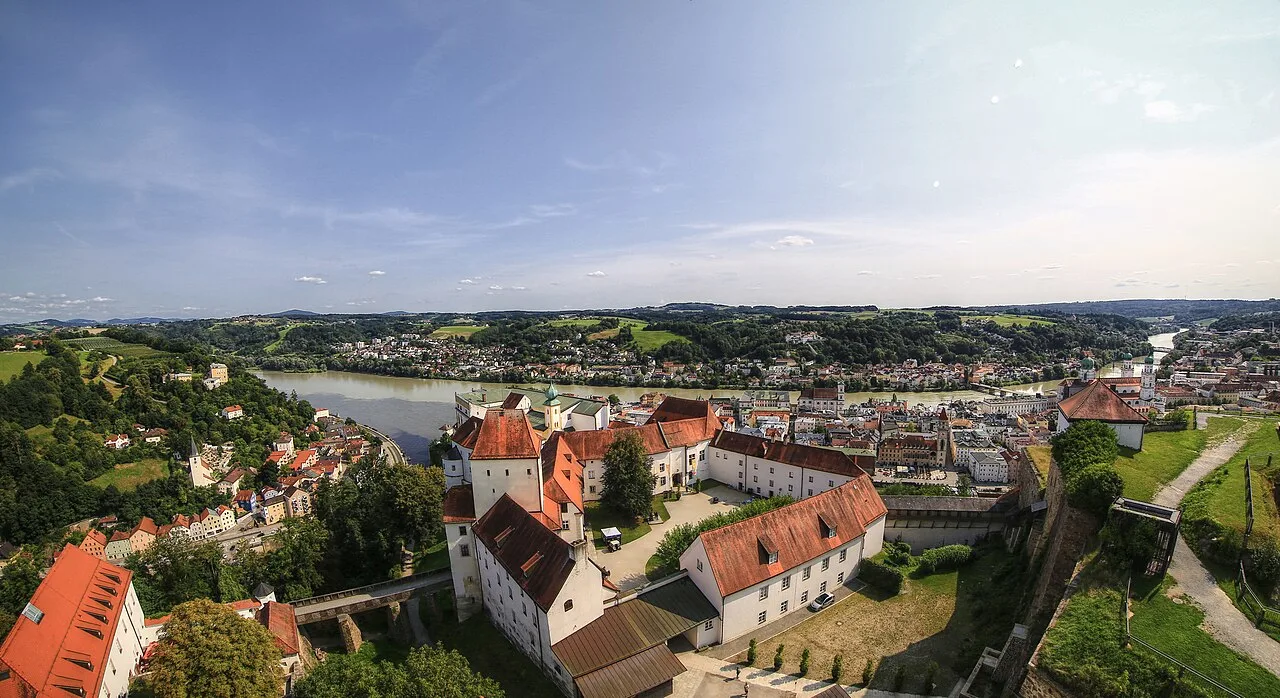
The observation tower reopened with multimedia installations, and a climb to the upper platform gives panoramic views over the three rivers. St George's Chapel, at the heart of the fortress, holds a cycle of fourteenth-century frescoes according to Bavaria's official tourism site, which makes it a reason to slow down inside the complex rather than treat the fortress as a viewpoint only. These are separate spaces within one site, so plan your route instead of drifting.
Accessibility here is genuinely limited and worth reading in full before you go. Passau Tourism states plainly that the castle complex itself is not accessible for disabled visitors, that the shuttle bus and public bus are not suitable for wheelchair users because of high entry, and that there is no disabled access to the observation tower, exhibition rooms, St George's Chapel or the Linde Battery viewpoint. An elevator does serve the New Rampart viewpoint and the outer and inner bailey, but the site advises an assisting person, so do not assume the fortress is a straightforward accessible visit on the strength of the elevator alone.
The bus shuttle runs according to museum opening times, daily on the half hour from Town Hall Square to the fortress and back, and showing your bus ticket earns a discount on museum admission. Note the seasonal split: the museum and the observation tower do not share identical dates, and the tower's season ends earlier than the museum's, so check both before travelling for the view specifically.
Glass Museum Passau: A Specialist Collection Worth Committing To
The Glass Museum is the reason a collector might choose Passau over a larger German city. A dedicated Loetz resource describes it as the greatest and most extensive collection of Bohemian glass anywhere in the world, dating from 1650 until 1950, with Jugendstil glass particularly well represented and over a thousand Loetz pieces, including Hofstötter vases shown at the 1900 Paris Exposition. That scale is the argument for giving it real time rather than a quick circuit.
Passau Tourism calls it the biggest museum on European glass worldwide and lists it among cultural properties of national significance, while Bavaria's tourism site reports around 15,000 glasses on display and repeats Friedrich Dürrenmatt's description of it as the most beautiful glass house in the world. Those numbers matter as a planning signal: a collection this dense rewards a slower visit than a general museum of the same floor area. Decide in advance whether you want an overview or a deep dive.
The museum sits in the same building as the Hotel Wilder Mann under the same ownership, which is convenient if you want to break a visit rather than rush it. Ticket prices, opening hours and any booking requirement for the Glass Museum are not confirmed in the material available here, so check the museum's own website or the tourist information before you build a day around it.
Roman Museum Kastell Boiotro: Descending Into the Past
The Roman Museum occupies a late medieval house in the Passau-Innstadt district and incorporates the foundations of the late Roman fort of Boiotro, which visitors can reach in the basement. Bavaria's tourism site notes that the museum sits on the foundations of a late Roman castle and that around 600 exhibits illuminate four centuries of Roman rule in the region. The literal descent into the fort's remains is the experience; the objects explain what you are standing in.
Because it is in the Innstadt, this museum pairs naturally with the Inn side of the city rather than the cathedral square, and it makes more sense as one stop in a longer walk than as a destination in itself. Current ticket prices, opening hours and booking arrangements are not confirmed in the sources available here, so verify them directly before making a special trip.
Museum at the Cathedral: Sacred Art in the Residence
The Museum at the Cathedral is reached by climbing the spiral staircase in the southern nave of the cathedral, and the regional museum directory frames that climb as part of the appeal because masterpieces of Romanesque to Baroque artistry wait at the top. Passau Tourism adds that the museum sits in the Residence building and displays masterpieces of art, while Bavaria's tourism site notes the stairwell of the New Residence is itself a Rococo set piece. The building is half the visit.
Treat this as a cathedral add-on rather than a separate excursion. The cathedral's own visitor information is the place to confirm cathedral opening times, which vary between summer and winter, and to check whether the museum follows the same pattern or runs its own. The museum's ticket price and current opening schedule are not confirmed in the material available here, so ask at the tourist information or check the diocese's site before relying on either.
St. Stephen's Cathedral Organ as Museum Context
The organ is not a museum, but it shapes how you sequence a museum day in Passau, and it is the reason many visitors arrive at all. Passau Tourism records the instrument as the biggest cathedral organ in the world with 17,974 pipes and 233 registers, spread across five separate installations in different parts of the church, including the Fernorgel located in the attic and sounding through the Heiliggeist-Loch. The largest pipe is over eleven metres long and the smallest around six millimetres, which is a satisfying detail to carry between museum stops.
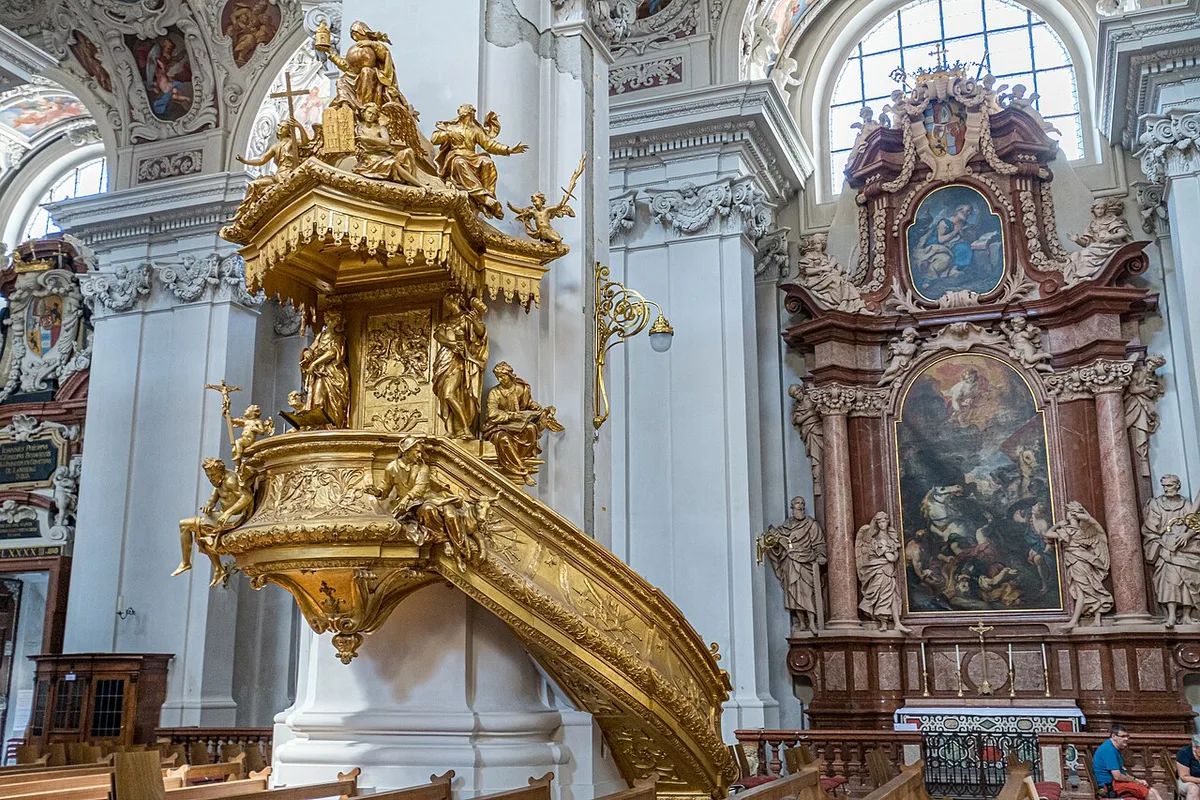
There is one important caveat for anyone hoping to hear it at full power. Passau Tourism notes that since 2023 the organ is being restored section by section and does not sound in its full extent at concerts, so a concert during a restoration period is a partial experience rather than the finished instrument. Noon and evening concerts are still a Passau fixture and are the practical way to hear the organ, but check the current schedule and price on the diocese's music pages, since those change seasonally.
Combined Tickets and Passes: What Is and Is Not Confirmed
Do not assume one ticket covers the Oberhaus Museum, the Glass Museum, the Roman Museum and the Museum at the Cathedral. No source reviewed here confirms a single combined ticket spanning those four, and they are run in different ways, with the Oberhaus Museum operated by the City of Passau while the Museum at the Cathedral belongs to the diocese's cultural programme. Buy each on its own terms unless you find explicit confirmation.
Passau Tourism does list tourist partners including the PassauRegioCard and the DONAU-Card, both described as sightseeing passes, so passes exist in the city's visitor ecosystem. Whether either includes any of these specific museums, and what it would save you, is not something the available sources confirm, so check the inclusions list on the operator's own page rather than assuming coverage. This is exactly the kind of detail worth confirming before you buy.
Museums to Add If You Have a Second Day
Once the four headline museums are accounted for, Passau has a second tier that suits a slower day. Passau Tourism lists the Museum of Modern Art Wörlen, the Medieval Torture Museum at Anger and the Fresco Museum Niedernburg alongside the bigger names, and the regional directory adds the Kunstverein Passau in St. Anna with its large exhibition space in a former Franciscan monastery. These are smaller, quicker visits that can be stacked rather than spread across a whole day.
The Museum of Modern Art Wörlen is the strongest of that group for anyone with a genuine art interest, since it holds a collection rooted in Georg Philipp Wörlen's inheritance and mounts changing temporary exhibitions. If you are building a longer stay, the broader Passau: Landmark Visitor Guides collection is a useful way to slot museum time around the fortress, the cathedral and the river viewpoints without doubling back through the old town.
Suggested Half-Day and Full-Day Combinations
These are our suggestions, not official itineraries, and timings are estimates rather than anything an operator publishes. For a half day, pair the Museum at the Cathedral with the cathedral itself and finish at the river confluence, keeping the whole route inside the old town and the cathedral square. That keeps travel time close to zero and leaves room for a coffee instead of a rushed final room.
For a full day, start at Veste Oberhaus in the morning while the shuttle is running and the light is good, take the tower view before the crowds build, then come down for lunch and a shorter museum in the afternoon. The Roman Museum suits that afternoon slot if you are heading toward the Innstadt anyway. If you want more structure, the A Two-Day Passau Itinerary and the 3 days in Passau itinerary both build museum time around the city's other landmarks, which is useful for seeing how the pieces fit.
If you are comparing museum cities rather than committing to Passau alone, the best Museums in Berlin worth visiting and best museums in Munich worth visiting guides show how much larger collections handle the same problem of choice, which is a useful benchmark for judging whether Passau's specialist museums are worth your limited hours.
Practical Planning Notes Before You Go
Separate free from paid in your head before you arrive. At Veste Oberhaus the grounds, courtyards and viewpoints are one thing and the exhibitions and tower are ticketed, and the site's own accessibility notes show how many distinct spaces exist inside that single complex. Do not assume one admission covers every room in any Passau museum building, and check the scope of the ticket you are buying.
Check the day's opening times on the operator's page rather than a third-party listing, because Passau's museums run seasonal hours and some close on particular days. For the Oberhaus Museum the season runs from mid-March to mid-November with a short winter window around the turn of the year, and the observation tower keeps a slightly shorter season than the museum. Anything with a specific event date attached, including temporary exhibitions at the Museum of Modern Art Wörlen, should be checked against the museum's own listing.
For the Roman Museum specifically, add the Boiotro Roman fort museum Passau guide to your reading before you plan the Innstadt leg of the day, because it sets out the fort's place in the city's Roman history alongside the museum visit. That context is what turns a basement of foundations into something you can actually read.
Plan Your Passau Museum Day
The right Passau museum depends on which of four things you actually care about: the fortress and city history, Bohemian glass, Roman archaeology, or sacred art in a Residence. With limited hours, choose one and do it properly rather than collecting four partial visits; with a full day, start high at Veste Oberhaus and finish in the old town or the Innstadt.
Before you go, confirm opening times, ticket scope and any restoration-related limitations on each museum's own page, since Passau's collections run seasonal schedules and the cathedral organ is being restored section by section. Treat any pass as unverified until you have read its inclusion list, and treat suggested durations in this guide as estimates rather than anything an operator publishes.
Frequently Asked Questions
Which Passau museum is worth visiting if I only have half a day?
With half a day, pick one museum and give it your full attention. The Oberhaus Museum at Veste Oberhaus is the strongest single choice if you want the fortress, the city history and the panorama together, because the admission includes the observation tower and the shuttle from Town Hall Square removes the climb. If you would rather stay in the old town, the Museum at the Cathedral is a compact stop reached by the spiral staircase in the southern nave, and it combines naturally with the cathedral visit. Estimate your own timings rather than relying on any published duration.
Is there a combined ticket for Passau's museums?
No source confirms a single ticket covering the Oberhaus Museum, the Glass Museum, the Roman Museum and the Museum at the Cathedral together, so do not plan on one. The Oberhaus Museum is operated by the City of Passau and quotes its own admission, including the observation tower, while the Museum at the Cathedral belongs to the diocese's cultural programme, which suggests separate ticketing. Passau Tourism does list sightseeing passes among its tourist partners, but whether any of them includes these specific museums is something you must check on the pass provider's own inclusion list before buying.
Can I hear the St. Stephen's Cathedral organ while the restoration is ongoing?
Yes, concerts continue, but with a caveat. Passau Tourism notes that since 2023 the organ is being restored section by section and does not sound in its full extent at concerts, so what you hear is a partial instrument rather than the complete five-part installation of 17,974 pipes and 233 registers. Noon and evening organ concerts remain a regular part of the cathedral's programme, and the diocese's music pages publish the current schedule, so check there for the day you plan to visit. Ticket prices for concerts are listed by the operators and change seasonally, so confirm them at the source.
Sources
- Museums Worth Seeing in Passau! - Museen in Bayern
- Glass Museum Passau
- Museums in Passau | Passau Tourism
- Passau in Bavaria, Germany: 10 Sights and Highlights
- Museum Veste Oberhaus in Passau | Passau Tourism
- Passau Tourism | www.tourism.passau.de/en | Passau Tourism
- St. Stephen's Cathedral Passau | Passau Tourism
- Dom St. Stephan | Bistum Passau


