

Bamberg rewards families who plan in short hops rather than long sightseeing blocks. Bamberg Tourismus describes the old town as tightly grouped, noting that whether you head to the cathedral or to Hain park, everything is only a few minutes from your hotel or apartment. That single detail is the most useful thing to know with children, because it means you rarely need transport to reach the next sight. Treat the day as a series of short legs with a snack or play stop between each one.
One honest constraint shapes everything: Bamberg Tourismus states on its family pages that many offers, including guided tours, a city rally and children's theatre, are in German only. For a non-German-speaking family that rules out a chunk of the organised programming and pushes the plan toward self-guided sightseeing, outdoor time and museum visits. Checking the city's family pages before you travel tells you what is currently running and in which language.
Why Bamberg's compact old town works in your favour with children
The official city site's description of a tightly grouped old town is the foundation of a family plan: you can build a circuit that returns to your base for a rest instead of pushing on to a distant sight. A stroller-friendly core loop beats a heroic cross-town route with young children, and the short distances make it easy to change plans mid-morning if energy runs out.
Bamberg spreads over seven hills, which is charming on a postcard and tiring under a five-year-old. The practical answer is to cluster your sightseeing on the flatter island and river level, then tackle one hill at a time with a clear reward at the top. The climb to Michaelsberg, for example, pays off with wide views over the town, and the monastery grounds remain worth visiting even when the church interior's access is uncertain.
Because the core is walkable, you can sequence the day by energy rather than by distance. Morning is the quietest window for the most popular spots, and a self-guided old town walk keeps you flexible if a child needs to stop or turn back.
Anchor sights: the Cathedral, the Old Town Hall on its island and Little Venice
Bamberg Cathedral is the obvious starting point and the most impressive interior for children old enough to look up. A family travel account from 2016 describes a booklet for children at a stand inside the church, intended to keep them engaged with the works of art. Availability changes, so ask at the tourist information point or at the cathedral rather than counting on it. The Bamberg Horseman and the sheer scale of the building do much of the work if no booklet is on hand.
The Old Town Hall sits on a man-made island in the Regnitz, and the story behind it is the kind children remember: as the legend goes, the bishop would not grant the townspeople land, so they drove stakes into the river and built the island themselves. Frescoes cover the walls, and one painted cherub's leg juts out as a sculpture, which makes a good find-it game. In practice this is a look-from-outside stop on a bridge, not a long visit, so pair it with the river view. Further visitor details appear in A Family Holiday Weekend in Bamberg, Germany | CheeseWeb.
Little Venice, the former fishermen's district along the riverbank, is best treated as scenery rather than a destination. Half-timbered houses lean against each other above the water, and you can view them from the opposite bank or from the grass. A walk along the far side gives children space to move while adults take in the view, and you can also see the houses from the water on a boat trip if one is running.
The New Residence and its Rose Garden are worth a mention as a contrast stop: the garden is the easy part with children, offering views, space and a café, while the palace interior according to the 2016 family account can only be visited with a guide and the guide is included in the ticket price. Decide before you arrive so nobody is disappointed at the door, and if your children are older and interested in lavish rooms, the guided interior can work.
Rivers and bridges: building a walk children can finish
Water is the most reliable child-pleaser in Bamberg, and you do not need to pay for it. The Regnitz, the canal and the bridges crossing them give you a natural route with frequent stopping points. Build a loop that follows the riverbank from the Old Town Hall area toward Little Venice and back across a bridge, which gives a clear destination and an easy bail-out if legs give out.
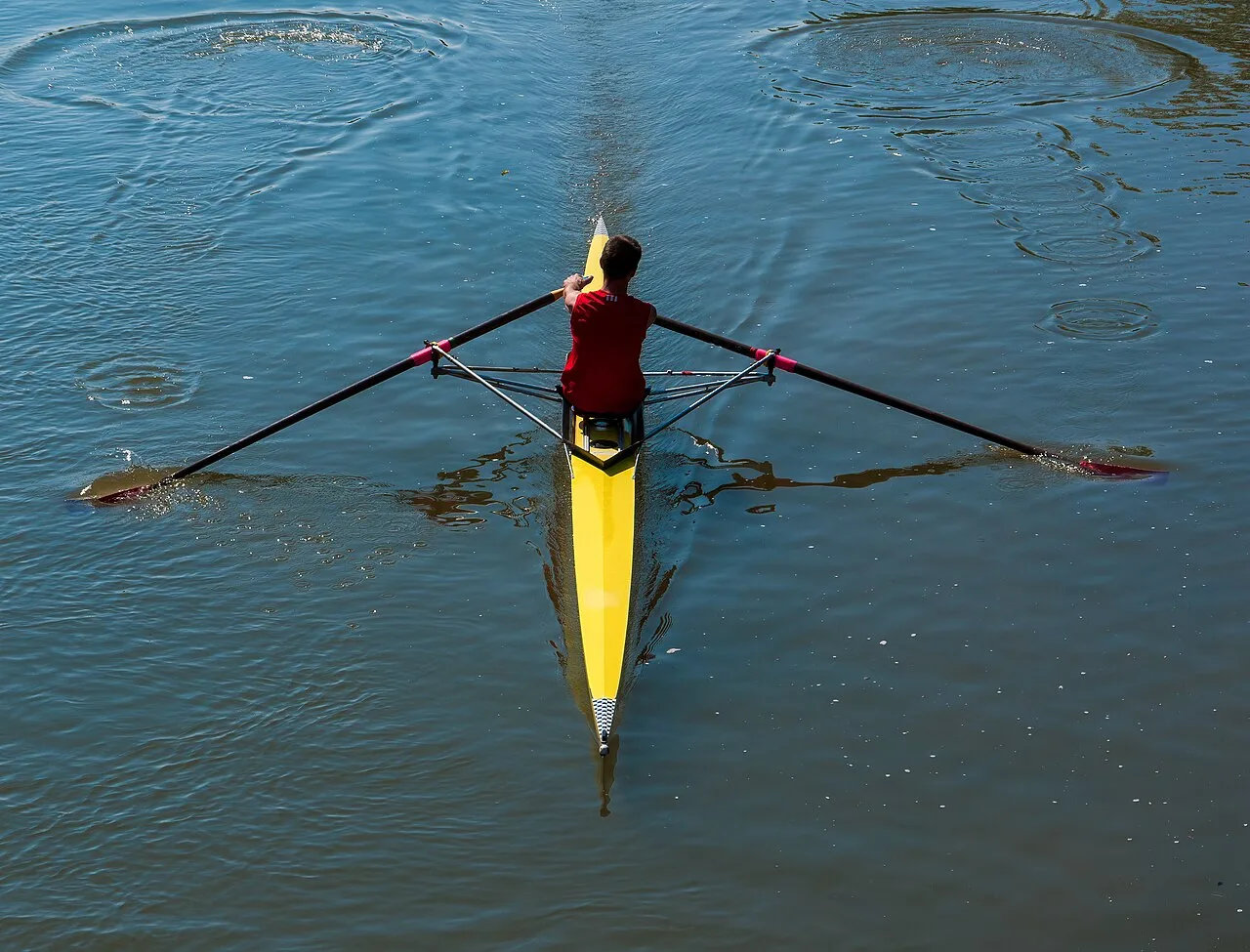
The city's own family pages group water activities, bathing lakes and swimming pools as family options in and around Bamberg, which tells you there is more than one way to get near water. Treat any specific boat or gondola ride as an optional add-on. The 2016 family account describes past river tours from the harbour and gondola rides, but those prices and schedules are years old, so confirm what is running and at what price at the tourist information point before promising a child a boat trip.
Hain park is the natural endpoint for a river walk and gives children room to run after a morning of looking at buildings. A picnic or a snack here resets the mood before the next stretch. On a wet day, swap the river loop for an indoor plan and keep the walk short.
Museum choices: where children can touch and do versus look-only interiors
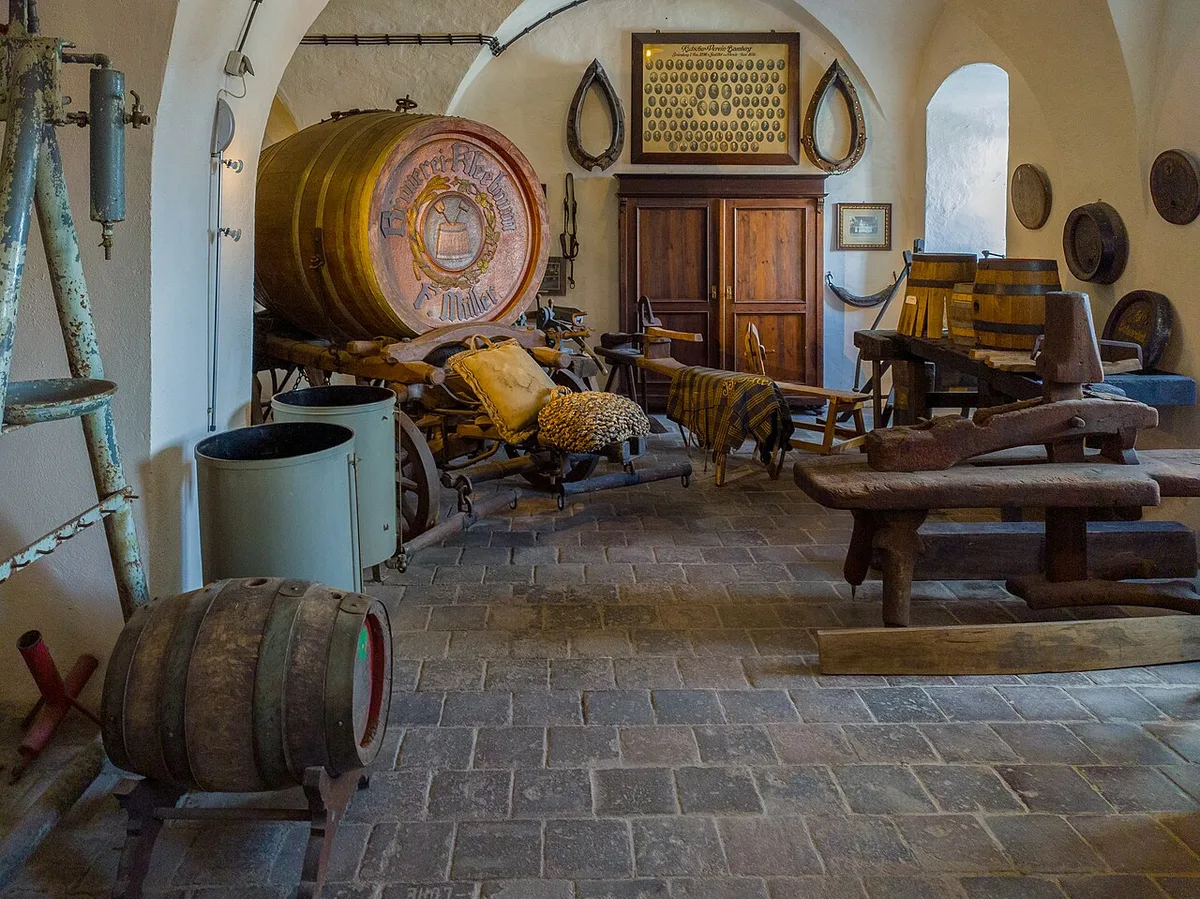
Bamberg Tourismus publishes a dedicated museums-for-children section within its family pages, which is the right place to start when choosing a rainy-day stop. The city also lists the Franconian Brewery Museum among its museum options; the 2016 family account describes it as built into the vaults of a former Benedictine monastery and stretching over a large area with well over a thousand objects. Whether that appeals depends on your children, but the vaulted setting is atmospheric.
The key distinction for families is between grounds you can wander freely and interiors that require a ticket and a quieter behaviour standard. The New Residence is a case in point: the Rose Garden outside is open to stroll through, while the palace rooms are a separate, guided visit. Ask at each site what is included rather than assuming, since one ticket does not necessarily cover everything on a complex.
Interactive and educational trails are a better fit for younger children than any collection of objects behind glass. The city's family pages include a section on educational trails in and around Bamberg, which usually means outdoor routes with something to follow or find. These work well combined with a park or river stop, and you can check locally for the current route and materials.
Grounds versus paid interiors: planning around what is free to wander
A large share of a Bamberg family day can be free: the bridges, the riverbanks, Little Venice viewed from the water's edge, the Rose Garden and Hain park all cost nothing to enjoy. Budgeting your time around these free spaces means the paid interiors become deliberate choices rather than defaults, and a list of free things to do in Bamberg is a useful skeleton to build the day around.
Where an interior charges admission, confirm the scope of that ticket on the day and whether a family or combined option exists. Bamberg's tourism site promotes a city card and a smaller regional card, but the terms can change, so read the current conditions rather than relying on a remembered deal. If you are planning only one or two paid interiors, a card may not be worth it; do the arithmetic with current prices before buying.
Michaelsberg is a good example of why you verify rather than assume. The 2016 family account describes the church as closed to the public after parts of the ceiling collapsed, with an earliest reopening date of 2021, which has long passed, so treat any claim about current access as unconfirmed. The hill and its views remain the draw regardless, and there is a restaurant on the monastery grounds.
Guided tours and the city rally: the language barrier and how to work around it
Bamberg Tourismus states plainly on its family pages that many offers, including guided tours, a city rally and children's theatre, are available in German only. For families without German, that is a genuine planning constraint rather than a small detail, and it pushes you toward self-guided exploration, which also suits children who want to move at their own pace. Read the current listings before booking anything, because language options change.
The workaround is straightforward: build your own route around the anchor sights and use the city's published information for context. A self-guided old town walk gives you the structure of a tour without the language requirement or the fixed pace. If you do want a guided experience, ask the tourist information office directly which tours are offered in English at the moment, and do not assume a listing in English describes the tour language.
Snack and meal logistics: the Green Market, brewery inns and quick stops
The Green Market in front of St. Martin Church is the most useful family food stop in the old town, with fresh produce and flowers in the middle of the pedestrian zone. The 2016 family account describes buying raspberries there as an on-the-go snack, which is exactly the right use of the market. The same account notes the market is not held on Sundays, so check current market days locally rather than arriving to find it empty.
Brewery inns are the traditional sit-down option and generally serve generous portions of Franconian food, which works well for sharing with children. The same account notes that Bamberg was more cash-based than card-friendly in 2016, especially in breweries and smaller guesthouses, so carrying some cash is a sensible precaution even if habits have shifted since. Ask about portion sizes if you are ordering for a family, and remember that a smoked beer is for the adults.
For quick stops, the pedestrian zone keeps you close to bakeries, snack counters and small fast-food places, which matters when a child needs food immediately rather than in forty minutes. The older account notes that many pubs stop serving food after 9 pm while small snack places stay open later; confirm current hours on the day. An afternoon market snack and an early dinner usually works better than a late restaurant sitting with young children.
Playgrounds, downtime and the afternoon energy dip
Bamberg Tourismus maintains a playgrounds section within its family pages, which is the best starting point for finding one near your route. Rather than hunting for the perfect playground, pick one close to your afternoon position and treat it as a scheduled break. Children who run for half an hour in the middle of a sightseeing day are far more tolerant of the next church, so build the break into the plan instead of hoping it will not be needed.
Hain park doubles as both green space and a natural downtime stop, with room to spread out and let children set the pace. If you have planned a hill climb, put the park before it, not after. The afternoon dip is predictable enough to plan around, and a break at the right moment saves the rest of the day. Skip the last sight on the list rather than forcing a tired child through it.
Half-day and full-day shapes that keep walking distances realistic
A realistic half day starts at the cathedral when it is quietest, moves down to the Old Town Hall bridge and finishes with a riverbank walk toward Little Venice. That route keeps every leg short and offers multiple opportunities to stop, and because the old town is compact, total walking stays modest. A snack at the Green Market or an ice cream near the Rose Garden gives a clear finish line.
For a full day, add a morning museum or educational trail and an afternoon hill with a view, with a playground or park break in between. Keep one flexible slot for weather or mood, because the best plan with children is the one that can lose a stop without collapsing. If you are spreading the visit over two days, splitting the sights across a morning and an afternoon each day is easier than two packed days. For wider planning, see 2 Days in Bamberg.
If you are comparing Bamberg with other German cities for a family trip, note that the compact scale is the whole appeal here: less transport, shorter legs and more spontaneous stops. Cities such as Berlin with kids or Dresden with kids offer far more indoor programming but demand more planning and more transit, while Bamberg suits families who want a walkable, low-logistics day.
What to skip with young children, and why
Skip any guided tour that is offered only in German if nobody in your group speaks it; a child who cannot follow the commentary is simply being asked to stand still. Bamberg Tourismus confirms that many tours, the city rally and children's theatre are German-language only. Likewise, skip formal palace interiors with toddlers, where the guided format and the rules on touching and noise work against small children. The gardens and grounds give you most of the atmosphere without the constraints.
Be cautious about building a day around a sight you cannot verify is open. The 2016 family account describes Michaelskirche as closed after a partial ceiling collapse with a reopening date that has since passed, which is not evidence of current access. Similarly, do not promise a river or gondola ride until you have confirmed it is running and what it costs, and check with the tourist information office rather than a years-old blog post.
Museum-heavy afternoons are usually a mistake with younger children, especially after a morning of walking, so pick one indoor stop at most and pair it with outdoor time. If the weather turns, a single well-chosen indoor option and a short walk will carry the day better than a rushed list of collections, and a rainy-day plan is worth having in reserve.
Practical notes that prevent a mid-trip meltdown
Carry cash as a precaution, since smaller breweries and guesthouses have historically been less card-friendly, and start your sightseeing early while the streets are calm. The 2016 family account recommends visiting between 7 and 9 am to see the town quiet and uncrowded, and those two habits cover most logistical problems in Bamberg. Keep a water bottle and a snack on hand rather than relying on finding the right shop at the right moment.
Check the city's family pages before you go for current playground locations, museum suggestions, water activities and educational trails, since these are the categories most likely to change season to season. Use the tourist information office for anything time-sensitive: tour languages, boat operations and ticket scope. That is faster and more reliable than trusting an old itinerary, and you can leave one free slot so a newly discovered stop can fill it.
Plan Your Visit
Bamberg works with children precisely because it does not demand a long itinerary. Anchor the day on the cathedral, the Old Town Hall bridge and a riverbank walk, then let the Green Market and a playground reset everyone before the next short leg. Verify anything time-sensitive, from boat rides to tour languages, at the tourist information point rather than a dated blog post. The compact old town means you can always cut a stop and still have had a full day.
Frequently Asked Questions
Is Bamberg worth visiting with children?
Yes, mainly because the old town is compact enough to walk between the cathedral, the Old Town Hall on its island and the riverfront in short legs rather than long stretches. Children get water, bridges, open park space and market snacks within a small area. The main limitation is language: Bamberg Tourismus notes that many guided tours, the city rally and children's theatre are German only, so plan around self-guided sightseeing if your family does not speak German.
What can families do in Bamberg in one day?
A realistic shape is the cathedral in the quiet morning hours, then the Old Town Hall bridge and a riverbank walk toward Little Venice, followed by a market or park break. Add one indoor stop at most, such as a museum or an educational trail, and finish with a playground or Hain park. Keep one slot flexible so the day can absorb a slow start or a change in weather.
Are Bamberg's guided tours and city rally available in English?
Bamberg Tourismus states that many offers, including guided tours, a city rally and children's theatre, are in German only. Confirm the language of any specific tour with the tourist information office before booking, since individual listings can differ. A self-guided walk is the reliable alternative if your group does not speak German.
Which Bamberg sights should we skip with young children?
Skip German-only guided tours if nobody in your group understands the commentary, and be cautious with formal palace interiors where small children must stay quiet and keep hands to themselves. The gardens and grounds usually give you the atmosphere without the constraints. Also avoid planning around any sight whose current access you cannot confirm, such as a building under restoration.
Where can we find snacks and quick meals with kids in Bamberg?
The Green Market in front of St. Martin Church is the most convenient stop in the old town for fruit, produce and an on-the-go snack. Brewery inns serve generous Franconian portions that suit sharing, and the pedestrian zone keeps bakeries and quick counters close. Note that the market is not held on Sundays according to a 2016 account, so check current market days locally.
Are there playgrounds in central Bamberg?
Bamberg Tourismus maintains a playgrounds section within its family pages, which is the best place to find current locations. Rather than hunting for a specific one, pick a playground close to where you will be in the afternoon and treat it as a scheduled break. Hain park also provides open space for a run-around between sights.


