
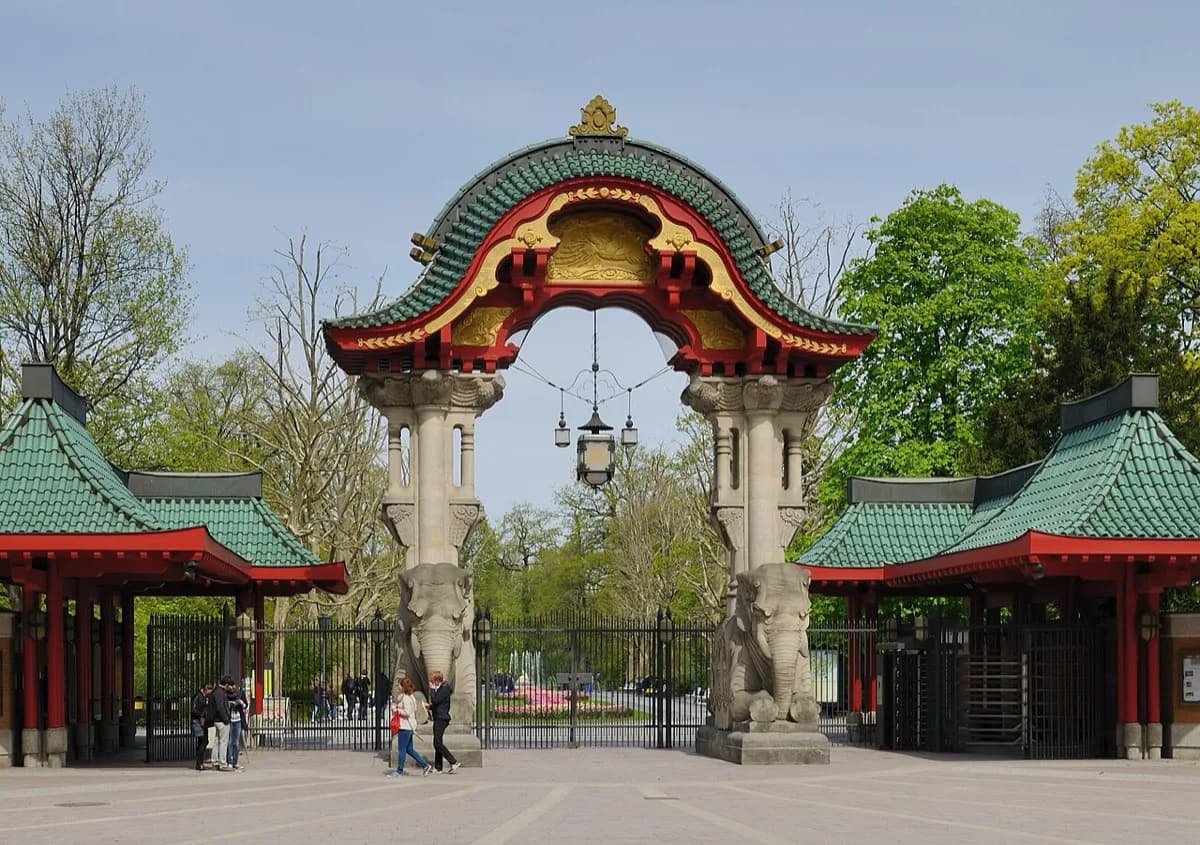
Berlin surprises many parents with how easy it feels to explore as a family. The city packs playful museums, wide parks, and hands-on attractions into a compact, stroller-friendly core. Families with kids under 18 even get free entry to Berlin's major state museums, a rare perk in Europe.
This guide breaks Berlin with kids into practical, age-flexible options for a 2026 family trip. Pair it with the city's top Berlin attractions to build a full itinerary. You'll find indoor backup plans for rainy afternoons and budget-friendly picks throughout the guide. Each section covers real costs, rough timing, and a few local shortcuts most guides skip.
Children under 18 get free entry to Berlin's major state museums, a rare perk in Europe. Always confirm the current age cutoff with each venue before your visit.
Must-See Berlin Attractions for Kids
Start with attractions built for curious, energetic kids rather than long museum queues. Legoland Discovery Centre and Sea Life Centre sit close together near Potsdamer Platz. Both suit rainy days and children roughly age 3 to 12.
Legoland Discovery Centre mixes a mini-Berlin brick city with rides and a 4D cinema. Online tickets typically run cheaper than walk-up prices, often near €18 to €22 per child in 2026. Plan roughly two hours inside, more if your kids beg for a second ride.
FEZ Berlin is a lakeside family center with pools, workshops, and an adventure playground. It works well for a full afternoon, especially when paired with a picnic by the lake. Both venues post current hours online, since seasonal schedules shift throughout the year.
For something quieter, Berlin's smaller corners often beat the big-ticket sights for families. A short detour through the city's hidden gems in Berlin can reveal calmer, kid-paced stops. These spots usually have shorter lines and more room for kids to roam.
- Legoland Discovery Centre for rainy days
- Age range: 3 to 10
- Cost: about 18 to 22 euros
- Best for: indoor rainy days
- Near: Potsdamer Platz station
- FEZ Berlin lakeside family center
- Age range: 2 to 12
- Cost: from about 6 euros
- Best for: full afternoon visits
- Near: Wuhlheide park area
- Sea Life Centre near Alexanderplatz
- Age range: 3 and up
- Cost: check official site pricing
- Best for: short indoor stops
- Near: Alexanderplatz station
Museums and Hands-On Culture Kids Love
Berlin's museum scene isn't only for adults staring quietly at old paintings. Several spots let kids touch, build, and experiment instead of just looking. That hands-on approach usually keeps younger visitors engaged for longer stretches.
The MachMit children's museum in Prenzlauer Berg lets kids explore a giant story-book house. Kids climb through oversized rooms, a slide, and pretend-play stations built at their scale. Expect to spend one to two hours here, longer if a birthday party is running.
Spectrum, the hands-on science center near Gleisdreieck Park, packs over 150 experiment stations indoors. Kids twist, pedal, and press their way through physics and light demonstrations. It suits curious kids roughly age 6 and up better than toddlers.
For a genuine local perk, remember that Berlin's best museums in Berlin often waive entry for under-18s. That policy covers the big state museums on Museum Island and beyond. Always check each museum's current age cutoff before you plan a visit.

Parks, Gardens, and Outdoor Play Spaces
Berlin has more green space per resident than most European capitals, and it shows. Wide lawns, water features, and playgrounds sit inside almost every neighborhood. That makes it easy to break up a busy sightseeing day with open-air downtime.
Tiergarten, the city's central park, has shaded paths wide enough for strollers and scooters. Rent a rowboat on the park's small lake if your kids need to burn energy. Weekends bring street performers and food stalls near the park's northern edge.
Tierpark Berlin, the city's larger zoo-park, gives kids room to roam between animal enclosures. It's usually calmer and cheaper than the more central Berlin Zoo. Pack a picnic, since benches and grassy patches sit throughout the grounds.
Many of these outdoor spots cost nothing beyond transport, which matters on a family budget. Pair a park visit with the city's free things to do in Berlin for a no-cost afternoon. Bring snacks and water, since kiosks inside parks can be pricier than corner shops.
Family-Friendly and Budget-Friendly Picks
Feeding a family on a Berlin trip doesn't have to strain the budget. Street food markets and casual cafes usually cost far less than sit-down restaurants. Kids also tend to prefer market food they can point at and choose themselves.
Thai Park in Wilmersdorf turns into an open-air food market most warm-weather weekends. Vendors cook fresh noodles, skewers, and mango sticky rice at picnic-table prices. Arrive by early afternoon, since popular stalls sell out before evening.
Kindercafes, or kid-friendly cafes with play corners, let parents rest while children stay entertained. The Visit Berlin website lists several across neighborhoods like Prenzlauer Berg and Kreuzberg. Most charge normal cafe prices, with the play area included free of charge.
For a planned treat, Rausch Chocolatiers near Gendarmenmarkt is worth a short stop. Kids can watch chocolate sculptures being made through the shop's glass displays. It's an indulgent, indoor break that also works well on a rainy afternoon.
If you have extra days, consider day trips from Berlin for a change of pace. Lakes and small towns near the city often suit kids better than a second day of museums. Save this idea for a return trip if your current schedule feels tight.
Where to Stay in Berlin with Kids
Choosing the right neighborhood matters more than the hotel brand when traveling with kids. Look for areas with easy transit access, parks nearby, and a calmer pace after dark. Prenzlauer Berg and Charlottenburg both fit that description well.
Prenzlauer Berg has wide sidewalks, playgrounds on nearly every block, and family-run cafes. It sits a short ride from central attractions but feels quieter in the evenings. Apartment rentals here often beat hotel rooms on space and kitchen access.
Charlottenburg suits families who want proximity to Tiergarten and the Zoo Berlin area. Streets stay walkable, and several hotels offer connecting or family-sized rooms. Book family rooms early, since availability shrinks fast during summer school holidays.
Family rooms and apartments book quickly during summer school holidays (June through August). Reserve accommodations well in advance if traveling during peak season.
Whichever base you choose, confirm stroller access and elevator availability before booking. Older Berlin buildings sometimes lack elevators, which matters with a stroller or tired toddler. A quick message to the property usually clears this up before you arrive.
How to Plan a Smooth Family Day
A little pacing planning saves a lot of midday meltdowns in Berlin. Mix one big attraction with one low-key stop, rather than stacking three major sights. Kids usually handle a slower pace better than a packed checklist.
Public transit works well for families, since strollers ride free alongside a valid ticket. Trains and trams also give tired legs a break between stops. Buy a day pass if you're moving between three or more spots.
Before committing to a paid pass, weigh whether the Berlin Pass is worth it for your family. Passes pay off fastest for trips with several paid attractions across a few days. Families sticking mostly to parks and free museums may not need one at all.
Keep a rainy-day backup ready, since Berlin weather can flip fast even in summer. A rainy day in Berlin plan of indoor museums and cafes keeps a trip on track. Build in one buffer hour daily for naps, snacks, or unplanned detours.
Frequently Asked Questions
How many days do families need for Berlin with kids?
Plan on three to four days to cover major attractions without exhausting young kids. Two days works for a quick visit focused on one or two big sights. Add a day for parks or a rainy-day backup if your schedule allows it.
Where should families stay in Berlin with kids?
Prenzlauer Berg and Charlottenburg both work well for families, with playgrounds, calmer streets, and easy transit access. Prenzlauer Berg suits longer stays with apartment-style rentals. Charlottenburg fits families who want to stay near Tiergarten and the zoo area.
What should families avoid when planning a Berlin trip with kids?
Avoid packing more than one major attraction per day, since travel time and lines add up fast. Skip peak-season weekends at popular indoor centers like Legoland Discovery Centre when possible. Booking timed tickets ahead helps sidestep long queues with tired kids.
Is Berlin family-friendly for young children?
Yes, Berlin is generally family-friendly, with stroller-accessible transit, free museum entry for under-18s, and parks in most neighborhoods. Sidewalks and public spaces are generally wide and well maintained. Most restaurants and cafes welcome kids without much fuss.
Berlin rewards families willing to mix big attractions with quiet, unplanned pockets of time. A few well-chosen stops usually beat a packed, exhausting itinerary. Save room for spontaneous detours, since some of the best moments happen off-schedule.
Start with one or two anchor attractions, then fill gaps with parks and cafes. Check current hours and prices before you go, since schedules shift through the year. With a little planning, Berlin with kids in 2026 can feel relaxed rather than rushed.


