

The BAMBERGcard is the official three-day city card sold by Bamberg Tourismus. Its operator listing states a price of 22 euros, free participation for up to three children aged five and under, and availability bookable all year round. Those figures come from the operator's own English event page, so confirm them at the time you book rather than treating them as fixed indefinitely.
One concrete benchmark helps make the decision less abstract. The Museen der Stadt Bamberg publishes adult admission of 8 euros for the Historisches Museum, and it lists BambergCard holders among the groups admitted free there. That single number already shows why one museum visit and a three-day bundled card are rarely comparable purchases.
What follows is a decision framework: what the card includes, how the museum's own admission is priced, where the operator warns of closures and what to confirm before you rely on the card for a specific venue.
What the BAMBERGcard Actually Covers
The operator describes the card as a travel ticket, voucher and admission ticket in one, valid as a three-day ticket. The listed inclusions fall into three groups: a smartphone app city tour or participation in the World Heritage Fascination city tour; unlimited journeys during the card's validity on the entire line network of Stadtwerke Bamberg plus selected lines in the vicinity; and admission to seven named museums and collections.
Those seven named admissions are the Diocesan Museum, the Museum of History, the Levi-Strauss-Museum, the Natural History Museum, the Market Gardeners' and Wine-Growers' Museum, the Franconian Brewery Museum, and the Farmers' Museum of Frensdorf. They are separate venues in separate locations, not one complex sharing a single ticket, so travel time between them belongs in your planning.
Two practical conditions are stated as requirements rather than suggestions. You must print out the BAMBERGcard to ensure it is valid, and you must visit Tourist Information in person to collect your personal app code for the smartphone city tour. Buying through the official city tourism site is the straightforward route, and that is also where any change to scope, price or seasonal terms would appear first.
Two further details published with the card are easy to miss. The World Heritage Fascination city tour is listed as available only on Saturdays in June, July and August, so most visitors will use the app tour instead. Reaching the Levi Strauss Museum by train means arriving at Altendorf station, about two kilometres from the museum, with an additional ticket required for the connection from Strullendorf to Altendorf.
The Single-Ticket Benchmark at the Historisches Museum
The Historisches Museum operates its own admission rather than relying on the card. The Museen der Stadt Bamberg page lists adult admission at 8 euros, with reduced tiers of 7 or 4 euros for groups of ten or more, seniors aged 65 and over, students aged 19 and over, visitors with severe disabilities including a free accompanying person, and holders of the Volunteer Card. Children and young people up to 18 enter free, and a last-minute ticket is available from 4 pm at half price.
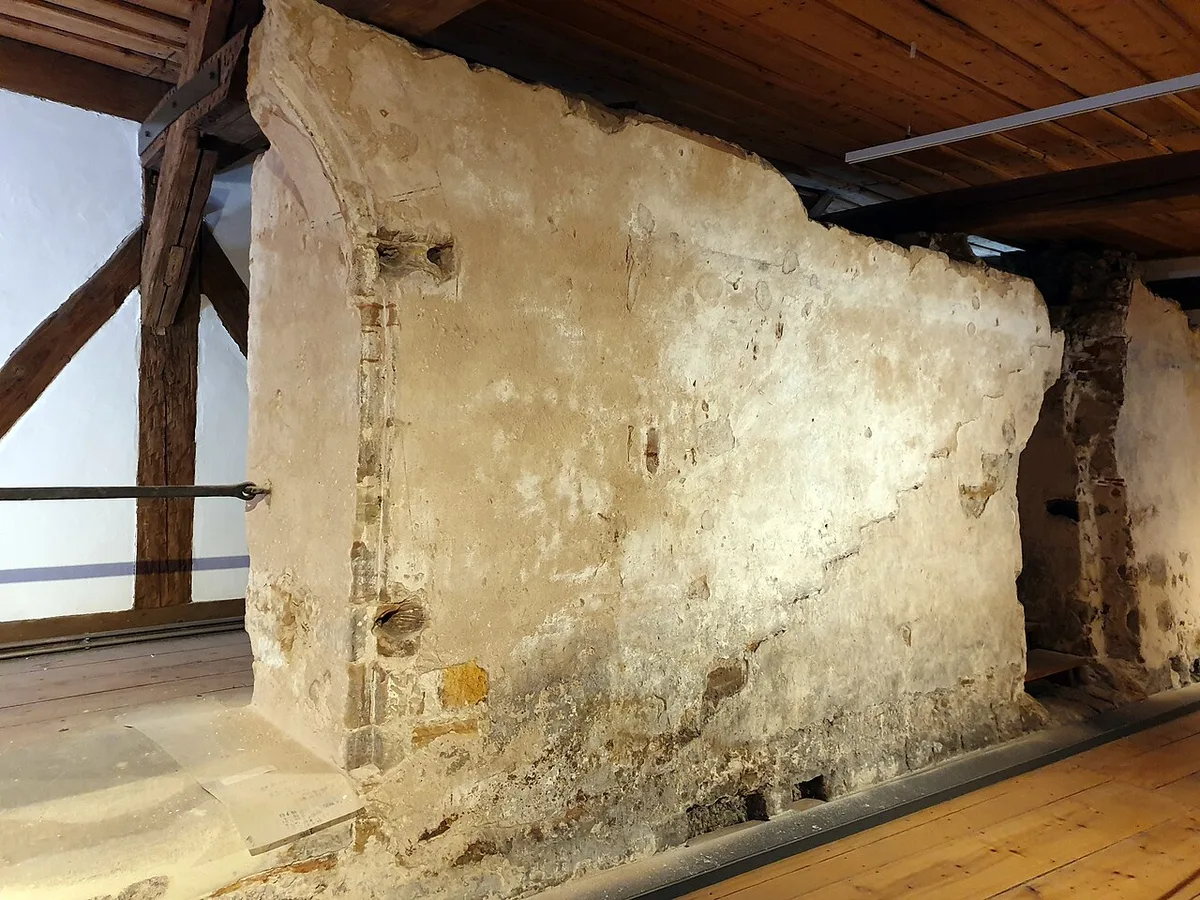
That same museum page lists BambergCard holders among the groups admitted free, which matters for the break-even question: the museum's own page treats the card as an accepted entry credential there. It also lists opening times of Tuesday to Sunday and public holidays, 11 am to 5 pm, so the museum is closed on Mondays.
Villa Dessauer, the municipal gallery for contemporary art, is a separate venue with its own pricing. The same museum page lists adult admission at 6 euros, reduced tiers at 5 or 3 euros, free entry for under-18s, and free admission for BambergCard holders. Its opening days differ from the Historisches Museum's, so a card holder planning around the gallery still needs to check its own schedule.
Not every municipal museum follows the card. The E.T.A. Hoffmann House is listed with a reopening in 2028 following renovation, and the Ludwig Collection's Old Town Hall home is described as undergoing extensive renovation. Neither appears in the BAMBERGcard's included collections, so do not assume the card opens them.
What the Sources Do Not Publish
Two of the card's named collections lack published individual adult admission in the sources used here: the Diocesan Museum and the Franconian Brewery Museum. Rather than estimate, check each museum's own current page or ask at Tourist Information, because those two prices are exactly what would tip a close calculation. For context on what the Diocesan Museum contains and how it is visited, a dedicated guide to the Bamberg Cathedral treasury museum tickets is more useful than guessing at a number.
The card listing also does not spell out whether its entry reading Museum of History maps exactly onto the Historisches Museum's admission scope. The museum's own page, by contrast, names BambergCard holders explicitly. If that specific museum is central to your plan, confirm the match at Tourist Information before relying on the card for it.
No reliable euro-savings figure can be stated from the available sources, because two named individual admissions and the precise scope of one card entry are unpublished. Any claim of exact savings would be a guess, and guesses are a poor basis for a purchase decision.
The Break-Even Test
Start with the two known numbers: a card listed at 22 euros for three days, and a single adult Historisches Museum ticket at 8 euros. One museum visit alone does not approach the card price. A short stay built around a single collection is a pay-as-you-go trip, and a late-afternoon slot at the Historisches Museum can make that even cheaper because of the half-price last-minute ticket from 4 pm.
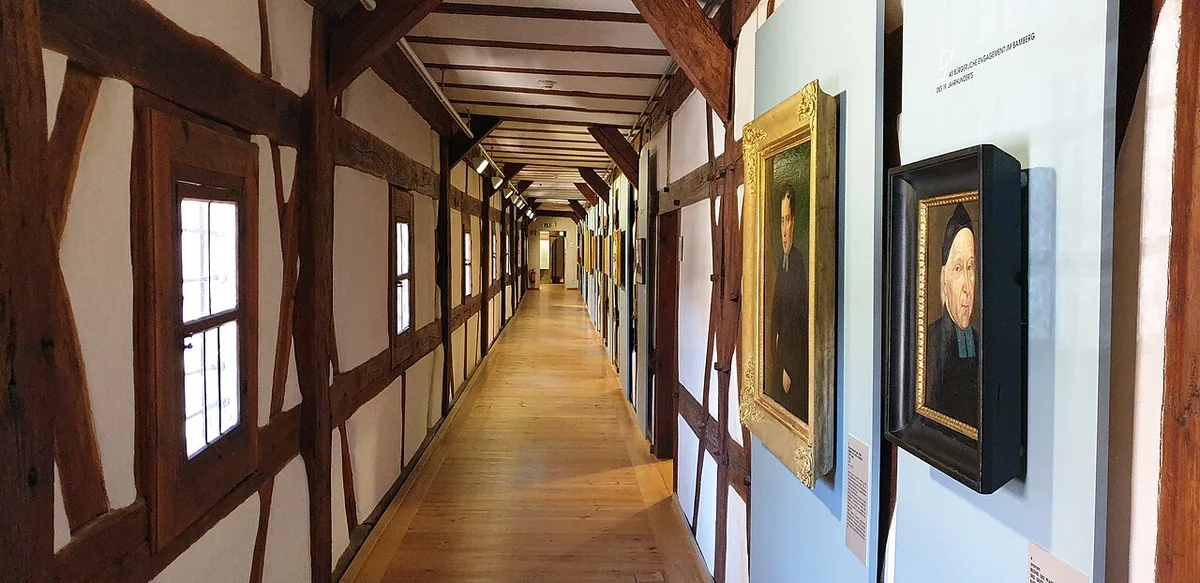
The calculation changes with volume and movement. Several covered museums across two or three days, combined with repeated bus or train journeys, is the profile the card was designed for; add the free Historisches Museum entry and the app tour, and the bundle starts to look less like a museum pass and more like a three-day transport and culture package for visitors who will actually move around.
Two checks come before the arithmetic. First, whether your trip spans enough days that a three-day product is relevant at all. Second, whether your dates avoid the closures the operator warns about. If either answer is no, the card's value falls regardless of museum count. A structured itinerary can help you see how many days you realistically need; for wider planning, see 2 Days in Bamberg.
Closures and Winter Limits
The operator's own listing carries a caution that some included museums are closed on Mondays or Wednesdays and in the winter months, with limited access even with the card. The listing does not name which museum closes on which day, and it does not give winter dates, so verify the specific venues on your route before you fix a schedule.
This constraint cuts directly into card value. If a Monday or a winter closure falls inside your three-day window, you may pay for access you cannot use. Matching your visit days to each museum's published schedule therefore comes before the price comparison, and the museum pages are the right place to check days and hours.
A sensible approach is to group collections that share opening patterns and to treat any single-closure venue as a bonus rather than a pillar of the plan. Build the route around what is reliably open and let the rest fill gaps; a one-day Bamberg itinerary is a useful way to test how much you can realistically see before adding a multi-day ticket.
How to Buy and What to Bring
The card is sold through the official booking channel and is described as bookable all year round, so purchase does not depend on a seasonal window. The listing also publishes the information number 0951 2976-200 and the organiser address at Geyerswörthstraße 5, 96047 Bamberg, which is the place to go for the print-out and app-code steps as well as for clarifying card scope.
The two requirements stated for the card are worth repeating because they are easy to miss: printing the card is necessary for validity, and the app code must be collected in person at Tourist Information. Both add errands that a purely digital ticket would not, and both are best handled on arrival rather than mid-trip.
If you are still assembling your visit, a landmark-by-landmark overview of Bamberg helps you decide which collections deserve your limited hours before you commit money to a multi-day ticket.
Matching the Card to Different Trip Shapes
For a three-day stay that includes at least two covered museums outside the city core and regular bus or train use, the bundled card is the option the operator clearly designed for, and the free Historisches Museum entry adds a further covered visit. For a two-day trip spent mostly on foot in the old town, the card's three-day span and transport component have less to bite on, and paying at each door is simpler; the 3-day Bamberg itinerary is the better frame for testing the first case.
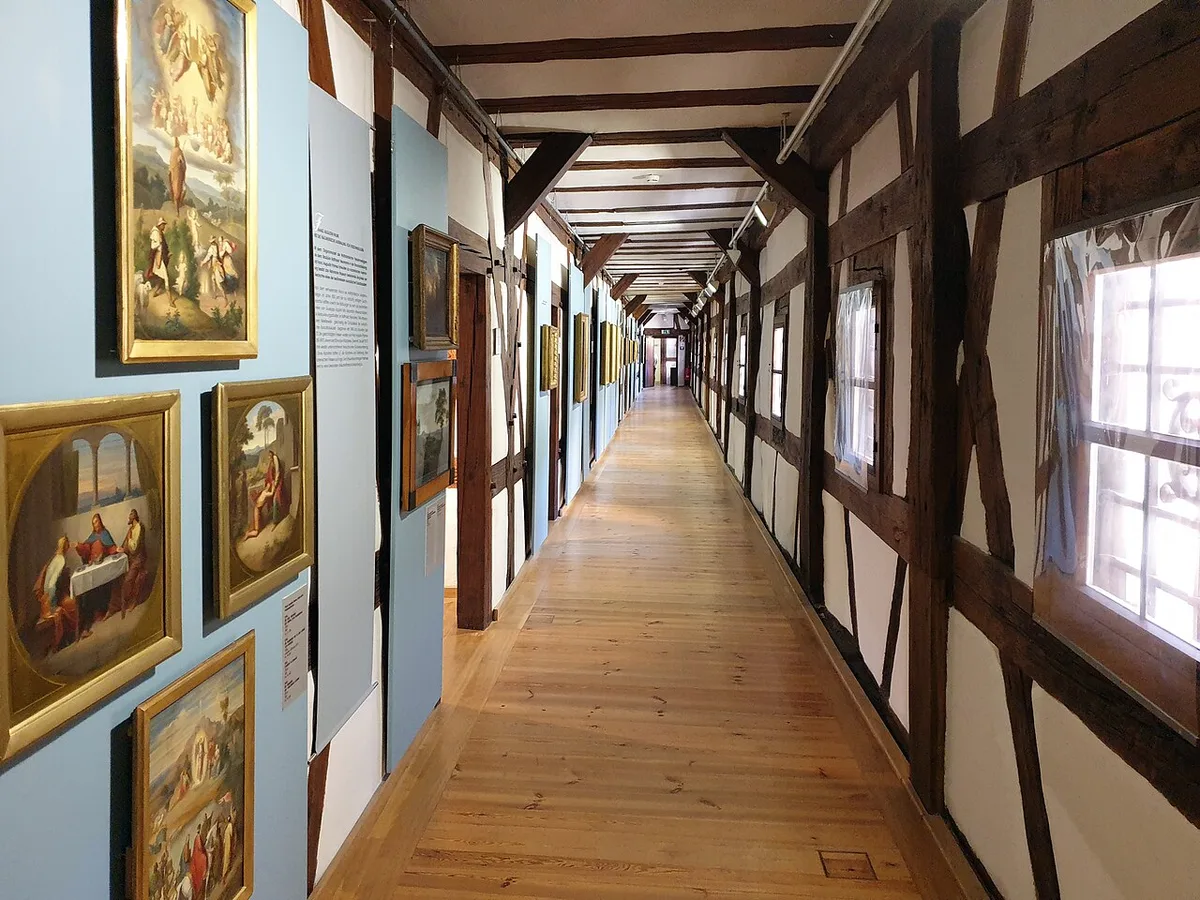
A suggested card day, offered as planning advice rather than an official recommendation, works well as one ticketed collection on Cathedral Hill in the late morning, a transport hop at midday, and a second district in the afternoon. Spreading admissions across the day reduces the risk that a closure or a long lunch wipes out the day's value.
If the Historisches Museum is your only museum, a late-afternoon slot fits its own pricing structure better than a card: the last-minute ticket from 4 pm is half price, and the museum is open from 11 am to 5 pm Tuesday to Sunday and on public holidays. That combination can make a pay-as-you-go afternoon cheaper than committing to three days.
Plan Your Visit
The decision comes down to three questions. How many of the seven covered museums and collections will you genuinely enter? Will you use the Stadtwerke Bamberg network across the full validity period? And do your dates avoid the Monday, Wednesday and winter closures the operator warns about? Answer those, and the price comparison becomes straightforward.
Before buying, confirm the printed card requirement, plan to collect the app code at Tourist Information, and check current admission for the Diocesan Museum and the Franconian Brewery Museum, whose individual prices are not published in the sources used here. With those numbers in hand, you can settle the question between the bundled card and paying museum by museum.
Frequently Asked Questions
Does the BAMBERGcard include the Historisches Museum?
The BAMBERGcard's own list of included collections names a Museum of History, and the operator does not spell out whether that wording maps exactly onto the Historisches Museum's admission scope. Separately, the Museen der Stadt Bamberg page lists BambergCard holders among the groups admitted free to the Historisches Museum. Because the two statements use different wording, confirm the match at Tourist Information before you rely on it.
Is the BAMBERGcard worth it if I only visit one museum?
For a single museum visit, paying at the door is the simpler route, because the card is a three-day product sold at a flat price while one adult ticket to the Historisches Museum costs considerably less. The card starts to make sense when you combine several covered collections with repeated bus or train journeys across your stay. If your trip is one afternoon in one museum, buy the single ticket and skip the card.
Can I use the BAMBERGcard on Monday or in winter?
The card remains valid, but the operator cautions that some included museums close on Mondays or Wednesdays and during winter months, so access is limited even with the card. The listing does not name which venue closes on which day. Check each museum's own published schedule for your travel dates before planning a route, and treat any closed venue as one you will not be able to use the card for.


