The Historisches Museum Bamberg occupies the Alte Hofhaltung, the former prince-bishops' court on Domplatz, directly beside the cathedral. Its operator, Museen der Stadt Bamberg, publishes opening hours of Tuesday to Sunday and public holidays, 11am to 5pm, with adult admission at 8 EUR.
The practical question on the Domberg is not whether the museum is interesting but whether it earns a slot in a half-day that also includes the cathedral, the Diocesan Museum, and the Neue Residenz. That depends on your interests and on which ticket you actually need. Use the notes below to decide before you climb the hill.
What the Historisches Museum actually is
This is Bamberg's main municipal history museum, run by Museen der Stadt Bamberg and housed in the Alte Hofhaltung. The operator describes it as sitting in the heart of the UNESCO World Heritage city, right next to the cathedral, preserving and researching regional art and heritage as a place of knowledge and critical reflection. It is a city museum with an educational remit, not a religious treasury.
That distinction matters because the Domberg has several institutions with similar-sounding names. The Historisches Museum is the municipal one, while the Diocesan Museum is run by the Archdiocese of Bamberg and grew out of the old cathedral treasury. If you came for the imperial cloaks and the cathedral treasure, you want the Diocesan Museum, not this one.
Secondary descriptions have long associated the Historisches Museum with objects such as a model of the pilgrimage church Vierzehnheiligen and the Bamberger Götzen, ancient stone sculptures found in the region. Treat those as older guidebook colour rather than a current inventory: the operator's own exhibition pages are the place to confirm what is on display during your visit.
Where it sits on the Domberg
The address is Alte Hofhaltung, Domplatz 7, 96049 Bamberg. The complex stands between the cathedral and the New Residence, so it is effectively on the main cathedral square rather than tucked down a side street. The operator lists bus line 910 stopping at Domplatz, which puts you at the museum entrance without a climb from the lower town.
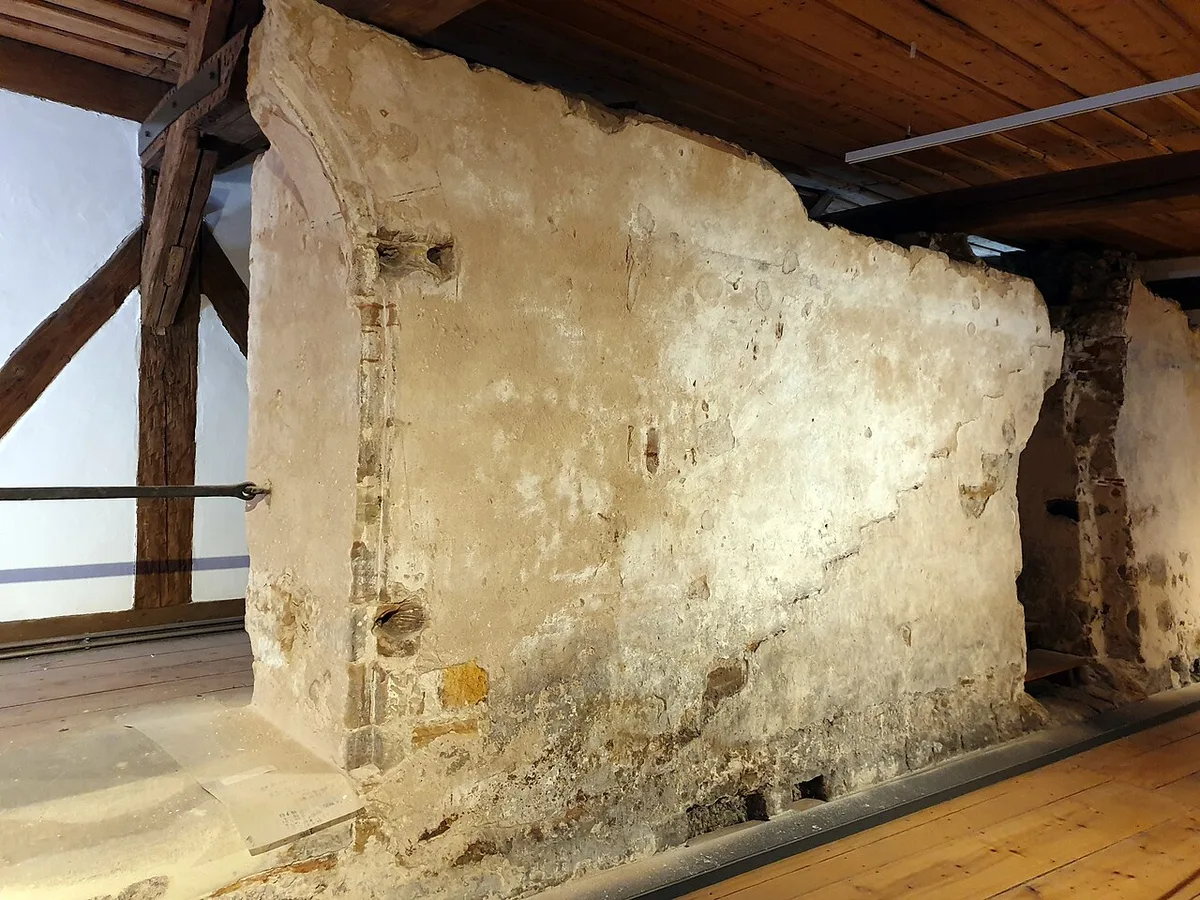
The Alte Hofhaltung has stood on this hill for more than a thousand years, according to the operator's description of the site, and its present appearance mixes several architectural phases. That layered history is the subject of one of the museum's 2026 exhibitions, which examines how the building's function and look changed over the centuries.
Confusing the courtyard with the museum is a common mistake. The courtyard is a publicly accessible space within the complex; the museum interior is ticketed and keeps its own published hours. Do not assume you can wander into the galleries at any time you can walk through the court.
Opening hours and admission as published
The operator lists opening hours of Tuesday to Sunday and public holidays, 11am to 5pm, with adult admission at 8 EUR. Reduced rates of 7 EUR or 4 EUR apply to groups of ten or more, seniors aged 65 and over, students and trainees aged 19 and over, visitors with severe disabilities, and holders of the Volunteer Card. Children and young people up to and including 18 years enter free.
A last-minute ticket from 4pm is sold at half price, which is the most useful money-saving lever on this hill and one that many guides omit. Free entry also covers BambergCard holders, ICOM card holders, members of several museum and art-history associations, and accredited journalists. Because categories and prices can change, confirm the current list on the operator's information page before you rely on a specific rate.
Bamberg city tourism maintains its own listing for the museum, which is useful for cross-checking the address and contact details rather than for prices. Use the operator's German-language information page as the authoritative source and the tourism listing as a sanity check.
What the 2026 exhibitions cover
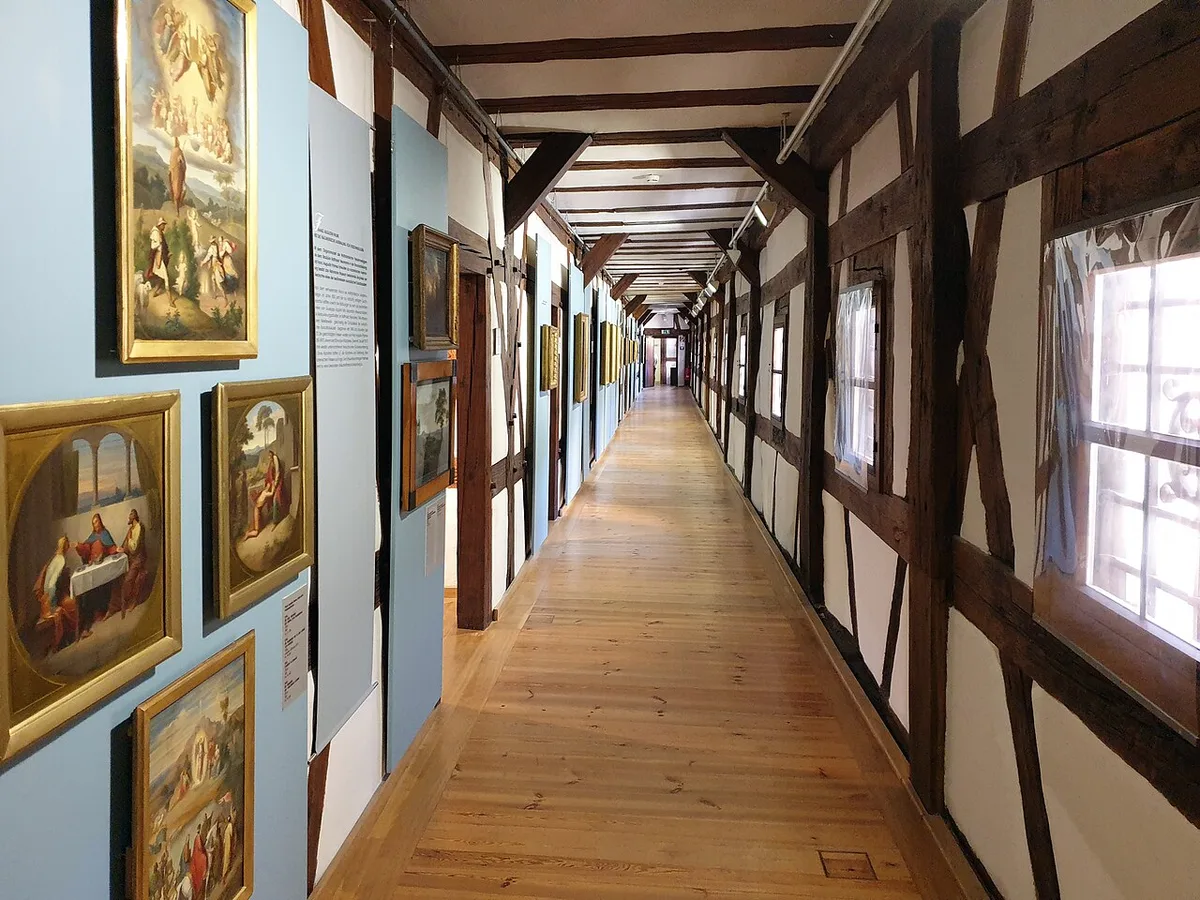
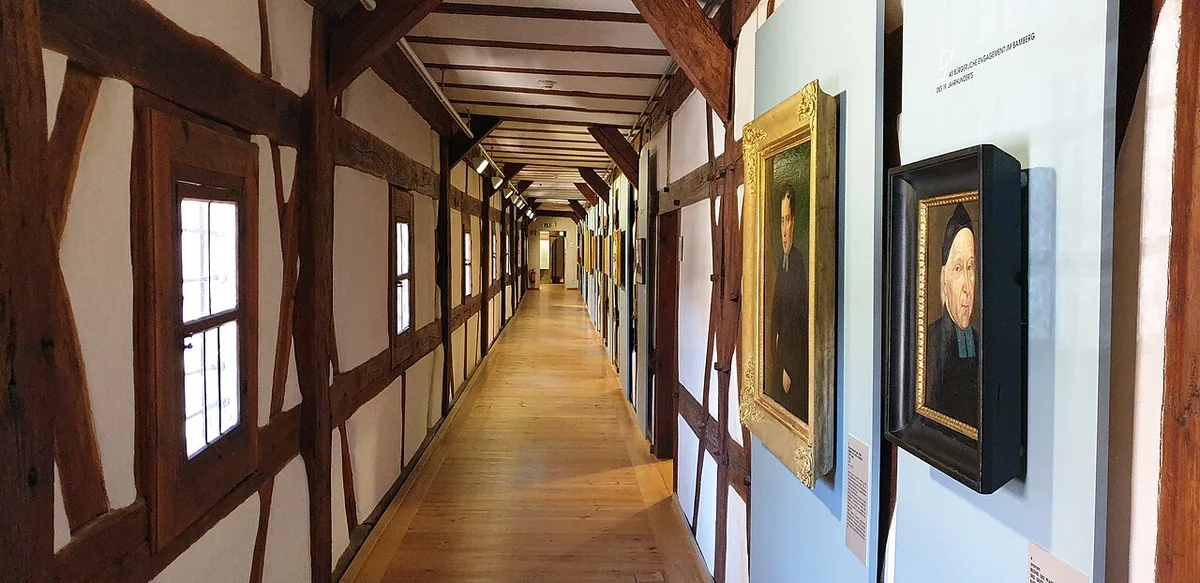
The operator dates most of its current special exhibitions to 26 March through 1 November 2026, plus the E.T.A. Hoffmann Dance Hall from 29 April to 1 November 2026. Themes include the Old Court of Bamberg and its thousand-year architectural history, a walk through the painting collection inspired by the flâneur, and a study of the Bamberg bourgeoisie between Romanticism and the Gründerzeit. A further exhibition traces Jewish life in Franconia from the Middle Ages to the present using historical sources and everyday objects.
Two more strands widen the appeal beyond pure city history. One presents historical astronomical instruments, surveying tools, and solar and mechanical clocks from the 16th to 18th centuries under the theme of time and space. Another marks the E.T.A. Hoffmann anniversary year with Pop Art, works by Bamberg Art Association award recipients, and the Apfelweibla, alongside a programme of readings, music, lectures, workshops, and film screenings.
Exhibition run dates are the operator's own and remain subject to change, so check the current programme shortly before travelling if a specific show is your reason for going. If you have visited Bamberg before, the rotating special exhibitions are the strongest argument for a return visit rather than the permanent collection alone.
Ticket scope: what the 8 EUR ticket does and does not cover
The adult ticket at 8 EUR covers the Historisches Museum in the Alte Hofhaltung. It does not cover the Diocesan Museum at Domplatz 5, which is a separate institution run by the Archdiocese of Bamberg with its own admission and its own arrangements. Do not assume a single Domberg ticket gets you into both.
The BambergCard arrangement differs between the two. The city museum grants free entry to BambergCard holders, while the Diocesan Museum's own tourism listing states that entry with the BAMBERGcard is free there as well. Since both institutions publish their own rules, verify each one separately rather than assuming a single card unlocks the whole hill.
Note also that the Diocesan Museum's access route via the cathedral's Adam portal was tied to renovation work with a stated end point, so the way in may have changed. Confirm the current entrance and any special exhibition pricing on the museum's own site before you plan your route through the cathedral.
Courtyard access versus the museum interior
The Alte Hofhaltung courtyard is a quiet, photogenic space that many visitors treat as a free rest stop between the cathedral and the New Residence. It is not the same as the museum: the court is open to passers-by, while the interior galleries require a ticket and follow the museum's published opening hours. Plan around that split rather than expecting one set of hours to govern both.
If your time on the hill is short, the courtyard and the surrounding ensemble may be enough. If you want the temporary exhibitions or the painting collection, you are buying a ticket and should budget time inside accordingly.
Suggested duration and sequencing on the Domberg
As a suggestion rather than an official figure, allow around 60 to 90 minutes for the Historisches Museum if you want to see the special exhibitions without rushing, and longer if a temporary show particularly interests you. The museum is compact, but the 2026 programme is unusually broad, with several distinct thematic exhibitions running in parallel.
A sensible half-day order is cathedral first, then the Diocesan Museum if the imperial textiles are your priority, then the Historisches Museum, with the Alte Hofhaltung courtyard as a break between the two. Pairing it with the Neue Residenz and its rose garden makes a full Domberg day; the two are minutes apart on foot.
If you are working from a city-level plan rather than a single attraction, it helps to slot this museum into a wider itinerary that accounts for walking distances on the hill and for the descent into the old town afterwards.
Who should skip it
If your priority is the cathedral itself, the imperial tombs, and the medieval textiles in the Diocesan Museum, the Historisches Museum is the one Domberg institution you can reasonably drop. It is a city history museum, so its strengths lie in temporary exhibitions on local society, art, and daily life rather than in imperial regalia.
Equally, travellers with only an afternoon in Bamberg should probably choose between the two museums rather than trying to see both properly. The Domberg rewards a slower pace, and the old town below, including the island setting of the Altes Rathaus, is itself worth the remaining time.
Getting there and around
The operator lists bus line 910 as stopping at Domplatz, directly in front of the museum, and drivers can use the Geyerswörth underground car park and walk via Karolinenstraße. Walking up from the old town is possible but involves a climb, so factor that in if you are combining the museum with the riverfront sights.
Once on the hill, everything in this guide is within a few minutes on foot: the cathedral, the Diocesan Museum, the Neue Residenz, and the Alte Hofhaltung itself. The broader Bamberg landmark guides cover the rest of the city's main sights if you want to build a longer route after leaving the Domberg.
Plan Your Visit
The Historisches Museum earns its place on a Domberg itinerary when the temporary programme appeals to you or when you want a city-history counterweight to the cathedral's religious treasures. It is a different visit from the Diocesan Museum next door, with its own ticket, hours, and free-entry categories. Decide which one matches your interests before you buy anything.
Before you travel, check the operator's current opening hours, admission rates, and exhibition dates, since these are the details most likely to shift. Confirm the Diocesan Museum's entrance route separately if you intend to see the cathedral treasury, because its access arrangements have changed with building work. Build the rest of your day around the city's wider landmarks once the Domberg is settled.
Frequently Asked Questions
Is the Historisches Museum Bamberg worth visiting?
It is worth it if you want a municipal museum about Bamberg's own history, art, and society, especially during a year with a broad temporary exhibition programme. It is less compelling if your priority is the cathedral treasure and imperial textiles, which belong to the separate Diocesan Museum. Decide based on whether the current special exhibitions interest you.
Is the Alte Hofhaltung courtyard free to enter?
The courtyard functions as a publicly accessible space within the complex, while the museum interior is ticketed and follows its own opening hours. Do not assume courtyard access means gallery access. Check the operator's published hours before planning a visit inside the museum.
Does one ticket cover the Historisches Museum and the Diocesan Museum or cathedral treasury?
No. They are separate institutions with separate tickets, run by the city and the archdiocese respectively. Their BambergCard arrangements are published separately, so check each operator's own page rather than assuming one card or ticket covers both. The Diocesan Museum's entrance route has also been affected by renovation work, so verify access before you go.
How long should I spend at the Historisches Museum Bamberg?
As a suggestion rather than an official figure, allow roughly 60 to 90 minutes for the permanent displays and the current special exhibitions. Add more time if a particular temporary show interests you, since several run in parallel. The museum is compact, so the main variable is how closely you read the exhibition content.
What is on at the Historisches Museum in 2026?
The operator lists several exhibitions running from 26 March to 1 November 2026, covering the Old Court of Bamberg, the painting collection, the Bamberg bourgeoisie, Jewish life in Franconia, and historical timekeeping instruments. The E.T.A. Hoffmann Dance Hall runs from 29 April to 1 November 2026. Run dates are the operator's own and can change, so check the current programme before travelling.
How do I get to the Historisches Museum Bamberg?
The operator lists bus line 910 stopping at Domplatz, right by the museum, and drivers can use the Geyerswörth underground car park and continue on foot via Karolinenstraße. The museum stands on the cathedral square next to the cathedral and the Neue Residenz. Allow extra time if you are walking up from the old town.