

Searching for Bamberg Cathedral treasury tickets leads many visitors to the wrong door. The treasury is not a room inside the cathedral that you wander into after the nave; it is the Diocesan Museum, a separately run institution that grew out of Bamberg's cathedral treasury and now occupies the chapter house on Cathedral Hill. Understanding that split is the single most useful thing to settle before you plan a morning on the Domberg.
The cathedral itself sits at the centre of the hill, and the museum entrance is on Domplatz, a short walk away. One is an active church you can normally enter; the other is a ticketed museum with its own published opening pattern and its own shop and café. Treating them as one attraction with one ticket is the mistake this guide is written to prevent. For wider planning, see Bamberg Cathedral Visitor Guide.
Because the operator publishes and updates its own visitor information, exact entry prices and any holiday exceptions should always be checked on the museum's website or by telephone shortly before your visit. What follows covers what the collection contains, how the route works, and the decision framework for whether the separate ticket earns its place in your day.
What the Diocesan Museum Actually Is
The Diocesan Museum did not begin as a museum in the modern sense. It emerged from the cathedral treasury of a diocese founded in 1007 by Emperor Henry II and his wife Cunegunde, and it retains that character in its permanent collection today. Visitors expecting a generic art gallery will instead find sacred objects arranged around the history of the archdiocese, as the museum's own description sets out.
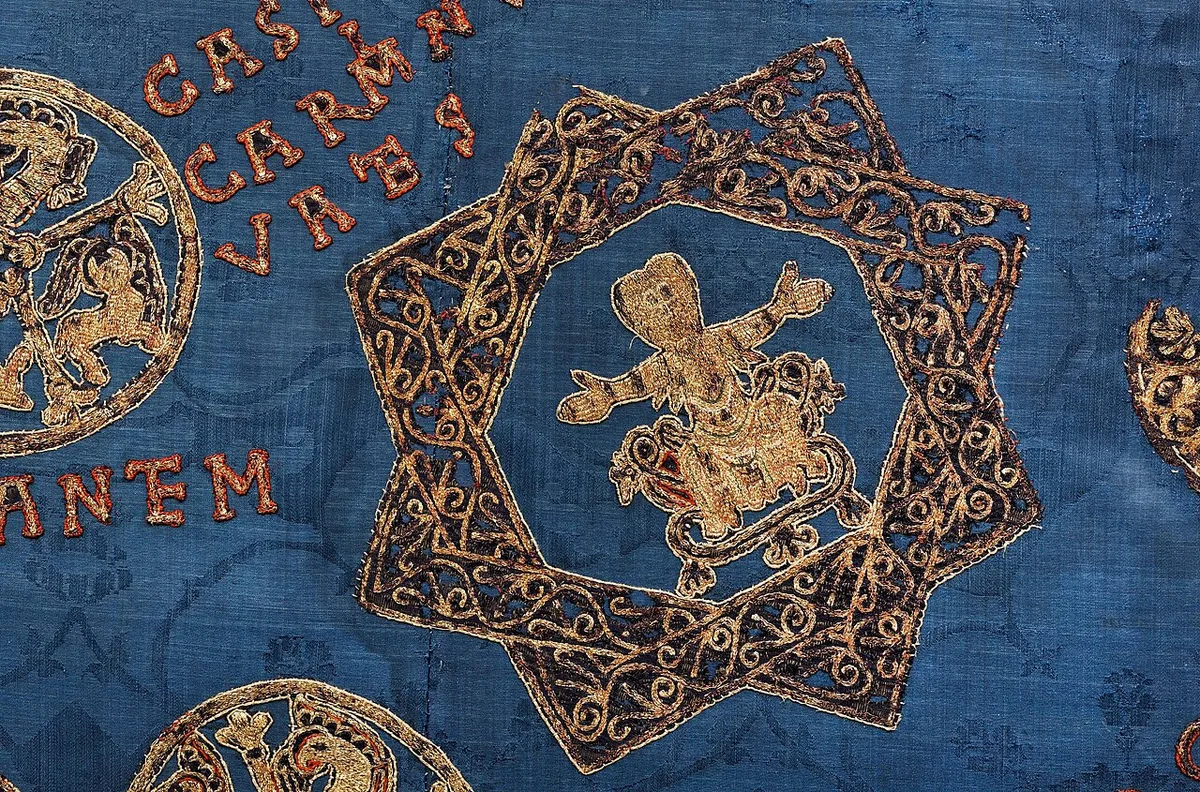
It is one of several museums clustered around the cathedral on Cathedral Hill, which is why the hill can feel like a single complex even though each institution is administered and ticketed separately. Bamberg's tourism office groups them as museums on Cathedral Hill precisely because visitors keep conflating them. If your interest is specifically the medieval treasure, the Diocesan Museum is the institution to look up.
The museum's address is Domplatz 5 in Bamberg, and it sits within the ensemble of buildings that includes the cathedral, the Alte Hofhaltung and the Neue Residenz. That concentration is convenient, but it also means a single afternoon can easily absorb two or three separate entry fees if you do not decide in advance what you actually want to see.
The Collection: Imperial Cloaks, Papal Regalia and Medieval Textiles
The museum's headline holdings are its high medieval textiles. They include the eleventh-century imperial cloaks: the Star Cloak bearing a dedication to Henry, the two Cloaks of Kunigunde and the twelfth-century Rider's Cloak. Textiles of this age survive in tiny numbers anywhere in Europe, and this group is the reason many visitors come at all.
Alongside the cloaks are the papal regalia of Clement II, who died in 1047, the eleventh-century Gunther cloth, the Passion carpet of around 1500, and chasubles from several centuries. The collection also extends to crucifixes, liturgical vessels from the eleventh to the eighteenth century, Gothic figures, remains of the Baroque cathedral furnishings, and parts of the St Vitus Stoss altar. Votive pictures, rosaries and nativity scenes represent popular devotional practice.
One common assumption deserves correction: the imperial regalia shown here are vestments and textiles, not the imperial crown. If the Reichskrone is what you have in mind, that is a different collection in a different city, and no source describes it as part of this display. The museum's permanent collection listing, covering the Domschatz, Kaisergewänder and Kreuzgang displays, is where you can confirm what is currently on show.
Balthasar Neumann's Chapter House and the Cloister Route
The setting is part of the experience rather than a neutral container. The collection is housed in the rooms of the chapter house built by Balthasar Neumann in 1733, so the architecture frames the treasury objects rather than merely storing them. Allow a little time to look up as well as down.
The visit then continues into the cloister, which serves as a display room rather than a passage. Sculptures from the Prince's Portal and the Adam's Gate are shown there, along with figures brought in from churches across the archdiocese. Because the cloister is part of the museum route, the sequence of rooms matters: you are not walking through a single hall and leaving.
Opening Pattern and Practical Planning
The museum follows a weekly pattern rather than opening daily. On its own site it lists Monday and Tuesday 10:00 to 17:00, Thursday to Saturday 10:00 to 17:00, Sunday 13:00 to 17:00, and closure on Wednesday, with a note that different times apply on certain days. Another listing gives Sunday as 12:00 to 17:00, so treat the Sunday start time as something to confirm rather than fix in your plan.
A Wednesday visit will not work at all, and public holidays can shift the normal rhythm in either direction. The museum publishes holiday opening times separately from its regular weekly hours, which is exactly the kind of detail that catches out visitors who have only checked a general listing. Confirm the specific date you plan to visit on the operator's page or by phone before committing.
As a rough planning benchmark rather than an official figure, most visitors with a real interest in the textiles should set aside around an hour to ninety minutes for the museum and cloister route. If you are fitting it into a wider morning on Cathedral Hill, that estimate is the number to work with when you sequence the cathedral, the museum and the surrounding square.
The Ticket Question: What Is and Is Not Confirmed
The museum maintains its own tickets section alongside its visitor information, which is where entry prices and any concessions are published. Because these values change and the museum does not publish them into third-party listings reliably, the honest answer is that you check the current price on the museum's site or at the ticket desk rather than rely on a figure quoted elsewhere. No combined cathedral-and-treasury ticket is documented in the museum's own visitor materials.
Treat the Diocesan Museum and the cathedral as two separate visits when you budget your time and money. The museum is the paid element; the cathedral is an active place of worship on the same square, and its own visitor arrangements are described on its own terms rather than folded into the museum's ticketing.
If a discounted city card is on offer, ask at the desk whether it applies here before you buy it, because coverage varies between museums on the hill. The museum's own service pages, including its visitor information and accessibility notes, are the authoritative place to resolve questions about entry conditions. Anything you read elsewhere should be checked against that source.
Combining the Museum With the Rest of Cathedral Hill
The most natural sequence is to see the cathedral first, then the Diocesan Museum, then the square outside. The museum entrance sits on Domplatz, and the cathedral is immediately adjacent, so no transport is required between them. Build in a pause rather than chaining them back to back, because the textile displays reward unhurried attention.
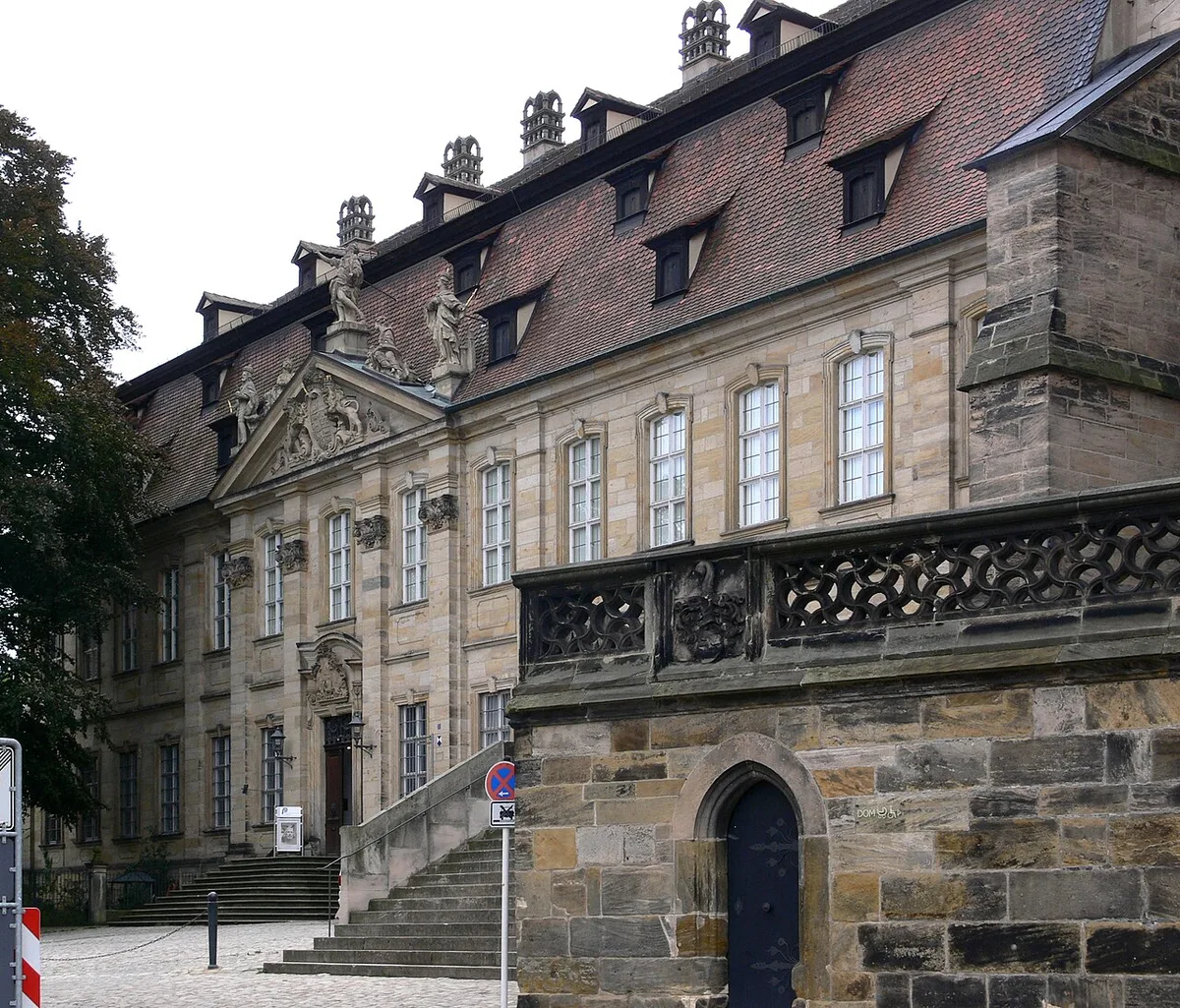
Other museums cluster within a few minutes' walk, which is what makes a one-ticket assumption so tempting. The Alte Hofhaltung and the Historisches Museum Bamberg sit in the same ensemble of courtyards and buildings, and the Neue Residenz is a short walk away with its own separate admission. If you want to string several together, plan the order in advance rather than paying at each door on impulse.
For a wider sense of how the hill fits into the city, a dedicated Bamberg: Itineraries and City Travel Guides page is more useful than trying to see everything in one sweep. The old town below is a short descent from the Domberg, so the museum can sit at either the start or the end of a walking day depending on which direction you approach from. The Domberg walk route is the natural way to connect the hill with the streets below.
Who Should Prioritise This Museum
Prioritise the Diocesan Museum if eleventh- and twelfth-century textiles, liturgical objects and the history of a medieval diocese are genuinely interesting to you. The imperial cloaks and the Clement II regalia are not replicated at this level elsewhere in the region, and the chapter house setting adds context that a vitrine in a general museum would not. For that visitor, the separate ticket is the point of the visit, not an add-on.
Deprioritise it if you are in Bamberg mainly for the architecture and the old town. The cathedral, the square and the surrounding courtyards deliver most of what a short visit needs, and a treasury collection requires slower reading and closer looking to repay the entry fee. Skipping it is a legitimate choice rather than a gap in your trip.
Families with younger children may find the collection demanding, though the museum does publish offers aimed at children, schools and families, including simple-language formats. If that matters to your group, check those offers on the museum's own site before deciding, since availability and format are not fixed year-round.
Common Mistakes and How to Avoid Them
The most frequent mistake is assuming one complex equals one ticket. The cathedral, the Diocesan Museum, the Alte Hofhaltung museums and the Neue Residenz are distinct, and each has its own entry arrangements. Planning as if a single purchase covers the hill leads to either an unplanned extra cost or a disappointing omission.
The second is arriving on a Wednesday, when the museum is closed according to its published weekly pattern. The third is relying on an old blog post or third-party listing for prices and hours that the museum itself updates. The official tourism listing for the Diocesan Museum is a useful cross-check alongside the operator's own pages before your travel date.
A fourth, subtler mistake is expecting the imperial crown. The collection is rich in imperial cloaks and papal regalia, and conflating those with the crown of the Holy Roman Empire leads to a visit spent looking for something that is not there. Read the collection description on the museum's site so your expectations match what is actually displayed.
Plan Your Visit
Decide first whether the medieval textiles are what you came for. If yes, the Diocesan Museum earns a slot on Cathedral Hill and you should build the rest of the morning around it. If not, seeing the cathedral and the square without entering the treasury is a perfectly reasonable way to spend the same time.
Then confirm the practical details on the operator's own pages: current entry prices, the opening pattern for your specific date, holiday exceptions and any family or accessibility offers. Prices and hours change, and the museum's site is the only place that keeps them current.
Finally, slot the visit into a wider route through Bamberg rather than treating it in isolation. The city's landmark guides and itinerary pages will help you sequence the Domberg with the old town below, so the museum supports your day instead of competing with it.
Frequently Asked Questions
Is the cathedral treasury the same as Bamberg Cathedral?
No. The treasury collection is held by the Diocesan Museum Bamberg, which grew out of the old cathedral treasury and now occupies the chapter house on Domplatz. The cathedral is a separate active church on the same hill with its own visitor arrangements. Plan them as two visits rather than one.
Is the Diocesan Museum ticket separate from visiting the cathedral?
Yes, they are separate institutions. The museum has its own tickets section on its website, and no source describes a combined ticket covering both the cathedral and the treasury collection. Check the museum's own pages for current entry conditions before you travel.
What can you see in Bamberg's Diocesan Museum?
The highlights are high medieval textiles, including the eleventh-century Star Cloak, the two Cloaks of Kunigunde and the twelfth-century Rider's Cloak, along with the papal regalia of Clement II, the Gunther cloth, the Passion carpet of around 1500 and chasubles from various periods. The collection also includes crucifixes, liturgical vessels, Gothic figures, parts of the St Vitus Stoss altar, and devotional objects such as rosaries and nativity scenes.
How long should you allow for the Diocesan Museum?
As a planning suggestion rather than an official figure, allow roughly one hour to ninety minutes for the museum rooms and the cloister display. Visitors with a strong interest in medieval textiles may want longer, while those combining it with the cathedral and the surrounding museums should treat this as one block in a longer morning on Cathedral Hill.
When is the Diocesan Museum closed?
The museum publishes a weekly pattern with Wednesday as its closing day, and it notes that different times apply on certain dates. Sunday opening is listed differently across sources, so confirm the exact times for your date on the museum's website or by telephone, especially around public holidays.
Is there a combined ticket for the cathedral and the treasury?
No combined cathedral-and-treasury ticket is documented in the museum's own visitor information. If a city discount card or a museum pass is available, ask at the ticket desk whether it applies here, because coverage varies between the institutions on Cathedral Hill.


