

Wiesbaden's city museum sits in the Marktkeller at Marktplatz, the lower level of the market area, and spreads across roughly 1,300 square metres of exhibition space. It covers local history from prehistory to the present day, so it works as a primer before you wander the old town rather than a stop you save for the end. The Stiftung Stadtmuseum Wiesbaden runs it, and the city publishes the practical visitor details.
A suggested window of 60 to 90 minutes suits the permanent display if you keep moving, and that figure is our own suggestion rather than anything the museum states. Because the museum is small enough to enter on a whim but layered enough to reward attention, it fits neatly between the market square and the surrounding lanes. The one thing to check before you walk over is whether, and how much, you pay at the door.
Why the Stadtmuseum am Markt Works as a First Stop
Start here if you have limited time, because the museum compresses the city's long story into a floor you can cross in a single visit. Rather than presenting one undifferentiated mass of objects, it organises its holdings into distinct collections, which makes the permanent display easy to navigate. That structure lets you pick a thread and follow it instead of trying to absorb everything.
It is not a large encyclopaedic museum, and it does not pretend to be. It is a local-history collection, so its value lies in context: archaeological material and everyday objects tied specifically to this city and its region.
Location on Marktplatz: Marktkeller, Not a Castle
The current address is Marktplatz in central Wiesbaden, and the museum's own history explains the venue. The Stadtmuseum am Markt as visitors know it sits in the Marktkeller of Dern, a lower-level space beneath the market area given the shorthand name sam. The city's contact page lists the address as Marktplatz with the postcode 65183 Wiesbaden.
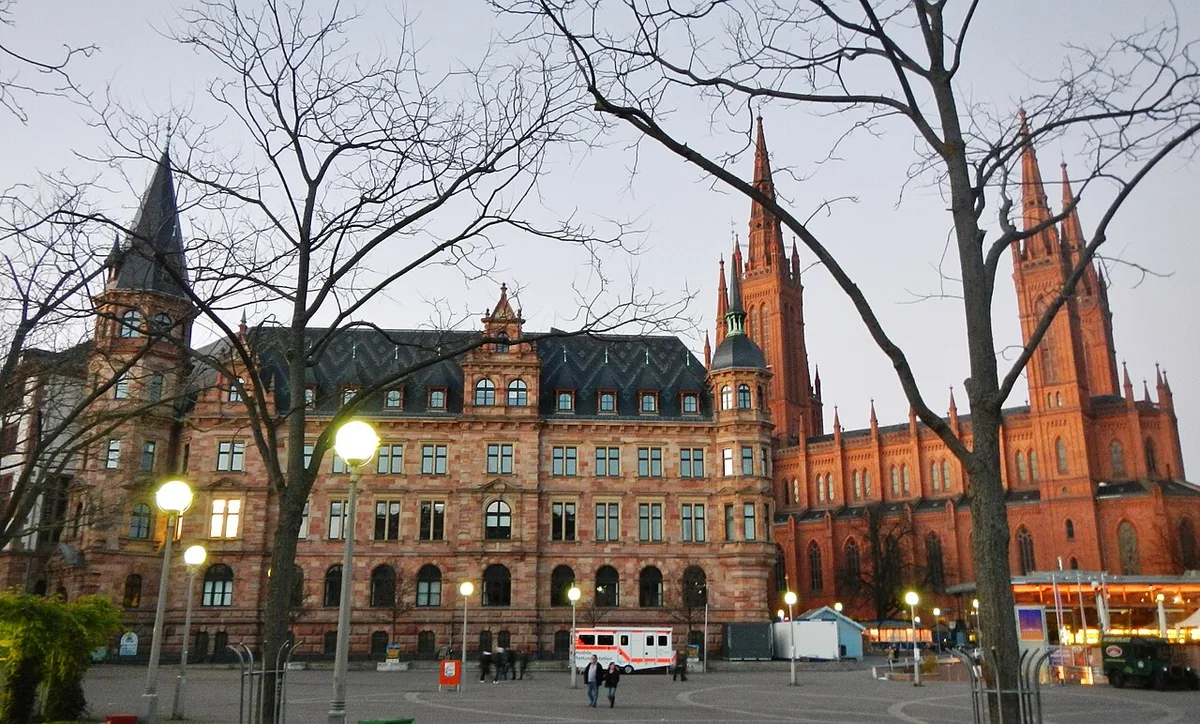
Before this move, the museum's project office organised exhibitions mostly in the rooms of the former Café Kühn at Ellenbogengasse 3 to 7, a space known as Schaufenster Stadtmuseum. That building was demolished, and the collection relocated to the Marktkeller. If you are searching for the Ellenbogengasse address, you are working with the museum's older home.
What the Collection Covers: Prehistory to the Present
The city describes roughly 1,300 square metres of exhibition space devoted to the history of the Hessian capital, drawing on finds from the city and its surroundings. The chronological sweep runs from prehistory to the present day, which is why the museum functions well as orientation even for a short trip.
Because the display uses objects recovered in and around Wiesbaden, the narrative stays specific. You are not reading a generic German history; you are seeing what local excavation and collecting have produced over time.
The Two Collection Pillars: Nassau Antiquities and Wiesbaden Everyday History
The museum's holdings currently rest on two main blocks. The first is the Nassauische Antikensammlung, usually rendered as the Nassau Antiquities Collection. The second is a Wiesbaden cultural and everyday-history collection covering the nineteenth to twenty-first centuries, which is described as developing rather than complete.
A third strand focused on the history of television is intended for the future, so expect the balance between the two existing pillars to shift as the collection grows. Understanding that split helps you decide where to spend your limited time. The archaeological material rewards slow reading of labels, while the everyday-history section gives the more recent city context.
Nassau Antiquities: How a Princely Purchase in 1820 Shaped the Museum
The Nassau Antiquities Collection traces its origins to the purchase of the collection belonging to the Frankfurt Freiherr Johann Isaac von Gerning in 1820. That acquisition supplied the foundation for what became the museum's archaeological core. Knowing the date matters because it explains the character of the material: an early nineteenth-century collector's cabinet, not a modern excavation archive.
Descriptions of the remaining holdings mention applied arts from early medieval ivory carving through nineteenth-century historicism, plus military-history objects, a numismatic collection and a sculpture collection. Artsupp also gives a large archaeological object figure, but treat such counts as the platform's description rather than a figure the city publishes on its own visitor pages.
Special Exhibitions and the Museum's Changing Homes
The museum has staged numerous temporary exhibitions over the years, and the city maintains an archive of past shows rather than a live listing on those pages. One documented example is OSTZEIT, an exhibition of stories from a former country that included work by the photographer Harald Hausmann. If you want to know what is on now, the archive will not tell you; check the museum's current programme separately.
The venue history mirrors the exhibition history. The project office stage at Schaufenster Stadtmuseum on Ellenbogengasse gave way to the Marktkeller home after demolition, which means the museum's identity has moved with its address.
Is Admission Free? What to Check Before You Go
The city's visitor pages give the address, email, telephone number and opening hours, but they do not publish an admission price or state that entry is free. That distinction matters, because guessing would be worse than arriving mildly uncertain. Use the museum's service page to confirm the current arrangement before you build it into a tight schedule.
Do not assume a ticket bought here covers other Wiesbaden museums, either. Nothing in the published material supports a shared-admission claim, so treat each venue separately. If cost is decisive for your itinerary, verify it directly rather than relying on third-party listings that may lag behind.
Opening Hours and a Timetable That Fits a Short Old-Town Walk
The city publishes opening hours of Tuesday to Sunday, 11:00 to 17:00, with Thursday extended to 20:00. Monday is not included in that pattern, so a Monday arrival is the most common planning mistake. Hours can change, so confirm them against the service page close to your visit.
For a 60 to 90 minute visit, arrive in the late morning when the museum has just opened and you still have daylight for the square afterwards. Alternatively, use the Thursday evening window if your day is packed with other stops. Both approaches are suggestions based on the published hours, not official recommendations.
Pairing the Museum With the Marktplatz and Old-Town Lanes
Because the museum opens directly onto the market area, it combines naturally with a circuit of the surrounding streets. A walking tour Wiesbaden old town route can absorb the museum as one indoor pause between outdoor stretches. Keep the museum segment short and leave the rest of the circuit for the lanes.
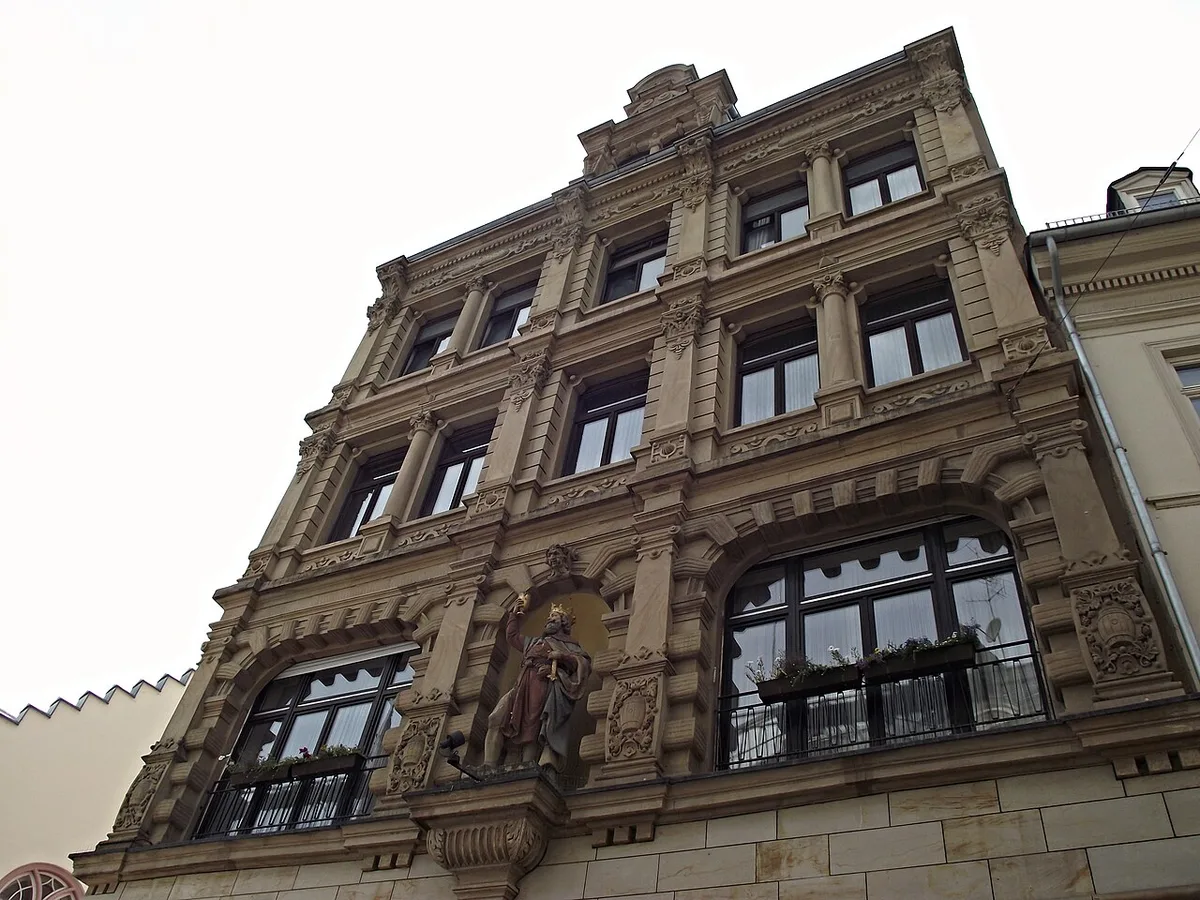
The Marktkirche Wiesbaden stands in the same historic core, and its distinctive brick architecture gives the square its silhouette. Pairing the two makes sense because they occupy the same short radius, letting you move between them without transport.
If you have a full day rather than an afternoon, an Eberbach Abbey day trip from Wiesbaden adds a completely different scale of site outside the city. The Nassau State Theatre Wiesbaden guide is the better complement for an evening, since performances sit outside museum hours. Both work as add-ons rather than replacements for the city museum.
Before You Go: Address, Contact and Confirming Details
The museum's address is Marktplatz, 65183 Wiesbaden, and the city lists an email address and telephone number for enquiries. The city also names the Stiftung Stadtmuseum Wiesbaden and gives a separate postal address at Bierstadter Strasse 1 for administrative correspondence. Use the Marktplatz address for visiting and the other for written matters.
Check the published hours once more on the day before you travel, because the figures here come from the city's own pages and can be revised. If you need accessibility information or parking detail, ask the museum directly; those specifics are outside what the visitor pages establish. Planning around the confirmed details beats arriving with assumptions.
Plan Your Visit
The Stadtmuseum am Markt is best treated as a compact orientation to Wiesbaden rather than a destination in itself. Its roughly 1,300 square metres of exhibition space, its split between the Nassau Antiquities Collection and the newer everyday-history collection, and its position at Marktplatz make it easy to fold into a short old-town walk.
Confirm the opening hours and the current admission arrangement on the city's service page before you set out, since those are the two details most likely to change. Then build the visit around the published Tuesday to Sunday window, using the Thursday evening extension if your daytime schedule is crowded.
Frequently Asked Questions
Is the Stadtmuseum am Markt free to enter?
The city's visitor pages give the address, contact details and opening hours, but they do not state an admission price or confirm that entry is free. Because pricing can change, check the official service page for the Stadtmuseum am Markt shortly before your visit rather than relying on older listings. Treat any third-party claim about free entry or a set ticket price as unverified until the museum confirms it.
What are the opening hours of the Stadtmuseum am Markt?
The city publishes opening hours of Tuesday to Sunday, 11:00 to 17:00, with Thursday extended until 20:00. Monday is not included in that pattern, so a Monday visit will not work on the published schedule. Hours are subject to change, so confirm them on the official service page before travelling.
How long does a visit to the Stadtmuseum am Markt take?
A suggested window of 60 to 90 minutes suits the permanent display at a steady pace. That figure is a planning suggestion, not an official duration published by the museum. If you want to read the archaeological labels in the Nassau Antiquities Collection closely, allow the longer end of that range.
What can you see in the Nassau Antiquities Collection?
The collection traces back to the 1820 purchase of the Frankfurt Freiherr Johann Isaac von Gerning's holdings, which formed the archaeological core. Descriptions of the wider holdings mention applied arts from early medieval ivory carving to nineteenth-century historicism, along with military-history objects, a numismatic collection and sculptures. Object counts circulated by third-party platforms are not figures the city publishes on its own visitor pages.
Where exactly is the museum on the market square?
The museum is at Marktplatz, 65183 Wiesbaden, in the Marktkeller of Dern rather than inside a castle. Before this move, exhibitions were held mainly at Schaufenster Stadtmuseum on Ellenbogengasse, but that building was demolished and the collection relocated. Administrative correspondence goes to the Stiftung Stadtmuseum Wiesbaden at Bierstadter Strasse 1, not to the Marktplatz visitor address.
Are current special exhibitions listed on the museum's archive page?
No. The archive covers exhibitions the museum has already staged, such as OSTZEIT, which featured photography by Harald Hausmann. It does not function as a current programme, so check the museum's live listings separately for what is on during your visit. Exhibition titles and dates change, and the archive is a record rather than an announcement.


