

Rain in Bonn rarely ends a day out, but it forces a choice: shelter for free, pay for a collection, or build the day around short hops between nearby indoor stops. The city's wet-weather strengths are clustered. As a suggested planning frame, allow about half a day for one Museum Mile institution plus a covered stop nearby; that is editorial advice, not an official timing. The Botanical Garden in Poppelsdorf is a useful first anchor: its greenhouses display plants from around the world across roughly 2,500 square metres, in houses such as Rainforest, Monsoon, Desert and Mediterranean, each with its own temperature.
Free and rain-protected is a smaller category than it first appears. The Poppelsdorf greenhouses and the cloister at Bonn Münster both keep you dry, but they are different experiences: one is a warm botanical interior, the other a covered open-air walk with a historic courtyard. A local listing describes the cloister as Romanesque and around 900 years old, with a rare dwarf gallery in the upper floor of the south wing. That same listing gives access from Gerhard-von-Are-Straße.
What Counts as Rain-Protected in Bonn
A covered cloister, a greenhouse and a museum interior all keep rain off you, but they demand different things. A cloister is an outdoor-but-covered walk, so wind and cold still matter. A greenhouse is a warm, humid interior with different temperatures between plant houses. A museum is a heated building with bag rules and floors. Deciding which kind of shelter you actually want is the fastest way to avoid a disappointing detour.
Location matters more than the number of options. Bonn's indoor choices are spread across the centre, Poppelsdorf, the Museum Mile and the wider region, so chaining two stops on opposite sides of the city can leave you wet between them. Pick one cluster and do it properly. If you have a full day to fill, a structured Museum Mile itinerary can show how such stops fit together.
Free and Rain-Protected: Greenhouses and the Münster Cloister
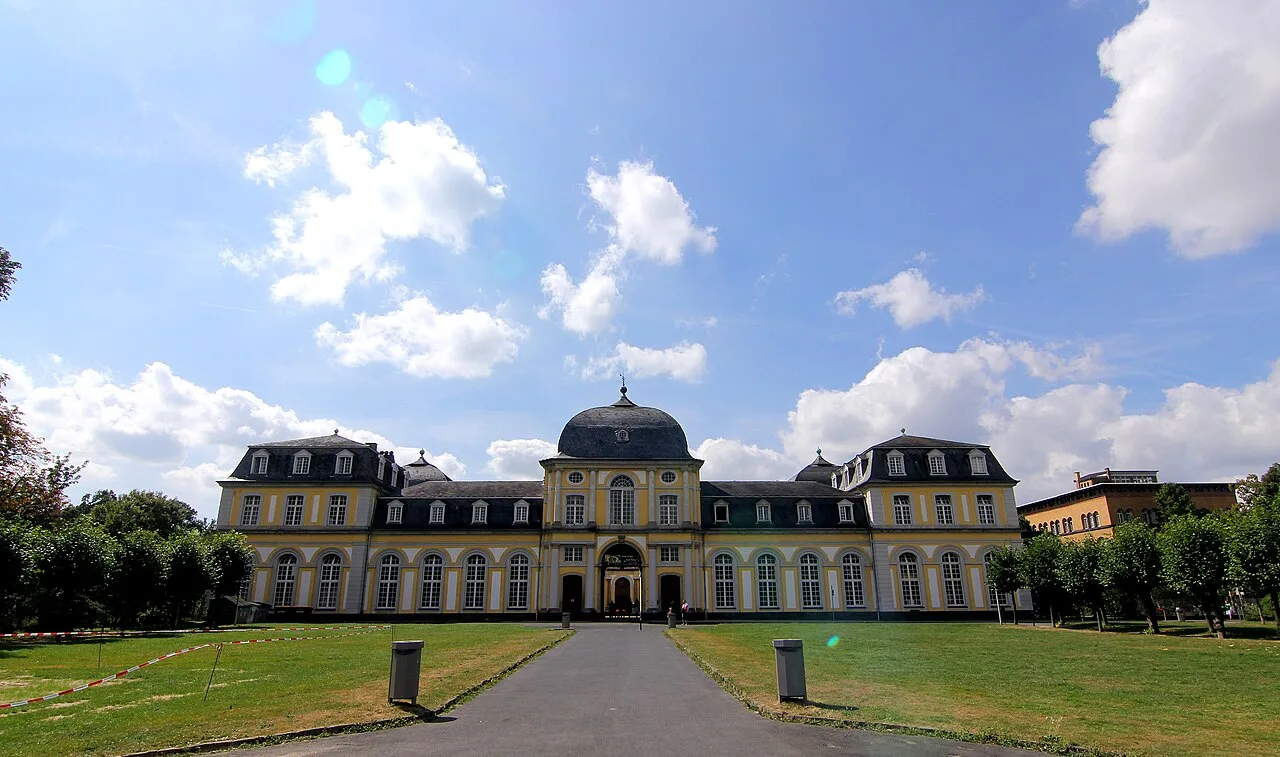
The Botanical Garden in Poppelsdorf is the obvious free indoor option, and its greenhouses are the reason. A local listing reports that plants from around the world are displayed under glass across roughly 2,500 square metres, organised into houses such as Rainforest, Monsoon, Desert and Mediterranean, with different temperatures in each. That range makes it a genuinely satisfying wet-weather walk rather than a quick dash. The same listing gives the address as Meckenheimer Allee 171, 53115 Bonn.
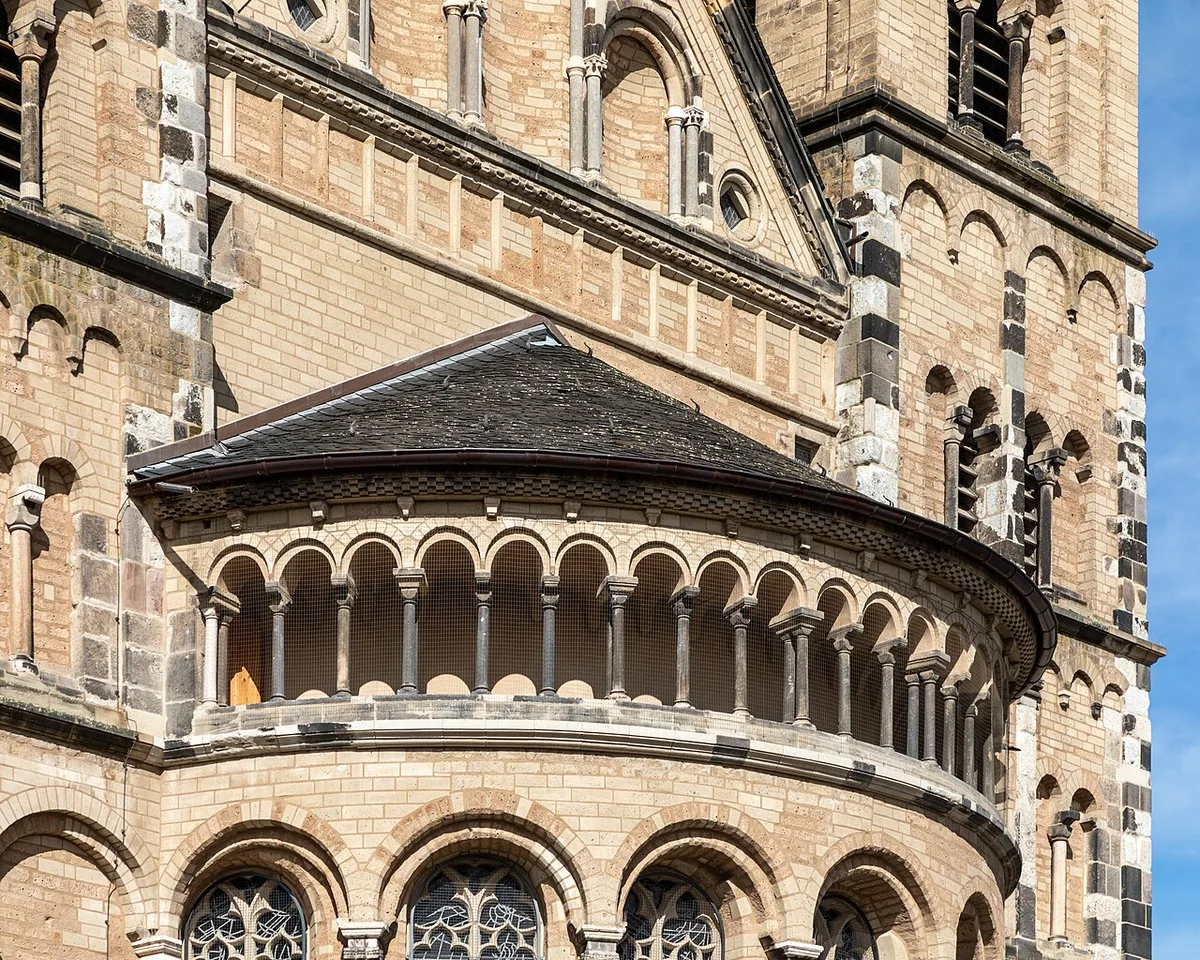
Bonn Münster's cloister is the other free, rain-protected classic, and it suits a different mood. The same local listing describes it as a largely preserved Romanesque cloister with a rare dwarf gallery, fully accessible again after restoration, entered from Gerhard-von-Are-Straße. Because these are working sites with their own rhythms, confirm current opening arrangements with the operator before you travel.
Neither option substitutes for the other. The greenhouses reward curiosity about plants and tolerate a long, slow wander. The cloister rewards quiet and suits a shorter, contemplative stop. The greenhouses suit children who need to move, while the cloister works better for a calm half-hour in the centre. Neither needs a booking in the source description, but treat that as a detail to verify rather than a permanent rule.
Haus der Geschichte and the Museum Mile on a Wet Afternoon
Haus der Geschichte anchors the Museum Mile, and its permanent exhibition covers German history from 1945 onwards, making it a natural wet-afternoon destination. A local listing reports that the permanent and temporary exhibitions are free of charge. Free access is not a permanent guarantee at any site, so confirm current arrangements with the operator before you build a day around it.
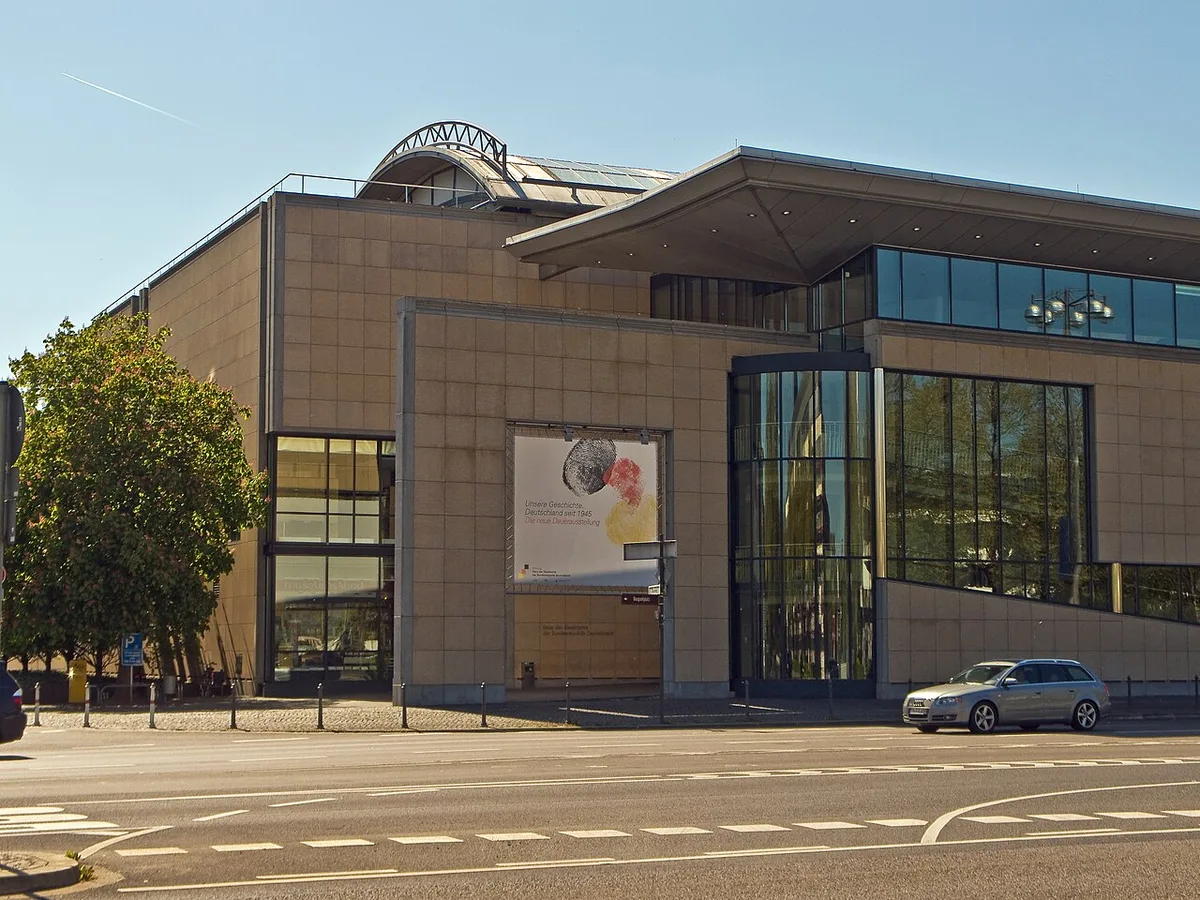
The Museum Mile also includes the Kunstmuseum, the Bundeskunsthalle, the LVR-Landesmuseum and the Stadtmuseum. Do not assume one ticket covers them all: each institution runs its own admission and exhibition programme, so check the individual site for what is included on the day you visit. One museum can absorb a whole half-day, which is why choosing one is usually better than sampling four entrances.
The Museum Mile sits close to the Rhine, so a rainy riverside walk is best saved for a break in the weather. For current cultural listings, browse the official city tourism pages before you set out. That keeps your plan anchored to what is actually open rather than to a fixed route that may not suit the day.
Churches and Cloisters as Quiet Dry Stops
Bonn's churches are useful rainy-day stops because they are scattered through the centre and the districts, so one is rarely far from wherever the rain catches you. Step inside for wall paintings, stained glass, monuments, organs and altars rather than judging from the facade. The Schwarzrheindorf Doppelkirche is the standout example, with two stacked naves and a rare medieval painting cycle that draws visitors from abroad.
Treat churches as active places of worship rather than attractions. Keep visits short, stay quiet, and check locally for services or closures, because a locked door is the most common rainy-day disappointment. A covered cloister gives you the outdoor feeling without the soaking, which is why it pairs well with a church interior on the same stop.
Paid Indoor Choices: Museums, Palaces and Castles
When you want more than a free walk-through, the region's palaces and castles offer dramatic shelter. A local listing highlights Drachenburg Castle in Königswinter, the Augustusburg and Falkenlust palaces in Brühl, and the historic Wissem Castle complex in Troisdorf. Each is a separate ticketed site, so check the individual operator rather than assuming a shared pass.
Paid options buy you depth, not just dryness: a guided interior route, a specific collection, or an exhibition you cannot see elsewhere. Weigh that against the free alternative honestly. If your main goal is simply to stay dry, the greenhouses and the cloister cost nothing and demand no booking in the source description. If you want a structured half-day, a regional palace or a Museum Mile institution is the better use of the same hours.
Beyond Museums: Active Indoor Fun
Rain does not have to mean culture. Escape rooms, climbing gyms, indoor mini golf, bowling and indoor swimming pools all appear in a local round-up of wet-weather activity in and around Bonn. Saunas and thermal baths are the other obvious category, and thermal baths have a particular advantage: you can swim outdoors in warm water while the rain falls around you.
Bookable activity marketplaces are a weaker guide here than they look. A Bonn landing page on one such platform lists jewellery workshops in Bonn, but most of its other examples sit in Cologne or Dortmund, so the location must be checked before you commit. Read the venue address, not the search results page, and confirm the activity is actually in Bonn.
These active options suit groups, families and anyone who finds a museum too passive, but they usually need forward planning and cost money. Choose them when the weather is reliably wet for hours rather than showery, because a booked slot is wasted if the sky clears and you would rather be outside. If the forecast is mixed, keep one flexible free option in reserve.
Cinemas, Shopping and Cafés
For a low-effort rainy afternoon, cinemas in and around Bonn cover everything from blockbusters to documentaries and opera screenings, and they need no planning beyond a showtime. Shopping is the other simple shelter, and a local listing suggests turning it into a themed trip, such as moving between second-hand shops by public transport rather than drifting through one mall. Cafés and restaurants then give you somewhere to warm up and watch the rain through the glass.
This category is best when you are already in the centre and do not want to travel far. It also works as a fallback if a booked indoor activity falls through, since cinemas, shops and cafés are spread across the districts. Check current listings locally rather than relying on a fixed plan.
Getting Around Without Getting Soaked
Transport is the part of a rainy day that most plans ignore. A local listing notes that the region's castles and palaces are generally easy to reach on public transport, which matters when you want minimal exposure between indoor stops. Plan your day as a chain of two or three nearby indoor stops rather than a tour of the whole city.
The usable unit is the cluster, not the individual sight. Pair the Münster cloister with a central church or café, or pair the Poppelsdorf greenhouses with a nearby museum, so you are never more than a short walk from the next roof. Check current timetables and route options with the local transport operator on the day, because service patterns change.
A Suggested Half-Day and Full-Day Rainy Plan
The following is a suggestion, not official guidance, and the timings are deliberately loose. For a half-day, start at the Poppelsdorf greenhouses, spend an unhurried hour or two among the plant houses, then move into the centre for the Münster cloister and a café. This keeps travel short and gives you one warm interior and one covered outdoor space.
For a full day, choose one Museum Mile institution and give it a real half-day, then add the cloister and a church interior as secondary stops. If the rain is heavy and constant, swap the second cultural stop for an active indoor option such as a climbing gym or a thermal bath. Confirm opening arrangements for whichever site you lead with, because a single closure reshapes the day.
If you would rather follow a ready-made sequence of central stops that includes Beethoven House, the Old Town and the Rhine promenade, a one-day Bonn itinerary can be adapted for wet weather by cutting the outdoor stretches.
Mistakes to Avoid on a Wet Day in Bonn
The first mistake is assuming free entry is permanent. A source may report that a permanent exhibition is currently free, but that is not a guarantee, so check the operator before you build the day around it. The second is treating the Museum Mile as one attraction: each institution has its own ticket, and assuming otherwise leads to an awkward conversation at the desk.
The third mistake is over-planning across the city. A rainy day is a bad time to cross Bonn twice, and a booked activity in the wrong district wastes the shelter you paid for. Verify the venue address on any third-party listing, because some platforms mix Cologne and Dortmund events into Bonn search results.
Plan Your Visit
Decide in the first ten minutes of a wet morning by answering one question: do you want free and flexible, or paid and structured? Free and flexible points to the Poppelsdorf greenhouses, the Münster cloister and a church interior, with a café as the fallback. Paid and structured points to one Museum Mile institution or a regional palace, ideally with a confirmed slot. Further visitor details appear in Official event website.
Whatever you choose, verify current opening arrangements and admission with the operator on the day, and keep the route short. A rainy day in Bonn rewards one good stop over three rushed ones, and the covered cloister or a warm greenhouse can carry an afternoon on their own. Track the forecast and have a second indoor option ready in a different district.
Frequently Asked Questions
What can you do in Bonn when it rains?
Start with rain-protected spaces that cost nothing, such as the Botanical Garden greenhouses in Poppelsdorf and the cloister at Bonn Münster. Add a church interior for a short, quiet stop, or choose one Museum Mile institution for a longer, structured visit. If you want activity rather than culture, escape rooms, climbing gyms, indoor mini golf, bowling and thermal baths all appear in local round-ups. Keep the route short and verify current opening arrangements with each operator before you travel. A suggested half-day might pair the greenhouses with the cloister and a café, but that is editorial advice rather than an official schedule.
Which Bonn museums or indoor places are free on a rainy day?
The greenhouses in the Botanical Garden and the Bonn Münster cloister are the two most commonly cited free, rain-protected options, and the Haus der Geschichte has been reported as free of charge for its permanent exhibition. Free entry is not a permanent guarantee at any site, so confirm current arrangements with the operator rather than assuming. Museum Mile institutions each set their own admission, and one ticket does not cover the others.
Is Bonn worth visiting on a rainy day?
Yes, provided you plan around shelter rather than sightseeing. Bonn has a compact centre with a covered cloister, churches and cafés, plus a Museum Mile that can absorb a wet half-day, and the region's castles and palaces are generally described as reachable by public transport. The main risk is over-planning across the city, so choose one cluster and keep a second indoor option ready. Check current opening arrangements before committing.


