

Bonn looks like a small city on the map, but its public transport is part of the Verkehrsverbund Rhein-Sieg, or VRS, a regional authority that coordinates five districts and four cities. That matters for visitors, because a single decision about which ticket to buy can cover a short hop to Museum Mile or a trip well beyond Bonn's boundary. The Bundeskunsthalle's published directions give a concrete starting point: from Bonn Hauptbahnhof, U-Bahn lines 16, 63 and 66 run toward Bad Godesberg and Königswinter, with five stops to Heussallee/Museumsmeile.
Those same directions name bus lines 610, 611 and 634 for the Museum Mile area, and the SB60 shuttle from Cologne Bonn Airport to Bonn Hbf. From Siegburg/Bonn, line 66 runs directly toward Königswinter and stops at Heussallee/Museumsmeile. Treat all of these as planning inputs, then confirm live timetables before you travel.
This guide separates the ticket products by the kind of traveller they suit, explains where Museum Mile sits in the network, and sets out what to verify yourself rather than assume. If you want wider city context first, the Bonn: Itineraries and City Travel Guides hub collects the surrounding trip-planning pages.
Why Bonn's Transport Network Is Bigger Than the City
The VRS describes itself as one network serving five rural districts and four cities, which is why you will see the same tickets and fare logic across Bonn, Cologne and the surrounding towns. Practically, this means you rarely need to buy a fresh ticket each time you cross a boundary, but it also means the price you pay depends on how far you go, not simply on which city you are in. The regional structure rewards a little planning before you board.
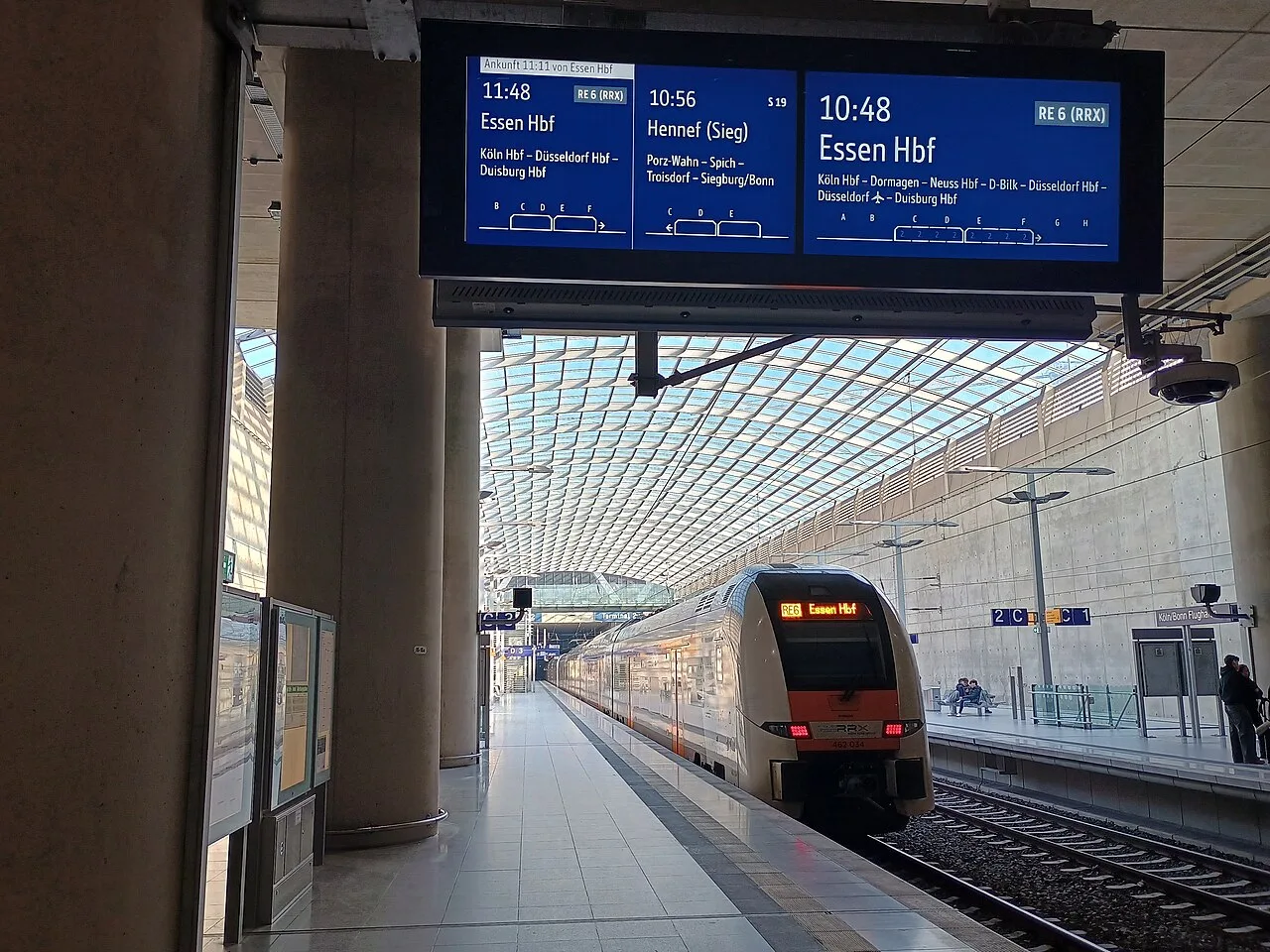
Bonn's own rail system is usually described as a Stadtbahn, an LRT network that opened in 1975 with a compact tunnel core supplemented by surface routes. It connects into a wider Rhine-Ruhr family of light rail cities, including Cologne, whose lines form part of the same intercity rail web. Knowing this helps you read the line numbers correctly: lines 16 and 18 are shared with Cologne rather than being purely local Bonn services.
For visitors, the useful takeaway is that Bonn Hbf, Museum Mile and the Königswinter corridor sit on one continuous rail axis running south along the Rhine. Plan your day around that axis and most trips fall into place without a car.
Ticket Options Explained: Who Each One Actually Suits
The VRS site lists three products worth understanding before you arrive: the Deutschlandticket, eezy.nrw, and the FerienTicket NRW. They are not interchangeable, and choosing badly means paying for flexibility you will not use or buying the wrong scope entirely.
The Deutschlandticket is presented by the VRS as a subscription giving nationwide local and regional mobility, which suits anyone staying a month or more, or a resident-like visitor who wants to stop thinking about tickets. A short-stay tourist normally gains little from a subscription with cancellation terms, so compare it against a few single or day tickets for your actual itinerary. Check the current subscription terms and price directly on the VRS page before committing.
eezy.nrw works differently: you check in at the start of a journey and check out at the end, and the fare is calculated from the distance travelled. That suits visitors who dislike guessing fare zones in advance, though it only makes sense if you remember to check out every time. The NRW holiday ticket is aimed at younger travellers during school holidays, so it is only relevant if your dates happen to fall inside those windows.
Where to Buy Tickets and How to Stay Valid
Tickets are available through the VRS and the local operator, Stadtwerke Bonn, whose bus and rail pages carry the practical purchase and timetable tools for the city. Buy before boarding where the system requires it, and keep the ticket with you for the whole journey rather than discarding it at a barrier. German local transport generally uses proof-of-payment inspection rather than gates, so an unvalidated or forgotten ticket is treated as travelling without one.
The VRS timetable information integrates planned construction works automatically, so a query for your date already reflects scheduled engineering changes. Short-notice disruptions are published separately through operator event notices and the zuginfo.nrw rail information service, which is why a timetable that looked clean in the morning can change by the afternoon. Check again on the day rather than relying on a plan saved last week.
One Bonn-specific example of that principle: the Bundeskunsthalle published that the Heussallee stop in the direction of Godesberg was closed from 8 October to 20 November, and that closure period has now passed. Treat such notices as historical unless the venue or operator is currently displaying them, and confirm the status of your stop on the operator's own site.
Using Bonn Hbf as Your Hub
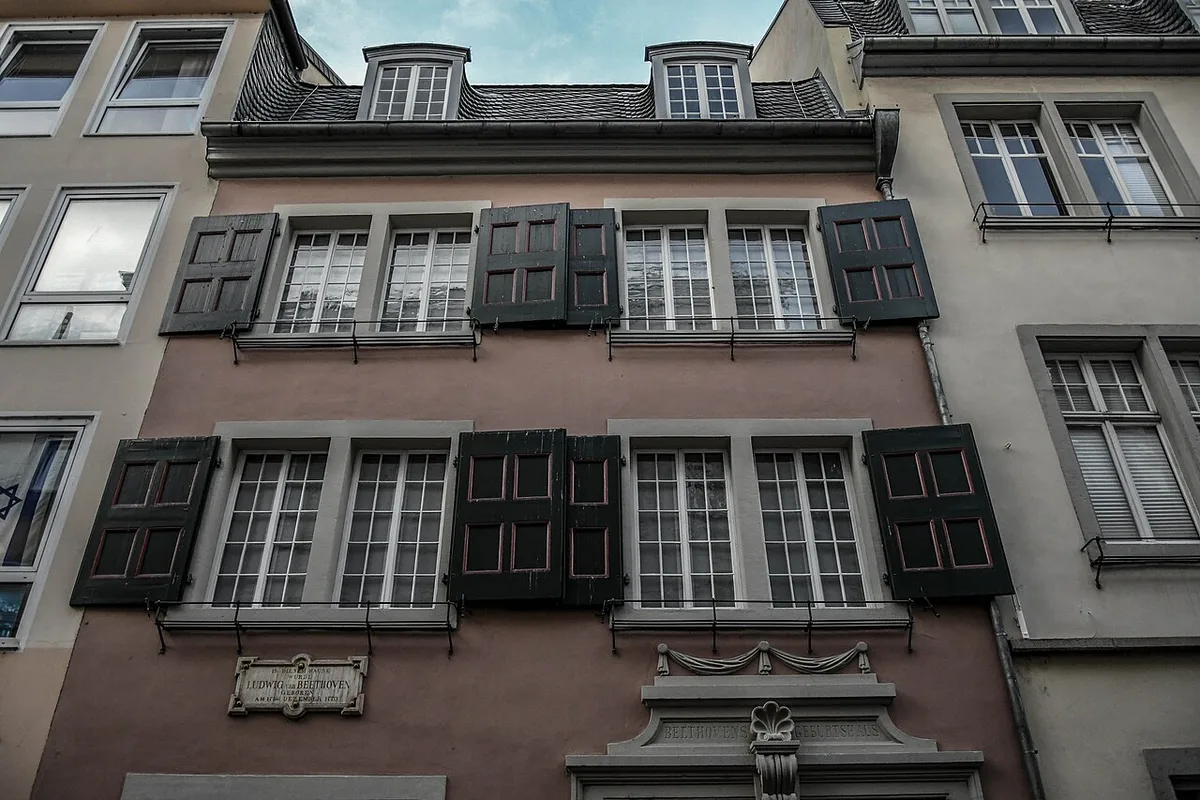
Bonn Hauptbahnhof sits at the top of the city centre, within walking distance of the old town, the Beethoven-Haus on Bonngasse, and the Rhine promenade. Long-distance and regional trains, the Stadtbahn and city buses all converge there, which makes it the natural base for a short visit. If you are arriving from Cologne, the Bonn to Cologne transport guide explains the corridor in more detail.
From the Hauptbahnhof, follow the signs to the underground platforms for lines 16, 63 and 66 if you are heading toward Museum Mile and Bad Godesberg. The Bundeskunsthalle counts five stops from the main station to Heussallee/Museumsmeile, which is a short ride rather than a cross-city journey. Northbound services on the same lines run toward Cologne and beyond, so check the destination display rather than the line number alone.
If you are staying in the southern districts, the Bundeskunsthalle also notes that the UN Campus rail stop is served in both directions by RE 5, RB 26, RB 48 and RB 30. That gives you a Deutsche Bahn option that reaches the museum area without changing at Bonn Hbf first.
Reaching Museum Mile by U-Bahn, Bus and on Foot
Museum Mile, or Museumsmeile, is the cluster of large institutions along Helmut-Kohl-Allee and Willy-Brandt-Allee south of the centre. The Bundeskunsthalle's directions name the Heussallee/Museumsmeile stop for lines 16, 63 and 66 from Bonn Hbf, and bus lines 610, 611 and 634 serving UN Campus Bahnhof and Marie-Kahle-Allee. Arriving by U-Bahn is usually the simplest option for a first visit.
Once you are there, the mile is walkable but genuinely spread out, with wide roads and parkland between venues, so budget time for moving between buildings rather than treating it as one address. The Bundeskunsthalle notes a car park with 535 spaces on Emil-Nolde-Straße plus additional bus parking, and further bus parking in the Rheinaue, which tells you how car-oriented the layout can feel. On foot, the Rheinaue park and riverside paths make the walk pleasant in good weather.
The institutions are separately ticketed, and it is a mistake to assume one ticket covers the whole mile. The Haus der Geschichte states that entry to its museum and all exhibitions is free, with opening from Tuesday to Friday and weekend hours published on its own visitor page. The Bundeskunsthalle publishes its own admission categories and a combined ticket valid for itself and the Kunstmuseum Bonn, but that combination is specific to those two venues.
Opening days differ too, so check each venue rather than assuming a shared schedule. The Kunstmuseum Bonn lists Tuesday to Sunday opening with a later Wednesday evening and Monday closure, while the Haus der Geschichte publishes its own hours, and the Beethoven-Haus in the city centre keeps separate museum times and admission. An itinerary that crosses town to reach a closed door is the most common Museum Mile mistake.
Alternative Arrivals: Siegburg/Bonn and UN Campus
Travellers arriving on high-speed services often reach Siegburg/Bonn rather than the city's main station, which changes the onward leg. The Bundeskunsthalle's directions describe taking U-Bahn line 66 toward Königswinter from Siegburg/Bonn directly to Heussallee/Museumsmeile, avoiding a return into central Bonn. That makes Siegburg a sensible arrival point if Museum Mile is your first stop.
For the city centre itself, the more useful move from Siegburg is a regional train to Bonn Hbf, then the Stadtbahn or a walk. Compare the connection you find on the day rather than trusting a fixed plan, because engineering work and short-notice disruption can change which option is quickest.
Airport Link and the SB60 Shuttle
The Bundeskunsthalle's directions state that the SB60 bus shuttle runs from Cologne Bonn Airport to Bonn Hauptbahnhof. From there, lines 16, 63 and 66 continue toward Bad Godesberg and Königswinter, with five stops to Heussallee/Museumsmeile. That gives a straightforward two-leg route from the airport to Museum Mile without a car.
The published directions confirm the route exists but do not state fares, frequency or operating hours. Check the current shuttle timetable and fare on the VRS or Stadtwerke Bonn site for your arrival day, and allow slack if you land late, since airport services are the first thing to thin out in the evening.
A Day Trip to Königswinter and Drachenfels
Drachenburg Castle sits above Königswinter on the Drachenfels, south of Bonn along the Rhine, and the rail corridor that serves Museum Mile continues in that direction. Line 66 runs toward Königswinter, so the same Stadtbahn axis takes you from the city toward the Siebengebirge hills. From Königswinter you finish the climb either on foot or by the historic rack railway, the Drachenfelsbahn, which has linked the town with the hillside since 1883.
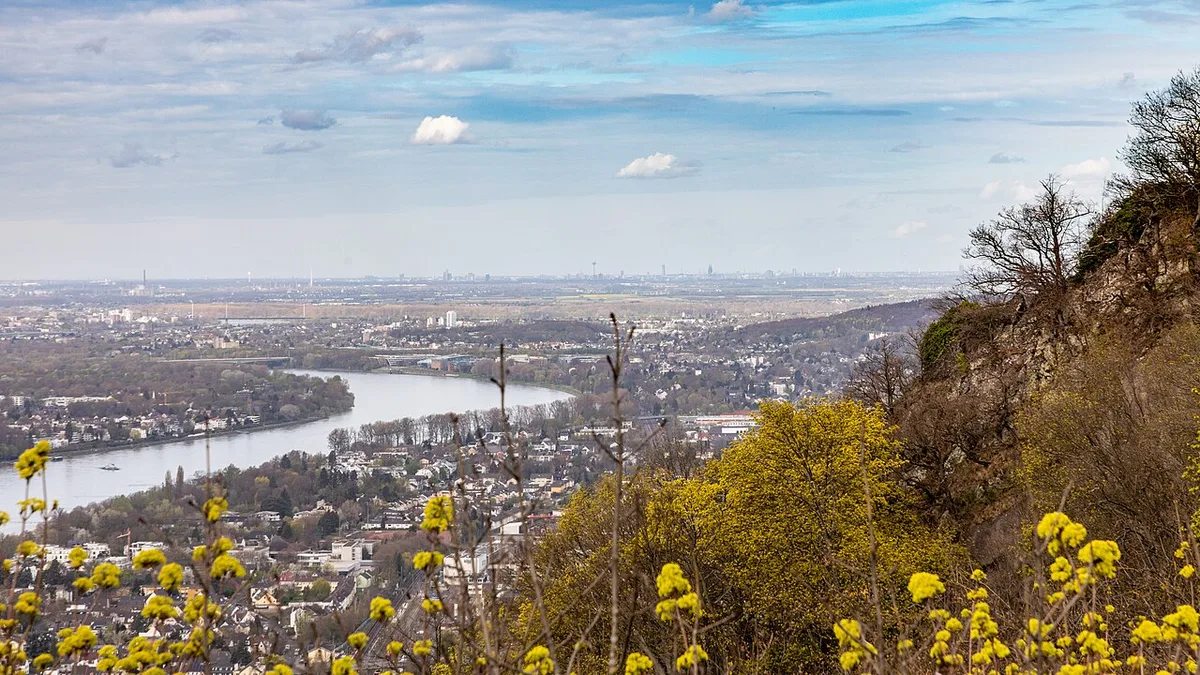
Treat the mountain leg as a decision rather than a detail: walking up is free but takes real effort, while the rack railway saves the climb for a cost you should look up on the day. Be aware that fares and seasonal timetables change, and that the older published figures for Drachenburg Castle admission come from an outdated guide and should not be relied on. Check the castle's own website for current opening times and prices before you go.
Königswinter also works as one stop within a wider day of Rhine travel, which the best day trips from Bonn page sets out alongside other rail-and-boat options. Doing Drachenfels alongside a second stop is realistic only if you start early, because the climb and the summit ruin eat into the afternoon.
Accessibility and Planning for Particular Needs
Individual venues publish their own provisions, and that is the right level of detail to rely on rather than assuming a network-wide standard. The Beethoven-Haus lists multimedia guides in easy language, for blind and visually impaired visitors, and in German sign language, handed out at the cash desk subject to availability and free of charge, with booking recommended. It also describes guided tours for visitors with dementia-related limitations and for learners of German.
Note that Beethoven-Haus charges for some of its special guided tours, with published rates that apply per group plus museum admission, so check the current booking terms rather than budgeting from a remembered figure. The Haus der Geschichte publishes inclusive offers of its own, and the Bundeskunsthalle maintains a dedicated accessibility page for its building and exhibitions. Confirm each venue's arrangements directly if access matters to your plans.
For education-focused visits, the Beethoven-Haus education pages describe tours through the birthplace and exhibitions and programmes for children, families and school groups. Those are bookable offers with their own terms, so contact the museum office if you are organising a group.
Common Mistakes That Cost Time and Money
The first is assuming a single ticket covers every Museum Mile institution. The free-entry Haus der Geschichte is not on the same ticket as the Bundeskunsthalle and Kunstmuseum Bonn combination, and each venue's admission is published separately. Plan your ticketing per building, not per district.
The second is planning around old blog prices for fares, castle admission and guided tours. Those figures drift, and a 2020 guide to Drachenburg is not a substitute for the operator's current page. Look up each price where it is charged, and treat any third-party quote as a starting point only.
The third is buying transport before checking what is actually open, or the reverse. Confirm exhibition times at the Bundeskunsthalle and Kunstmuseum Bonn, check Kunstmuseum hours for the Wednesday evening and Monday closure, and only then fix your transport plan for the day.
Suggested Half-Day and Full-Day Transport Plans
For a half day, a suggested plan is to base yourself at Bonn Hbf, take lines 16, 63 or 66 five stops to Heussallee/Museumsmeile, and concentrate on two adjacent institutions rather than trying to cross the whole mile. This duration is a suggestion, not an official figure, and it assumes you already have a valid ticket in hand. Walking back into the centre along the Rhine is a reasonable alternative if the weather holds.
For a full day, pair a morning at Museum Mile with an afternoon south to Königswinter and the Drachenfels, using the same rail corridor and finishing the climb on foot or by rack railway. Check the last return connection before you set off, because the hillside leg is where a late start becomes a problem. A Bonn one-day itinerary can help you sequence the city-centre sights around the same transport spine.
If you have longer, the 3 days in Bonn itinerary spreads Museum Mile, the Beethoven-Haus and a Rhine day trip across separate days so you are not compressing everything onto one ticket window. Either way, buy and validate per journey or per day as your chosen product requires, and keep the ticket until you leave the system.
Plan Your Visit
Bonn's transport works best when you treat it as one regional network with a handful of useful products rather than a set of separate city systems. Decide first whether you need a subscription, a check-in fare or a holiday ticket, then build your days around the Bonn Hbf to Heussallee/Museumsmeile spine and its extension toward Königswinter. The VRS and Stadtwerke Bonn sites carry the timetable tools you need on the day.
Before you travel, confirm three things: each venue's opening days, whether your chosen ticket covers the whole journey, and the current status of any stop closure or engineering work. Those checks take minutes and prevent most of the frustration visitors report on the Museum Mile. Everything else, from the U-Bahn line numbers to the airport shuttle, is already published by the operators and venues themselves.
Frequently Asked Questions
How do I pay for trams and buses in Bonn?
Bonn's trams and buses are part of the VRS regional network, and tickets are bought through the VRS and the local operator, Stadtwerke Bonn. The VRS also offers eezy.nrw, a check-in and check-out fare that calculates the price from the distance you actually travel, which suits visitors who do not want to work out zones in advance. The system generally relies on proof-of-payment inspection, so keep your ticket with you and valid for the whole journey. Check the operator's site for the payment methods accepted on your route.
Which ticket should a short-stay visitor buy in Bonn?
For a short visit, compare single or day tickets against the Deutschlandticket, which the VRS presents as a nationwide local-transport subscription. A subscription usually makes sense for stays of a month or more, not for a weekend. eezy.nrw is an alternative if you prefer automatic distance-based pricing and will remember to check out at the end of each trip. Look up current prices and terms on the VRS site, because they change.
How do I get from Bonn Hbf to Museum Mile?
The Bundeskunsthalle's own directions say to take U-Bahn lines 16, 63 or 66 from Bonn Hauptbahnhof toward Bad Godesberg and Königswinter, and to get off after five stops at Heussallee/Museumsmeile. Bus lines 610, 611 and 634 also serve the area, stopping at UN Campus Bahnhof and Marie-Kahle-Allee. Arriving from Siegburg/Bonn, line 66 runs directly toward Königswinter and stops at Heussallee/Museumsmeile. Confirm the stop is being served on your travel date, as construction work can affect access.
Is Museum Mile walkable once I arrive?
Yes, but it is spread out, with wide roads and parkland between the buildings, so allow time to move between venues rather than treating it as a single address. Walking also puts you close to the Rheinaue park and the riverside paths. Each institution is separately ticketed and keeps its own opening days, so plan the walk around what is actually open. Check each venue's own page before setting out.
How do I reach Drachenfels and Königswinter from Bonn without a car?
The rail corridor that serves Museum Mile continues south toward Königswinter, with line 66 running in that direction. From Königswinter you reach Drachenburg Castle and the Drachenfels either on foot or by the Drachenfelsbahn rack railway, which has operated since 1883. Fares, seasonal timetables and castle opening times change, so check the castle and railway operators' own pages before you go rather than relying on older published figures.
Can I use the same ticket across Bonn, Cologne and the wider region?
The VRS coordinates transport across five districts and four cities, and the Deutschlandticket is presented as a subscription for nationwide local and regional travel. That means a single product can cover travel well beyond Bonn's boundary, but the scope depends on which ticket you hold. Check the validity conditions for your specific product on the VRS site, since some fares are distance or zone based.
Sources
- Der Verkehrsverbund Rhein Sieg: Fünf Landkreise, vier Städte, ein Ziel. : VRS Website
- Bonn - metrobits.org
- Official event website
- Beethoven-Haus Bonn
- Education | Beethoven-Haus Bonn
- Beethoven-Haus Bonn
- Bundeskunsthalle
- Short tours - Kunstmuseum Bonn
- Guide to Schloss Drachenburg / Drachenburg Castle - tabithaschr
- Haus der Geschichte Bonn
- Inklusive Angebote


